

Loading, please wait...
Loading, please wait...

Concussions represent a frequent and challenging presentation in pediatric emergency departments, sports clinics, and primary care settings. When evaluating pediatric concussion and autism, clinicians encounter a complex intersection of neurodevelopmental variations and acute neurological dysfunction. Because mild traumatic brain injuries induce transient cognitive, affective, and somatic symptoms, distinguishing postinjury trauma from baseline neurodivergent characteristics demands exceptional diagnostic precision. However, contemporary concussion guidelines predominantly reflect neurotypical cohorts, leaving healthcare professionals with minimal validated guidance for autistic youth.
A comprehensive scoping review conducted in accordance with PRISMA guidelines recently evaluated the existing global literature on mild traumatic brain injury in autistic children and adolescents. The researchers analyzed major biomedical databases, identifying 374 studies, yet only seven met strict inclusion criteria. This striking scarcity highlights how rarely scientific investigations isolate autism spectrum disorder during pediatric trauma research. Furthermore, epidemiological evaluations within this scoping review revealed no definitive evidence that autistic children suffer concussions at higher rates than non-autistic peers. Nevertheless, when head trauma occurs, managing these patients presents unique practical hurdles. Young athletes participate increasingly in organized sports, recreational activities, and physical education, making exposure to mechanical head trauma inevitable. Despite this reality, the medical community still lacks standardized clinical pathways tailored to neurodivergent physiology. Pediatricians, neurologists, and sports medicine physicians frequently face diagnostic ambiguity when assessing immediate post-impact deficits. Consequently, clinicians must recognize that standard assessment tools may not reliably reflect acute cerebral trauma in neurodiverse populations. Understanding these limitations allows medical teams to interpret postinjury changes through an individualized, comprehensive lens rather than relying on generalized assumptions.
Most available literature on this topic evaluates computerized baseline assessments, particularly the Immediate Post-Concussion Assessment and Cognitive Testing platform. Interestingly, approximately 43 percent of the reviewed studies indicated that autistic youth demonstrate a significantly higher rate of invalid baseline scores compared to controls. Embedded invalidity indicators flag abnormal response patterns, which computerized algorithms frequently misclassify as poor effort or invalid data. However, these anomalous scores often stem from genuine neurodevelopmental differences in executive functioning, visual motor processing speed, and cognitive flexibility. In addition, adolescent athletes with autism frequently exhibit significant variations across individual cognitive composites. For example, researchers observed notable differences in visual memory among autistic boys, while autistic girls showed distinct variations in verbal memory and reaction velocity. These findings underscore the danger of applying standardized population norms to neurodivergent athletes. Therefore, sports organizations and healthcare systems should avoid interpreting computerized baselines in isolation. Instead, sports medicine specialists and neuropsychologists must review individual baseline profiles with extreme care, ensuring that pre-existing cognitive styles do not lead to inappropriate disqualifications, misdiagnoses, or delayed clearance decisions following an athletic head injury.
Evaluating acute somatic and affective complaints following a head impact presents another significant hurdle for clinicians. Several studies reviewed baseline concussion-like symptom endorsement, revealing conflicting yet illuminating findings. While some investigations demonstrated comparable symptom levels between autistic individuals and control subjects, other cohorts reported significantly higher baseline endorsement among autistic participants. Specifically, autistic boys endorsed elevated frequencies for 21 out of 22 standard post-concussion symptoms during routine preseason screenings. This remarkable overlap occurs because core sensory, vestibular, and behavioral features of autism closely mirror classic post-concussive impairments. For instance, photophobia, phonophobia, balance difficulties, executive fatigue, and sleep disturbances frequently exist as chronic baseline characteristics in autistic youth. Consequently, when an autistic child experiences a head impact, clinicians cannot easily determine whether reported dizziness or sensory aversion reflects new mechanical injury or heightened environmental stress. Furthermore, expressive communication differences may impede an autistic patient's ability to describe internal physical discomfort accurately. Therefore, clinicians must actively collaborate with parents, teachers, and primary caregivers to establish a precise preinjury baseline, preventing both underdiagnosis and prolonged unnecessary medical restrictions.
Perhaps the most striking finding of the scoping review is the total absence of studies evaluating acute postinjury recovery in autistic patients. While investigators have dedicated moderate attention to preseason baseline testing, zero identified studies followed autistic children through acute injury stages or longitudinal rehabilitation. As a result, the medical literature offers no empirical guidance on symptom trajectory duration, secondary complication risks, or optimal therapeutic interventions for this group. Currently, clinicians cannot determine whether neurodivergent children experience prolonged recovery timelines or respond differently to early physical activity. Because existing consensus guidelines heavily emphasize early active recovery over complete rest, this knowledge deficit poses direct clinical concerns. For example, standard protocols mandate gradual cognitive and aerobic exertion, but these interventions may interact unexpectedly with atypical autonomic regulation or sensory processing profiles. Similarly, prolonged isolation from regular school routines often precipitates profound emotional distress, behavioral regression, and severe anxiety in neurodiverse children. Thus, treating physicians find themselves navigating recovery without evidence-based guidance. Prospective, multicenter clinical registries are urgently required to track real-world clinical presentations, identify prolonged recovery biomarkers, and define safe return-to-learn benchmarks specifically tailored for autistic youth.
Given the lack of definitive longitudinal data, pediatricians, pediatric neurologists, emergency physicians, and sports medicine specialists must adopt a flexible multidisciplinary approach. Rather than relying on rigid protocols designed for neurotypical athletes, medical teams should customize management strategies according to each patient's individual functional baseline. First, clinicians must conduct thorough qualitative interviews alongside validated pediatric symptom scales, gathering comprehensive historical details from caregivers who know the child's daily habits intimately. Second, physical therapy and vestibular rehabilitation should incorporate sensory-friendly modifications, such as quiet treatment spaces and dim lighting, to minimize overstimulation. Third, return-to-school plans require delicate coordination with special education teams to maintain therapeutic consistency. Because routine stability is paramount for autistic youth, doctors should avoid prolonged school exclusion whenever feasible. Instead, teams should implement immediate classroom accommodations, including scheduled rest breaks, noise-canceling headphones, and modified screen exposure. Moreover, primary care practitioners should closely monitor mental health, because concussion-related disruptions can amplify anxiety or depressive symptoms in vulnerable adolescents. By maintaining close communication between neurosurgeons, pediatricians, physical therapists, and family members, healthcare systems can deliver compassionate, effective postinjury care while researchers work to resolve outstanding empirical questions.
Clinicians frequently observe that computerized baseline testing platforms, such as ImPACT, produce higher rates of invalid scores in autistic adolescents compared to neurotypical peers. Furthermore, pre-existing differences in processing speed, cognitive flexibility, and sensory gating directly alter test performance. Consequently, medical providers should interpret computerized baseline scores cautiously. They must avoid relying solely on automated thresholds and instead integrate detailed clinical observations alongside individual developmental histories during evaluation.
Diagnosing mild head injuries in neurodiverse children poses distinct clinical difficulties because core concussion symptoms heavily overlap with baseline traits of autism. Specifically, chronic sensory sensitivities, vestibular imbalances, communication differences, and emotional dysregulation can mimic post-concussive impairments. Therefore, clinicians cannot easily distinguish acute postinjury disruption from usual behavioral patterns. In addition, communication barriers may prevent young patients from articulating nuanced somatic complaints like nausea, headache, or visual fog.
Healthcare teams should design gradual return-to-learn pathways that account for individual environmental tolerances and baseline educational supports. Because disruptions in daily routine cause severe distress for autistic youths, clinicians must avoid prolonged complete isolation. Instead, providers should recommend structured, stepwise reintroduction into classrooms with sensory accommodations, such as dim lighting or reduced noise. Ultimately, constant collaboration between parents, educators, and pediatricians ensures appropriate cognitive pacing without exacerbating emotional distress.
Disclaimer: This content is for informational and educational purposes only... Refer to the latest local and national guidelines for clinical practice.
References

Read summarized clinical updates, watch expert medical content, and earn CME certifications right from your smartphone.
Open your smartphone camera to scan and install.





A recent scoping review reveals significant challenges in evaluating pediatric concussion in children with autism spectrum disorder. Current tools often yield invalid baseline scores, and evidence regarding acute postinjury trajectories remains absent, highlighting the need for tailored neurotrauma protocols.
Today

A cross-sectional molecular epidemiological study evaluates HIV-1 transmission clusters and pretreatment drug resistance among treatment-naïve men who have sex with men. Findings highlight prominent CRF07_BC transmission and significant assortative mixing, informing targeted public health and antiretroviral strategies.
Today
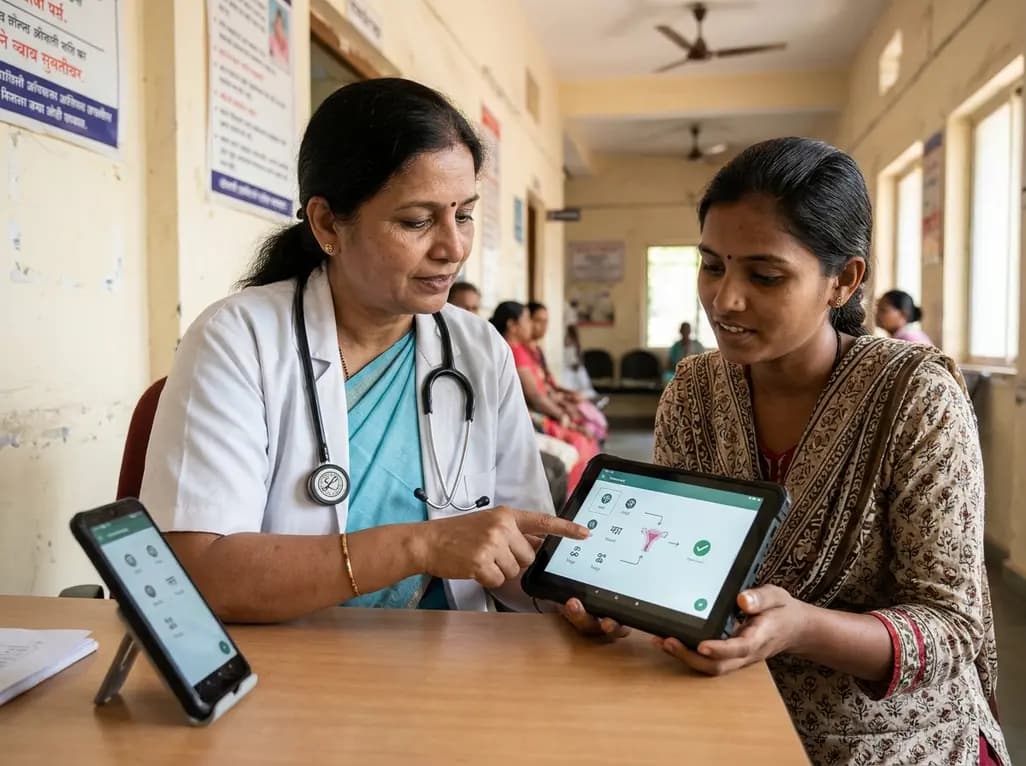
A new study evaluates a multilingual digital health platform combining rule-based cervical cancer risk assessment, retrieval-augmented generation AI, and geospatial navigation. The tool dramatically reduces clinical hallucinations while providing actionable health guidance for underserved populations.
Today
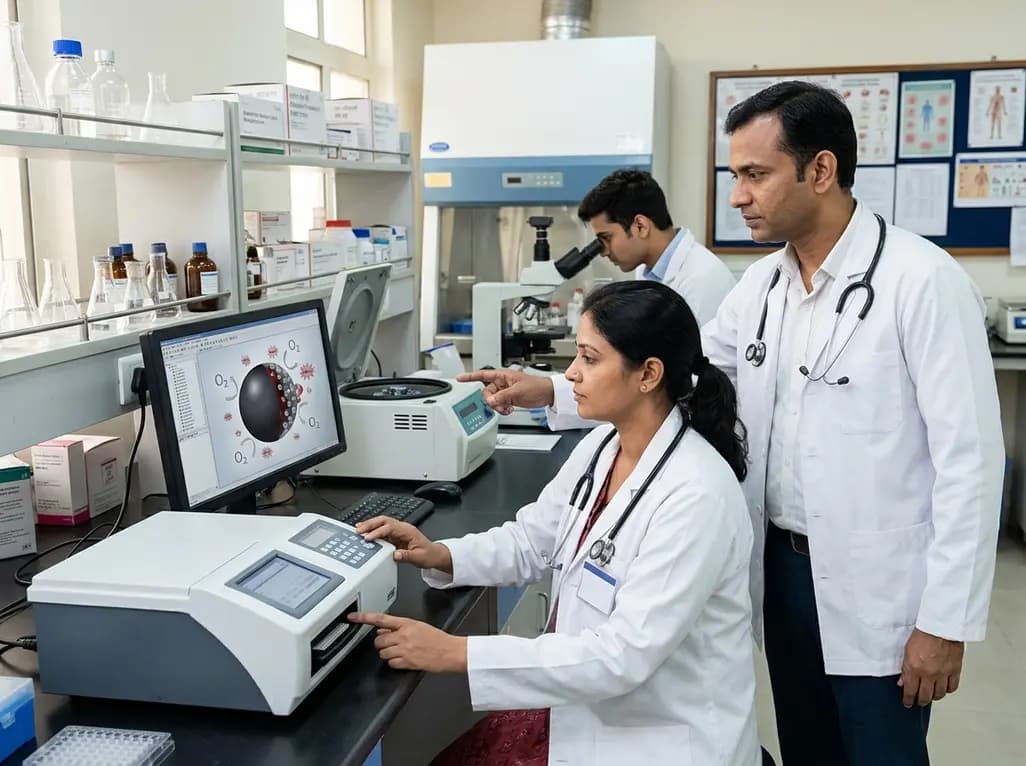
A novel MOF-based platform encapsulates hemoglobin with catalytic platinum and ceria nanozymes to deliver oxygen while scavenging toxic reactive oxygen species. This study highlights key design principles for managing hypoxia and reperfusion injury while resolving crucial stability challenges.
Today
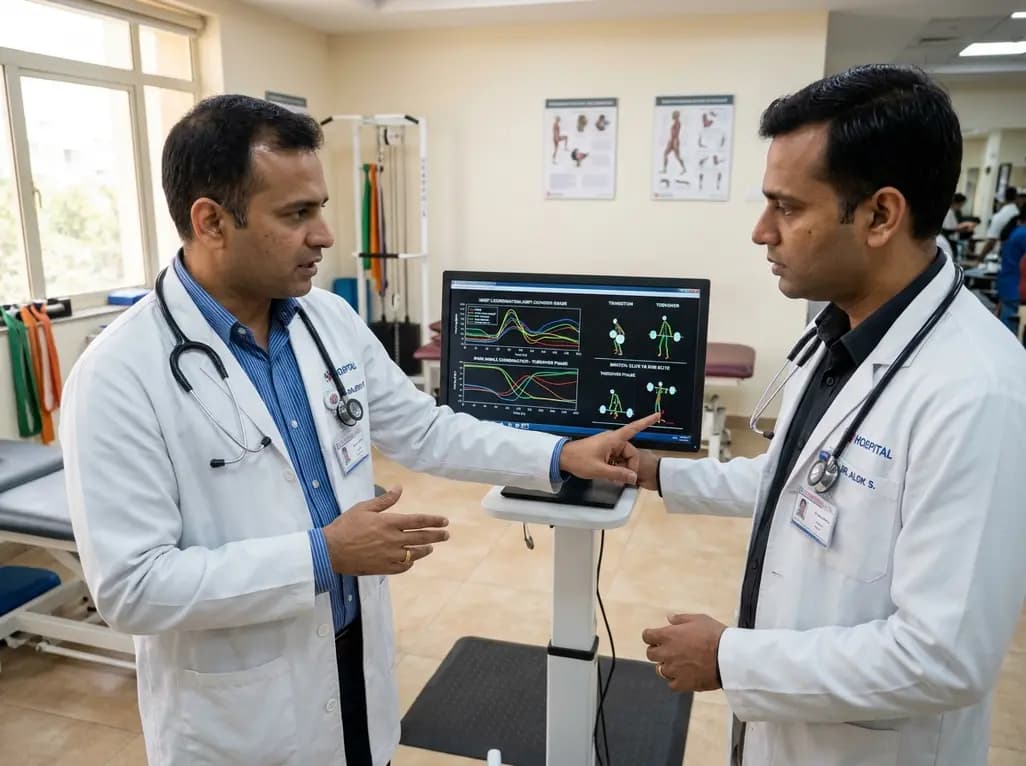
A vector coding study compares elite and sub-elite weightlifters during maximal snatch attempts, revealing that performance differences stem from phase-dependent knee-ankle coordination during transition and turnover phases rather than overall trajectory patterns.
Today

A pilot feasibility study demonstrates that a newly developed mobile app for bolus insulin dose adjustment significantly improves dosing confidence, treatment adherence, and hypoglycemia prevention for patients with type 1 diabetes while reducing provider workload in resource-limited clinical settings.
Today
