

Loading, please wait...
Loading, please wait...

Managing type 1 diabetes mellitus in resource-constrained environments poses substantial day-to-day challenges for clinicians and patients alike. Most patients depend entirely on multiple daily injection regimens requiring precise coordination. Calculating prandial insulin requires matching insulin units with carbohydrate intake, ambient blood glucose, and anticipated physical exertion. However, executing this complex mathematical calculation before every meal frequently overwhelms patients. Consequently, calculation errors remain disturbingly common in routine clinical practice, particularly among individuals with limited numerical health literacy. To overcome this critical hurdle, researchers developed an innovative insulin dose adjustment app designed to streamline real-time titration. Because inaccurate dosing directly causes either disabling hypoglycemia or severe glycemic spikes, digital support tools represent a transformative therapeutic intervention. Clinicians across resource-limited settings frequently observe that fear of hypoglycemia drives chronic underdosing. Therefore, deploying automated decision-support software addresses a glaring unmet need in basal-bolus therapy.
To establish clinical utility and safety, the mobile platform prioritizes three functional components. Specifically, developers incorporated automated bolus calculation, longitudinal glucose tracking, and targeted educational modules into a unified mobile interface. The underlying dosing logic derives directly from the latest American Diabetes Association clinical guidelines. Furthermore, eight multidisciplinary diabetes experts rigorously vetted the clinical content to ensure algorithmic precision. The algorithm rapidly processes preprandial capillary glucose readings, planned mealtime carbohydrate grams, and anticipated physical exercise. Subsequently, it computes an individualized, highly reproducible bolus recommendation within seconds. In addition, the integrated educational modules offer practical self-care guidance directly on the patient's smartphone. This feature reinforces fundamental concepts of carbohydrate counting and hypoglycemia avoidance during daily routines. Moreover, the tracking platform records longitudinal glycemic trends, creating an objective audit trail for routine consultations. Thus, the software transforms complex physiological data into clear, actionable clinical guidance.
Investigators conducted a prospective pilot feasibility evaluation at the Specialized Diabetes and Endocrine Center in Basrah, Iraq. The research team recruited ten multidisciplinary healthcare professionals, including endocrinologists, dietitians, clinical pharmacists, and certified diabetes educators. Simultaneously, the study enrolled ten patients living with type 1 diabetes aged fifteen years and older. Each participant utilized the specialized smartphone application throughout an intensive ten-to-fourteen-day field trial. Following this evaluation period, researchers measured usability, user satisfaction, and perceived therapeutic value using validated three-point Likert scales alongside open feedback. The usability ratings proved remarkably favorable across both participant groups. Notably, eighty percent of healthcare professionals and ninety percent of patient participants expressed high usability satisfaction. Furthermore, nearly all patients reported substantial clinical benefits, observing that the platform significantly streamlined their daily dose decisions. Consequently, all study participants confirmed high personal satisfaction and stated they would willingly recommend the platform to peers.
Optimizing insulin delivery requires balancing glycemic target attainment against acute hypoglycemic risks. In this feasibility trial, ninety percent of clinicians and almost every patient considered the software highly effective for reducing hypoglycemia. Because the algorithm systematically incorporates physical activity adjustments, it guards against post-exercise glucose crashes. In addition, healthcare providers highlighted decisive operational advantages associated with the mobile health tool. At least seventy percent of participating clinicians emphasized meaningful reductions in their administrative workload and follow-up burden. Routine diabetes management usually demands exhaustive manual logbook reviews during congested clinic appointments. In contrast, the application provides structured, verified glycemic data that streamlines clinical consultations. Therefore, clinicians can rapidly identify therapy gaps and focus their time on targeted behavioral interventions. Furthermore, improving treatment adherence through digital guidance prevents protracted glycemic deterioration. As a result, both patients and clinicians experience less therapeutic friction during ongoing outpatient management.
Health literacy disparities remain a monumental obstacle in global diabetes care, especially across developing healthcare systems. Conventional basal-bolus education assumes high numeracy, requiring patients to calculate insulin-to-carbohydrate ratios and correction factors reliably. However, real-world clinical encounters reveal that many patients struggle with complex mathematical formulas under stress. Consequently, digital calculators bridge this educational divide by translating abstract calculations into intuitive visual prompts. In this trial, researchers specifically customized the interface to reflect local dietary staples and cultural habits. Furthermore, tailoring educational content to regional health beliefs markedly enhanced user engagement and compliance. When technology respects linguistic and cultural nuances, patient trust rises dramatically. Similarly, Indian clinicians encounter comparable health literacy barriers across public and private outpatient centers. Adopting culturally validated digital titration aids could therefore transform outpatient diabetes care across diverse populations. Ultimately, democratizing access to decision-support technology empowers vulnerable individuals to achieve safer, more reliable glycemic outcomes.
Although initial usability outcomes appear exceptionally promising, clinicians must interpret these preliminary findings with appropriate scientific caution. The Basrah pilot investigation evaluated a relatively small cohort over a brief trial period. Therefore, adequately powered multicenter randomized controlled trials remain essential to demonstrate sustained clinical efficacy. Future investigations must evaluate hard endpoints, including changes in glycated hemoglobin, continuous glucose monitor time-in-range metrics, and severe hypoglycemic events. Moreover, assessing cost-effectiveness and digital adherence across heterogeneous socioeconomic groups will prove vital for regulatory approval. Health authorities must also establish clear data security protocols to protect sensitive patient information collected on consumer smartphones. Nevertheless, the successful implementation of this pilot platform demonstrates the immense potential of accessible mobile health in underserved regions. As digital therapeutics mature, integrating automated dose advisors into routine practice will redefine comprehensive diabetes management. Clinicians should proactively evaluate validated digital platforms to support motivated patients seeking improved self-titration confidence.
The application calculates mealtime bolus doses by integrating three distinct physiological variables: the patient's premeal blood glucose measurement, total carbohydrate grams consumed, and anticipated physical activity. It applies validated clinical formulas, including the patient-specific insulin-to-carbohydrate ratio and insulin sensitivity factor. Furthermore, the algorithm adjusts the final dosage downward if planned physical exercise increases muscular glucose uptake, effectively reducing acute postprandial hypoglycemic risks.
In low-resource settings, patients frequently face limited access to continuous glucose monitors and diabetes educators. Furthermore, many individuals experience low health numeracy, making complex mental dose calculations prone to severe errors. A mobile dose calculator automates complex arithmetic, delivers standardized educational guidance, and tracks longitudinal glucose values. Consequently, it democratizes access to evidence-based titration, significantly reducing provider consultation burdens and preventing dangerous hypoglycemic emergencies.
Although pilot studies demonstrate exceptional usability and high user satisfaction, substantial clinical evidence gaps remain. Specifically, healthcare providers require large-scale, randomized controlled trials evaluating long-term glycemic outcomes, such as sustained reductions in glycated hemoglobin and improvements in continuous time-in-range metrics. Additionally, researchers must assess long-term patient retention, software algorithmic safety under unpredictable daily routines, data privacy compliance, and health-economic benefits across diverse patient populations.
Disclaimer: This content is for informational and educational purposes only and should not be considered medical advice. Healthcare professionals must exercise independent clinical judgment when diagnosing or treating patients. Refer to the latest local and national guidelines for clinical practice.
References
Mohamed-Jawad NK et al. Mobile App for Assisting Patients With Type 1 Diabetes in Insulin Dose Adjustment: Development and Usability Study. JMIR Form Res. 2026 Nov 06. doi: 10.2196/99412. PMID: 42993945.
ElSayed NA, Aleppo G, Aroda VR, et al. Diabetes Technology: Standards of Care in Diabetes—2023. Diabetes Care. 2023;46(Suppl 1):S111-S127.
Cuixart G, Corcoy R, González C. Can a mobile application improve glucose-related and patient-reported outcome measures (PROMs) in people with type 1 diabetes mellitus? A randomized controlled trial using the mySugr® app. Hormones (Athens). 2024;23(4):593-602.

Read summarized clinical updates, watch expert medical content, and earn CME certifications right from your smartphone.
Open your smartphone camera to scan and install.





A pilot feasibility study demonstrates that a newly developed mobile app for bolus insulin dose adjustment significantly improves dosing confidence, treatment adherence, and hypoglycemia prevention for patients with type 1 diabetes while reducing provider workload in resource-limited clinical settings.
Today

A Swedish nationwide registry study of over 405,000 vaginal births shows that third-trimester SSRI exposure is linked to increased rates of labor induction, postpartum hemorrhage, and lower 5-minute Apgar scores, highlighting the need for balanced clinical risk-benefit counseling.
Today
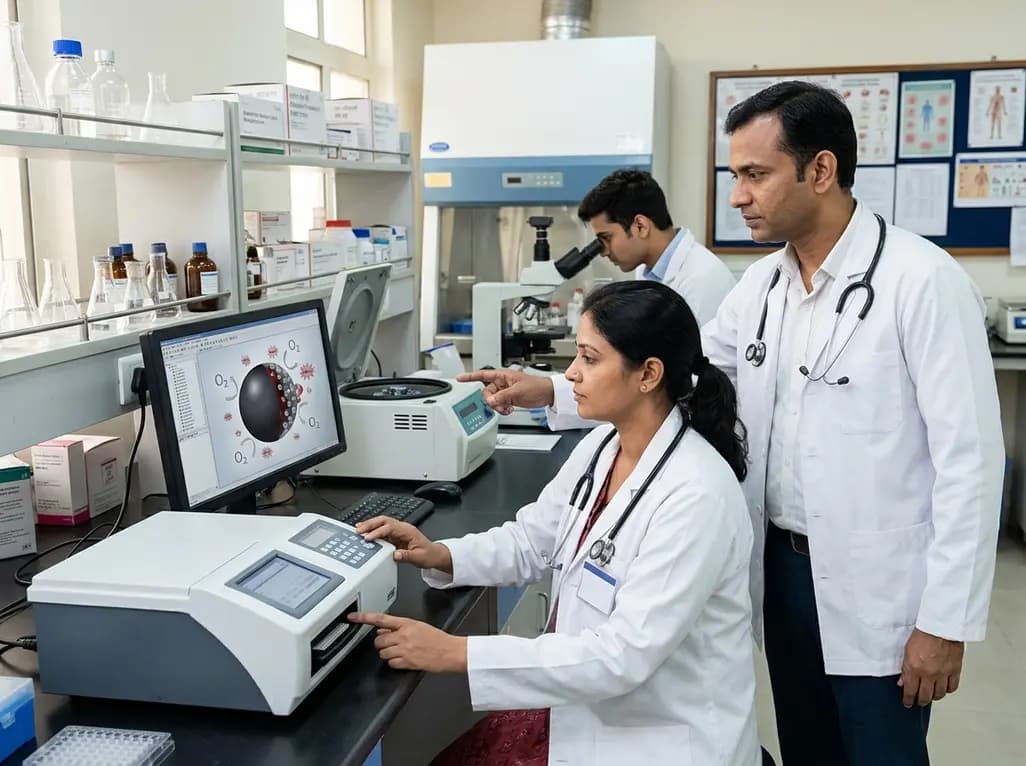
A novel MOF-based platform encapsulates hemoglobin with catalytic platinum and ceria nanozymes to deliver oxygen while scavenging toxic reactive oxygen species. This study highlights key design principles for managing hypoxia and reperfusion injury while resolving crucial stability challenges.
Today
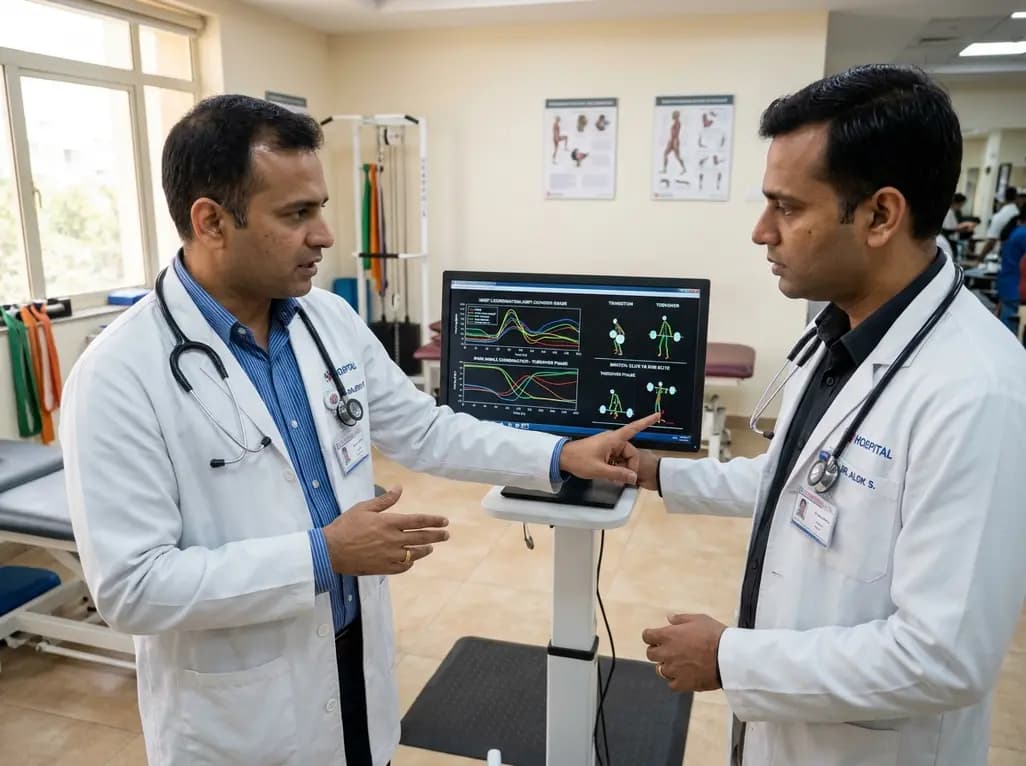
A vector coding study compares elite and sub-elite weightlifters during maximal snatch attempts, revealing that performance differences stem from phase-dependent knee-ankle coordination during transition and turnover phases rather than overall trajectory patterns.
Today
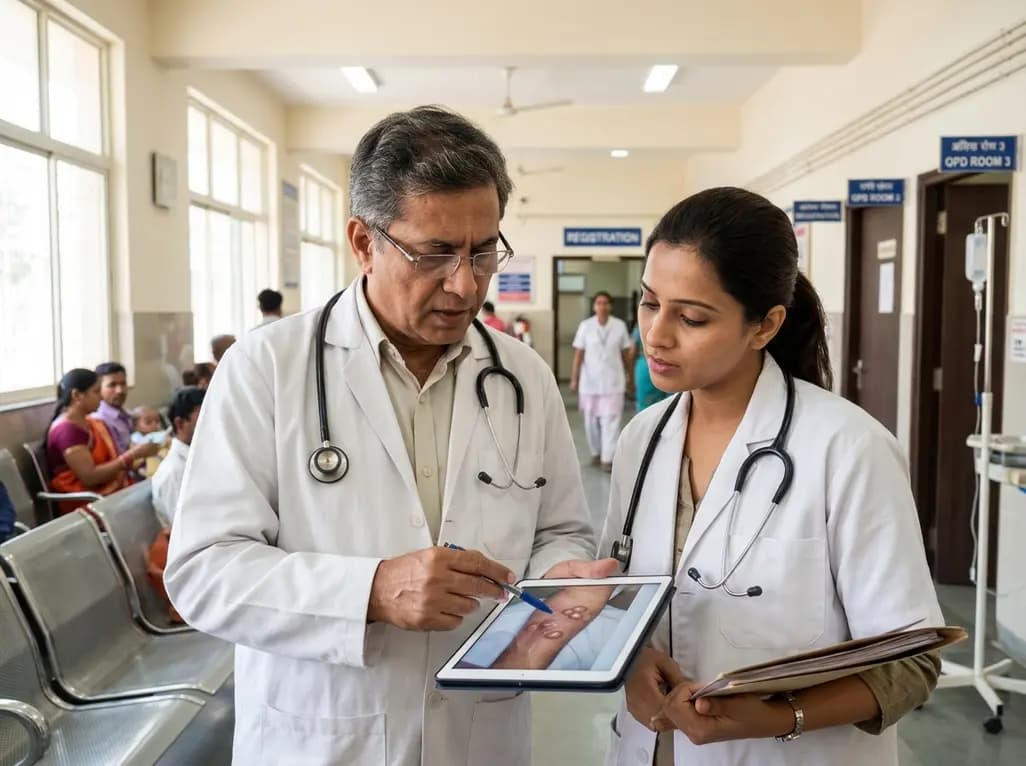
A nationwide Danish study confirms a strong association between DPP-4 inhibitors and bullous pemphigoid in type 2 diabetes. Risk is markedly elevated with current vildagliptin and linagliptin use compared to sitagliptin, highlighting crucial clinical considerations for prescribing physicians.
Today
