.webp&w=384&q=75)

Loading, please wait...
Loading, please wait...

Pancreatic cancer early detection remains a formidable challenge for primary care physicians worldwide. However, diagnostic delays occur frequently due to the non-specific nature of early symptoms. Consequently, researchers conducted a simulation study to evaluate computerized clinical decision support systems (CDSS). Specifically, this intervention aimed to identify patients with risk factors like unintended weight loss and new-onset diabetes. Moreover, GPs found the tool compatible with their current clinical workflows.
Additionally, the software provided prompts for further investigations when specific symptoms appeared. Therefore, clinicians felt more confident in considering malignancy earlier. Nevertheless, concerns regarding overtesting and financial costs persisted among the participants. Specifically, they worried that immediate imaging for low-risk patients might cause unnecessary anxiety. Furthermore, India faces a rising burden of this disease, particularly in states like Kerala and urban centers.
Notably, the Indian Council of Medical Research (ICMR) highlights the importance of triphasic CT scans for accurate diagnosis. In contrast, many rural settings lack access to such advanced diagnostics. Ultimately, the study suggests that while CDSS is acceptable, more robust clinical evidence must underpin future recommendations. Successful implementation requires balancing technological assistance with practical cost-effectiveness in diverse healthcare settings.
Pancreatic cancer early detection is difficult because symptoms like weight loss and back pain are non-specific and common in other conditions.
A CDSS flags symptoms in electronic health records, prompting GPs to consider investigations they might otherwise overlook in a busy clinic.
Primary care physicians often worry about the potential for overtesting, increased financial costs to patients, and heightened patient anxiety.
Disclaimer: This content is for informational and educational purposes only. It does not constitute professional medical advice, diagnosis, or treatment. Refer to the latest local and national guidelines for clinical practice.
References
Martinez-Gutierrez J et al. Clinical Decision Support Tool for Early Pancreatic Cancer Detection in Primary Care: Simulation Study. JMIR Form Res. 2026 Feb 06. doi: 10.2196/79209. PMID: 41649872.
Indian Council of Medical Research (ICMR). Consensus Document for Management of Pancreatic Cancer. New Delhi: ICMR; 2024.
National Cancer Registry Programme (NCRP). Indian Cancer Incidence Trends and Projections for 2025. JAMA Network Open. 2025;8(2):e240123.

Read summarized clinical updates, watch expert medical content, and earn CME certifications right from your smartphone.
Open your smartphone camera to scan and install.





A simulation study evaluates CDSS for pancreatic cancer detection, finding high GP acceptability despite concerns regarding overtesting and cost-effectivene...
8 months ago
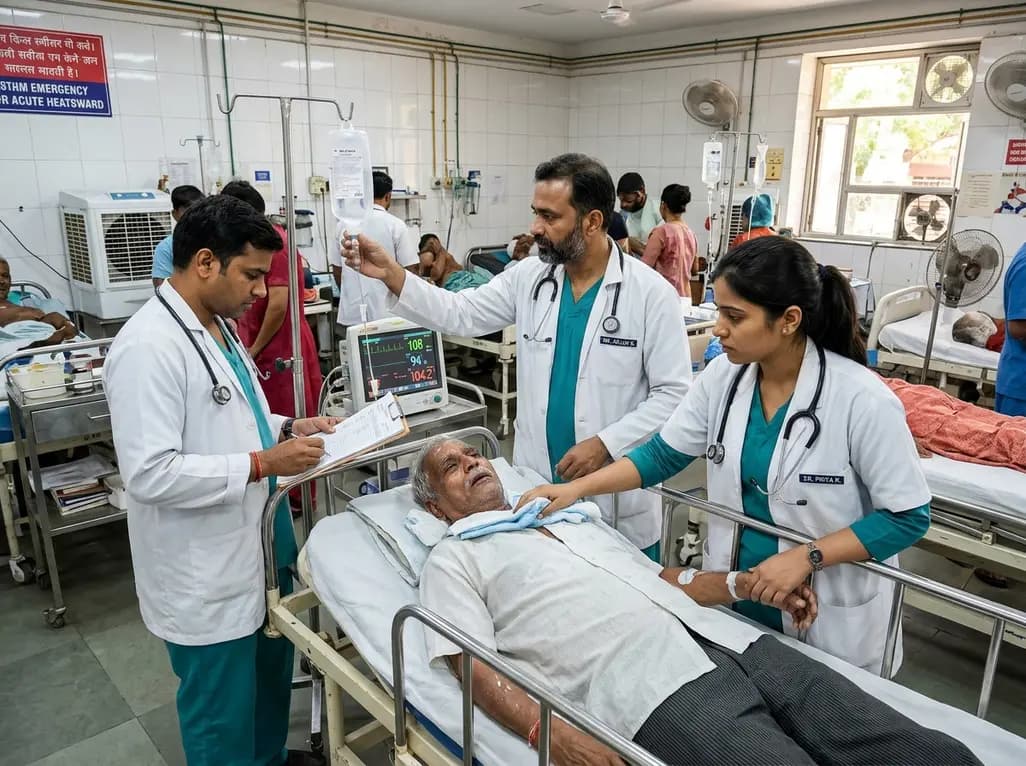
Recent epidemiological data reveals a dramatic surge in summer heat mortality driven by human-induced climate warming. This analysis explores the pathophysiological impacts on cardiac and renal systems, diagnostic dilemmas in death certification, and essential emergency cooling protocols for acute clinical care.
Today
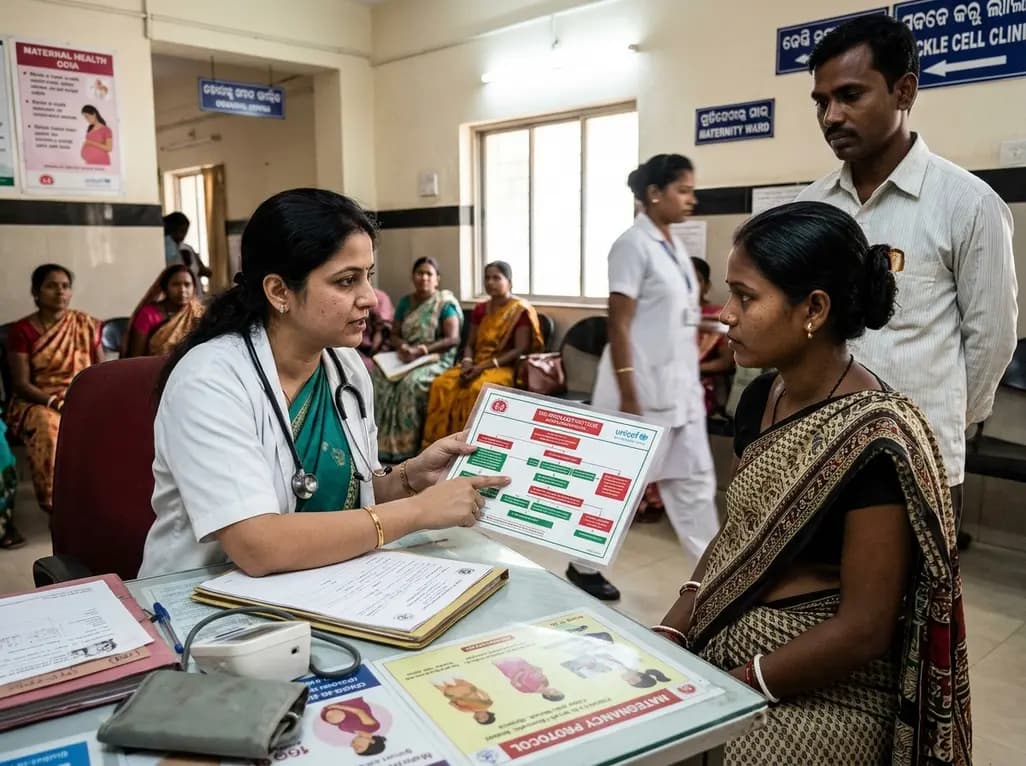
Odisha has established India's first state-level clinical protocol specifically tailored for pregnant women with sickle cell disease. Developed with NHM and UNICEF, the framework provides structured antenatal screening, crisis mitigation, standardized referral pathways, and specialized interdisciplinary care.
Today

India is advancing preventive healthcare by integrating genomics, artificial intelligence, and quantum technologies. With the SANGAM programme sequencing one million Indian genomes, clinicians can unlock personalized therapies, detect cardiometabolic risks early, and curb the burden of diabetes and heart disease.
Today

A randomized controlled trial demonstrates that an eight-week dual-task training intervention significantly improves static and dynamic postural control over standard balance exercises in individuals with chronic ankle instability, addressing critical neurocognitive deficits during athletic and daily activities.
Today

A retrospective cohort study of 7,716 ICU patients from the MIMIC-IV database demonstrates that Gradient Boosting Decision Trees significantly outperform traditional SOFA scores in predicting in-hospital mortality among patients with sepsis and diabetes, with SHAP analysis providing clinical interpretability.
Today
