.webp&w=384&q=75)

Loading, please wait...
Loading, please wait...
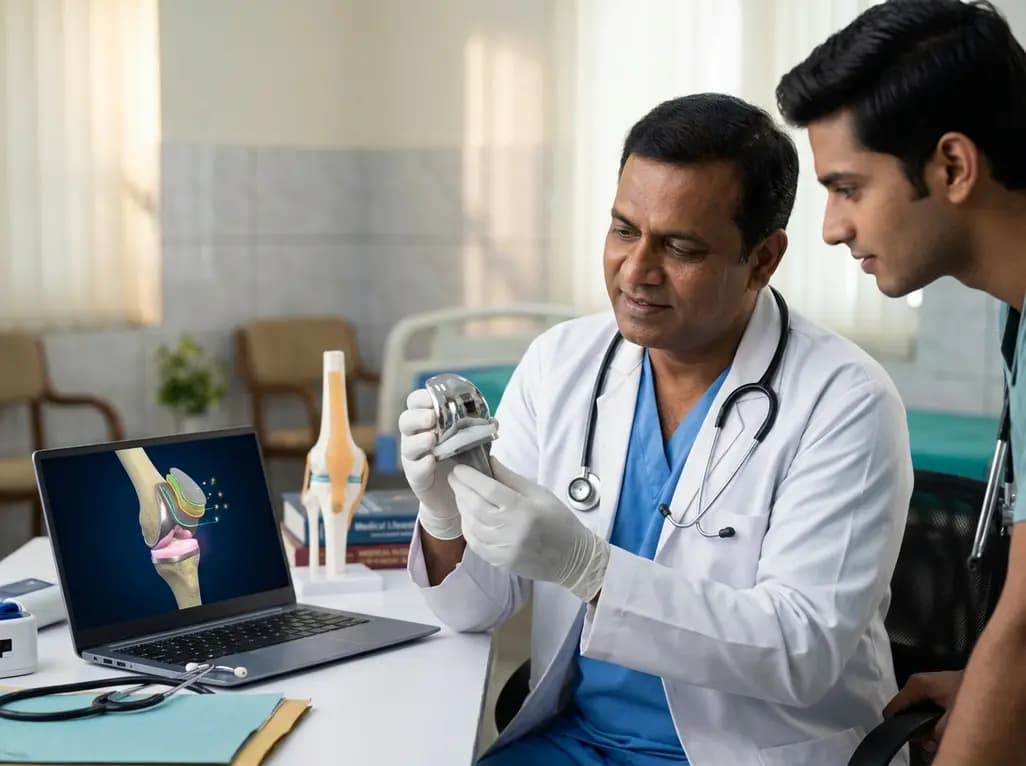
Orthopedic surgery has undergone a significant transformation with the widespread adoption of metal implants for joint replacements and fracture fixations. However, the success of these procedures is frequently threatened by implant-associated infections and poor tissue integration. Consequently, researchers are increasingly focusing on orthopedic metal implant coatings as a sophisticated regulatory biointerface rather than just simple drug-delivery layers. These advanced coatings address the multifaceted biological challenges that occur immediately after an implant enters the body. For instance, the initial protein conditioning and subsequent bacterial adhesion can determine the long-term viability of the prosthesis. Modern clinical perspectives now emphasize a holistic approach that simultaneously targets microbial colonization and host immune responses. By integrating these functions, surgeons can potentially reduce the incidence of prosthetic joint infections and aseptic loosening. Furthermore, the development of these multifunctional surfaces represents a paradigm shift in biomaterials science. Instead of relying solely on systemic antibiotics, the industry is moving toward localized, responsive systems that react to the dynamic environment of the surgical site. This transition is particularly relevant in India, where the burden of trauma-related surgeries and antibiotic resistance continues to rise significantly.
The success of any orthopedic device depends heavily on the biological events occurring at the implant-tissue interface. When a metallic implant is inserted, a layer of host proteins immediately coats the surface, which subsequently dictates how both bacteria and host cells interact with the device. Importantly, this protein conditioning layer can either facilitate healthy osseointegration or provide a scaffold for bacterial attachment and biofilm maturation. Biofilms are notoriously difficult to treat because they protect bacteria from both the host immune system and systemic antimicrobial agents. Simultaneously, the body initiates a foreign body response, primarily mediated by macrophages. These immune cells can polarize into either pro-inflammatory M1 or anti-inflammatory M2 phenotypes, influencing the eventual fate of the implant. If the inflammatory response remains unchecked, chronic inflammation may lead to fibrous encapsulation rather than direct bone bonding. Therefore, engineers are designing surfaces that meticulously regulate this biointerface. By controlling surface topography and electrochemical stability, these new coating architectures aim to balance bacterial inhibition with the promotion of osteogenic cell activity. Understanding these intricate biological couplings is essential for developing the next generation of clinically effective orthopedic solutions.
Combating infection remains a primary goal in the design of orthopedic metal implant coatings. Traditional methods often relied on the steady release of silver ions or antibiotics, but these approaches face limitations such as potential cytotoxicity and the emergence of resistant strains. Modern strategies now include ion-releasing metal oxides, bioceramics, and bioactive glass-based systems that offer a more controlled release profile. Additionally, contact-killing surfaces utilize immobilized antimicrobial peptides or polycations to destroy bacteria upon contact without depleting the active agent over time. Another innovative approach involves externally activated responsive coatings. These systems can be triggered by specific stimuli, such as pH changes associated with infection or external thermal triggers, to release their antimicrobial cargo only when necessary. Specifically, bioactive glass coatings have gained attention for their ability to release therapeutic ions while simultaneously promoting the formation of a hydroxycarbonate apatite layer. This dual action helps in killing pathogens and fostering bone growth. Consequently, these smart surfaces provide a more robust defense against biofilm persistence. By combining multiple antibacterial mechanisms, researchers hope to achieve near-total protection against the microbial challenges that typically lead to early implant failure and complex revision surgeries.
While infection control is vital, the ability of an implant to modulate the host immune system is equally critical for long-term stability. Excessive inflammation often leads to bone resorption and implant loosening, which is a major concern in geriatric orthopedic patients. Immunomodulatory strategies currently focus on local delivery of anti-inflammatory agents, natural bioactive molecules, and cytokine presentation. For example, by promoting the M2 macrophage phenotype, these coatings can transition the local environment from a state of inflammation to one of tissue repair and regeneration. Moreover, ion-mediated osteoimmunomodulation uses specific elements like strontium or magnesium to influence both immune cell behavior and osteoblast activity. This synergistic effect ensures that the bone-forming cells can thrive in a supportive immune microenvironment. Researchers are also exploring redox and thermal regulation to manage oxidative stress at the surgical site. By fine-tuning these pathways, the biointerface becomes a facilitator of healing rather than a source of chronic irritation. Ultimately, achieving an immune balance is the key to preventing the foreign body response from compromising the mechanical stability of the joint replacement. This integrated approach ensures that the implant is not just tolerated but actively integrated into the host skeletal system.
The mechanical integrity of a coating is just as important as its biological functionality, especially in load-bearing orthopedic applications. Orthopedic metal implant coatings must withstand the significant shear forces and abrasive wear encountered during surgical insertion and daily physical activity. If a coating delaminates or produces wear debris, it can trigger localized osteolysis and systemic inflammation, leading to premature device failure. Consequently, researchers are focusing on enhancing the mechanical adhesion between the coating and the metallic substrate. Techniques such as plasma spraying, physical vapor deposition, and micro-arc oxidation are employed to create high-strength bonds. Furthermore, the inclusion of reinforcing phases within the coating structure, such as carbon nanotubes or ceramic nanoparticles, can significantly improve wear durability. Notably, electrochemical stability is also a concern, as corrosion can weaken the implant-coating interface over time. Therefore, modern validation frameworks now include rigorous testing for fatigue resistance and long-term stability under simulated physiological conditions. Ensuring that these multifunctional layers remain intact throughout the lifespan of the implant is essential for maintaining their therapeutic benefits. This focus on durability is particularly crucial for younger, active patients who require their implants to last for several decades without the need for revision.
Despite the promising results seen in laboratory settings, translating these advanced coatings into clinical practice remains a significant challenge. The transition from bench to bedside requires navigating complex regulatory landscapes, especially for multifunctional devices that combine drugs, ions, and biological molecules. Specifically, in the Indian context, cost-effectiveness and scalability of manufacturing are major hurdles for widespread adoption. Regulatory bodies like the CDSCO require extensive safety and efficacy data, which necessitates well-designed, multi-center clinical trials. Additionally, the sterilization process for these sophisticated coatings must be carefully managed to ensure that biological activity is not compromised. Researchers must also address the structure-function relationships that arise during large-scale fabrication, as consistency is vital for clinical safety. However, the integration of standardized validation frameworks is helping to bridge this gap. By focusing on design-oriented strategies that prioritize translatability from the outset, the medical community can move closer to offering these innovative solutions to patients. Looking forward, the collaboration between materials scientists, orthopedic surgeons, and regulatory experts will be the driving force behind the next era of implant technology. Ultimately, the goal is to provide a reliable, long-term solution that minimizes complications and maximizes patient quality of life after orthopedic intervention.
Advanced coatings utilize a combination of contact-killing mechanisms and the controlled release of antimicrobial ions like silver or copper. These strategies actively disrupt bacterial cell walls and inhibit the initial attachment of microbes to the implant surface. By preventing this primary adhesion, the coatings stop the subsequent development of a protective biofilm. Furthermore, some coatings are designed to be stimuli-responsive, releasing potent agents only when they detect the acidic environment characteristic of bacterial growth.
Successful osseointegration requires a balanced immune response rather than just the absence of infection. If an implant causes excessive or chronic inflammation, the body may respond by forming fibrous tissue instead of new bone, leading to aseptic loosening. Immunomodulatory coatings help by guiding macrophages toward a pro-healing M2 phenotype. This shift reduces the foreign body response and creates a biochemical environment that supports bone-forming cells, ensuring the implant remains securely bonded to the skeletal structure over time.
The primary translational barriers include high manufacturing costs and the complexity of regulatory approval for combination products. Scaling up the production of sophisticated nanostructured coatings while maintaining consistent quality is technically demanding. Additionally, clinical trials in India must demonstrate that these technologies are cost-effective compared to traditional implants. Overcoming these hurdles requires localized research, streamlined regulatory pathways, and robust evidence that these advanced coatings significantly reduce the long-term costs associated with infection-related revision surgeries.
Disclaimer: This content is for informational and educational purposes only. It is not intended as a substitute for professional medical advice, diagnosis, or treatment. Always seek the advice of your physician or other qualified health provider with any questions you may have regarding a medical condition. Refer to the latest local and national guidelines for clinical practice.
References
Mao Z et al. Antibacterial and Immunomodulatory Coatings for Orthopedic Metal Implants: Biological Rationale, Design Strategies, and Translational Challenges. Adv Healthc Mater. 2026 Jul 05. doi: 10.1002/adhm.202600008. PMID: 42402710.
Pulkit Sharma et al. New developments in combating infection from biofilm forming bacteria of orthopedic implants. Int J Res Orthop. 2023 Sep;9(5):1100-1104.
Li B & Webster TJ. Bacteria Antibiotic Resistance: New Challenges and Opportunities for Implant-Associated Orthopedic Infections. J Orthop Res. 2017 Aug;35(8):1575-1587.

Read summarized clinical updates, watch expert medical content, and earn CME certifications right from your smartphone.
Open your smartphone camera to scan and install.





Orthopedic metal implants face challenges like infection and poor integration. New research highlights multifunctional coatings that regulate the biointerface, combining antibacterial and immunomodulatory strategies to improve stability and patient recovery in orthopedic surgery.
3 months ago

A breakthrough study evaluated H5N1 transmission efficiency across mammalian isolates. Researchers discovered that human-derived D1.1 harboring the PB2 D701N mutation spread efficiently in ferrets, unlike strains carrying PB2 E627K. This finding highlights critical genetic markers for zoonotic surveillance.
Today

A comparative cohort study evaluates vNOTES vs TLH hysterectomy for benign conditions, demonstrating shorter operative duration, faster return to daily activities, and equivalent female sexual function scores without increased dyspareunia.
Today

Review how tailored exercise programs benefit frail older patients with heart failure. Explore pathophysiological mechanisms, individualized training prescriptions, and strategies to overcome adherence barriers in clinical practice.
Yesterday

This comparative study evaluates posterior labral tears with and without glenohumeral instability, highlighting distinct demographic patterns, MRI underestimation in stable shoulders, and successful arthroscopic repair outcomes.
Yesterday

A clinical study demonstrates that early intervention with tocilizumab, either as monotherapy or bridged with corticosteroids, achieves significant proptosis reduction and resolves active inflammation in treatment-naive thyroid eye disease.
Today
