

Loading, please wait...
Loading, please wait...

Arboviral illnesses present an escalating challenge to healthcare systems across tropical and subtropical regions. Among these emerging threats, Oropouche fever has recently garnered international concern due to unprecedented outbreaks and expanding geographic distribution. Historically confined to forested river basins and rural communities in Central and South America, the causative pathogen has breached traditional ecological boundaries. Increased international travel, urbanization, and climate change facilitate rapid viral dissemination into non-endemic areas. Consequently, healthcare practitioners in India must understand the epidemiological dynamics and clinical presentation of this neglected pathogen before widespread local transmission occurs.
Oropouche virus represents a significant member of the Orthobunyavirus genus within the Peribunyaviridae family. The virion possesses a negative-sense, single-stranded RNA genome divided into three distinct segments. These segments encode structural glycoproteins, the viral nucleocapsid, and RNA-dependent RNA polymerase. Furthermore, genetic reassortment among divergent strains frequently generates novel variants with heightened transmissibility and pathogenic potential. First identified during the mid-twentieth century in Trinidad and Tobago, the virus subsequently fueled recurring epidemics across the Amazon basin. However, recent surveillance reports confirm travel-associated importations into North America and Europe, signaling a shift toward global dispersion. Therefore, clinicians can no longer view this arbovirus as merely a localized South American problem. Deforestation, rapid human mobility, and shifting climatic conditions continually reshape vector habitats worldwide. As global transmission dynamics evolve, non-endemic countries face genuine risks of pathogen introduction and secondary local transmission chains.
The transmission cycle of the virus operates through distinct sylvatic and urban networks. In wild forested environments, pale-throated sloths, non-human primates, and wild birds serve as primary amplifying reservoirs. Conversely, urban and peri-urban transmission relies heavily on anthropophilic insect vectors. The primary epidemic vector is Culicoides paraensis, a diminutive biting midge belonging to the family Ceratopogonidae. Furthermore, secondary vector competence has been demonstrated in certain mosquito species, including Culex quinquefasciatus. Biting midges thrive around human habitations, particularly where damp soil, decomposing organic matter, and pooled agricultural runoff exist. Consequently, environmental degradation accelerates midge proliferation and human exposure. Unlike standard mosquitoes, biting midges readily penetrate standard residential window screens due to their tiny anatomical size. In addition, recent investigations evaluate potential non-vector transmission routes, including vertical transmission during pregnancy. Thus, understanding vector ecology remains paramount for designing effective barrier protection and targeted vector suppression programs.
The incubation period for symptomatic infection typically spans three to eight days following an infective bite. Patients characteristically experience an acute onset of debilitating high fever, severe retro-orbital headache, chills, and marked generalized myalgia. Additionally, patients frequently report persistent arthralgia, photophobia, epigastric nausea, dizziness, and transient maculopapular cutaneous eruptions. While most individuals recover within one week, clinical relapse occurs in up to sixty percent of patients days or weeks later. In severe cases, the virus demonstrates neuroinvasive potential, precipitating aseptic meningitis, encephalitis, or intracranial hypertension. Furthermore, maternal infection during gestation carries potential risks of spontaneous fetal demise and congenital nervous system malformations. Clinically, these acute manifestations closely mimic dengue fever, chikungunya, and Zika virus disease. Because dengue and chikungunya are intensely endemic throughout India, clinical misclassification remains an overwhelming danger. Therefore, physicians must carefully solicit travel histories whenever managing undifferentiated acute febrile syndromes displaying biphasic trajectories.
Accurate laboratory confirmation of acute infection presents substantial hurdles in modern clinical practice. Currently, commercial point-of-care rapid diagnostic kits do not exist for routine healthcare facilities. Laboratory confirmation relies primarily on reverse-transcription polymerase chain reaction assays performed during the initial viremic phase. Viremia generally persists for only four to five days after symptom onset, necessitating timely blood sample collection. Alternatively, serological evaluation using enzyme-linked immunosorbent assays detects viral-specific immunoglobulin M antibodies after the fifth day. However, widespread serological cross-reactivity with closely related orthobunyaviruses frequently confounds antibody interpretation. Moreover, specialized plaque reduction neutralization tests require reference biosafety laboratories and high technical proficiency. In addition, healthcare facilities lack specific antiviral therapeutics or licensed preventive vaccines for clinical deployment. Management remains strictly supportive, focusing on antipyretic administration, oral rehydration, and avoidance of nonsteroidal anti-inflammatory agents until physicians definitively exclude severe hemorrhagic dengue.
India presents an ideal ecological and demographic landscape for the potential establishment of foreign arboviral infections. Competent biting midges from the genus Culicoides are ubiquitous and widely distributed throughout urban, rural, and livestock-rearing regions across India. For instance, Indian Culicoides species already actively transmit Bluetongue virus among domestic ruminants, proving widespread vector viability. Furthermore, rapid unplanned urban expansion, water accumulation, and humid tropical temperatures support dense midge reproduction year-round. Substantial international trade, overseas employment, and tourism continually connect Indian cities with endemic Latin American hubs. If an infected viremic traveler enters an area harboring competent midge populations, autochthonous transmission could rapidly establish. Unfortunately, routine syndromic surveillance systems usually classify febrile clusters as non-specific viral fever or dengue. Consequently, silent viral circulation could easily persist unnoticed for prolonged intervals without dedicated diagnostic testing protocols.
Strengthening national biosecurity requires a coordinated, multidisciplinary One Health response across municipal, regional, and national levels. Public health authorities must establish targeted travel screening frameworks at international ports and airports. Similarly, tertiary referral centers and sentinel infectious disease hospitals must integrate molecular diagnostic algorithms capable of detecting novel orthobunyaviruses. In addition, entomological surveillance must systematically map domestic Culicoides density, seasonal abundance, and physiological vector competence. Furthermore, veterinary and environmental departments must actively monitor domestic livestock and peri-domestic fauna for unusual serological trends. Healthcare workers require structured educational training to maintain clinical suspicion for atypical arboviral relapses. Community awareness programs should emphasize environmental sanitation, reduction of damp decaying organic matter, and the application of micro-mesh protective nets. Ultimately, proactive surveillance and rapid laboratory diagnostics represent the most effective defense against the unexpected establishment of this emerging tropical pathogen.
The virus spreads to humans primarily through the bite of infected biting midges, particularly Culicoides paraensis. Additionally, certain mosquito species, such as Culex quinquefasciatus, may function as secondary vectors. Humans contract the pathogen when bitten during outdoor daytime or crepuscular vector feeding activities. Environmental degradation and decomposing organic waste accelerate local midge breeding. Furthermore, recent evidence indicates that transplacental vertical transmission can occur during maternal infection in pregnancy.
Clinical misdiagnosis occurs frequently because both pathogens present with identical acute febrile symptoms, including abrupt high fever, severe retro-orbital headache, diffuse myalgia, arthralgia, and maculopapular rash. Because dengue is widely prevalent across tropical regions like India, healthcare providers routinely assume undifferentiated febrile illnesses represent classic dengue. Without specific reverse-transcription polymerase chain reaction testing, clinicians cannot reliably distinguish acute Oropouche infection from other co-circulating tropical arboviruses.
Currently, there are no specific direct-acting antiviral medications or licensed vaccines available to treat or prevent this viral infection. Clinical management focuses entirely on supportive care, including adequate rest, aggressive oral rehydration therapy, and antipyretics such as paracetamol. Clinicians must strictly avoid nonsteroidal anti-inflammatory drugs and aspirin until laboratory testing excludes dengue, thereby minimizing potential hemorrhagic complications during the acute phase of illness.
Disclaimer: This content is for informational and educational purposes only... Refer to the latest local and national guidelines for clinical practice.
References

Read summarized clinical updates, watch expert medical content, and earn CME certifications right from your smartphone.
Open your smartphone camera to scan and install.





Oropouche fever is an emerging arboviral disease expanding beyond South America. With competent Culicoides biting midge vectors widely present across India, clinicians and public health authorities must recognize symptoms, avoid misclassification with dengue, and enhance national One Health surveillance frameworks.
Today
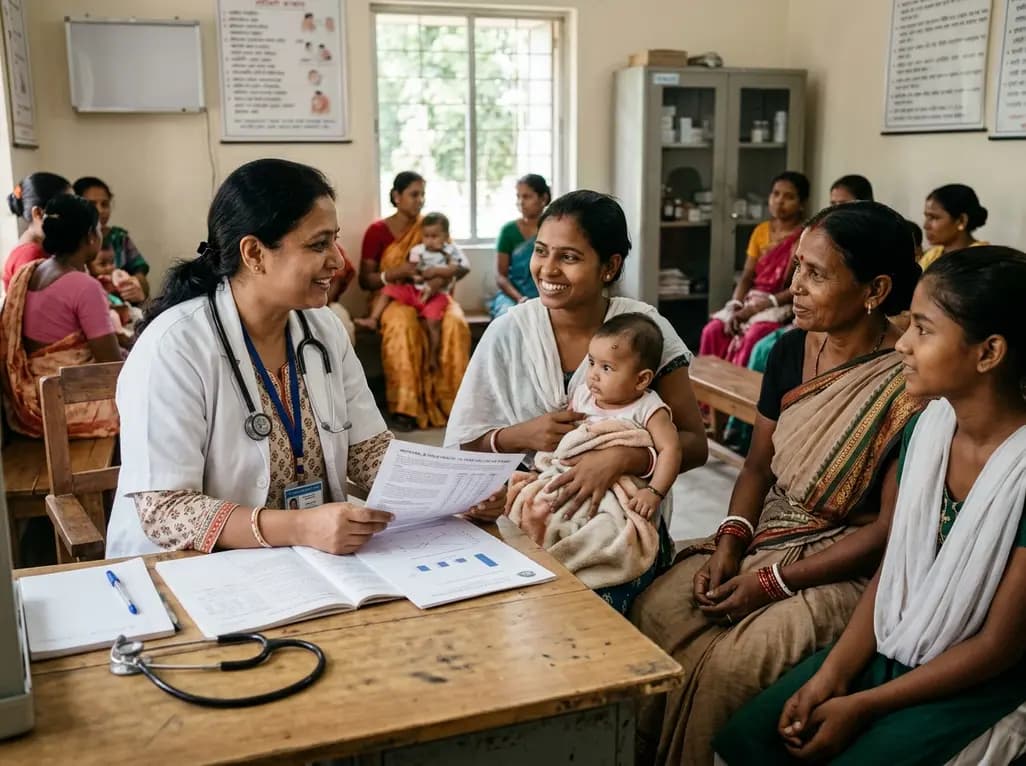
A landmark 15-year follow-up study in rural Bangladesh evaluates the long-term impact of community-based participatory women's groups on maternal survival, offspring mortality, and adolescent physical growth, offering vital insights for maternal-child health policy in South Asia.
Today

Discover how structured coaching, mentoring, and sponsorship frameworks sustain congenital cardiologists across their careers, enhancing technical competence, well-being, and equity.
Today
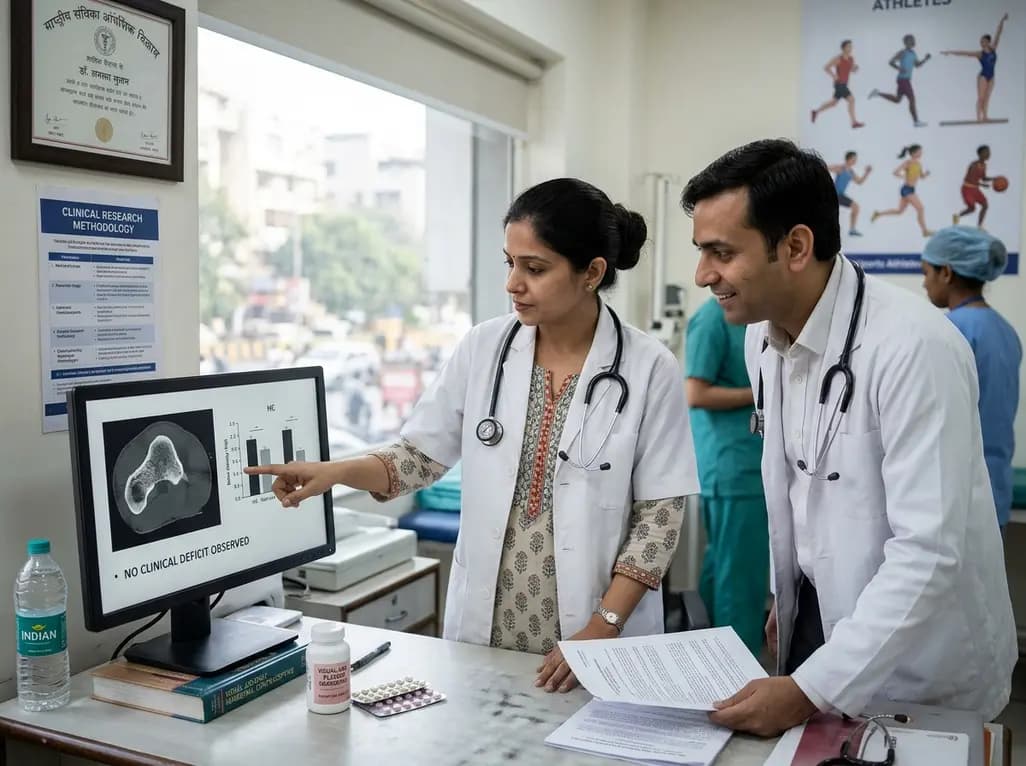
A recent Canadian study evaluates the relationship between hormonal contraceptive use, sport discipline, and volumetric bone density in elite female athletes. Using HR-pQCT, researchers found no clinically meaningful deficits, offering reassuring evidence for sports medicine and gynecology clinicians.
Today
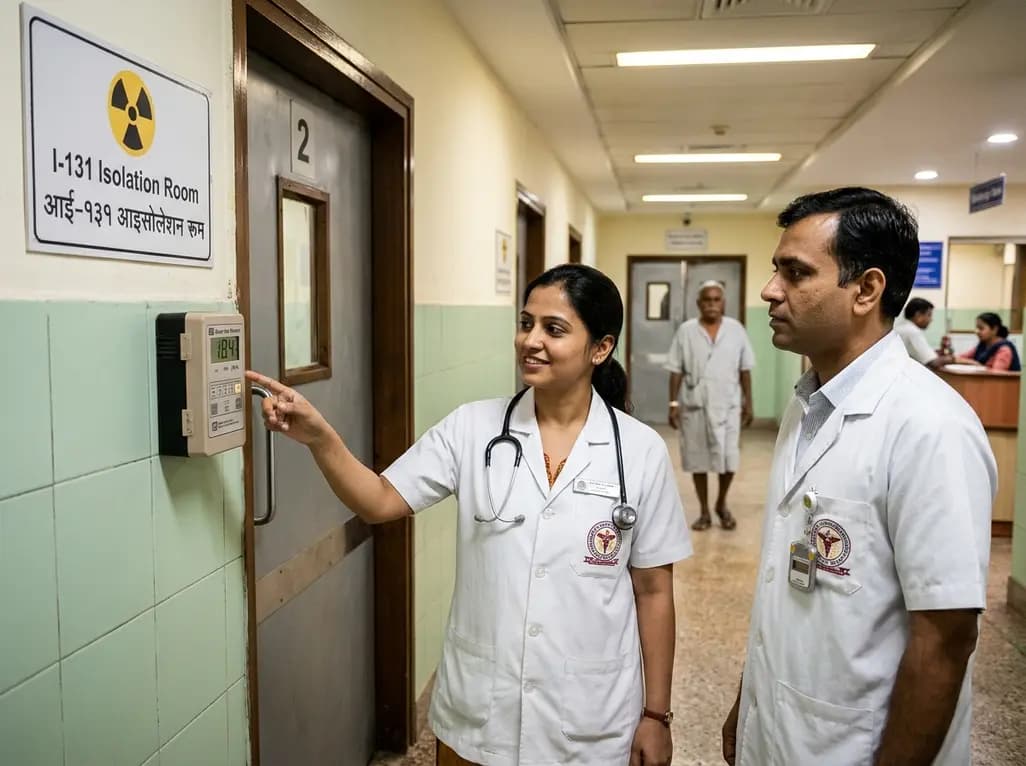
A landmark study establishes cut-offs for administered I-131 activity and day-1 external dose rates to accurately predict isolation duration in differentiated thyroid cancer, improving discharge planning and radiation safety.
Today
