.webp&w=384&q=75)

Loading, please wait...
Loading, please wait...
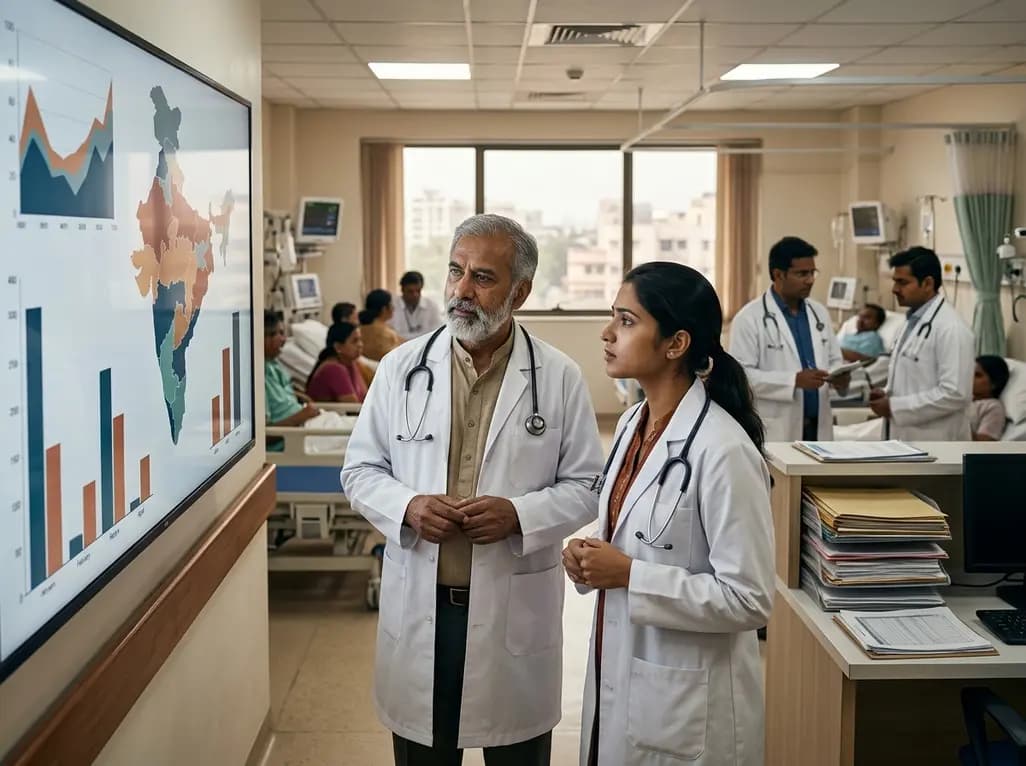
India currently ranks third globally in absolute transplant volume. However, the true organ transplant need in India remains overwhelmingly unmet across every solid organ category. While raw numbers suggest robust surgical capacity, recent landmark research published in The Lancet Regional Health–Southeast Asia demonstrates that the national healthcare system satisfies only a minute fraction of actual clinical demand. Consequently, thousands of patients with end-stage organ failure succumb each year while waiting for life-saving donor organs. This striking disconnect underscores the urgent necessity of moving beyond gross surgical volume metrics. Instead, health authorities must focus on comprehensive epidemiological demand modeling, transparent national waitlist registries, and equitable organ distribution networks across all states. Therefore, analyzing these clinical figures is essential for clinicians, medical educators, and healthcare policymakers seeking to reform organ donation infrastructure.
To accurately measure the nation's total burden, researchers from the Indian Society of Organ Transplantation evaluated national disease burdens and demographic projections. Consequently, the study estimated that India required approximately 3.9 lakh (390,000) solid organ transplants in 2021 alone. This comprehensive figure encompasses end-stage renal disease, severe hepatic decompensation, advanced heart failure, and end-stage pulmonary disorders across both urban and rural demographics. Looking ahead, demographers project this demand will surge to 4.63 lakh transplants annually by 2040 as the population ages and chronic non-communicable diseases become increasingly prevalent.
However, current clinical throughput pales in comparison to these soaring requirements. In 2021, medical centers fulfilled merely 7.2% of the estimated kidney transplant demand. The deficit is even more pronounced across other vital organ systems. For instance, surgical teams performed only 1.5% of required liver transplants, 1.2% of needed lung transplants, and a staggering 0.2% of required heart transplants nationwide. Thus, the massive queue behind these procedures remains largely invisible without robust national waitlist registries. In Western healthcare systems, centralized registries track every waitlisted patient in real time. Conversely, Indian clinicians frequently encounter patients who perish long before reaching an accredited transplant center, leaving policy decisions unguided by real-world disease statistics.
Unlike many Western nations where end-stage renal disease constitutes the primary driver of transplant demand, India exhibits a higher estimated need for liver transplantation than kidney transplantation. Specifically, the Lancet study revealed an annual requirement of 1.85 lakh liver transplants compared to 1.26 lakh kidney transplants in 2021. By 2040, annual demand is projected to reach 2.11 lakh for liver and 1.44 lakh for kidney procedures. This unique epidemiologic profile stems directly from India's rapidly expanding burden of chronic liver diseases, including non-alcoholic fatty liver disease, metabolic dysfunction-associated steatohepatitis, alcoholic liver disease, and chronic viral hepatitis.
Simultaneously, thoracic organ transplants display an alarming supply-demand mismatch. In 2021, India required 83,841 heart transplants and 11,253 lung transplants, yet clinicians performed only a couple hundred of these critical surgeries nationwide. By 2040, annual cardiothoracic requirements will rise to 95,711 heart and 12,846 lung procedures. Although advanced cardiac and pulmonary failure cases are rising due to ischemic heart disease, cardiomyopathy, and chronic respiratory illnesses, thoracic organ retrieval rates remain critically low. Therefore, expanding specialized surgical infrastructure and intensive care organ retrieval protocols in public hospitals is essential to narrow this life-threatening shortfall.
Geographical concentration represents one of the most striking findings in the recent national analysis. Currently, five states and union territories—Maharashtra, Tamil Nadu, Delhi-NCR, Kerala, and Telangana—account for 80% to 96% of all transplant procedures performed across India. Surprisingly, these five regions house only 29% of the country's total population. Consequently, a patient's geographic location heavily dictates their access to organ replacement therapy, effectively making survival a function of one's residential pincode.
This stark imbalance underscores deep structural disparities between urban centers and rural or developing states. Major metropolitan zones feature high-density tertiary private hospitals with specialized transplant infrastructure, whereas vast regions in northern and eastern India lack accredited transplant centers altogether. Furthermore, the public sector performs only a tiny fraction of total transplants, creating immense financial barriers for low-income families. Thus, decentralizing transplant expertise, establishing regional organ procurement hubs, and strengthening public hospital capabilities are vital steps toward achieving geographical equity in organ donation.
The structural fragility of the system is further exposed by its heavy reliance on living organ donors. Currently, approximately 82% of all solid organ transplants in India utilize living donors, predominantly family members. This reliance stems directly from low deceased (cadaveric) donation rates across most states. Although India passed the Transplantation of Human Organs Act in 1994 and performed its first cadaveric kidney transplant in 1997, deceased donor procurement infrastructure has stagnated in many public medical centers.
Compounding this reliance on living donors is a deeply concerning gender disparity. Women bear nearly half of the chronic disease burden in India, yet they receive a disproportionately small share of organs. Specifically, female patients received only 36.8% of kidney transplants, 30.4% of liver transplants, and 23.5% of heart transplants nationwide. Conversely, women constitute the overwhelming majority of living organ donors, frequently donating kidneys or liver lobes to male family members. Therefore, addressing sociocultural biases, expanding public awareness, and institutionalizing universal cadaveric donor pathways are critical prerequisites for gender equity in transplant medicine.
To close the expanding gap between organ demand and supply, healthcare leaders must transition from perception-based planning to data-driven policies. The establishment of transparent, unified national waitlist registries is an urgent necessity. Such registries will provide accurate real-time data, enabling health authorities to allocate resources efficiently, optimize organ distribution, and establish transparent prioritization protocols.
Moreover, expanding cadaveric organ donation requires systemic reforms within intensive care units. Hospitals must implement standardized brainstem death identification protocols, mandatory donor declaration reporting, and dedicated transplant coordination staff. Public health experts also advocate for establishing hub-and-spoke organ retrieval networks that link peripheral hospitals with accredited transplant centers. Furthermore, public funding mechanisms must cushion the financial burden of transplantation for vulnerable populations. By implementing these structural improvements, India can transform its high-volume transplant expertise into an equitable, sustainable, and truly life-saving healthcare framework.
Q1: How severe is the overall organ transplant shortfall in India currently?
In 2021, India required nearly 3.9 lakh solid organ transplants, but current clinical throughput meets only a tiny fraction of this demand. Specifically, medical teams fulfilled just 7.2% of kidney, 1.5% of liver, 1.2% of lung, and 0.2% of heart transplant needs nationwide. Consequently, hundreds of thousands of patients with end-stage organ failure remain without life-saving surgical interventions each year.
Q2: Why is the demand for liver transplants higher than kidney transplants in India?
Unlike Western countries where end-stage renal disease drives transplant demand, India faces a rapidly escalating burden of chronic liver disease. Conditions such as non-alcoholic fatty liver disease, metabolic dysfunction-associated steatohepatitis, alcoholic hepatitis, and viral liver disease are widespread. Consequently, estimated liver transplant demand reached 1.85 lakh in 2021, significantly surpassing the 1.26 lakh requirement for kidney transplants nationwide.
Q3: What key factors contribute to gender and geographic disparities in Indian organ transplantation?
Geographic inequities stem from the heavy concentration of transplant centers in five states that account for up to 96% of procedures despite housing only 29% of the population. Gender disparities arise from sociocultural dynamics where women constitute the majority of living donors but receive under 37% of kidney, 31% of liver, and 24% of heart transplants across the nation.
Disclaimer: This content is for informational and educational purposes only. It does not constitute medical advice or replace professional judgment. Refer to the latest local and national guidelines for clinical practice.
References

Read summarized clinical updates, watch expert medical content, and earn CME certifications right from your smartphone.
Open your smartphone camera to scan and install.





A landmark study published in The Lancet Regional Health–Southeast Asia highlights the vast gap between organ supply and demand in India. While ranking third globally in transplant numbers, India meets under 8% of kidney and 2% of liver, heart, and lung transplant needs, marked by stark regional disparities.
2 months ago
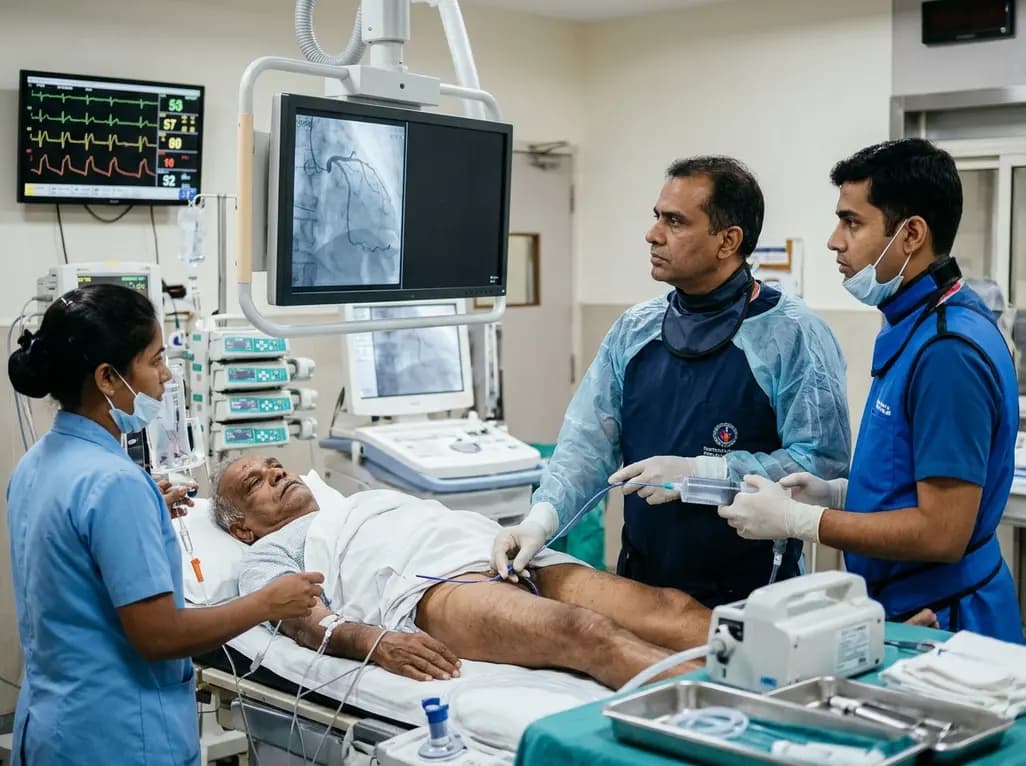
An elderly man with partially repaired Tetralogy of Fallot presented with STEMI caused by coronary embolism rather than atherosclerosis. Successful treatment with sustained mechanical aspiration thrombectomy underscores the vital need for high clinical vigilance in adult congenital heart disease.
Today
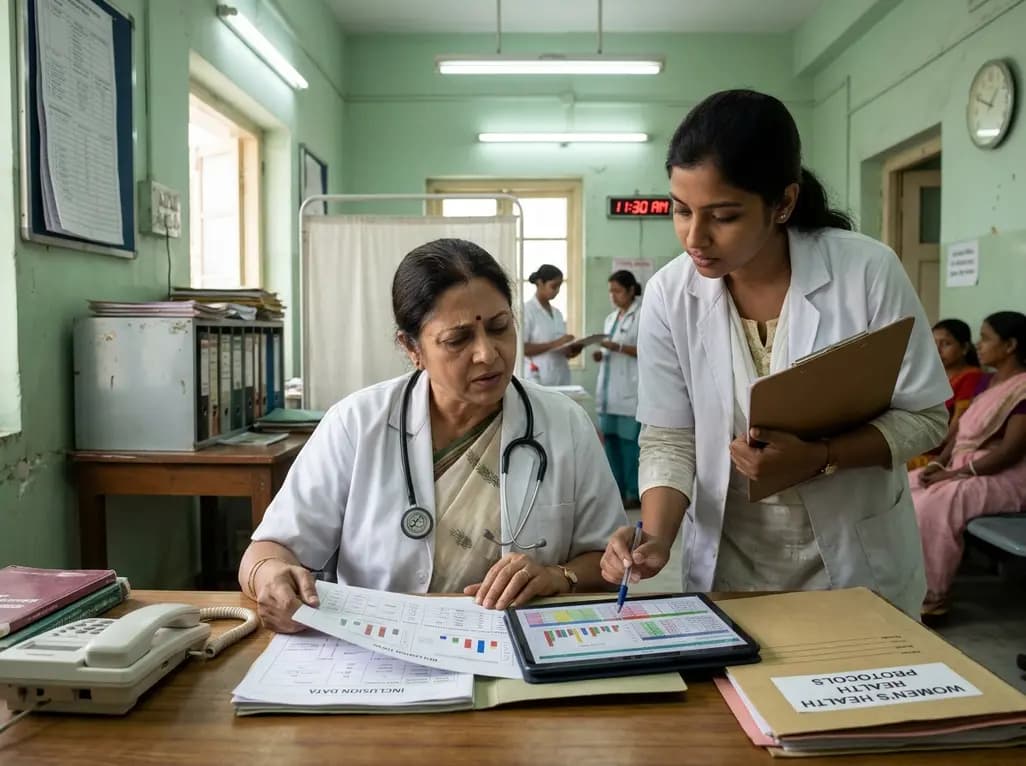
Demanding exhaustive hormonal profiling can inadvertently discourage clinical studies involving females. Methodological standards must align with the specific scientific question to expand, not restrict, equitable evidence for women.
Today
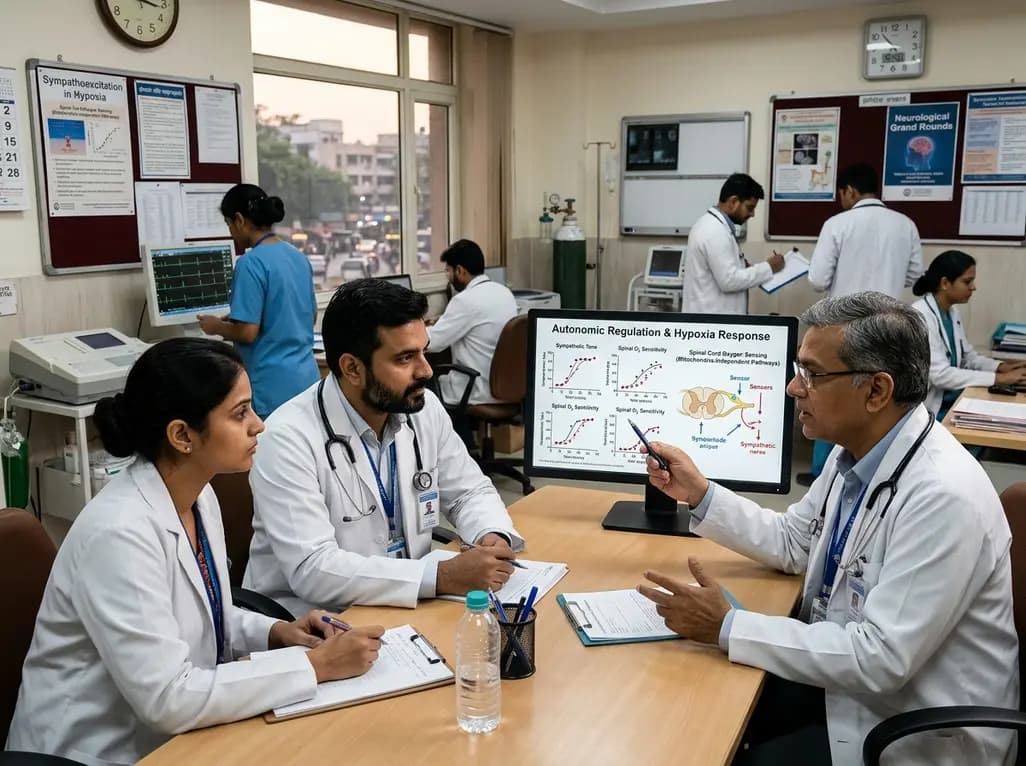
A recent study demonstrates that spinal oxygen sensors do not require mitochondrial electron transport to trigger sympathetic excitation during acute hypoxia, revealing new insights into how mitochondrial oxidative stress modulates autonomic tone in cardiovascular and neurological diseases.
Today
A novel calcium polyphosphate coacervate enables injectable bone implants with in situ hierarchical porosity via phase separation and gas foaming, significantly enhancing cell proliferation, energy metabolism, and osteogenic differentiation for minimally invasive bone defect repair.
Today

Following regulatory scrutiny from FSSAI regarding promotional representations and lean muscle preservation claims, Dr. Reddy's Laboratories and Nestlé Health Science are currently reviewing the branding and marketing strategy for their joint nutritional supplement Celevida GLP+.
Today
