.webp&w=384&q=75)

Loading, please wait...
Loading, please wait...

Oral ulcers represent a prevalent and painful mucosal disorder that significantly impairs daily patient activities such as mastication and speech. Conventional topical therapies often fail to produce optimal clinical results because continuous salivary wash-out and constant tongue movements dislodge standard pastes. Consequently, researchers have engineered an innovative oral ulcer microneedle patch to overcome these mucosal barriers. This advanced biomaterial platform integrates alpha-boswellic acid into crosslinked hyaluronic acid methacryloyl microneedles. As a result, the delivery system penetrates the superficial epithelial barrier painlessly while delivering sustained local therapeutic concentrations. Furthermore, the combination of bioactive triterpenoids and dissolving hydrogels resolves lingering inflammation and accelerates tissue re-epithelialization. Clinicians managing recurrent aphthous stomatitis and mucosal trauma may soon benefit from this minimally invasive approach.
Recurrent oral aphthae cause substantial morbidity in both dental and outpatient clinical practice. Patients frequently complain of severe localized pain, burning sensations, and secondary nutritional deficits due to painful chewing. Although clinicians regularly prescribe topical corticosteroids, antiseptic mouthwashes, and local anesthetic gels, these traditional formulations provide fleeting relief. Specifically, involuntary swallowing and continuous salivary secretion wash away active pharmacological agents within minutes of application. Moreover, the dynamic motion of mucosal tissues during articulation loosens conventional protective films and pastes. As a consequence, patients must apply these preparations multiple times each day, which substantially decreases patient compliance. Furthermore, excessive or prolonged use of potent synthetic corticosteroids on mucosal surfaces can trigger adverse events, including localized candidiasis, tissue atrophy, and systemic absorption. Systemic anti-inflammatory agents also carry unwanted complications that clinicians prefer to avoid during minor mucosal episodes. Therefore, modern clinical dentistry demands advanced drug delivery modalities that physically resist salivary degradation. Developing durable platforms that achieve prolonged retention without irritating the fragile mucosal membrane remains a major clinical objective for pharmaceutical scientists and clinicians alike.
To resolve the limitations of rinses and gels, investigators created an innovative oral ulcer microneedle patch utilizing hyaluronic acid methacryloyl. Hyaluronic acid offers exceptional intrinsic biocompatibility, rapid enzymatic degradation into benign metabolites, and native tissue hydration properties. By modifying the hyaluronic acid backbone with methacryloyl moieties, bioengineers achieved a photo-crosslinkable hydrogel with superior mechanical resilience. Consequently, the fabricated microneedles possess sufficient compression strength to penetrate mucosal tissue barriers without fracturing during application. Furthermore, the base of the patch adheres firmly to wet oral surfaces, preventing rapid salivary clearance and mechanical displacement. Once inserted into the ulcerated mucosa, the polymeric microneedles gradually dissolve upon hydration, which enables controlled and sustained release of the encapsulated payloads. In vitro biocompatibility assays confirm that the hydrogel matrix exhibits negligible cytotoxicity toward oral epithelial cells and healthy fibroblasts. In addition, scratch migration assays demonstrate that the degradation products do not impede fibroblast migration, which is vital for subsequent wound contraction. Thus, the microneedle patch architecture provides an ideal physical barrier and delivery vehicle.
The therapeutic potency of this innovative patch relies heavily on the biological actions of alpha-boswellic acid. Extracted from the gum resin of Boswellia serrata, boswellic acids have served as potent natural anti-inflammatory compounds for generations. Alpha-boswellic acid specifically inhibits five-lipoxygenase, thereby halting the downstream biosynthesis of leukotrienes that mediate tissue destruction. Furthermore, the bioactive agent suppresses nuclear factor kappa B activation, which downregulates major pro-inflammatory cytokines such as interleukin-1 beta and tumor necrosis factor-alpha. In macrophage culture models, exposure to the microneedle formulation significantly restrained inflammatory cytokine release while concurrently driving macrophage polarization toward the regenerative M2 phenotype. This phenotypic switch is crucial because persistent M1 pro-inflammatory macrophages drive persistent ulceration and delay wound closure. Conversely, M2 macrophages release transforming growth factor-beta and vascular endothelial growth factor to orchestrate tissue resolution. Therefore, the targeted local delivery of alpha-boswellic acid actively dampens the destructive immune response directly within the ulcer bed. Consequently, the microenvironment shifts from chronic inflammatory degradation toward constructive stromal regeneration.
In vivo evaluations utilizing validated rat oral ulcer models demonstrate remarkable therapeutic efficacy following microneedle patch administration. Animals treated with the alpha-boswellic acid microneedle patches exhibited significantly accelerated mucosal re-epithelialization compared to untreated controls and blank patches. Notably, quantitative digital planimetry revealed a rapid reduction in the total unhealed ulcer surface area within just several days. Histological analyses confirmed that the treated tissues displayed mature, stratified epithelial layers with intact basement membranes. Additionally, masson trichrome staining demonstrated organized collagen deposition across the lamina propria, which restored mucosal structural integrity. Neovascularization also increased markedly within the healing granulation tissue, providing essential oxygen and systemic nutrients to support rapid metabolic repair. Furthermore, microscopic examination revealed a striking reduction in polymorphonuclear neutrophil infiltration, confirming the resolution of acute tissue inflammation. Simultaneously, immunohistochemical staining showed a predominant population of CD206-positive M2 macrophages across the healing margin. Therefore, the coordinated actions of rapid drug deposition and sustained structural support produce rapid, organized mucosal healing.
The preclinical success of this microneedle formulation offers transformative opportunities for multidisciplinary patient care. Oral ulcers afflict millions of individuals globally, frequently manifesting as isolated aphthae, secondary manifestations of inflammatory bowel disease, or debilitating chemotherapy-induced oral mucositis. In typical outpatient practice, general practitioners and dental specialists often struggle to manage recurrent cases due to inadequate drug retention. However, a painless, self-adhesive microneedle patch could dramatically streamline outpatient management and patient self-care. Because the microneedles measure only several hundred micrometers, they bypass submucosal nociceptors and avoid bleeding upon application. Consequently, patients can apply the patch easily without clinical supervision or fear of sharp puncture injuries. Moreover, the sustained-release profile eliminates the frustrating requirement for hourly gel reapplications. This steady pharmacological release also prevents systemic drug fluctuations, which reduces potential adverse side effects. Thus, translating this platform into clinical practice could significantly reduce ulcer morbidity, minimize treatment failure rates, and enhance quality of life for vulnerable patient populations.
Although preclinical findings appear exceptionally promising, several practical challenges remain before broad clinical deployment occurs. First, pharmaceutical researchers must scale up good manufacturing practice production for hyaluronic acid methacryloyl patches while maintaining strict sterility. Second, clinicians must establish the optimal dosing interval and therapeutic threshold across diverse ulcer etiologies. For instance, major aphthous ulcers penetrate deeper into the submucosa than minor aphthae and may require variable microneedle needle lengths. Furthermore, future clinical trials should directly compare these herbal bioactive microneedles against gold-standard topical corticosteroids like triamcinolone acetonide. Researchers should also evaluate patient satisfaction regarding oral comfort, foreign body sensation, and taste acceptability during patch dissolution. Additionally, investigators could explore loading complementary agents, such as local anesthetics or antimicrobial peptides, to provide immediate analgesia while preventing opportunistic oral bacterial colonization. Ultimately, blending modern microfabrication technology with established natural anti-inflammatory molecules offers a dependable pathway toward revolutionary mucosal therapeutics.
The patch combines a mucoadhesive hyaluronic acid hydrogel backing with microscopic needles that gently penetrate the mucosal surface. Consequently, the needles deliver alpha-boswellic acid directly into the superficial tissue layers rather than leaving it on the mucosal exterior. In addition, the adhesive base anchors the device firmly in place despite continuous salivary flow and normal tongue motion, effectively preventing premature wash-out and maintaining local drug release.
Alpha-boswellic acid primarily suppresses five-lipoxygenase, which halts the enzymatic synthesis of inflammatory leukotrienes that mediate mucosal destruction. Furthermore, it downregulates nuclear factor kappa B signaling, thereby decreasing the secretion of tumor necrosis factor-alpha and interleukin-1 beta. Consequently, the compound reduces destructive neutrophil infiltration and encourages pro-inflammatory M1 macrophages to switch toward anti-inflammatory, pro-healing M2 phenotypes within the ulcer bed, accelerating cellular repair.
While topical corticosteroids remain the standard intervention for acute aphthous lesions, prolonged application carries notable risks, including mucosal atrophy and secondary oral candidiasis. In contrast, the alpha-boswellic acid microneedle patch utilizes a natural botanical compound with an exceptional safety profile. Therefore, pending comprehensive human clinical trials, it could serve as a safer alternative or adjunctive therapy for recurrent aphthous ulcers without causing hormonal side effects.
Disclaimer: This content is for informational and educational purposes only and should not be considered medical advice. Always consult a qualified healthcare professional regarding any medical condition or treatment. Refer to the latest local and national guidelines for clinical practice.
References

Read summarized clinical updates, watch expert medical content, and earn CME certifications right from your smartphone.
Open your smartphone camera to scan and install.





A novel hyaluronic acid microneedle patch delivering α-boswellic acid overcomes saliva wash-out and mucosal friction, reducing pro-inflammatory cytokines, driving M2 macrophage polarization, and accelerating oral ulcer healing in preclinical models.
Today

India's antidepressant market crossed Rs 2,842 crore in 2026 even as unit sales declined. Clinicians analyze the shift toward newer drugs, widespread clonazepam combination use, social media-driven self-diagnosis, and persistent treatment gaps to assess genuine therapeutic recovery across diverse patient groups.
Today

Integrating adult genetic services into reproductive and pregnancy care substantially alters clinical management. A study reveals that diagnostic genetic evaluations directly inform maternal, fetal, and neonatal care in nearly 57% of tested patients, highlighting the value of preconception and antenatal genomics.
Today
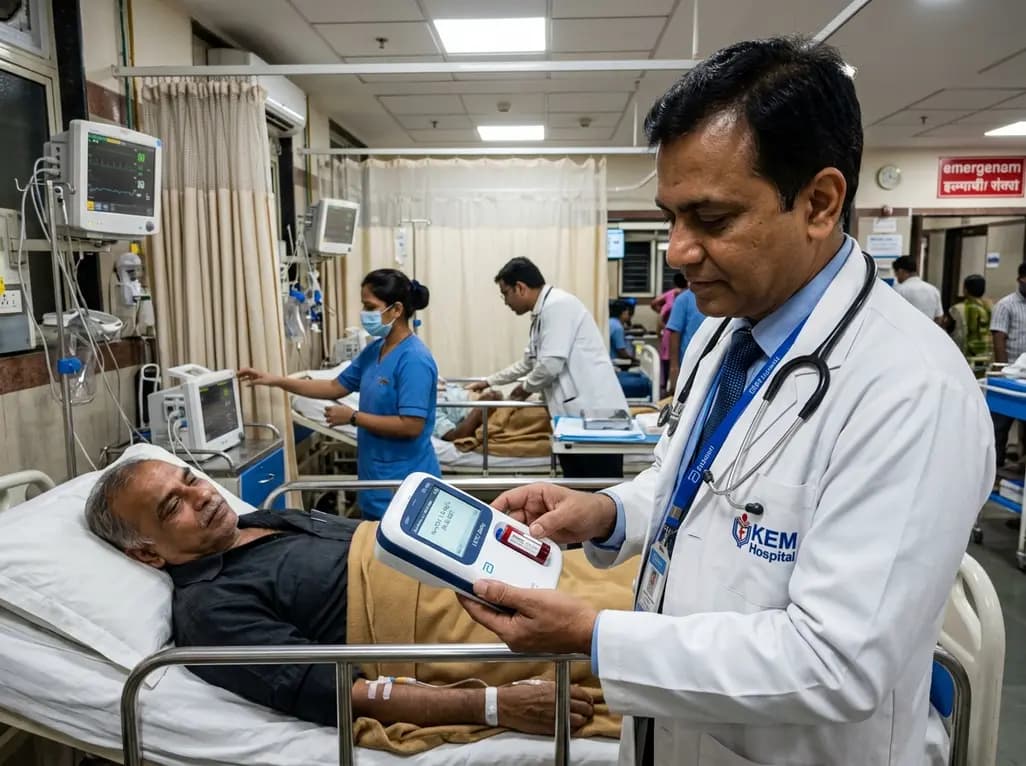
A real-world emergency department evaluation demonstrates that the Abbott i-STAT Alinity point-of-care high-sensitivity troponin I assay achieves excellent analytical precision and safely rules out myocardial infarction without false negatives, offering rapid bedside results to decongest acute care pathways.
Today
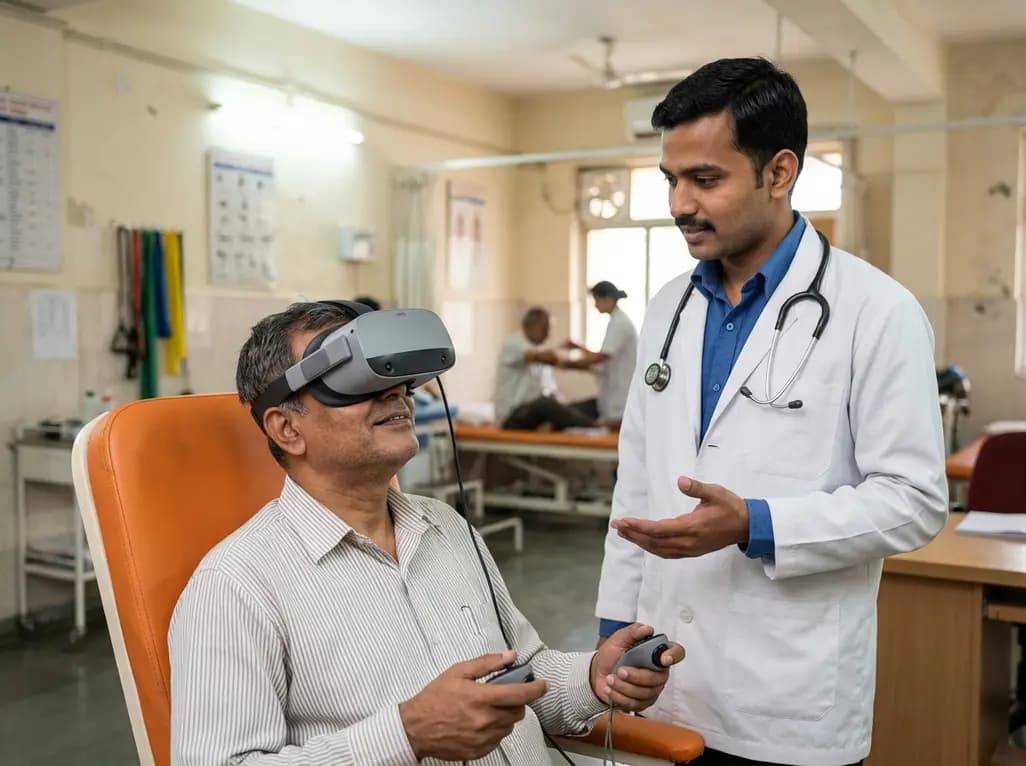
A recent scoping review highlights the efficacy, usability, and patient satisfaction of virtual reality pain management for chronic musculoskeletal pain, emphasizing psychotherapy-based VR protocols.
Today

A cross-sectional study in Nepal evaluates cardiovascular risk factors among adults working above 4,000 meters. The findings reveal unexpected rates of diabetes, hypertension, and mountain sickness, underscoring the urgent need for targeted cardiometabolic screening in high-altitude occupational cohorts.
Today
