.webp&w=384&q=75)

Loading, please wait...
Loading, please wait...

Managing chronic rhinosinusitis with nasal polyps (CRSwNP) presents significant challenges for clinicians across India. While systemic steroids offer quick symptom relief, long-term safety remains a critical concern. Therefore, understanding oral corticosteroid adverse events is essential for optimizing patient outcomes and minimizing harm. This knowledge helps physicians transition from reactive treatments to proactive, safer management strategies.
A recent nationwide study investigated the link between steroid exposure and systemic complications in adults with CRSwNP. Specifically, researchers analyzed data from 2010 to 2023 to identify patterns of health risks. They quantified exposure using annual duration, cumulative dosage, and frequency of use. Consequently, the findings provide a clearer picture of the risks associated with repeated steroid courses in chronic care.
The results showed a direct correlation between high intensity and adverse outcomes. For instance, patients using steroids for over 90 days annually faced a significantly higher risk of systemic morbidity. Moreover, high cumulative doses often led to serious complications such as osteoporosis and diabetes. These findings highlight the importance of adopting steroid-sparing strategies in routine clinical practice.
Clinicians must actively monitor patients who require frequent steroid therapy to detect early signs of toxicity. Furthermore, early transition to alternative treatments, such as biologics, can reduce the total burden of systemic steroids. Additionally, experts suggest using the lowest effective dose for the shortest possible duration. This approach helps mitigate long-term systemic risks while maintaining effective disease control for the patient.
In contrast to traditional management, modern guidelines advocate for a multidisciplinary approach to CRSwNP. For example, collaborating with endocrinologists can help manage bone health and glucose levels in high-risk individuals. Therefore, healthcare providers should balance immediate symptom relief with the long-term potential for permanent systemic damage. Prioritizing patient safety ensures better quality of life and fewer medication-related complications.
Common events include metabolic issues like diabetes, bone loss leading to osteoporosis, and cardiovascular risks such as hypertension. Long-term use may also cause eye problems like cataracts or glaucoma.
The study suggests that exposure exceeding 30 to 90 days per year significantly increases the risk of systemic complications. Consequently, doctors should consider alternative therapies for patients requiring frequent or high-dose courses.
Biologic therapies targeting type 2 inflammation are effective alternatives that reduce steroid reliance. Additionally, optimized surgical interventions can reduce the need for repeated oral steroid treatments.
Disclaimer: This content is for informational and educational purposes only. It does not constitute medical advice or establish a doctor-patient relationship. Refer to the latest local and national guidelines for clinical practice.
References
Moon S et al. Oral Corticosteroids and Adverse Events in Chronic Rhinosinusitis With Nasal Polyps. JAMA Otolaryngol Head Neck Surg. 2026 Jun 04. doi: 10.1001/jamaoto.2026.1188. PMID: 42241008.
Fokkens WJ et al. European Position Paper on Rhinosinusitis and Nasal Polyps 2020. Rhinology. 2020;58(Suppl S29):1-464.
Gupta V et al. Therapeutic Efficacy of Oral Corticosteroids in Chronic Rhinosinusitis with Nasal Polyposis: A Prospective Evaluation in an Indian Cohort. Indian J Otolaryngol Head Neck Surg. 2025. doi: 10.1007/s12070-025-06059-2.

Read summarized clinical updates, watch expert medical content, and earn CME certifications right from your smartphone.
Open your smartphone camera to scan and install.





A nationwide study quantifies the link between oral corticosteroid exposure and systemic adverse events in patients with nasal polyps....
4 months ago
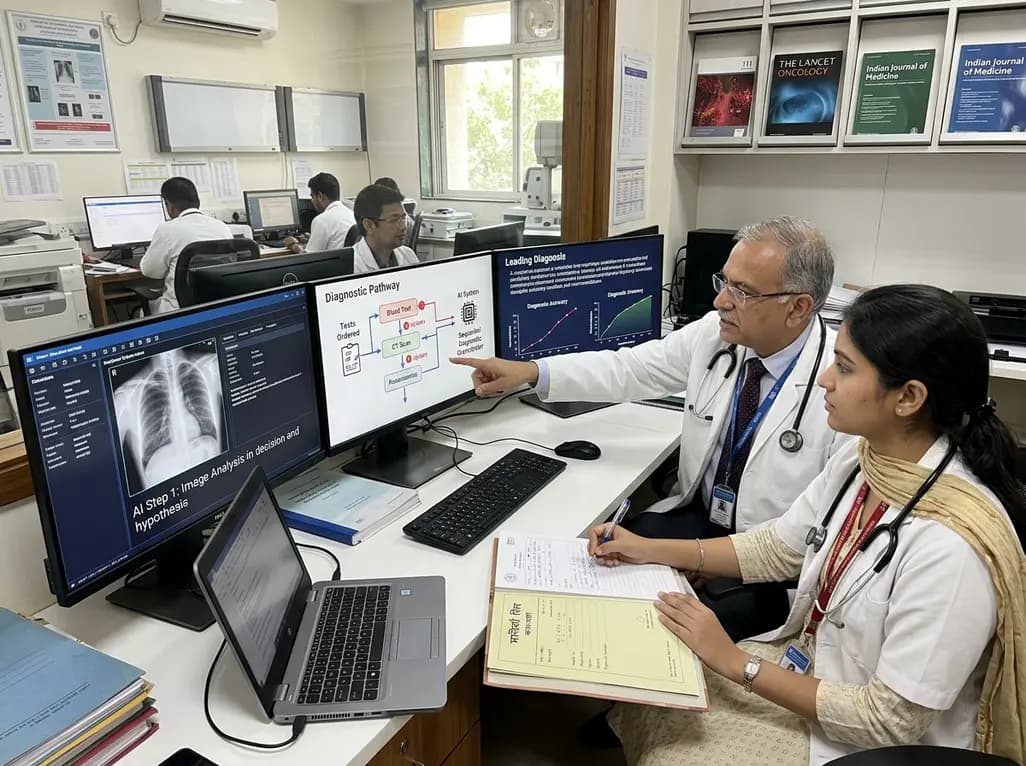
A breakthrough peer-reviewed study demonstrates that a sequential AI diagnosis system can mirror real-world clinical reasoning. By ordering stepwise tests and updating hypotheses dynamically, this multi-agent orchestrator achieved superior diagnostic accuracy while reducing investigative costs.
Today

A prenatal case highlights severe glutaric acidemia type II presenting as bilateral hyperechoic cystic kidneys at 18 weeks. Whole-exome sequencing revealed a novel homozygous ETFDH frameshift variant, demonstrating the power of rapid genetic testing in fetal renal anomalies.
Today

Review how tailored exercise programs benefit frail older patients with heart failure. Explore pathophysiological mechanisms, individualized training prescriptions, and strategies to overcome adherence barriers in clinical practice.
Yesterday

This comparative study evaluates posterior labral tears with and without glenohumeral instability, highlighting distinct demographic patterns, MRI underestimation in stable shoulders, and successful arthroscopic repair outcomes.
Yesterday

A clinical study demonstrates that early intervention with tocilizumab, either as monotherapy or bridged with corticosteroids, achieves significant proptosis reduction and resolves active inflammation in treatment-naive thyroid eye disease.
Yesterday
