.webp&w=384&q=75)

Loading, please wait...
Loading, please wait...

Congenital malformations of the anterior visual pathways frequently herald broader central nervous system anomalies. Optic nerve hypoplasia represents an underdevelopment of the optic nerve axons, whereas septo-optic dysplasia, historically known as de Morsier syndrome, encompasses a classic developmental triad consisting of optic nerve hypoplasia, pituitary hormone dysfunction, and midline intracranial abnormalities such as absence of the septum pellucidum. Because clinical presentations vary widely across patients, clinicians often encounter diagnostic challenges when identifying the breadth of associated systemic impairments. Consequently, comprehensive epidemiological data are vital to determine disease trajectories and optimize therapeutic management.
Optic nerve hypoplasia occurs along a wide continuum of structural severity. In many patients, the condition presents in isolation; however, it frequently emerges as a pivotal feature of septo-optic dysplasia. This complex congenital disorder affects early embryological development of forebrain structures. Although clinicians traditionally require at least two of the three classic triad features for diagnosis, systemic involvement often extends far beyond visual and pituitary pathology. Genetic mutations involving transcription factors such as HESX1, SOX2, and OTX2 explain a minority of cases, yet most instances occur sporadically without an identifiable hereditary pattern.
To characterize the complete spectrum of associated health challenges, investigators conducted a rigorous population-based, case-control study in Manitoba, Canada. The study tracked 124 patients diagnosed with these conditions over three decades and compared them with 620 matched unrelated controls and 76 sibling controls. By using comprehensive administrative health records, the researchers systematically quantified both core organ-specific morbidities and distant neurodevelopmental comorbidities, providing physicians with reliable prognostic parameters.
The investigation demonstrated that visual impairment represents the primary morbidity directly attributable to optic nerve hypoplasia. Affected individuals exhibited a dramatic increase in visual disability compared to matched population controls, displaying an odds ratio of 58.6. Visual deficits range from mild acuity loss to profound congenital blindness, frequently presenting alongside searching nystagmus and strabismus during early infancy. Therefore, early neuro-ophthalmological assessment remains critical to preserve residual vision and initiate sensory rehabilitation without delay.
Furthermore, when optic hypoplasia coexists with midline structural defects, endocrine vulnerability escalates substantially. In patients with septo-optic dysplasia, the odds of experiencing combined visual impairment and hypopituitarism reached an astonishing 243.4 compared to unrelated controls. Hypothalamic-pituitary axis dysfunction often manifests as growth hormone deficiency, central hypothyroidism, diabetes insipidus, or adrenocorticotropic hormone deficiency. Because unrecognized adrenal insufficiency poses an immediate life-threatening risk during physiologic stress, clinicians must implement baseline and longitudinal endocrine screening for all diagnosed infants.
Beyond sensory and hormonal deficits, the population-based study revealed extensive central neurodevelopmental burdens. Children with these diagnoses demonstrated significantly higher rates of developmental delay and intellectual disability, with an estimated odds ratio of 6.9 relative to unrelated peers. Cognitive impairments frequently affect language acquisition, motor milestone progression, and adaptive functioning, requiring structured early intervention services to support baseline learning capacity.
In addition, autism spectrum disorder occurred four times more frequently in affected individuals than in general population controls, showing an odds ratio of 4.0. Sibling-matched comparisons corroborated these neurodevelopmental findings, proving that underlying forebrain dysgenesis drives the cognitive alterations rather than shared familial or environmental factors. Consequently, pediatricians must regularly administer standardized developmental screening tools during routine clinical reviews to detect neurobehavioral differences promptly.
Structural malformations of the forebrain directly predispose children to severe neurological complications. The Canadian cohort analysis identified epilepsy as a prominent comorbidity, yielding an odds ratio of 14.9 compared to unrelated controls. Seizure manifestations may appear during early infancy or emerge later in childhood, frequently presenting as focal seizures with secondary generalization or epileptic spasms that require specialized anticonvulsant regimens.
Similarly, the study highlighted a striking association with cerebral palsy, which showed an odds ratio of 40.9 among affected patients. Cortical dysplasias, schizencephaly, and white matter abnormalities often accompany midline defects, precipitating spasticity, dystonia, and significant motor limitations. As a result, pediatric neurologists and physiotherapists should establish collaborative care models early to optimize motor function, prevent joint contractures, and manage tone effectively.
The investigation also evaluated psychiatric outcomes, identifying a moderate increase in mood and anxiety disorders among affected individuals compared to unrelated population controls, with an odds ratio of 1.7. Chronic visual impairment, hormonal dysregulation, and persistent central nervous system involvement likely contribute to higher emotional distress, social isolation, and affective vulnerability during adolescence and early adulthood.
Interestingly, sibling-matched comparisons did not demonstrate a statistically significant elevation in mood and anxiety disorders. This specific finding suggests that familial dynamics, home environments, and shared socioeconomic circumstances may influence affective health alongside congenital organic factors. Nonetheless, mental health professionals and primary care physicians should proactively evaluate psychological well-being, providing behavioral therapy and supportive counseling tailored to visually impaired youth.
The findings from this robust population-based study emphasize that optic nerve hypoplasia and associated midline dysplasias represent multi-system disorders rather than isolated ophthalmic conditions. Early detection of an underdeveloped optic disc must immediately prompt cerebral magnetic resonance imaging and baseline hormonal profiling. Because endocrine deficits may develop insidiously over several years, ongoing biochemical surveillance remains mandatory throughout growth and puberty.
Moreover, coordinated multidisciplinary care delivers the best developmental outcomes for affected patients. A comprehensive management team should unite pediatricians, pediatric endocrinologists, ophthalmologists, neurologists, occupational therapists, and mental health specialists. By anticipating potential comorbidities such as epilepsy, intellectual disability, and mood disorders, clinicians can institute preemptive therapies that mitigate disability and enhance overall quality of life across the patient lifespan.
Isolated optic nerve hypoplasia involves congenital underdevelopment restricted to the optic nerves without other brain defects. In contrast, septo-optic dysplasia requires at least two features of a classic triad: optic nerve hypoplasia, pituitary hormonal dysfunction, and midline intracranial abnormalities, such as absence of the septum pellucidum or corpus callosum dysgenesis.
Endocrine abnormalities affect a significant proportion of patients, with the study demonstrating an odds ratio of 243.4 for combined visual and pituitary dysfunction. Deficiencies in growth hormone, thyroid-stimulating hormone, adrenocorticotropin, and antidiuretic hormone commonly manifest, requiring lifelong surveillance because hormonal deficits frequently evolve over time.
Clinicians should perform high-resolution neuroimaging to evaluate intracranial anatomy, alongside complete baseline pituitary hormone testing. Longitudinal surveillance requires ongoing endocrine assessments, serial visual acuity examinations, developmental milestone tracking, and routine neurological evaluations to detect emerging seizures, motor impairments, or cognitive delays promptly.
Disclaimer: This content is for informational and educational purposes only and should not be considered medical advice. Always consult a qualified healthcare professional regarding any medical condition or treatment. Refer to the latest local and national guidelines for clinical practice.
References

Read summarized clinical updates, watch expert medical content, and earn CME certifications right from your smartphone.
Open your smartphone camera to scan and install.





A landmark population-based study clarifies the extensive spectrum of morbidities and comorbidities associated with optic nerve hypoplasia and septo-optic dysplasia, emphasizing the urgent need for early multi-system screening, neurological surveillance, and coordinated multidisciplinary care.
last month

A secondary analysis of an HIV cure-related trial in South Africa highlights the acceptability and safety of serial excisional lymph node and gut biopsies among young women. Clear communication, empathetic care, and altruistic motives helped mitigate initial apprehension and sustain longitudinal trial engagement.
Today

Explore the crucial link between dietary protein and immunocompetence. This review examines how low-protein nutrition shifts metabolic resources away from pathogen defense toward early reproduction, compromising host survival and immunity against severe bacterial infections.
Today
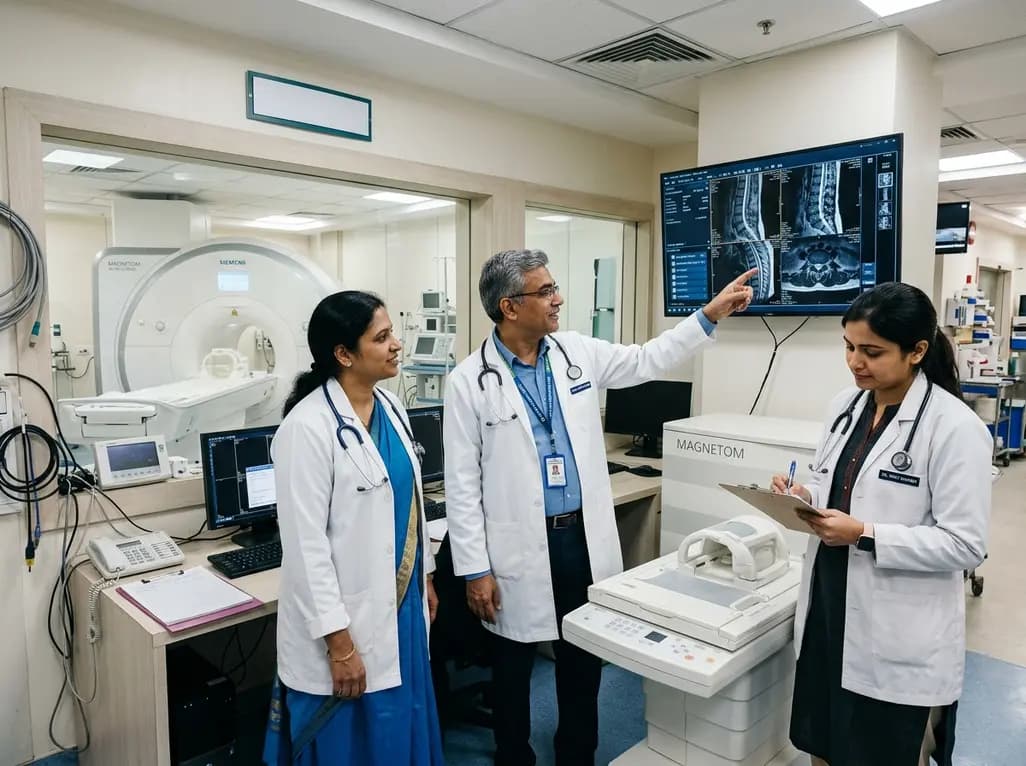
Under India's PLI initiative, domestic production of 57 critical medical devices has commenced, including MRI and CT scanners, cath labs, and heart valves. Global partnerships and local investments are expanding high-end technology, curbing import reliance, and strengthening clinical accessibility nationwide.
Today
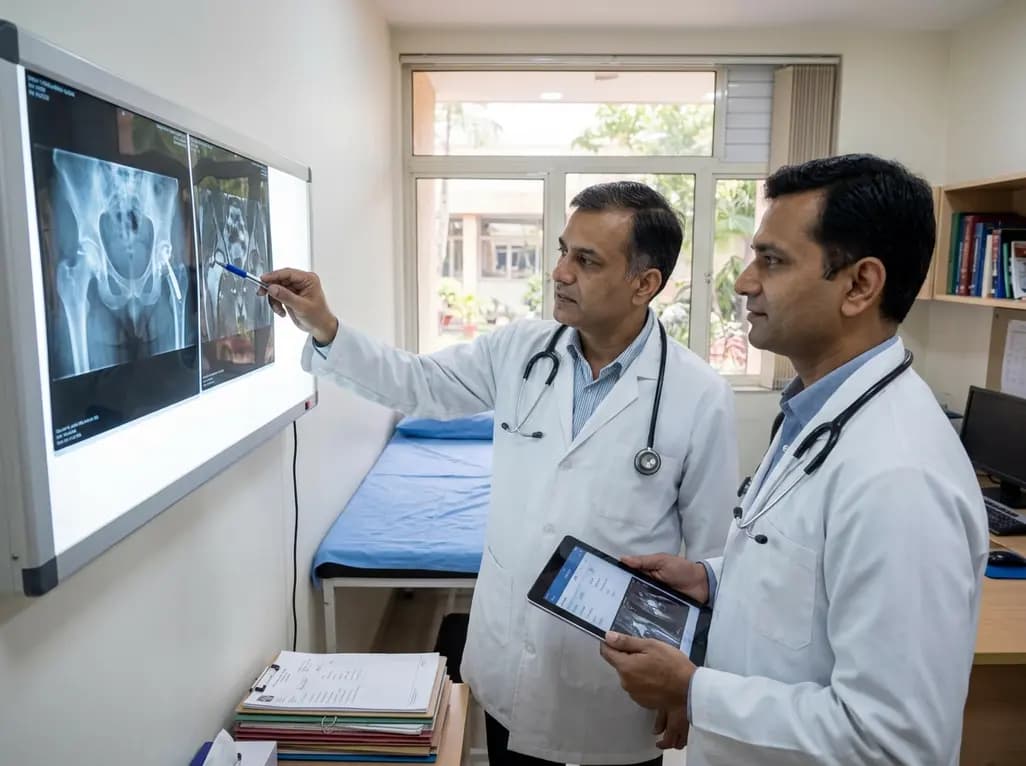
A longitudinal study reveals that patients undergoing staged bilateral hip arthroscopy experience progressive contralateral labral deterioration during surgical intervals. However, structural degradation does not compromise 2-year postoperative clinical outcomes or patient-reported satisfaction scores.
Today

New immunological research reveals how PTPN22 forms a delayed inhibitory signaling complex to restrain T cell activation, explaining how the autoimmune-linked R620W variant disrupts feedback control and promotes persistent inflammation in conditions like rheumatoid arthritis and type 1 diabetes.
Today
