.webp&w=384&q=75)

Loading, please wait...
Loading, please wait...

Eradicating human immunodeficiency virus (HIV) remains a critical objective of modern medicine. Although antiretroviral therapy suppresses systemic plasma viremia, the virus persists inside hidden anatomical reservoirs. Consequently, scientists investigating HIV cure research biopsies must evaluate tissue compartments directly to measure viral clearance. However, repeated tissue sampling raises significant procedural and ethical questions regarding patient safety, tolerability, and longitudinal adherence.
Antiretroviral therapy suppresses peripheral viremia, yet viral reservoirs endure within resting CD4+ T cells. Specifically, latent HIV concentrates within secondary lymphoid organs, gut-associated lymphoid tissue, and pulmonary structures. Therefore, peripheral blood sampling alone cannot quantify total reservoir eradication. Clinical researchers require direct tissue biopsies to analyze reservoir size, viral rebound dynamics, and host immunologic responses.
Furthermore, Phase 2A interventional studies increasingly combine novel pharmacological agents with analytical treatment interruptions. These pauses evaluate whether experimental regimens maintain sustained viral remission without daily antiretrovirals. However, monitoring viral persistence during these treatment interruptions necessitates sequential tissue sampling. Clinicians must collect longitudinal lymph node specimens and gut mucosal biopsies across pre-specified trial milestones.
Because these procedures carry inherent physical and psychological burdens, investigators must balance scientific objectives against participant safety. Repeated tissue sampling introduces legitimate apprehension regarding procedural pain, wound complications, and prolonged recovery times. Therefore, evaluating participant perceptions becomes vital for both scientific progress and robust bioethics. Understanding volunteer perspectives allows trialists to optimize clinical workflows while safeguarding patient welfare.
A recent qualitative study in Durban, South Africa, examined how young women experienced serial biopsies during a Phase 2A HIV cure trial. The primary trial, registered as NCT05281510, incorporated an analytical treatment interruption to assess curative immunotherapies. Researchers conducted in-depth interviews with nineteen enrolled women at trial initiation and immediately prior to treatment interruption.
During the trial, each participant underwent excisional lymph node biopsy between one and three times. Additionally, participants completed endoscopic gut biopsies up to three times. Overall, the qualitative analysis showed that participants found serial tissue collection acceptable despite procedural discomfort.
Specifically, most women described lymph node excision as essentially painless because surgeons administered effective local anesthesia. However, several individuals noted mild postoperative itching and slow wound healing. In contrast, gut biopsies caused transient abdominal pressure and bloating rather than sharp pain. Importantly, procedural complications remained remarkably rare, with only one adverse event documented across forty-eight lymph node excisions. Therefore, clinicians can conclude that serial biopsies remain safe when skilled multidisciplinary teams perform them under standardized protocols.
Understanding why individuals consent to invasive scientific sampling remains essential for trial design. Notably, participants in the Durban cohort cited scientific curiosity and profound altruism as primary motivators. Many women expressed a strong desire to advance medical knowledge for future generations, including their own children.
Furthermore, participants reported substantial apprehension prior to their first biopsy procedure. Many volunteers anticipated severe surgical pain or feared disfiguring surgical scars. However, comprehensive pre-procedural counseling actively transformed this initial fear into operational confidence. Research staff demystified surgical steps, answered clinical questions, and explicitly acknowledged participant bravery.
Consequently, this clinical validation empowered volunteers and reinforced their dedication to the investigative study. While financial stipends compensated participants for transit and lost time, economic incentives did not drive study retention. Instead, shared human connection and altruistic goals sustained participation across multiple invasive visits. Thus, research teams must recognize that psychological resilience relies on purposeful engagement. When investigators respect volunteers as true partners, participants navigate procedural stress with greater confidence.
The Durban findings offer actionable takeaways for clinical teams conducting interventional trials in resource-limited environments. First, participant-centered clinical care requires transparent, proactive communication in the volunteer's primary language. Clear explanations reduce preoperative dread and prevent unnecessary study discontinuations.
Second, clinical staff must establish continuous emotional support across every stage of the intervention. For example, nursing teams at the research site debriefed participants following procedures and provided timely telephone follow-up. This active post-procedural surveillance quickly resolved participant concerns regarding incision healing and mild abdominal symptoms.
Moreover, institutional teams should minimize practical barriers for study volunteers. Flexible appointment schedules, dedicated wound care clinics, and empathetic staff significantly improve procedural adherence. Clinicians must also provide safe spaces where participants can voice anxieties freely without feeling pressured.
Ultimately, these supportive interventions transform invasive research into an empowering collaborative effort. When clinical teams prioritize respectful communication, they build deep trust that strengthens trial retention. Therefore, participant-centered methodologies must become an essential standard across all cure-focused protocols.
These socio-behavioral insights offer valuable guidance for infectious disease specialists and clinical investigators globally, including researchers in India. India manages a significant HIV population, and national institutions increasingly contribute to multinational research consortia. As translational research advances toward curative interventions, Indian researchers will inevitably encounter invasive reservoir sampling protocols.
Importantly, these findings challenge assumptions that volunteers in low-resource settings will categorically reject serial biopsies. When researchers maintain rigorous ethical oversight and empathetic care, participants demonstrate high acceptability and procedural tolerance. However, trialists must address regional stigmas, distinct cultural contexts, and language barriers through tailored counseling programs.
Furthermore, multidisciplinary collaboration between infectious disease physicians, surgeons, and counselors ensures outstanding safety profiles. By actively monitoring adverse events and gathering qualitative feedback, clinical sites can refine operative workflows continuously. Thus, integrating socio-behavioral science alongside biological assays improves trial designs worldwide. Prioritizing participant comfort directly enhances data integrity and accelerates the global search for an HIV cure.
Tissue biopsies are essential because latent HIV persists primarily within anatomical reservoirs like lymph nodes and gut mucosa rather than peripheral blood. Standard blood tests cannot quantify this hidden viral pool accurately. Consequently, serial tissue biopsies allow investigators to evaluate directly whether novel therapeutic interventions eliminate dormant reservoirs or prevent viral rebound. This crucial direct tissue sampling provides vital mechanistic data that peripheral blood analyses simply cannot replicate.
Participants undergoing lymph node excision generally report minimal operative pain due to effective local anesthesia, although some individuals develop mild postoperative itching and delayed wound healing. Meanwhile, gut mucosal biopsies typically cause transient abdominal pressure, mild cramping, and temporary bloating rather than sharp pain. Overall, serious adverse events remain rare when trained clinical teams perform these standardized procedures in sterile, properly equipped hospital environments.
Clinical teams improve adherence by establishing transparent, culturally appropriate communication and prioritizing participant comfort. First, staff should provide thorough pre-procedural counseling that addresses specific physical fears and procedural expectations. Second, clinicians must deliver attentive postoperative wound management and continuous psychological reassurance. Recognizing volunteer contributions and fostering mutual trust transforms clinical participation into a collaborative, dignified partnership that significantly reduces anxiety and encourages sustained trial retention.
Disclaimer: This content is for informational and educational purposes only, and does not constitute medical advice, diagnosis, or treatment. It does not establish a doctor-patient relationship and should not replace professional clinical judgment. Consult a qualified healthcare professional before making any healthcare decisions. While based on current research, medicine constantly evolves, and accuracy cannot be guaranteed. The authors and publishers are not liable for any actions taken based on this content. Refer to the latest local and national guidelines for clinical practice.
References
Ngcobo MW et al. Socio-Behavioral Research Experiences and Acceptability of Serial Lymph Node and Gut Biopsies Among Young Women Enrolled in an HIV Cure-Related Trial in Durban, South Africa. AIDS Res Hum Retroviruses. 2026 Sep 25. doi: 10.1177/08892229261491477. PMID: 42786973.
Mehraj V, Ghali P, Ramendra R, et al. The evaluation of risk-benefit ratio for gut tissue sampling in HIV cure research. AIDS Res Hum Retroviruses. 2017;33(S1):S92-S102.
Dubé K, Kanazawa J, Taylor J, et al. Participant experiences in a combination HIV cure-related trial with extended analytical treatment interruption in San Francisco, United States. HIV Res Clin Pract. 2024;25(1):2315187.

Read summarized clinical updates, watch expert medical content, and earn CME certifications right from your smartphone.
Open your smartphone camera to scan and install.





A secondary analysis of an HIV cure-related trial in South Africa highlights the acceptability and safety of serial excisional lymph node and gut biopsies among young women. Clear communication, empathetic care, and altruistic motives helped mitigate initial apprehension and sustain longitudinal trial engagement.
Today
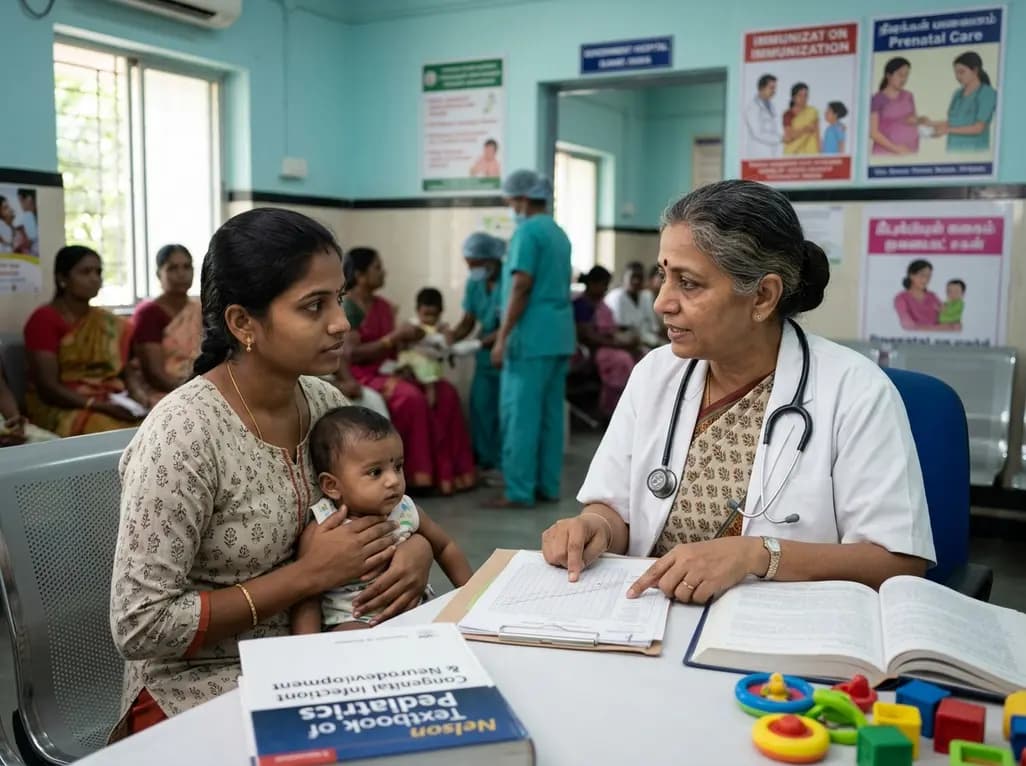
A nationwide study covering 3.7 million Swedish births reveals that prenatal exposure to TORCH pathogens significantly elevates long-term risks of intellectual disability and autism. Healthcare providers must recognize clinical indicators, promote prenatal prevention, and track early pediatric neurodevelopment.
Today
Under India's PLI initiative, domestic production of 57 critical medical devices has commenced, including MRI and CT scanners, cath labs, and heart valves. Global partnerships and local investments are expanding high-end technology, curbing import reliance, and strengthening clinical accessibility nationwide.
Today
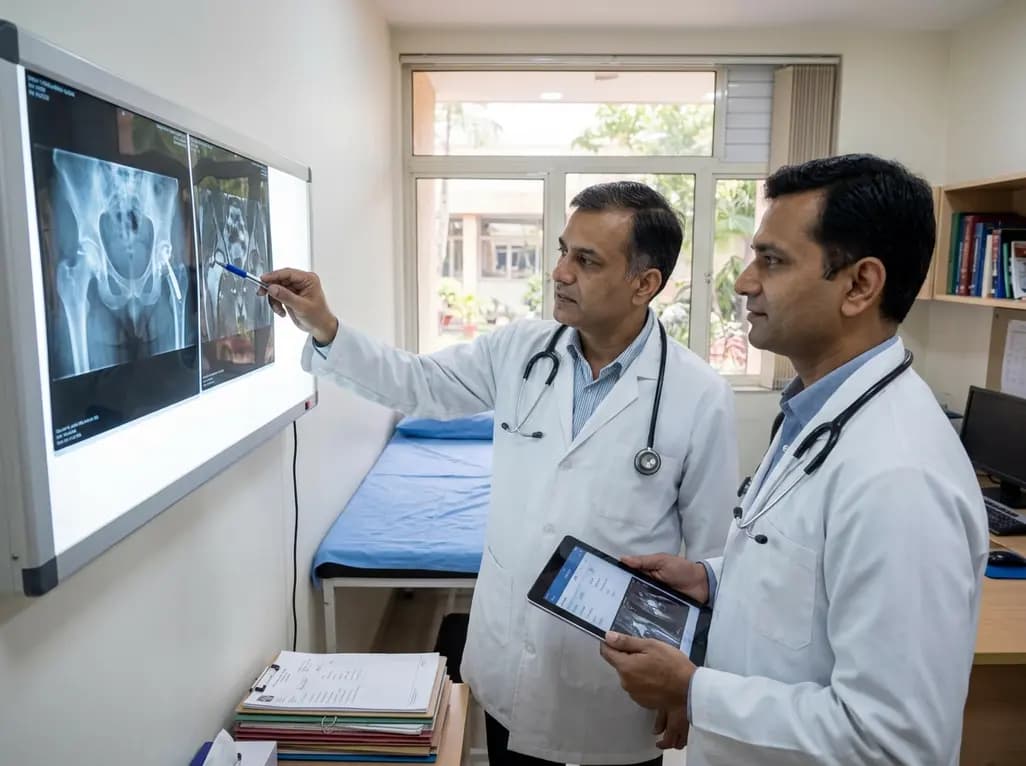
A longitudinal study reveals that patients undergoing staged bilateral hip arthroscopy experience progressive contralateral labral deterioration during surgical intervals. However, structural degradation does not compromise 2-year postoperative clinical outcomes or patient-reported satisfaction scores.
Today
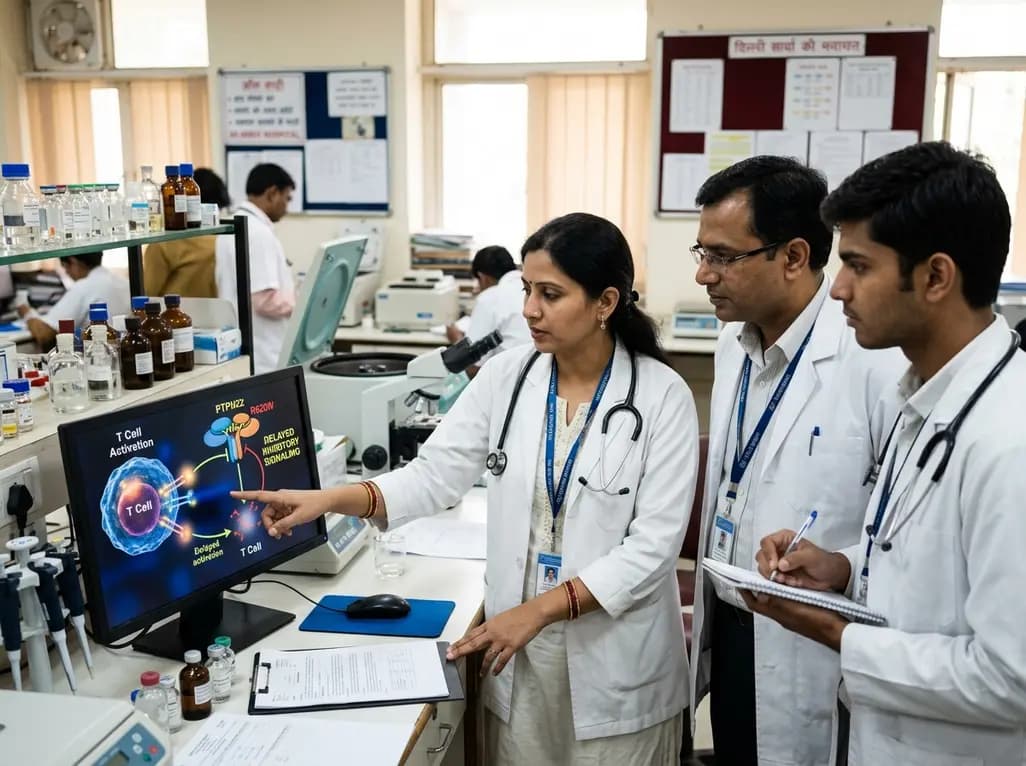
New immunological research reveals how PTPN22 forms a delayed inhibitory signaling complex to restrain T cell activation, explaining how the autoimmune-linked R620W variant disrupts feedback control and promotes persistent inflammation in conditions like rheumatoid arthritis and type 1 diabetes.
Today
