

Loading, please wait...
Loading, please wait...

The surgical management of genitourinary malignancies has undergone a dramatic transformation over the past twenty years. Historically, traditional open techniques served as the unquestioned standard of care for oncologic resections. However, minimally invasive approaches have fundamentally revolutionized modern surgical practice. Today, advanced robotic platforms dominate procedural schedules across major academic medical centers and private hospital networks. Consequently, exposure to open surgery in urology has plummeted to unprecedented historic lows in contemporary training environments.
This rapid technological shift provides meaningful clinical benefits for surgical oncology patients. Specifically, minimally invasive methods consistently reduce perioperative blood loss, lower wound complication rates, and shorten hospital stays. Furthermore, stereoscopic three-dimensional visualization enables precise dissection within challenging anatomical planes. Because patients and surgical teams favor these clear recovery advantages, robotic platforms now handle the vast majority of pelvic and retroperitoneal tumors. Nevertheless, this rapid displacement creates unintended consequences for surgical education. As open cases become increasingly scarce, training programs face urgent questions regarding how to maintain technical competency among junior surgeons.
A recent comprehensive study provides definitive empirical evidence of this surgical transition. Researchers meticulously analyzed operative logs submitted by American Board of Urology examinees between 2000 and 2023. The investigators evaluated 54,972 major urologic oncologic procedures spanning five primary operations. These operations included radical nephrectomy, partial nephrectomy, radical nephroureterectomy, radical prostatectomy, and radical adrenalectomy. Overall, minimally invasive approaches accounted for 77% of all recorded cases, whereas open techniques represented only 23% across the entire multi-decade timeline.
More importantly, longitudinal analysis uncovered a staggering decline in open case volume. Overall procedural volume surged more than tenfold between the 2003-2005 window and the 2021-2023 cohort. In contrast, the relative share of open operations collapsed from 75% down to just 9.9%. Notably, this downward trajectory occurred across every single operative category examined in the dataset. Radical prostatectomy demonstrated the earliest and most complete robotic dominance. Meanwhile, partial nephrectomy and radical nephrectomy followed similar trajectories toward minimally invasive technology. Therefore, open surgery now represents a distinct statistical minority in contemporary urologic oncology.
Beyond broad national trends, the investigation identified notable surgeon-specific determinants governing approach selection. Demographic variables including surgeon age, gender, certification status, and specialized fellowship training significantly influenced surgical selection. For example, fellowship-trained urologic oncologists and minimally invasive specialists performed significantly higher proportions of robotic cases than non-fellowship colleagues. Conversely, senior clinicians who completed residency prior to the widespread commercialization of surgical robots maintained higher baseline proportions of open surgery.
In addition, the researchers observed significant geographic variation across different territories of the United States. Specifically, the Southeast region logged the highest relative proportion of open surgical procedures throughout the study timeframe. Conversely, institutions in the Northeast and West demonstrated earlier adoption and higher sustained penetration of robotic interventions. These geographic differences likely stem from disparities in hospital capital funding, private payer reimbursement patterns, and local robotic access. Furthermore, rural healthcare systems often experience delayed robotic acquisition compared to well-funded urban academic networks. Consequently, a resident surgeon's operative exposure depends heavily on the geographic location and institutional resources of their training program.
Although the transition toward robotic platforms delivers undeniable clinical benefits, it introduces profound educational vulnerabilities. Surgeons inevitably encounter challenging anatomical scenarios where minimally invasive approaches prove dangerous or technically impossible. For example, locally advanced renal cell carcinomas with vena caval tumor thrombi demand extensive retroperitoneal exposure and vascular control. Similarly, salvage radical prostatectomies following high-dose radiation require nuanced manual palpation and delicate tissue plane separation. Severe peritoneal adhesions from previous surgeries also frequently necessitate open laparotomy.
Unfortunately, contemporary surgical trainees complete residency with drastically diminished open case volume. As a result, junior surgeons often lack intuitive familiarity with manual tissue handling, large-vessel mobilization, and rapid open vascular clamping. Furthermore, catastrophic intraoperative events require immediate open conversion. If an uncontrollable vascular injury occurs during robotic dissection, the console operator must rapidly transition to open emergency control. Managing such terrifying intraoperative crises requires absolute confidence in open surgical anatomy and manual instrument handling. If surgical trainees graduate without sufficient open operative experience, their ability to navigate complex surgical emergencies safely becomes severely compromised.
To address this critical educational gap, urological training programs must implement proactive, structured educational reforms. Academic department leaders cannot rely on passive clinical exposure to impart open surgical proficiency. Instead, residency programs should establish dedicated clinical rotations that intentionally prioritize complex open oncologic resections. For example, pairing trainees with specialized surgical oncologists during complex retroperitoneal lymph node dissections guarantees intensive open exposure. In addition, institutions should partner with regional public hospitals to broaden operative case diversity for junior trainees.
Simultaneously, surgical education must incorporate high-fidelity simulation alongside traditional bedside teaching. Advanced cadaveric dissection labs and perfused vascular injury simulators allow trainees to practice open vascular control under realistic pressure. Faculty mentors must also maintain open operative competency themselves to teach these techniques effectively. Globally, and particularly in diverse healthcare environments like India, surgeons encounter diverse institutional settings ranging from high-end robotic theaters to basic open operative suites. Therefore, modern surgical curricula must champion dual-track competency. By deliberately preserving open surgical skills alongside robotic advancement, our profession ensures that future urologic surgeons remain versatile, confident, and equipped for every operative contingency.
Although robotic platforms handle most routine oncology cases, open surgery remains indispensable for complex resections. For example, extensive inferior vena cava tumor thrombi, hostile frozen abdomens, and severe pelvic fibrosis often require open exposure. Furthermore, sudden vascular emergencies or equipment malfunctions require immediate open conversion. Therefore, surgeons must maintain robust open operative skills to guarantee patient safety during unforeseen intraoperative crises.
Residency programs can implement dual-track clinical rotations and structured cadaveric dissection workshops. In addition, simulation centers provide realistic high-fidelity models that mimic major vascular injuries and open pelvic anatomy. Surgical departments should also intentionally route anatomically complex cases to senior residents under experienced open mentorship. Consequently, trainees gain direct tactical experience with tissue planes, haptic feedback, and rapid manual vascular control before independent surgical practice.
Developing nations face considerable cost barriers, because robotic consoles and proprietary instruments require heavy financial investment. Consequently, high-volume government hospitals and rural health centers continue to rely primarily on open surgery for urologic malignancies. While urban quaternary centers rapidly adopt robotics, training programs must balance both approaches. Ultimately, surgical trainees in these regions require dual competency to serve diverse patient populations across variable hospital resource environments.
Disclaimer: This content is for informational and educational purposes only... Refer to the latest local and national guidelines for clinical practice.
References

Read summarized clinical updates, watch expert medical content, and earn CME certifications right from your smartphone.
Open your smartphone camera to scan and install.





Analysis of 24 years of American Board of Urology case logs reveals a steep drop in open urologic oncology surgery from 75% to 9.9%. As robotic procedures expand, surgical educators must address the declining exposure to open surgery to ensure future competency in complex and emergency procedures.
Today
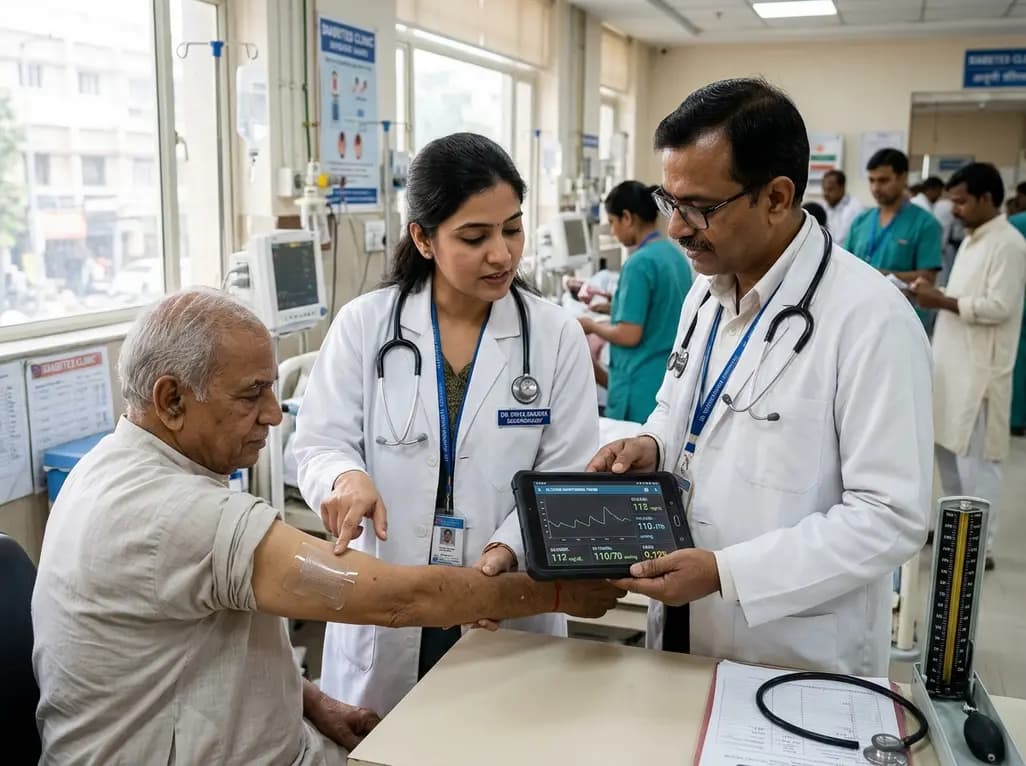
A breakthrough ultrathin multimodal sensor decouples physical hemodynamic monitoring from disposable electrochemical calibration, achieving long-term wearable glucose prediction with 81.36% accuracy and a 9.12% MARD. This offers a robust, drift-free solution for outpatient metabolic surveillance.
Today
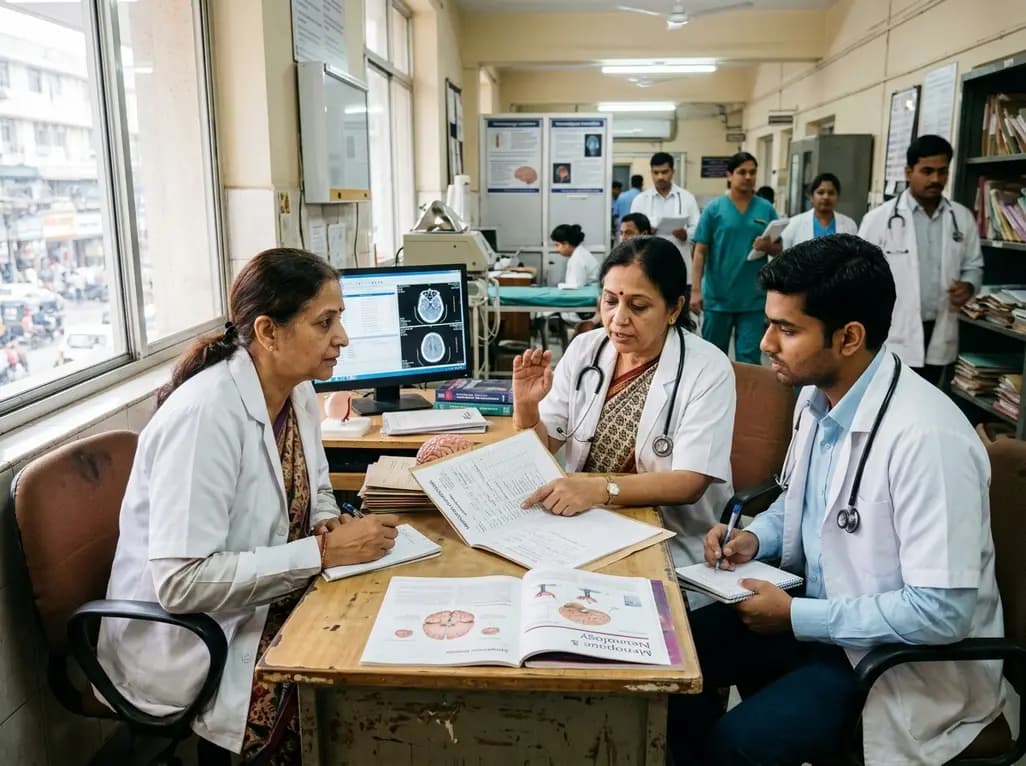
A clinical review of menopause and neurology highlights the neurobiological impacts of midlife hormonal shifts on cognition, epilepsy, migraine, multiple sclerosis, and stroke, emphasizing safe hormone therapy prescribing.
Today
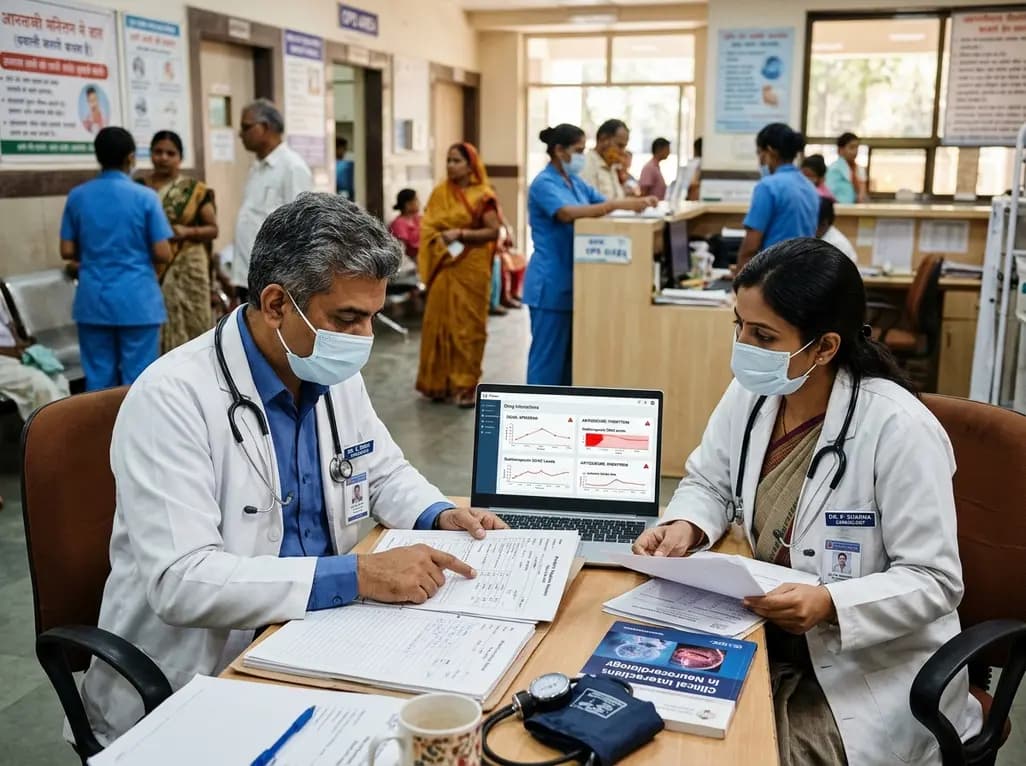
Co-administering antiseizure medications and DOACs frequently causes pharmacokinetic interactions, subtherapeutic drug levels, and thromboembolic failures. This review highlights enzyme induction risks, unpredictable outcomes with levetiracetam, and the vital role of therapeutic drug monitoring.
Today
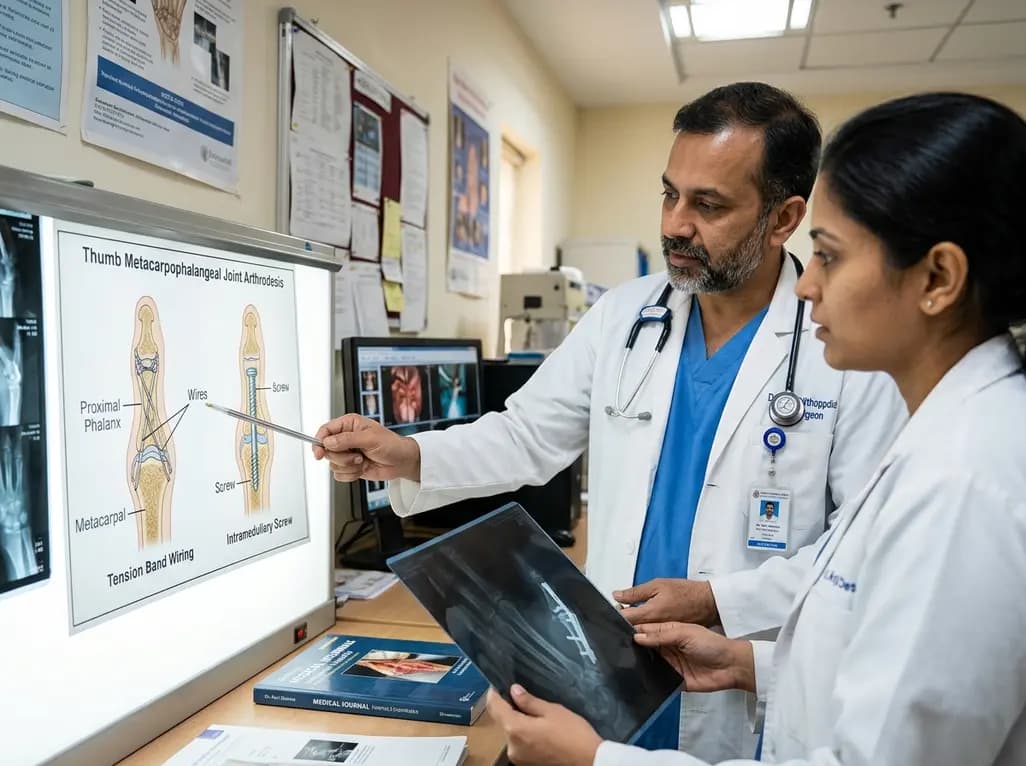
A comparative review of tension band wiring and intramedullary screw fixation in thumb metacarpophalangeal arthrodesis, evaluating union rates, hardware complications, and clinical outcomes.
Today
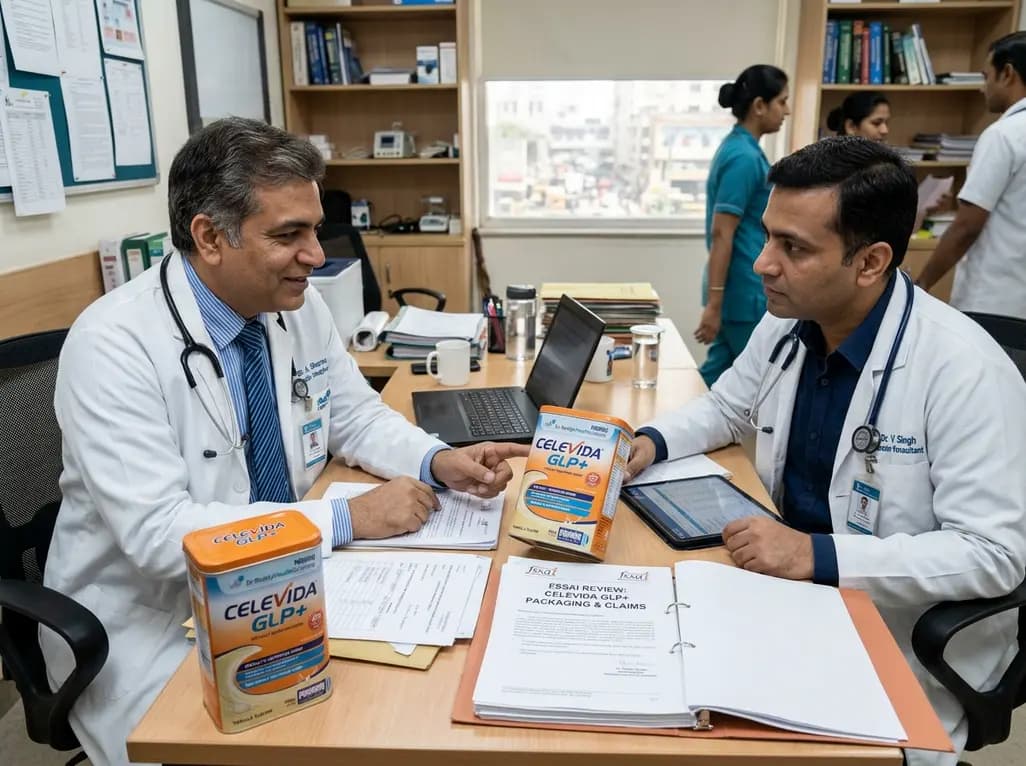
Following regulatory scrutiny from FSSAI regarding promotional representations and lean muscle preservation claims, Dr. Reddy's Laboratories and Nestlé Health Science are currently reviewing the branding and marketing strategy for their joint nutritional supplement Celevida GLP+.
Today
