.webp&w=384&q=75)

Loading, please wait...
Loading, please wait...
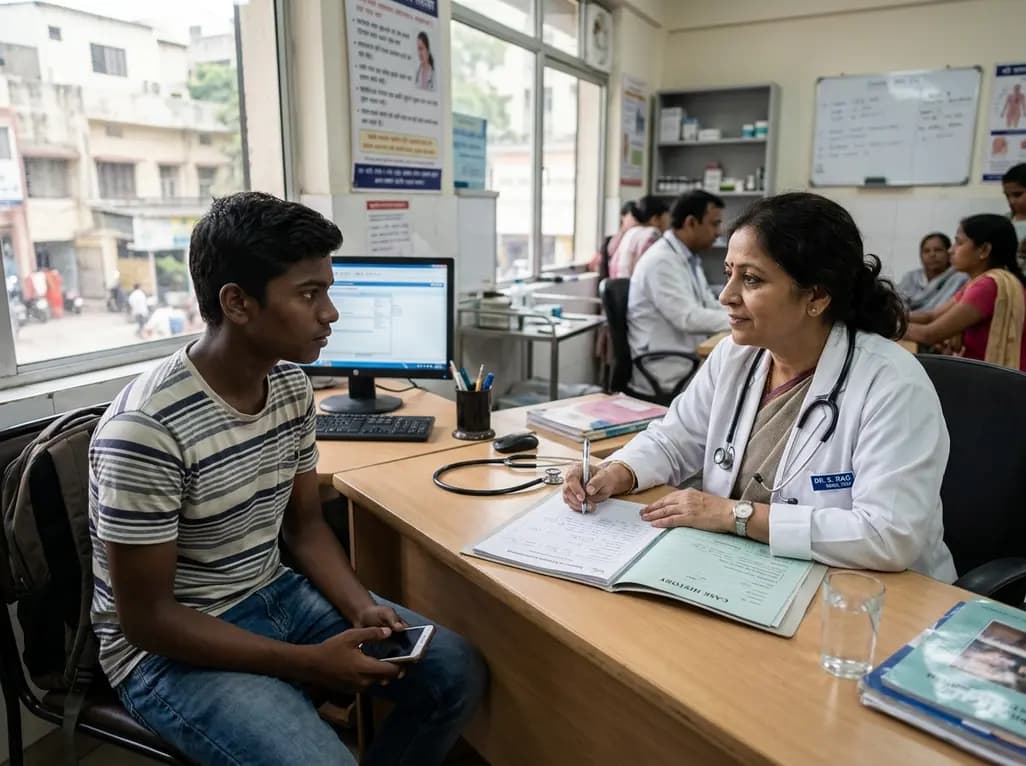
Adolescent digital media consumption has increased dramatically over the past decade, reshaping social development and peer interactions. Consequently, clinicians must recognize that digital environments expose youth to unique psychosocial stressors. Recent epidemiological investigations indicate that between 45% and 94% of young individuals encounter cyber-based discrimination. Crucially, pediatric researchers have identified significant links between online racism and substance use among adolescents. While earlier substance misuse literature focused primarily on direct interpersonal conflicts, modern pediatric practice requires a nuanced understanding of digital stressors. Therefore, healthcare providers must evaluate how virtual hostility influences health-risk behaviors in developing teenagers.
Digital hostility encompasses direct race-based cyberbullying, hate speech, and vicarious exposure to traumatic discriminatory media. When adolescents witness viral videos of racial violence or read derogatory comments on social platforms, they often experience marked psychological strain. Furthermore, contemporary data demonstrate that these virtual exposures produce systemic distress comparable to in-person trauma. Studies investigating online racism and substance use indicate that digital harassment independently correlates with alcohol, nicotine, and illicit drug experimentation. Importantly, this association remains statistically significant even after researchers control for offline discrimination, socioeconomic background, and pre-existing behavioral challenges. Consequently, clinicians cannot view digital encounters as harmless or isolated events. Instead, pediatricians and child psychiatrists must treat virtual discrimination as a substantial environmental determinant of health. Because teenagers spend several hours daily across various digital applications, their cumulative exposure to hostile content can overwhelm developing emotional regulation mechanisms. Thus, evaluating digital exposure becomes essential for comprehensive pediatric risk profiling.
Chronic exposure to discriminatory stress triggers persistent activation of the hypothalamic-pituitary-adrenal axis. As a result, affected youth experience elevated baseline cortisol levels, systemic inflammation, and dysregulated allostatic load. When adolescents encounter persistent hostility online, their developing prefrontal cortex struggles to modulate heightened limbic reactivity. Therefore, many teenagers turn to chemical substances as a maladaptive coping mechanism to numb feelings of despair, alienation, and hyperarousal. In addition, online discrimination frequently exacerbates underlying symptoms of major depression, generalized anxiety, and sleep disturbance. Adolescents experiencing insomnia or severe emotional distress may self-medicate with central nervous system depressants, cannabis, or nicotine vaping products. Moreover, repeated digital hostility erodes academic self-efficacy and weakens school engagement. This academic detachment often propels vulnerable adolescents toward peer groups that endorse risky experimentation. By understanding these psychobiological pathways, clinicians can implement targeted behavioral therapies rather than viewing adolescent substance misuse as simple behavioral defiance.
Although online hostility affects youth of diverse backgrounds, minority adolescents experience disproportionate psychological distress. Black, Hispanic, Indigenous, and Asian adolescents routinely encounter targeted stereotypes and systemic microaggressions online. For example, Black youth frequently report distress following viral broadcasts of race-based violence. Historically, marginalized communities possess robust cultural resilience factors, yet continuous online exposure can strain traditional familial support systems. In contrast, White adolescents may also observe widespread digital hostility, but their psychological appraisal and personal threat perception differ significantly. Furthermore, youth with intersectional vulnerabilities, such as LGBTQ+ racial minorities, face compounded stressors that heighten substance initiation risks. Clinicians must recognize that vicarious trauma through screen media produces real physiological strain. Therefore, medical providers should approach each patient with cultural humility, asking specific questions about virtual community engagement, discrimination exposure, and emotional responses to online news events.
Primary care pediatricians and adolescent medicine specialists occupy the front line of early detection and prevention. However, traditional screening tools frequently overlook digital stress parameters. To close this diagnostic gap, clinicians should incorporate validated digital health screening questions alongside standard substance screening instruments like the CRAFFT tool. For instance, providers can ask adolescents directly about their online experiences, digital safety, and emotional reactions to social media feeds. Establishing confidential rapport is critical during these clinical interviews. Because many adolescents feel hesitant to report cyberbullying due to fear of device confiscation, clinicians must reassure them that disclosure aims to provide emotional support rather than punitive restriction. Additionally, physicians should educate parents on identifying subtle behavioral indicators of digital distress, such as sudden social withdrawal, school avoidance, sleep disruptions, and mood volatility. Through proactive communication, healthcare teams can identify escalating substance experimentation before severe dependency develops.
Mitigating the health consequences of cyber-based hostility demands multi-tiered, evidence-based therapeutic frameworks. Cognitive Behavioral Therapy tailored for trauma and discrimination helps adolescents reframe negative cognitive appraisals and cultivate healthy emotional regulation skills. Furthermore, clinicians should recommend digital literacy programs that teach critical media consumption and effective online boundary setting. Mindfulness-based stress reduction techniques also provide adolescents with non-pharmacological tools to manage acute autonomic arousal during online encounters. Beyond individual therapy, clinicians should actively engage families to foster supportive communication. Parents who openly discuss systemic discrimination and digital safety create protective home environments that buffer against external hostility. Concurrently, school-based mental health counselors must enforce strict anti-cyberbullying policies and provide accessible psychological support services. By integrating clinical interventions, family education, and community advocacy, healthcare professionals can build comprehensive safety nets that protect vulnerable youth from substance misuse.
Online discrimination induces acute and chronic psychological distress, elevating anxiety and depressive symptoms. Consequently, adolescents with developing coping mechanisms may turn to substances like alcohol, nicotine, or cannabis to self-medicate emotional pain, regulate hyperarousal, and escape distressing digital interactions.
Virtual racism reaches adolescents continuously through ubiquitous smartphone connectivity, eliminating safe physical boundaries. Furthermore, repeated exposure to viral discriminatory media, hate speech, and cyberbullying generates cumulative vicarious trauma, triggering systemic physiological stress responses similar to direct interpersonal encounters.
Clinicians should integrate digital wellness questions into standard adolescent psychosocial interviews. Practitioners can ask patients confidentially about distressing online encounters, media-related emotional stress, and coping habits, pairing these inquiries with validated tools like CRAFFT to detect early substance experimentation.
Disclaimer: This content is for informational and educational purposes only and should not be considered medical advice. Healthcare professionals should make clinical decisions based on their independent medical judgment and patient-specific factors. Refer to the latest local and national guidelines for clinical practice.
References

Read summarized clinical updates, watch expert medical content, and earn CME certifications right from your smartphone.
Open your smartphone camera to scan and install.





Emerging research links online racism to heightened substance use risk among adolescents. This clinical review explores behavioral mechanisms, psychosocial impacts, and practical strategies pediatricians and mental health professionals can implement during routine adolescent health screenings.
4 weeks back

Emerging neuroenergetic research reveals that cognitive fatigue stems from local metabolic constraints and regional aerobic glycolysis rather than global resource depletion. This paradigm shift offers valuable clinical insights for managing chronic mental exhaustion, post-viral syndromes, and neurodegenerative fatigue.
Today

A scoping review reveals how pregnancy affects phonation through laryngeal edema and reduced phonation time rather than major acoustic pitch alterations. Learn how to identify, evaluate, and manage vocal symptoms in expectant mothers.
Today
According to WHO data, average lifespan reached 73.3 years in 2023, recovering from pandemic lows. However, healthy life expectancy lags at 62.8 years due to surging noncommunicable conditions like cardiovascular disease and dementia, demanding proactive primary screening and sustained chronic care.
Today
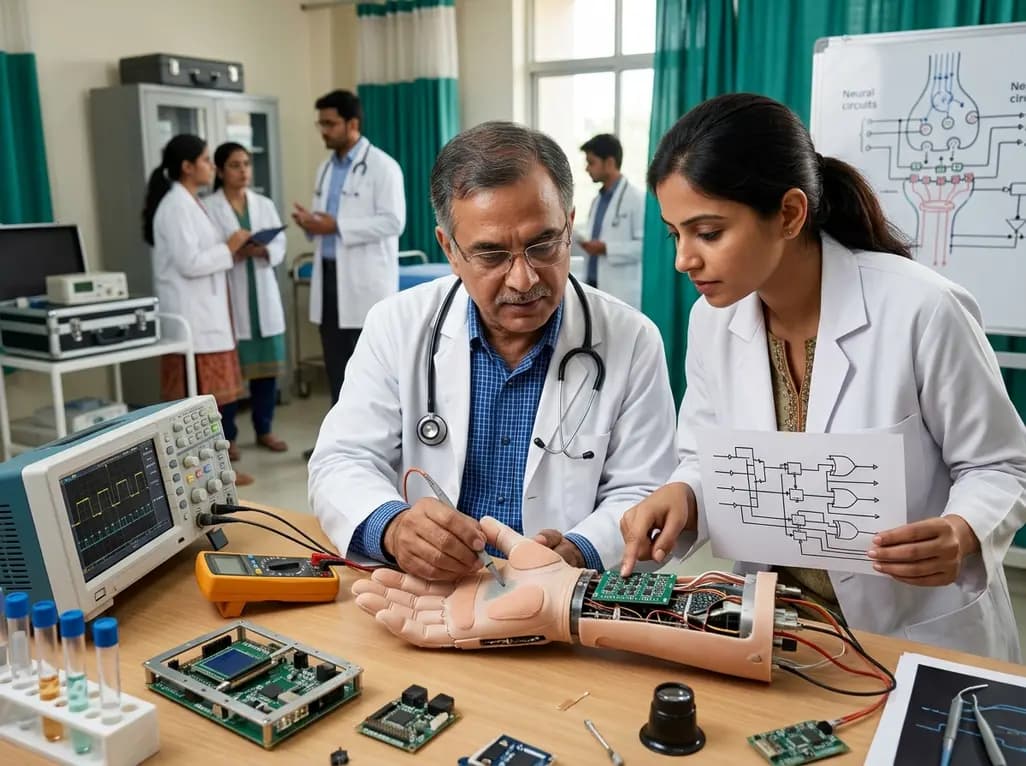
Researchers have engineered an artificial sensory-pain integrated receptor using a multi-threshold organic synaptic transistor. The system distinguishes benign touch from noxious stimuli, enabling safer, more responsive prosthetic limbs with built-in memory and simplified hardware architecture.
Today

Medical robotics is transitioning beyond operative suites into diagnostics, cardiology, and endocrinology. Explore how innovations in tele-robotics, AI integration, and nanomedicine are overcoming geographical barriers and transforming precision healthcare delivery across India's evolving disease landscape.
Today
