.webp&w=384&q=75)

Loading, please wait...
Loading, please wait...

Digital platforms serve as influential arbiters of public health beliefs in the modern era. Today, patients frequently turn to digital streaming channels for medical guidance, exposing them to pervasive online health misinformation. While previous inquiries focused primarily on static content, understanding dynamic comment interactions remains vital for clinical practice. Recent computational evidence clarifies how narrative pathways diverge between empirical science and deceptive health rhetoric. Consequently, clinicians must recognize these digital mechanisms to protect patient well-being effectively.
Researchers recently applied advanced network analysis and process mining to map health discussions across YouTube. Specifically, investigators evaluated over 52,000 comments across scientific and pseudoscientific video repositories published between 2011 and 2025. This sophisticated methodology traced temporal interaction sequences and mapped structural connections between conversational themes. By combining automated pipelines with natural language processing, the team decoded how digital communities engage with health advice.
In pseudoscientific ecosystems, conversations heavily reinforce unverified wellness claims. Furthermore, these digital spaces operate as tight socioemotional echo chambers rather than analytical forums. Participants rapidly validate anecdotal assertions while systematically rejecting empirical scrutiny. In contrast, scientific threads exhibit balanced deliberations regarding clinical efficacy, therapeutic indications, and potential treatment risks. Therefore, understanding this structural architecture enables medical practitioners to grasp why misleading claims spread so rapidly. When patients consume unverified medical advice, they enter algorithmic feedback loops that shield them from scientific debate. Consequently, clinicians must understand these systemic dynamics during routine patient consultations.
Network analysis revealed fundamentally divergent cores between scientific and pseudoscientific communities. In scientific video discussions, negative expressions of feelings and critical comparative evaluations demonstrated significantly higher normalized node strength. Moreover, scientific threads prioritized requests for medical treatment clarification and professional therapeutic advice. Users in these spaces frequently shared nuanced personal struggles, debated clinical nuances, and critically appraised published data.
Conversely, the pseudoscientific corpus organized around an entirely distinct structural foundation. Within these channels, positive emotional expressions, mutual compliments, and effusive gratitude dominated the network architecture. Furthermore, participants continuously exchanged brief acknowledgments, validating emojis, and enthusiastic affirmations of unproven remedies. Critical questions regarding physiological mechanisms or clinical trial safety rarely achieved prominent network centrality. Thus, pseudoscientific networks generate self-sustaining loops of positive reinforcement. These structural dynamics explain why vulnerable patients often perceive dubious treatments as universally accepted, exceptionally safe, and emotionally comforting therapies.
Process mining provides unprecedented insight into the sequential progression of online health exchanges. In scientific discussions, the interaction pathways displayed remarkable heterogeneity. Participants continuously transitioned between positive reflections, neutral scientific inquiries, and negative reports of treatment side effects. This dynamic pattern reflects realistic clinical realities, where authentic therapeutic interventions produce variable outcomes across diverse patient populations. Moreover, users frequently challenge dubious assertions, creating a self-correcting communicative environment.
In sharp contrast, pseudoscientific interaction pathways followed rigid, repetitive trajectories. The most prominent sequential chains consisted almost exclusively of celebratory affirmations, expressions of gratitude, and brief supportive emojis. When users posted testimonials about dubious treatments, subsequent commenters immediately reinforced those narratives with positive appraisals. Consequently, critical skepticism never gained conversational momentum within these algorithmic streams. Process mining confirms that pseudoscientific communities systematically funnel users toward emotional consensus rather than factual deliberation. Healthcare professionals must recognize that patients encounter orchestrated social approval rather than balanced medical discourse online.
The divergent conversational dynamics highlight a critical sociopsychological phenomenon in digital health. Pseudoscientific communities thrive primarily because they fulfill profound human needs for belonging, hope, and emotional validation. When individuals confront chronic illness or medical uncertainty, technical scientific terminology often feels cold and alienating. In contrast, alternative health channels offer warmth, immediate peer acceptance, and absolute therapeutic certainty.
Therefore, patients frequently embrace unproven remedies not from intellectual ignorance, but from emotional resonance. Pseudoscientific influencers deliberately cultivate intimate, non-judgmental environments that welcome vulnerable individuals seeking solace. Meanwhile, scientific threads often resemble adversarial debates where skeptical critiques overshadow interpersonal empathy. As a result, patients facing frightening diagnoses gravitate toward communities that provide emotional reassurance and simple explanations. For clinicians, addressing digital pseudoscience requires far more than reciting statistical facts. Medical professionals must pair evidence-based reasoning with authentic compassion to rebuild patient trust and foster therapeutic alliance.
These digital communication patterns carry profound implications for healthcare delivery across India. In recent years, affordable smartphones and rapid internet expansion have transformed how Indian families seek medical guidance. Unfortunately, unverified home remedies, fraudulent chronic disease reversals, and alternative cancer treatments proliferate unchecked across local social channels. Patients frequently present to outpatient clinics after delaying evidence-based therapy in favor of viral online remedies.
Moreover, Indian cultural values place significant emphasis on personal testimonials, elder advice, and community trust. When pseudoscientific influencers present traditional or alternative remedies wrapped in affectionate affirmation, patients readily accept them. Consequently, practicing physicians encounter defensive reactions when directly contradicting online wellness claims. Doctors must understand that patients cling to these therapies partly because of the supportive communities surrounding them. Therefore, dismissing patient inquiries abruptly can damage the doctor-patient relationship and push patients deeper into misinformation echo chambers.
To counter misleading medical content effectively, clinicians must adapt their communication techniques within the consultation room. First, physicians should practice empathetic inquiry by exploring what health content patients watch online without expressing condescension. Acknowledging a patient's emotional vulnerability establishes mutual trust before evaluating scientific merits.
Second, clinicians must provide clear, accessible explanations that replace medical jargon with relatable analogies. For instance, explaining physiological mechanisms using everyday concepts helps demystify disease processes for anxious families. Furthermore, medical societies and hospitals in India must actively produce engaging, compassionate video content on public platforms. Healthcare professionals should embody the same warmth and accessibility that currently draw patients toward unverified creators. By combining rigorous scientific accuracy with genuine interpersonal empathy, doctors can guide patients safely through confusing digital information ecosystems. Ultimately, clinical communication must offer both evidence and emotional support to combat deceptive online health claims successfully.
Online health misinformation relies on dense networks of emotional validation, mutual compliments, and uncritical praise. In contrast, authentic scientific discussions feature balanced, heterogeneous exchanges including requests for clinical advice, critical evaluations, and reports of adverse effects. Misinformation communities create echo chambers where brief acknowledgments and supportive emojis suppress skeptical inquiry, leading users to believe dubious treatments enjoy universal consensus and safety.
Patients often turn to pseudoscientific channels because these spaces provide immediate emotional comfort, hope, and community belonging during times of distress. Traditional medical discussions can feel intimidating, technical, or dismissive of subjective suffering. In contrast, alternative health creators offer empathetic affirmation, simple answers, and optimistic promises. Consequently, patients embrace unproven therapies to satisfy psychological needs for connection and reassurance rather than deliberate scientific rejection.
Indian clinicians should adopt empathetic, non-confrontational communication when patients inquire about online health remedies. Instead of abruptly ridiculing unproven treatments, doctors must listen attentively, validate underlying health anxieties, and explain medical evidence using simple cultural analogies. Furthermore, physicians should guide families toward credible public health resources and encourage open dialogue, ensuring patients feel respected and supported while making critical clinical decisions.
Disclaimer: This content is for informational and educational purposes only. It is not intended as medical advice, nor does it establish a doctor-patient relationship. Healthcare professionals must exercise clinical judgment, and readers should consult qualified physicians regarding health conditions. Reliance on this material is strictly at your own risk. The publisher and authors disclaim liability for any adverse outcomes. Content may become outdated as science advances. Refer to the latest local and national guidelines for clinical practice.
References

Read summarized clinical updates, watch expert medical content, and earn CME certifications right from your smartphone.
Open your smartphone camera to scan and install.





A novel process mining study reveals that pseudoscientific YouTube health discussions thrive on emotional bonding and affirmation, whereas scientific threads focus on critical evaluation. Healthcare providers must adapt clinical communication strategies to counter health misinformation effectively.
Today
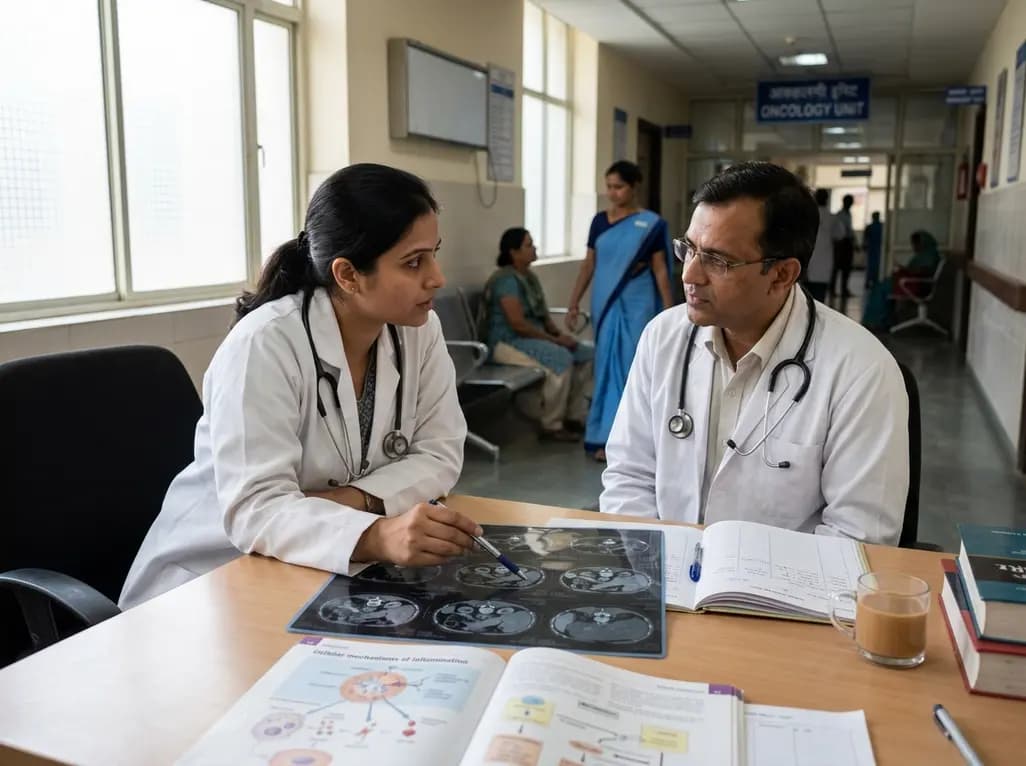
Pancreatic cancer cachexia affects over 80% of patients, driving severe muscle wasting, systemic inflammation, and treatment intolerance. This review highlights key pathophysiological drivers, exocrine insufficiency, objective CT imaging, and emerging therapies like GDF-15 inhibitors to improve clinical outcomes.
Today
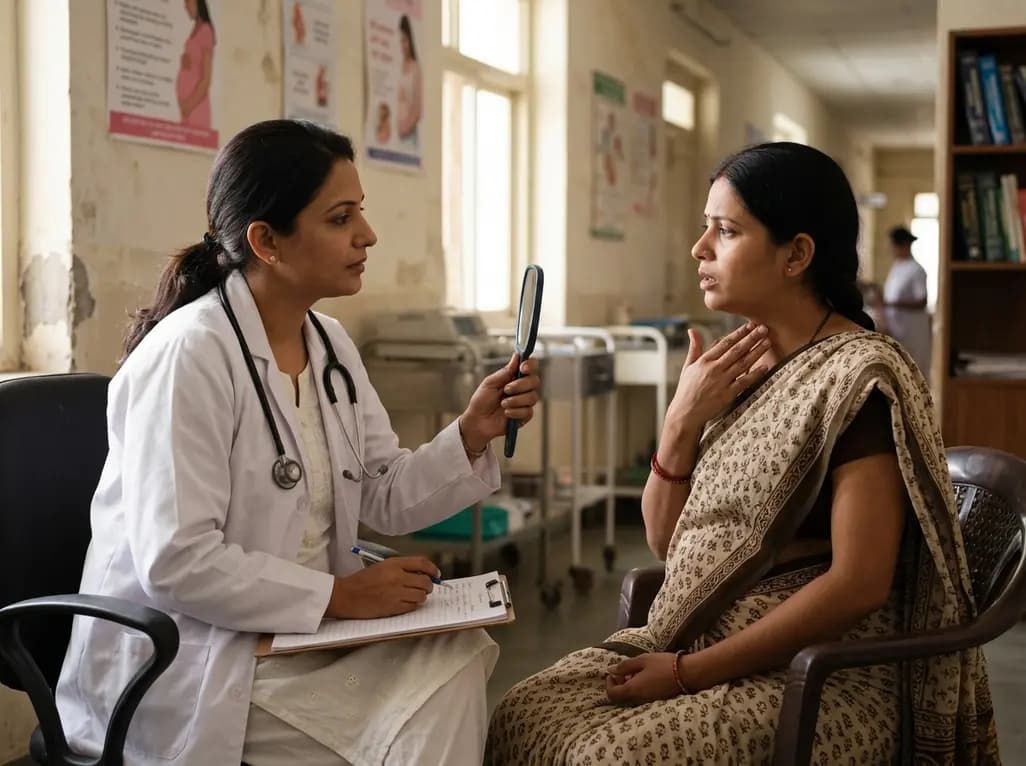
A scoping review reveals how pregnancy affects phonation through laryngeal edema and reduced phonation time rather than major acoustic pitch alterations. Learn how to identify, evaluate, and manage vocal symptoms in expectant mothers.
Today
According to WHO data, average lifespan reached 73.3 years in 2023, recovering from pandemic lows. However, healthy life expectancy lags at 62.8 years due to surging noncommunicable conditions like cardiovascular disease and dementia, demanding proactive primary screening and sustained chronic care.
Today
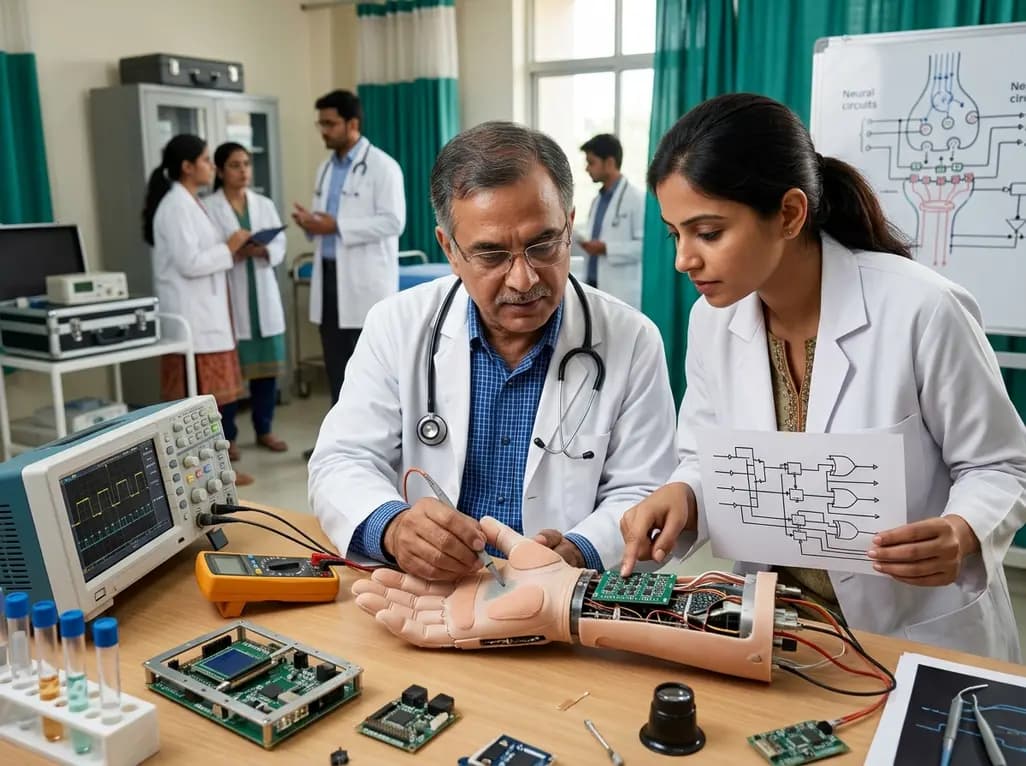
Researchers have engineered an artificial sensory-pain integrated receptor using a multi-threshold organic synaptic transistor. The system distinguishes benign touch from noxious stimuli, enabling safer, more responsive prosthetic limbs with built-in memory and simplified hardware architecture.
Today
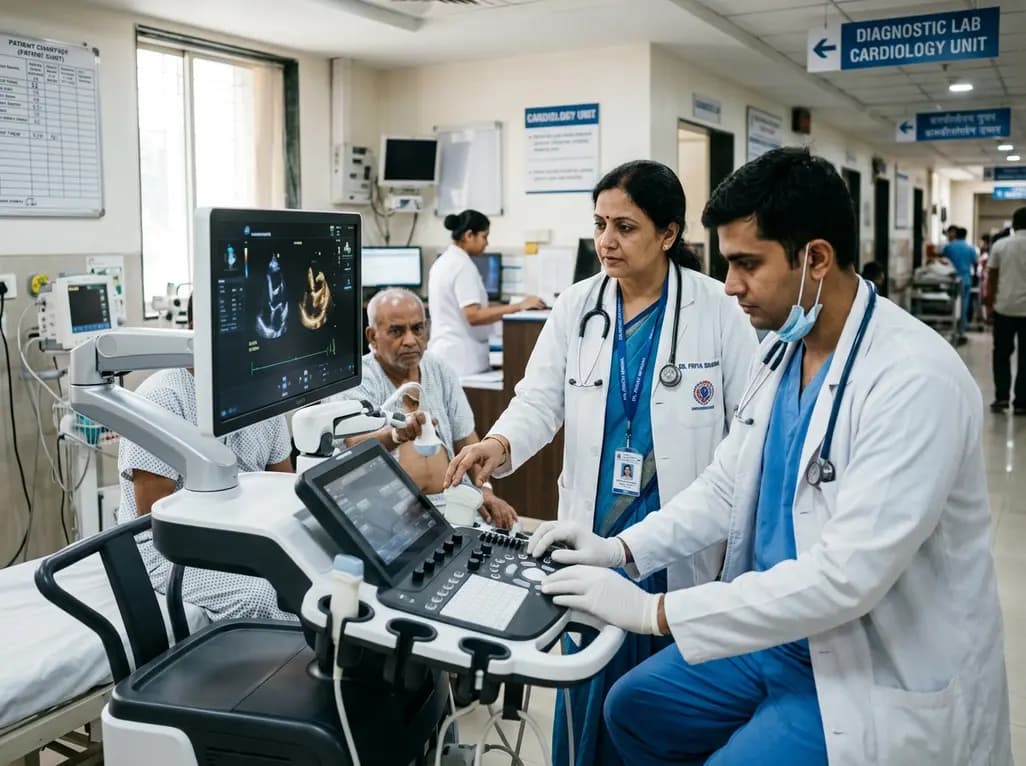
Medical robotics is transitioning beyond operative suites into diagnostics, cardiology, and endocrinology. Explore how innovations in tele-robotics, AI integration, and nanomedicine are overcoming geographical barriers and transforming precision healthcare delivery across India's evolving disease landscape.
Today
