.webp&w=384&q=75)

Loading, please wait...
Loading, please wait...
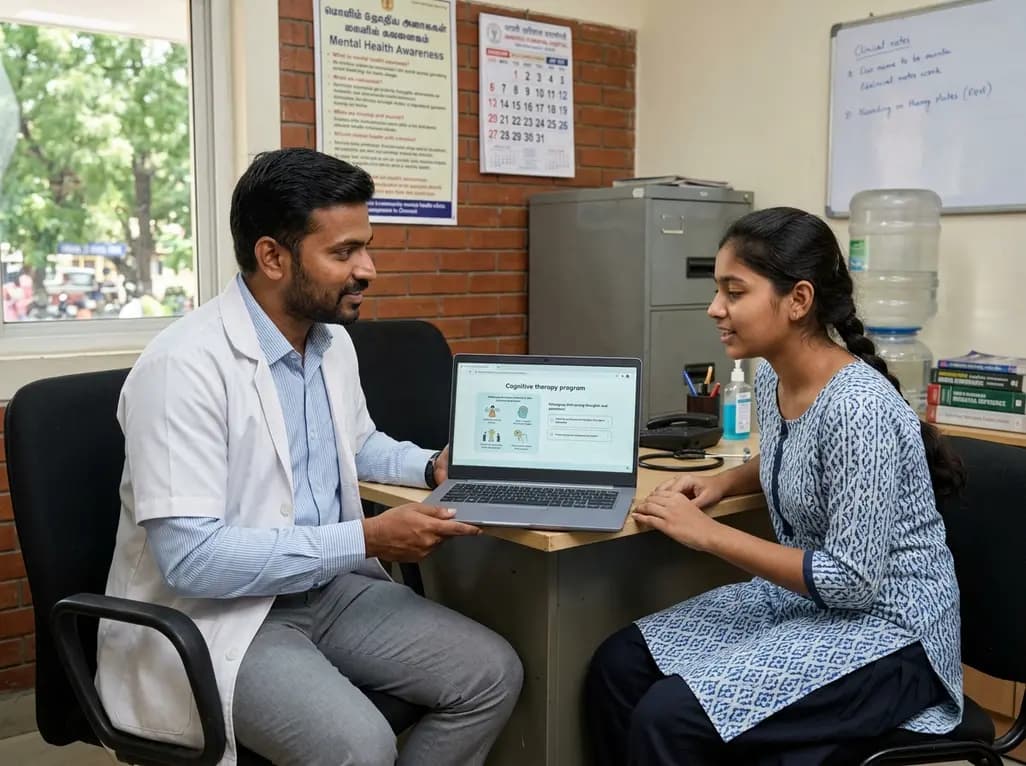
Post-traumatic stress disorder in youth creates severe psychological distress, developmental impairment, and chronic educational disruption. Although evidence-based trauma interventions exist, many young patients never receive timely specialized care. Implementing online cognitive therapy provides an innovative clinical strategy to overcome severe logistical bottlenecks and geographical disparities. Historically, specialized adolescent mental health services have remained concentrated in major urban centers. Consequently, families in rural or underserved districts confront prolonged waiting lists and burdensome travel requirements. Furthermore, social stigma surrounding psychiatric consultation frequently discourages early clinical presentation. Therefore, vulnerable adolescents often endure debilitating trauma symptoms for years without appropriate professional evaluation.
Primary pediatricians routinely identify trauma-related anxiety and avoidance, yet they face an acute scarcity of local psychological resources. As a result, expanding remotely accessible interventions represents an urgent public health imperative. Modern digital approaches help clinicians extend high-quality psychotherapeutic support directly into domestic settings, ensuring rapid access when trauma occurs. Additionally, timely digital care preserves normal adolescent social trajectories. Clinicians can thus prevent acute distress from evolving into persistent psychiatric disability. Consequently, digital healthcare innovations bridge this critical therapeutic divide effectively.
To evaluate digital care feasibility, investigators launched the Online PTSD Treatment for Young People and Carers trial. Specifically, this randomized controlled study evaluated a therapist-supported digital cognitive therapy platform against a standard waiting list condition. Researchers recruited thirty-one adolescents between twelve and seventeen years of age who held confirmed primary PTSD diagnoses. The team used minimisation to allocate participants evenly according to sex and baseline symptom severity. Furthermore, investigators established explicit a priori feasibility criteria regarding recruitment velocity, data completeness, and clinical efficacy.
Participants in the intervention arm completed interactive digital modules covering psychoeducation, trauma narratives, and cognitive appraisal updates. Meanwhile, qualified therapists provided remote guidance, asynchronous messaging feedback, and brief weekly telephone check-ins. The trial designated primary clinical efficacy as diagnostic PTSD caseness sixteen weeks post-randomisation. Secondary clinical endpoints measured continuous reductions in post-traumatic stress, anxiety, and depressive symptoms across thirty-eight weeks. Overall, this rigorous design enabled researchers to test feasibility parameters systematically while monitoring patient safety. Consequently, the study provided critical baseline feasibility data for future psychiatric trials.
The trial demonstrated substantial clinical benefits favoring the digital intervention arm over the waiting list comparator. At sixteen weeks, intention-to-treat analysis indicated an adjusted odds ratio of 0.20 for meeting formal PTSD criteria. This finding means that adolescents receiving digital therapy had eighty percent lower odds of retaining PTSD diagnosis compared to controls. Specifically, ten out of sixteen adolescents in the active group met caseness, whereas eleven out of thirteen waitlist participants remained diagnosed.
Moreover, secondary clinical outcomes revealed large to moderate effect sizes across all standardized psychological measures. Adolescents in the intervention group achieved significant reductions in continuous post-traumatic stress severity scores. Concurrently, participants experienced meaningful relief from secondary depression and generalized anxiety symptoms. Crucially, assessments conducted thirty-eight weeks after randomisation showed that therapeutic gains remained fully sustained over nine months. Participants did not experience symptom relapse after concluding their digital modules. Therefore, these clinical signals confirm that remote cognitive restructuring achieves genuine, durable psychological healing rather than transient symptom relief. Consequently, the intervention shows high promise for routine clinical adoption.
Digital mental health interventions frequently suffer from excessive patient attrition, which compromises clinical effectiveness in real-world settings. In sharp contrast, this pediatric trial demonstrated exceptional adherence and engagement throughout the therapeutic course. Remarkably, zero patients dropped out of the online cognitive therapy arm during the study period. Furthermore, the overall retention rate reached ninety-four percent at the sixteen-week follow-up evaluation. Recruitment velocity also met pre-determined targets, successfully enrolling one to two adolescent participants each month.
These impressive compliance metrics illustrate the unique strength of blending interactive software with clinician oversight. Purely self-guided digital applications often lead to user disengagement because patients feel unsupported during distressing moments. However, incorporating asynchronous therapist messages and scheduled check-ins created crucial accountability and safety. Adolescents could revisit digital tools at their own pace without feeling rushed or judged. Meanwhile, structured guidance helped caregivers support treatment without compromising adolescent privacy. Thus, this balanced model fostered deep therapeutic engagement and sustained compliance across the entire intervention. Consequently, clinicians can deploy this format without fearing elevated attrition rates.
The therapeutic efficacy of this program stems from converting established cognitive trauma models into intuitive digital exercises. Cognitive models suggest that persistent PTSD symptoms arise from problematic appraisals regarding the traumatic event and disorganized trauma memory. Therefore, the digital platform systematically targets these maintaining mechanisms through structured memory updating and appraisal modification. Interactive visual modules guide young patients to identify catastrophic misinterpretations, including exaggerated perceptions of ongoing personal threat.
Additionally, the software encourages behavioral experiments, allowing adolescents to test trauma-related predictions in everyday environments. Instead of reporting activities retrospectively days later, adolescents log real-time behavioral findings directly into the secure portal. Therapists review these submissions asynchronously, providing prompt encouragement, therapeutic validation, and constructive feedback. This active process gradually desensitizes distressing trauma triggers while strengthening psychological resilience. Furthermore, normalizing intrusive flashbacks through relatable animations dispels unhelpful shame and self-blame. Consequently, adolescents master practical cognitive reframing strategies, rebuilding self-efficacy and reclaiming control over their emotional well-being. Similarly, clinicians observe rapid reductions in avoidance behaviors across various daily settings. Ultimately, these combined cognitive mechanisms drive deep, enduring psychological recovery.
Unlike standard telehealth video consultations where clinicians actively talk throughout an hour-long session, this approach uses structured interactive digital modules for psychoeducation and cognitive restructuring. Therapists provide asynchronous monitoring, message feedback, and brief review calls, significantly reducing clinician hours while allowing patients to complete therapeutic exercises independently at their own pace.
Adolescents receiving online therapy showed an eighty percent lower odds of meeting post-traumatic stress disorder diagnostic criteria at sixteen weeks compared to waitlist controls. Furthermore, active therapy produced large-to-moderate reductions in continuous PTSD severity, depression, and anxiety, with clinical improvements sustained at thirty-eight weeks post-randomisation without symptom relapse.
The intervention achieved zero therapeutic attrition because it combined accessible, engaging digital media with regular, personalized clinician guidance. Adolescents maintained autonomy over their daily exercise schedule while receiving timely therapeutic encouragement. This hybrid format mitigated the isolation common to unguided digital apps and avoided the scheduling friction of traditional clinic visits.
Disclaimer: This content is for informational and educational purposes only. It is not intended to provide medical advice or to be a substitute for professional medical advice, diagnosis, or treatment. Patients should always seek the advice of their physician or other qualified healthcare provider with any questions they may have regarding a medical condition. Refer to the latest local and national guidelines for clinical practice.
References

Read summarized clinical updates, watch expert medical content, and earn CME certifications right from your smartphone.
Open your smartphone camera to scan and install.





A randomised controlled trial evaluated therapist-supported online cognitive therapy for adolescents aged 12–17 with PTSD. The intervention reduced PTSD caseness odds by 80% with sustained 38-week gains and zero treatment dropout, confirming feasibility for larger confirmatory clinical trials.
last month

Review how tailored exercise programs benefit frail older patients with heart failure. Explore pathophysiological mechanisms, individualized training prescriptions, and strategies to overcome adherence barriers in clinical practice.
Today

Leucine Rich Bio has introduced South Asia's first comprehensive vaginal microbiome test, BugSpeaks. By profiling microbial dysbiosis, pathogens, and antimicrobial resistance, this next-generation diagnostic platform provides clinicians with deeper insights into recurrent infections, fertility, and reproductive health.
Today

In high-risk pulmonary embolism complicated by severe anemia and active uterine bleeding, systemic thrombolysis is contraindicated. Large-bore aspiration thrombectomy provides rapid hemodynamic rescue without fibrinolysis, supported by inferior vena cava filter placement and multidisciplinary critical care.
Today

This comparative study evaluates posterior labral tears with and without glenohumeral instability, highlighting distinct demographic patterns, MRI underestimation in stable shoulders, and successful arthroscopic repair outcomes.
Today

A clinical study demonstrates that early intervention with tocilizumab, either as monotherapy or bridged with corticosteroids, achieves significant proptosis reduction and resolves active inflammation in treatment-naive thyroid eye disease.
Today
