.webp&w=384&q=75)

Loading, please wait...
Loading, please wait...

Transgender and nonbinary adults assigned female at birth (TNBF) face an elevated risk of cardiovascular disease. Historically, clinicians attributed this heightened risk primarily to exogenous androgen therapy. However, emerging biopsychosocial evidence indicates that social marginalization plays an equally decisive role. Investigating the interplay of gender minority stress cardiovascular pathways has therefore become essential for modern clinical care. Gender minority stress encompasses chronic psychosocial burdens, including discrimination, identity concealment, internalized transphobia, and anticipated rejection. Consequently, these sustained stressors disrupt autonomic equilibrium and alter vascular homeostasis over time. In a pivotal comparative study, investigators evaluated twenty-four TNBF individuals to delineate the individual contributions of circulating testosterone and minority stress on resting hemodynamics and dynamic stress reactivity. Twelve participants were actively utilizing gender-affirming testosterone therapy, whereas twelve were hormone non-users. By integrating validated psychological scales with rigorous hemodynamic testing, the study provided novel mechanistic insights into cardiovascular vulnerability. Ultimately, recognizing the cardiovascular footprint of socio-environmental adversity allows physicians to move beyond simplistic endocrine explanations and appreciate the multifactorial drivers of vascular pathology.
Many practitioners assume that gender-affirming androgen regimens inevitably elevate baseline blood pressure. Nevertheless, empirical observations from this cohort challenge that conventional assumption. Resting systolic blood pressure remained virtually identical between testosterone users and non-users, averaging 115 mmHg in both groups. Similarly, resting diastolic blood pressure averaged 68 mmHg across both arms, showing no statistically significant difference. Therefore, resting blood pressure alone does not reveal an immediate vascular deficit attributable purely to exogenous testosterone. Radioimmunoassay confirmed predictable physiological differences in circulating total testosterone between cohorts. Despite distinct hormonal profiles, resting autonomic vascular tone appeared preserved under unstressed conditions. These findings emphasize that clinical assessments must look beyond quiet, in-clinic resting vital signs. Although resting pressures provide a convenient screening metric, they frequently mask underlying variations in vascular regulation. Physicians managing gender-affirming regimens should recognize that normal baseline blood pressure does not preclude atypical vascular reactivity under physiological or psychological provocation. Hence, evaluating cardiovascular resilience requires dynamic functional stress testing rather than relying exclusively on static office measurements.
To differentiate cardiovascular control mechanisms, researchers subjected participants to two distinct laboratory challenges: the Stroop Colour Word Test and the Cold Pressor Test. The Stroop test elicited mental strain, whereas the cold pressor test elicited physical, nociceptive sympathetic activation. Crucially, the hemodynamic adaptations diverged markedly based on the stress modality. Backward elimination linear regression revealed that elevated minority stress scores were strongly associated with blunted blood pressure reactivity during psychological stress. Specifically, participants reporting severe minority stress demonstrated significantly lower systolic and diastolic pressure spikes during mental cognitive provocation. In contrast, higher circulating total testosterone concentrations correlated with amplified systolic and diastolic blood pressure reactivity during the same mental stress challenge. Interestingly, neither testosterone levels nor psychosocial stress scores showed any significant correlation with hemodynamic responses to the physical cold pressor test. Thus, psychological stress processing engages unique central neurocardiovascular circuits that remain distinct from peripheral reflex pathways. This selective perturbation underscores the distinct ways through which emotional distress and sex steroids modulate vascular resistance.
In classical cardiovascular medicine, exaggerated pressor responses usually signal heightened future hypertensive risk. However, physiological literature increasingly demonstrates that chronically blunted cardiovascular reactivity also denotes significant pathology. Blunted hemodynamic reactivity typically reflects allostatic load, where persistent psychosocial distress exhausts the hypothalamic-pituitary-adrenal axis and sympathetic nervous system. When individuals endure chronic social marginalization, neuroendocrine feedback loops become desensitized. Consequently, the cardiovascular apparatus fails to mount an adaptive hemodynamic surge during acute cognitive or interpersonal challenges. This autonomic hypo-reactivity is clinically linked to clinical depression, impaired executive function, generalized systemic inflammation, and elevated subclinical cardiovascular mortality. In transmasculine individuals, high minority stress appears to depress normal autonomic reserve, creating an insidious state of vascular dysregulation. Meanwhile, exogenous testosterone exerts a countervailing effect, amplifying vascular tone and reactivity. Therefore, clinicians must appreciate that both hyper-reactivity and hypo-reactivity represent two distinct manifestations of vascular strain. Evaluating these opposite physiological pressures provides a deeper understanding of overall arterial health in gender minority populations.
Cardiovascular risk stratification in transgender adults requires a comprehensive, integrated framework. Because testosterone therapy and psychosocial trauma exert opposing forces on stress reactivity, isolated evaluations offer incomplete prognostic value. Clinicians should systematically document social determinants of health, discrimination history, and psychological resilience alongside standard lipid and glycemic panels. Moreover, healthcare teams should normalize trauma-informed practices within endocrinology, cardiology, and general medicine settings. When managing patients undergoing gender-affirming testosterone therapy, providers must avoid unfairly attributing every hemodynamic perturbation exclusively to hormone administration. Instead, clinicians must actively explore whether systemic stigma, chronic workplace anxiety, or personal marginalization could be modifying the patient's cardiovascular profile. Fostering an affirming clinical atmosphere substantially mitigates minority stress burdens, thereby supporting patient well-being. Additionally, recommending evidence-based behavioral strategies, such as mindfulness, cognitive reframing, and community support groups, may help restore autonomic equilibrium. Ultimately, treating the whole patient through simultaneous endocrine management and psychosocial support produces optimal, long-term cardiovascular outcomes.
Blunted blood pressure reactivity occurs when the cardiovascular system fails to mount an expected pressor response during acute mental challenges. Rather than indicating superior calmness, this phenomenon typically reflects chronic autonomic exhaustion and substantial allostatic load. Over time, neuroendocrine burnout impairs healthy vascular adaptability. Consequently, persistent autonomic blunting correlates with elevated systemic inflammation, subclinical atherosclerosis, depression, and poor cardiovascular outcomes across diverse patient populations.
Gender-affirming testosterone therapy does not automatically cause chronic hypertension. Clinical research demonstrates that resting systolic and diastolic blood pressure often remain comparable between testosterone users and non-users. However, exogenous androgens can enhance vascular reactivity during acute psychological stress. Therefore, physicians should regularly monitor ambulatory blood pressure, manage lipid parameters, and support healthy lifestyle choices rather than discontinuing essential hormone therapy prematurely.
Clinicians can mitigate cardiovascular hazards by creating affirming, inclusive clinical environments and screening routinely for psychosocial adversity. Utilizing correct names and pronouns, addressing systemic barriers, and offering mental health referrals substantially reduce minority stress burden. Furthermore, integrating routine cardiovascular screening with stress-reduction strategies, physical exercise, and dietary guidance helps restore autonomic balance and safeguard long-term vascular wellness.
Disclaimer: This content is for informational and educational purposes only and should not be considered medical advice. Always consult a qualified healthcare professional regarding any medical condition or before starting any treatment. Refer to the latest local and national guidelines for clinical practice.
References

Read summarized clinical updates, watch expert medical content, and earn CME certifications right from your smartphone.
Open your smartphone camera to scan and install.





Groundbreaking research examines the distinct and combined effects of gender minority stress and testosterone therapy on acute blood pressure reactivity in transgender and nonbinary adults assigned female at birth, providing vital insights into cardiovascular risk stratification.
last month
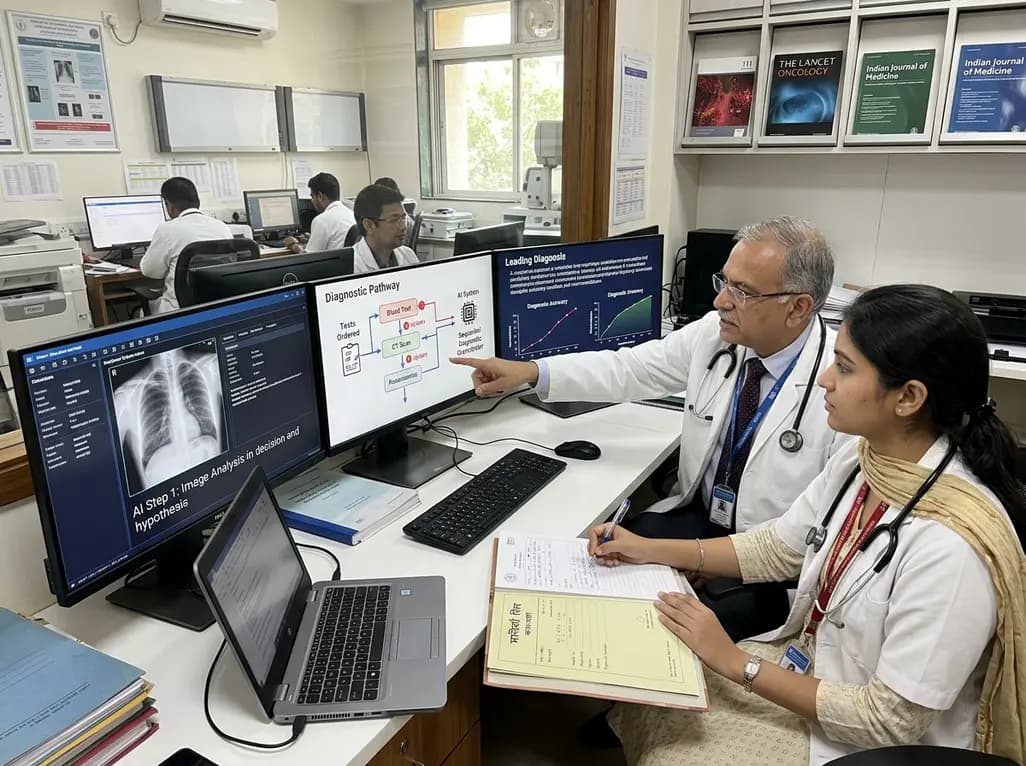
A breakthrough peer-reviewed study demonstrates that a sequential AI diagnosis system can mirror real-world clinical reasoning. By ordering stepwise tests and updating hypotheses dynamically, this multi-agent orchestrator achieved superior diagnostic accuracy while reducing investigative costs.
Today

A prenatal case highlights severe glutaric acidemia type II presenting as bilateral hyperechoic cystic kidneys at 18 weeks. Whole-exome sequencing revealed a novel homozygous ETFDH frameshift variant, demonstrating the power of rapid genetic testing in fetal renal anomalies.
Today

Review how tailored exercise programs benefit frail older patients with heart failure. Explore pathophysiological mechanisms, individualized training prescriptions, and strategies to overcome adherence barriers in clinical practice.
Yesterday

This comparative study evaluates posterior labral tears with and without glenohumeral instability, highlighting distinct demographic patterns, MRI underestimation in stable shoulders, and successful arthroscopic repair outcomes.
Yesterday

A clinical study demonstrates that early intervention with tocilizumab, either as monotherapy or bridged with corticosteroids, achieves significant proptosis reduction and resolves active inflammation in treatment-naive thyroid eye disease.
Yesterday
