.webp&w=384&q=75)

Loading, please wait...
Loading, please wait...

Patients with cancer represent an increasing proportion of admissions to the modern intensive care unit. While many present with common critical conditions like septic shock or acute respiratory distress syndrome, others develop life-threatening complications directly tied to their malignancies. Clinicians define these distinct crises as oncological emergencies. Because these conditions exhibit unique pathophysiology, standard resuscitation protocols often require significant modification. Therefore, intensivists and oncologists must collaborate closely to ensure rapid diagnosis and tailored treatment.
Critical care teams encounter a wide spectrum of malignancy-associated crises requiring immediate intervention. Historically, physicians viewed ICU admission for advanced cancer patients with skepticism due to dismal survival statistics. However, contemporary intensive care practices demonstrate dramatically improved hospital discharge rates for oncological patients. Consequently, clinicians must recognize complications early rather than delaying critical organ support. Specialists classify these acute crises into metabolic, structural, hematologic, and treatment-related categories.
For example, solid tumors frequently cause mechanical compression of vital blood vessels or neural pathways. In contrast, hematologic malignancies typically precipitate massive metabolic derangements or severe bone marrow failure. Furthermore, newer antineoplastic agents introduce novel immunologic toxicities that mimic septic shock or acute encephalitis. Recognizing these distinct patterns enables prompt diagnostic stratification. Thus, critical care clinicians can initiate targeted interventions before irreversible cellular damage occurs. Timely risk stratification also guides conversations regarding long-term oncological prognosis and individualized goals of care.
Metabolic disruptions represent some of the most rapidly fatal complications in cancer medicine. Tumor lysis syndrome typically arises after cytotoxic chemotherapy in highly proliferative hematologic malignancies. When neoplastic cells rupture rapidly, they release substantial amounts of intracellular potassium, phosphorus, and nucleic acids into the bloodstream. As a result, patients suffer dangerous hyperkalemia, hyperphosphatemia, hypocalcemia, and acute uric acid nephropathy. Clinicians must administer aggressive intravenous hydration to maintain vigorous urine output. Additionally, recombinant rasburicase degrades uric acid into soluble allantoin, which protects renal microvasculature.
Concurrently, hypercalcemia of malignancy poses a severe threat, primarily driven by parathyroid hormone-related peptide secretion or osteolytic skeletal metastases. Severe hypercalcemia causes progressive neurological lethargy, severe dehydration, cardiac QT shortening, and refractory arrhythmias. Therefore, therapeutic management requires prompt volume re-expansion using isotonic saline to restore glomerular filtration. Subsequently, physicians administer intravenous bisphosphonates such as zoledronic acid or the receptor activator of nuclear factor-kappa B ligand inhibitor denosumab. In refractory hypercalcemia with oliguric renal failure, continuous renal replacement therapy provides decisive clearance.
Thoracic oncological emergencies compromise vital respiratory and hemodynamic functions through direct mechanical obstruction. Superior vena cava syndrome develops when mediastinal tumors or indwelling central catheter thrombi impede upper venous drainage. Patients present with characteristic facial edema, jugular venous distention, orthopnea, and cough. Although clinicians once considered this condition a radiation emergency, endovascular stenting now provides rapid, minimally invasive hemodynamic relief.
Furthermore, malignant pericardial effusion can rapidly cause cardiac tamponade. As pericardial pressure exceeds ventricular filling pressure, cardiac output plummets precipitously, triggering obstructive shock. Consequently, clinicians must perform bedside echocardiography immediately when examining any hemodynamically unstable oncology patient. Therapeutic pericardiocentesis with drain placement restores ventricular preload and stabilizes perfusion. Similarly, massive hemoptysis and central airway obstruction from bronchogenic carcinoma present acute threats. Interventional pulmonologists utilize rigid bronchoscopy, electrocautery, and airway stents to re-establish patency. Because mechanical ventilation with positive end-expiratory pressure can worsen venous return in cardiac compression, teams must carefully titrate respiratory parameters.
Acute neurological complications in oncology demand immediate recognition to avoid permanent neurological disability or death. Malignant spinal cord compression represents a major emergency that often originates from vertebral body metastases. Progressive motor weakness, sensory level deficits, and autonomic dysfunction characterize this debilitating condition. Clinicians must obtain an urgent whole-spine magnetic resonance imaging scan whenever a cancer patient reports localized back pain. Furthermore, practitioners should administer high-dose intravenous dexamethasone immediately upon clinical suspicion to alleviate vasogenic cord edema.
Spine surgeons and radiation oncologists must evaluate the patient rapidly, because timely surgical decompression preserves long-term ambulatory function. In addition, brain metastases frequently cause intracranial hypertension and imminent cerebral herniation. Patients present with headaches, projectile vomiting, papilledema, and progressive neurological decline. Osmotic therapies like hypertonic saline or mannitol reduce cerebral volume during acute decompensation. Meanwhile, elevated seizure activity requires prompt anticonvulsant management using agents that avoid interactions with chemotherapy. Ultimately, definitive therapy relies on neurosurgical tumor resection, stereotactic radiosurgery, or whole-brain radiotherapy once the patient stabilizes.
Managing the critically ill cancer patient requires a balanced, structured resuscitation strategy. In earlier decades, physicians often applied rigid exclusion criteria that prevented oncological patients from receiving advanced life support. However, current evidence proves that short-term survival depends heavily on the severity of acute organ failure rather than underlying cancer staging. Therefore, intensivists advocate for early ICU admission before irreversible multiorgan failure develops. Initial resuscitation must focus on maintaining mean arterial pressure, optimizing tissue oxygen delivery, and controlling acute bacteremia.
Neutropenic fever remains a quintessential emergency, mandating broad-spectrum antipseudomonal beta-lactam antibiotics within one hour of presentation. In addition, acute respiratory failure requires judicious oxygen therapy. High-flow nasal cannula or noninvasive positive pressure ventilation often prevents endotracheal intubation in immunocompromised hosts. However, clinicians should intubate promptly if severe exhaustion or refractory hypoxemia ensues. When uncertainty surrounds the long-term prognosis, the care team should implement a time-limited intensive care trial. This approach allows physiological stabilization while intensivists, oncologists, and families establish realistic goals of care.
Rapid tumor breakdown following cytotoxic chemotherapy or spontaneous necrosis typically triggers acute tumor lysis syndrome. This condition occurs most frequently in hematological malignancies with high proliferative rates, such as acute lymphoblastic leukemia and Burkitt lymphoma. As malignant cells lyse, they release massive amounts of intracellular potassium, phosphorus, and nucleic acids into circulation. Consequently, severe hyperuricemia, hyperkalemia, hyperphosphatemia, and secondary hypocalcemia rapidly develop, leading to life-threatening cardiac arrhythmias and acute oliguric renal failure.
Clinicians must prioritize hemodynamic stabilization, elevated head positioning, and targeted supplemental oxygen for malignant superior vena cava syndrome. Moreover, obtaining urgent diagnostic contrast-enhanced computed tomography defines the exact extent of venous compression or intraluminal thrombosis. Immediate treatment involves intravenous dexamethasone to reduce peritumoral edema alongside therapeutic anticoagulation if intraluminal thrombosis exists. In addition, prompt multidisciplinary consultation facilitates emergency endovascular stent placement or urgent radiation therapy, which provides rapid symptomatic relief and restores systemic venous return.
Intensivists should consider early ICU admission whenever a cancer patient develops acute organ dysfunction, severe metabolic instability, or hemodynamic compromise. Furthermore, early admission prevents irreversible physiological decompensation and substantially reduces in-hospital mortality. Rather than withholding critical care based solely on an advanced oncological diagnosis, clinicians must evaluate functional performance status, acute reversibility, and overall oncological treatment options. Consequently, a time-limited intensive care trial often provides clarity, allowing clinicians to stabilize reversible complications while continuously reassessing prognosis.
Disclaimer: This content is for informational and educational purposes only... Refer to the latest local and national guidelines for clinical practice.
References
López-Fdez A et al. Emergencies in the critically ill cancer patient. Med Intensiva (Engl Ed). 2026 Sep 15. doi: undefined. PMID: 42744721.
Azoulay E, Schellongowski P, Darmon M, et al. The Intensive Care Medicine research agenda on critically ill oncology and hematology patients. Intensive Care Med. 2017;43(9):1366-1382.
Cooksley T, Font C, Scotte F, et al. Emerging emergencies in cancer patients: a systematic approach. Support Care Cancer. 2021;29(8):4167-4175.

Read summarized clinical updates, watch expert medical content, and earn CME certifications right from your smartphone.
Open your smartphone camera to scan and install.





Patients with cancer are increasingly admitted to ICUs with severe complications unique to their malignant disease. This clinical review outlines essential diagnostic and management strategies for acute oncological emergencies, focusing on metabolic, cardiovascular, and neurological critical syndromes.
Today

The Delhi Cabinet has approved a key policy revision doubling the fixed monthly allowance for accredited social health activists. This financial enhancement bolsters grassroots maternal and child healthcare delivery, strengthens urban public health surveillance, and improves frontline community health worker retention.
Today
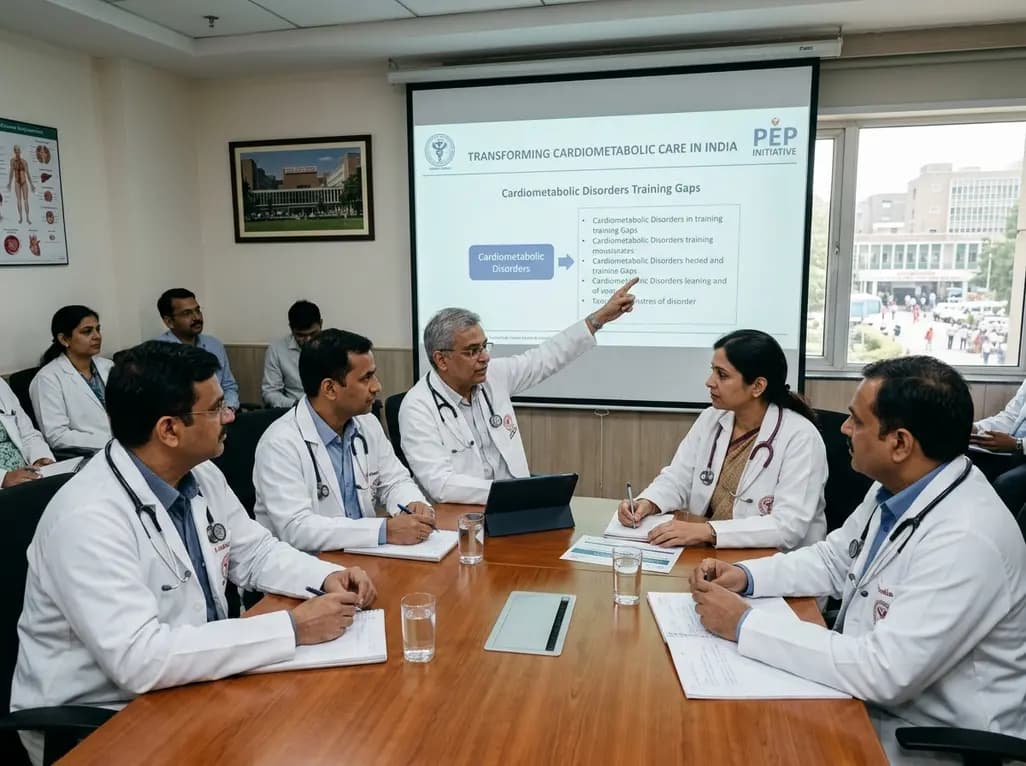
The All India Institute of Medical Sciences has convened national health experts, policymakers, and state nodal officers to transform medical training for cardiometabolic disorders. This collaborative effort under the PEP initiative addresses training gaps to elevate chronic disease care across Indian healthcare.
Today
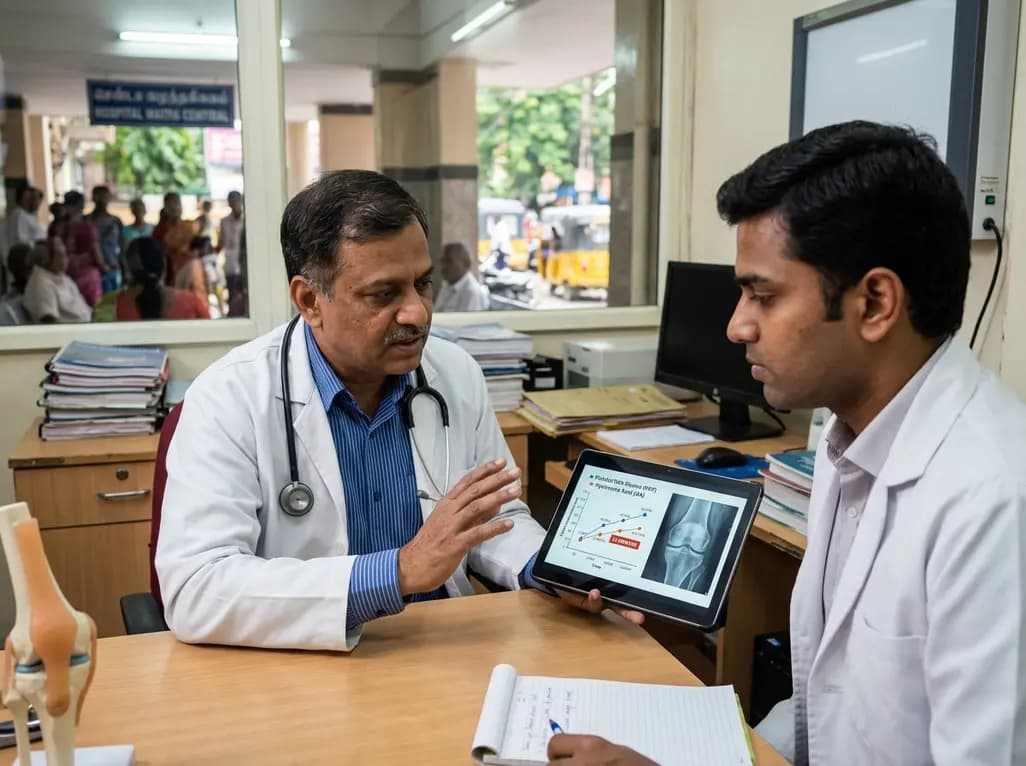
A systematic review and meta-analysis of 21 RCTs reveals that platelet-rich plasma provides small but statistically superior pain relief and functional improvements compared to hyaluronic acid at 12 months in knee osteoarthritis, influenced by platelet concentration and leukocyte enrichment.
Today
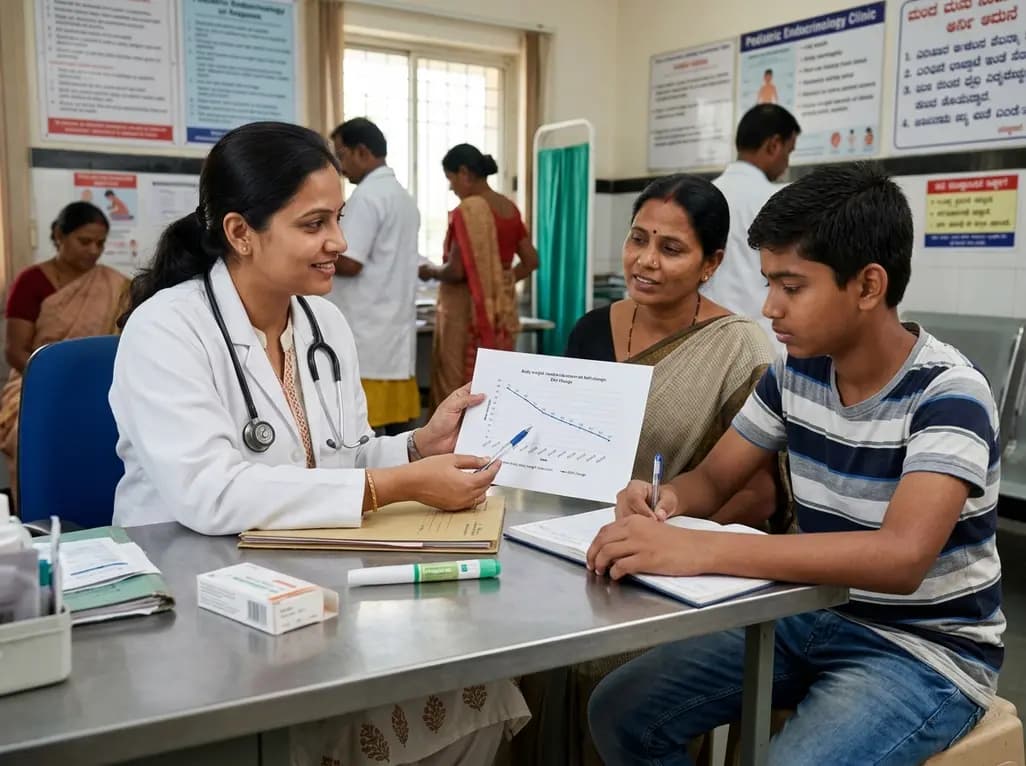
A multicenter real-world prospective study in Taiwan demonstrates that liraglutide effectively reduces body weight and BMI standard deviation score in adolescents with obesity. The therapy shows a favorable safety profile with mild gastrointestinal adverse events and zero treatment discontinuations due to intolerance.
Today
