.webp&w=384&q=75)

Loading, please wait...
Loading, please wait...

Orthodontic mini-screw implants have transformed contemporary mechanics by providing absolute skeletal anchorage. However, clinicians still encounter unexpected screw loosening during active treatment. Therefore, preserving OMSI stability represents a vital objective for practicing orthodontists. Mechanical factors such as cortical bone thickness and insertion torque traditionally dominate clinical planning. Nevertheless, biological variables around peri-implant tissues also dictate clinical success. Specifically, oral bacteria colonize mini-screw surfaces immediately following surgical insertion. Consequently, organized microbial communities form complex biofilms along the transmucosal collar and exposed threads. Host inflammatory responses react promptly to these microbial deposits. As a result, localized peri-implant mucositis can develop and progress toward deeper tissue destruction. Furthermore, persistent inflammation stimulates osteoclastic activity, which damages bone support and undermines stability. Thus, the interface between artificial titanium surfaces and living oral microbiology demands careful scrutiny. A systematic review recently synthesized the relationship between surface properties, antibiofilm regimens, and anchorage longevity. In this article, we examine these critical findings to assist clinicians in optimizing clinical outcomes. Moreover, understanding these biological mechanisms empowers clinicians to prevent failures and maintain predictable treatment mechanics across varied patient cohorts. Accordingly, evaluating both hardware characteristics and microbiological factors establishes a robust framework for evidence-based orthodontic anchorage.
Implant manufacturing techniques significantly alter surface topography and elemental composition. Consequently, these physical properties govern initial protein adsorption and subsequent bacterial adhesion. The systematic review confirmed that surface roughness directly correlates with increased biofilm formation. Rougher micro-topographies provide microscopic niches that shield pioneer bacteria from salivary shear forces. In addition, rough textures expand the total surface area available for cellular attachment. Chemical elements present on the alloy surface also influence biological behavior. Specifically, elevated levels of carbon and oxygen correlate positively with greater biofilm biomass. Manufacturing residues, environmental carbon contamination, and varying titanium oxide layers alter surface free energy. As a result, higher surface energy accelerates microbial colonisation during early healing. Conversely, smoother machined surfaces show lower quantities of initial bacterial plaque. However, excessively smooth surfaces may compromise mechanical interlocking with host cortical bone. Therefore, manufacturers must strike a balance between mechanical retention and biological compatibility. Furthermore, retrieved mini-screws often exhibit organic deposits and surface corrosion after clinical use. These changes demonstrate that the aggressive oral environment continuously modifies titanium chemistry. Ultimately, recognizing these material characteristics enables clinicians to select appropriate mini-screws for specific anatomical sites.
To overcome bacterial colonization, material scientists have developed sophisticated surface coatings. Specifically, nano-engineered technologies provide targeted antimicrobial properties without altering core mechanical strength. Researchers have evaluated coatings incorporating zinc oxide, titanium dioxide, and silver nanoparticles combined with hydroxyapatite. In addition, chitosan-silver combinations and biopolymer-embedded selenium show notable antibiofilm activity in laboratory settings. These nanocoatings actively disrupt bacterial cell walls and inhibit extracellular polymeric substance production. Furthermore, non-thermal plasma surface treatments alter surface wettability and reduce bacterial attachment. Studies report significant drops in microbial biomass across various nano-modified surfaces. However, the exact efficacy varies substantially depending on coating composition and biological outcome measures. Some coatings exhibit rapid bactericidal action, whereas others provide sustained, slow ion release over time. Moreover, biocompatibility with adjacent human gingival fibroblasts remains an essential clinical priority. Cytotoxicity against host tissues must not accompany bacterial suppression. Consequently, while in vitro results show immense promise, human clinical trials remain limited. Orthodontists should follow these technological advancements closely as translational research bridges laboratory findings with practical chairside applications. Thus, continuing innovation in nanocoatings could soon provide durable protection against peri-implant infections.
Alongside hardware innovations, clinicians routinely employ chemical and physical antimicrobial therapies around mini-screws. Systematic evidence demonstrates that chlorhexidine digluconate remains a widely used agent that reduces bacterial viability. In addition, superoxidized gels and natural herbal formulations display substantial antibacterial effects against oral pathogens. Probiotic therapies have also gained attention by promoting beneficial commensal species and suppressing harmful organisms. Furthermore, photodynamic therapy and natural extracts, including allicin from garlic, consistently decrease viable colony counts in experimental models. These antimicrobial interventions disrupt bacterial cell membranes and neutralize pathogenic virulence factors. Consequently, topical decontamination significantly reduces local microbial challenge around orthodontic hardware. However, exposure protocols and therapeutic concentrations vary dramatically across published studies. Clinicians also face compliance challenges when prescribing home rinses or specialized application gels. Moreover, prolonged chemical use can cause taste alteration, superficial tooth staining, or local soft tissue irritation. Therefore, clinicians should selectively apply targeted antimicrobial therapies based on individual patient risk factors. Regular professional debridement combined with prudent topical application maintains an optimal balance between microbial control and patient comfort. Ultimately, standardized clinical protocols will help practitioners determine the most effective regimens for daily orthodontic care.
A pivotal finding from the systematic review challenges conventional clinical assumptions regarding biofilm quantity. Surprisingly, existing evidence does not support a direct quantitative association between total biofilm mass and mini-screw failure. In other words, a thick biofilm does not automatically trigger loosening. Instead, qualitative differences within the microbial ecosystem play the decisive role in clinical breakdown. Researchers observed dysbiotic communities heavily enriched with periopathogenic taxa around unstable or failing mini-screws. Specifically, red-complex and orange-complex bacteria produce potent enzymes and endotoxins that degrade peri-implant connective tissue. These virulent pathogens incite aggressive localized host inflammatory cascades. Consequently, osteolytic cytokines accelerate marginal bone loss around the mini-screw collar. In contrast, stable mini-screws often host balanced commensal microflora, even when moderate plaque accumulation is present. Thus, microbial virulence and dysbiosis outweigh sheer bacterial volume when determining clinical outcomes. This insight shifts the clinical focus from mere plaque eradication toward ecological biofilm management. Furthermore, systemic host factors and local immune responses influence whether dysbiosis produces clinical symptoms. Orthodontists must therefore identify patients predisposed to destructive dysbiosis before placing skeletal anchorage devices. Accordingly, future diagnostics may incorporate chairside microbiological profiling to prevent anchorage loss in susceptible individuals.
Peri-implant biofilm influences stability primarily through qualitative microbial composition rather than sheer physical volume. When pathogenic bacteria dominate the peri-implant sulcus, they release destructive endotoxins and proteolytic enzymes. Consequently, the local immune system releases proinflammatory cytokines that stimulate osteoclastic bone resorption around the implant threads. This inflammatory bone breakdown compromises primary mechanical stability, eventually leading to clinical screw loosening and anchorage failure during active orthodontic force application.
Chlorhexidine digluconate remains the most established topical antiseptic for reducing viable bacteria around mini-screw heads. Additionally, superoxidized gels, probiotic rinses, and herbal formulations containing garlic extract demonstrate significant antibiofilm efficacy in clinical and in vitro trials. Photodynamic therapy also provides effective targeted microbial reduction without inducing chemical resistance. Clinicians generally recommend localized antiseptic applications during initial healing phases to suppress aggressive periopathogens and support healthy peri-implant tissue integration.
Surface roughness promotes greater bacterial adhesion and accelerates biofilm formation because microscopic pits harbor colonizing bacteria. However, increased surface roughness can also enhance bone-to-implant contact and improve initial mechanical interlock. Consequently, surface roughness alone does not guarantee implant failure. When patients maintain strict oral hygiene, rough-surfaced screws can remain stable. Conversely, if periodontal pathogens colonize rough surfaces in high concentrations, localized bone loss may occur, underscoring the vital necessity of disciplined plaque control.
Disclaimer: This content is for informational and educational purposes only. It does not constitute formal clinical or diagnostic guidance. Healthcare professionals must exercise independent clinical judgment and correlate findings with patient context. Refer to the latest local and national guidelines for clinical practice.
References

Read summarized clinical updates, watch expert medical content, and earn CME certifications right from your smartphone.
Open your smartphone camera to scan and install.





A systematic review reveals how surface roughness, nano-coatings, and antimicrobial interventions affect biofilm formation and OMSI stability, showing that qualitative dysbiosis outweighs total biofilm mass in orthodontic implant failure.
Today
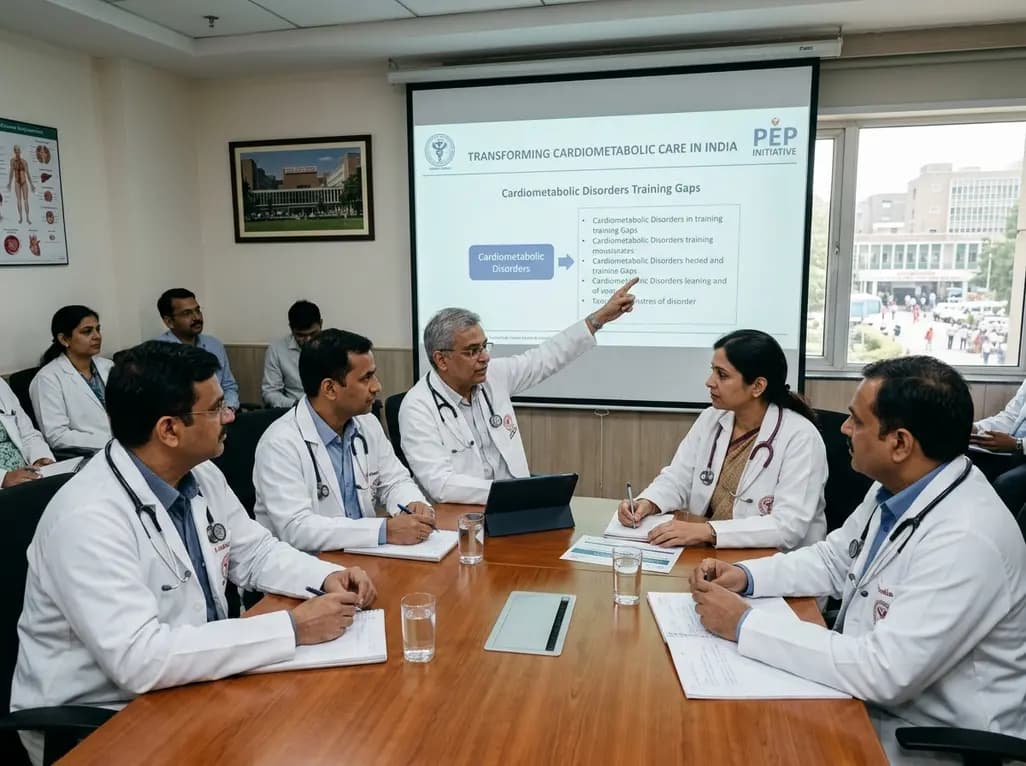
The All India Institute of Medical Sciences has convened national health experts, policymakers, and state nodal officers to transform medical training for cardiometabolic disorders. This collaborative effort under the PEP initiative addresses training gaps to elevate chronic disease care across Indian healthcare.
Today
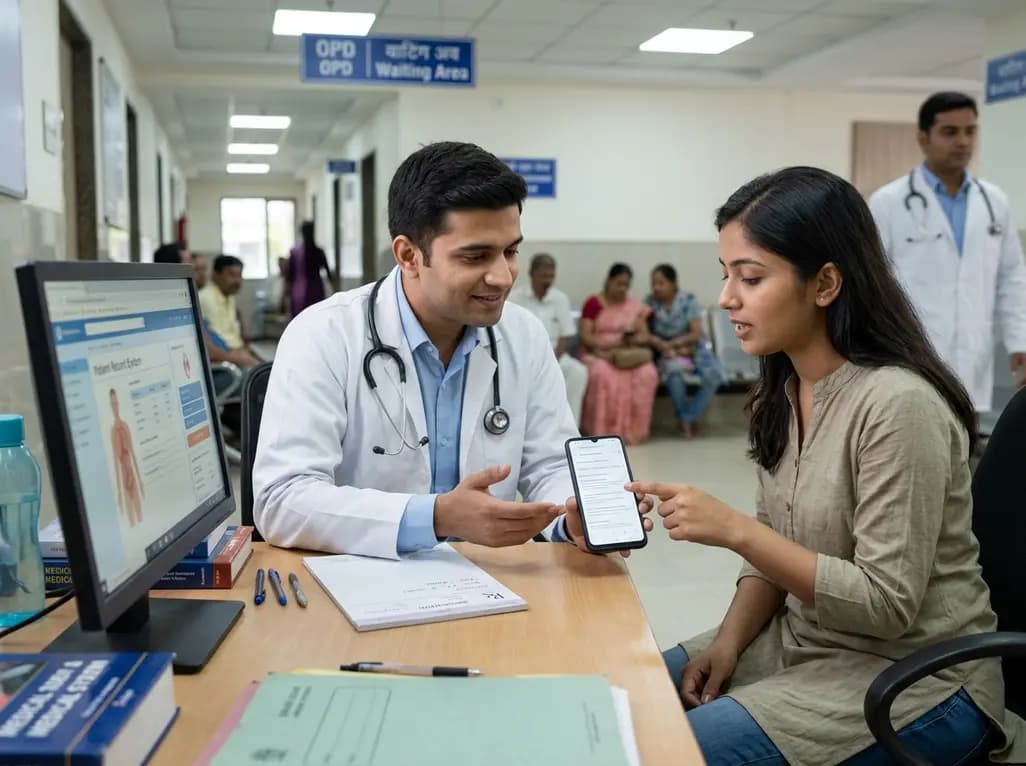
A recent qualitative study examines how college students seek digital sexual health information under persistent uncertainty. Discover the concept of functional trust, the clinical hazards of search abandonment, and evidence-based approaches clinicians can adopt to guide youth toward verified reproductive healthcare.
Today
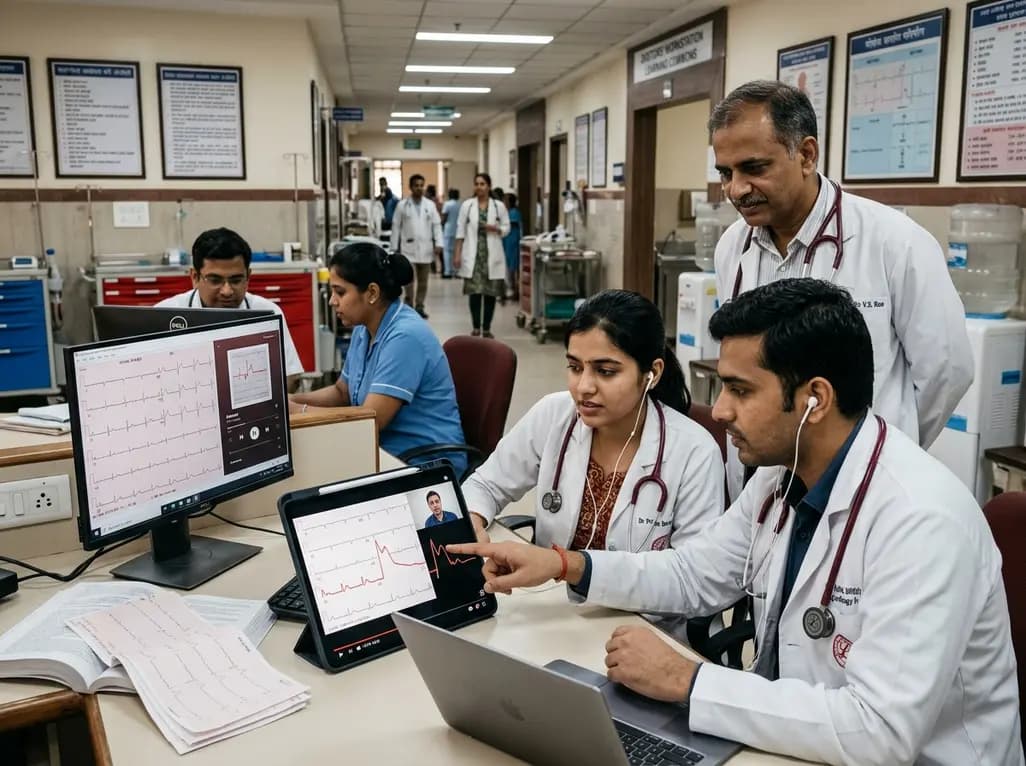
A randomized controlled trial demonstrates that curated FOAMed videos and podcasts produce superior gains in high-risk ECG interpretation and acute coronary syndrome clinical decision-making compared with print-based materials among interprofessional emergency care teams.
Today
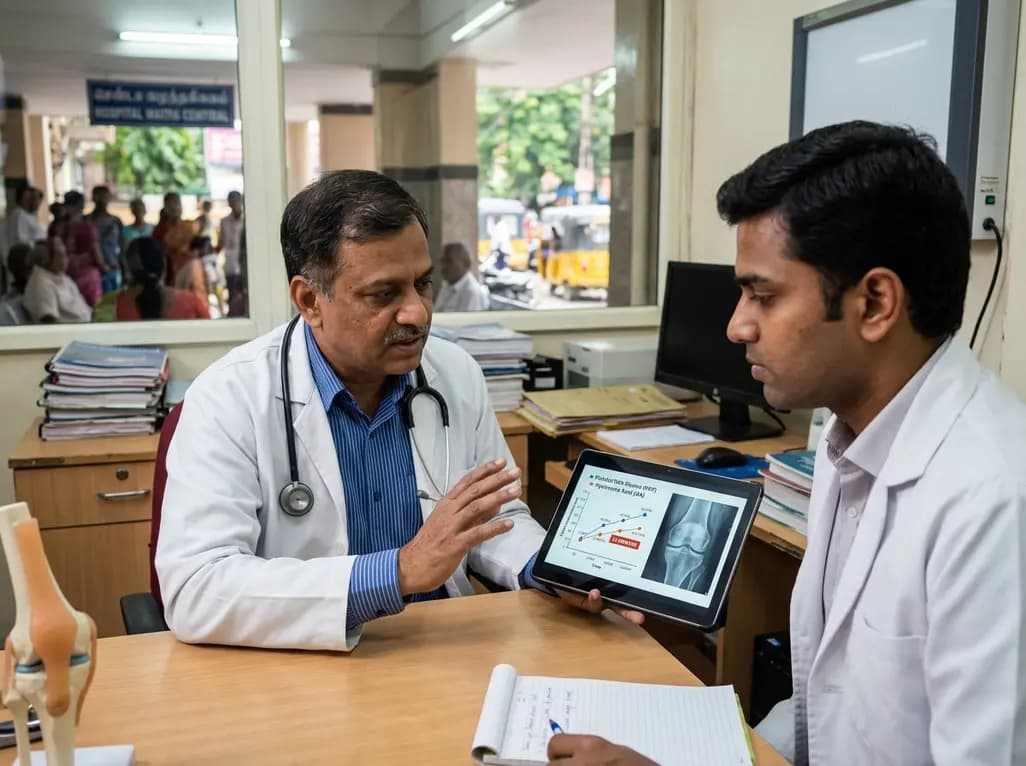
A systematic review and meta-analysis of 21 RCTs reveals that platelet-rich plasma provides small but statistically superior pain relief and functional improvements compared to hyaluronic acid at 12 months in knee osteoarthritis, influenced by platelet concentration and leukocyte enrichment.
Today
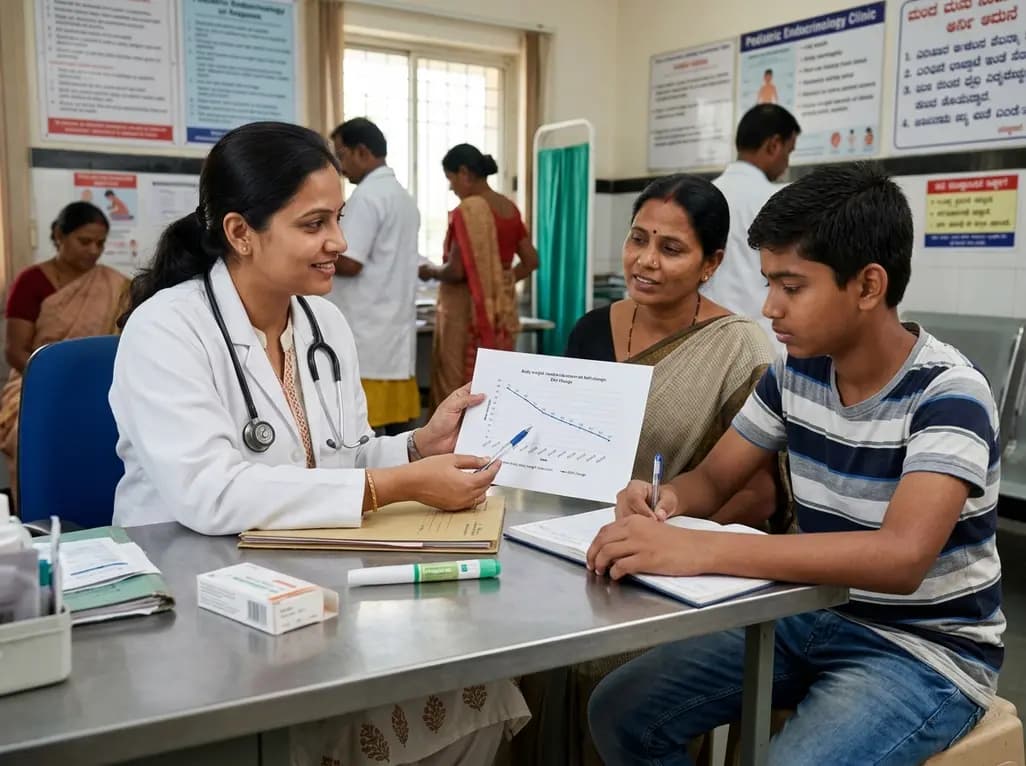
A multicenter real-world prospective study in Taiwan demonstrates that liraglutide effectively reduces body weight and BMI standard deviation score in adolescents with obesity. The therapy shows a favorable safety profile with mild gastrointestinal adverse events and zero treatment discontinuations due to intolerance.
Today
