.webp&w=384&q=75)

Loading, please wait...
Loading, please wait...
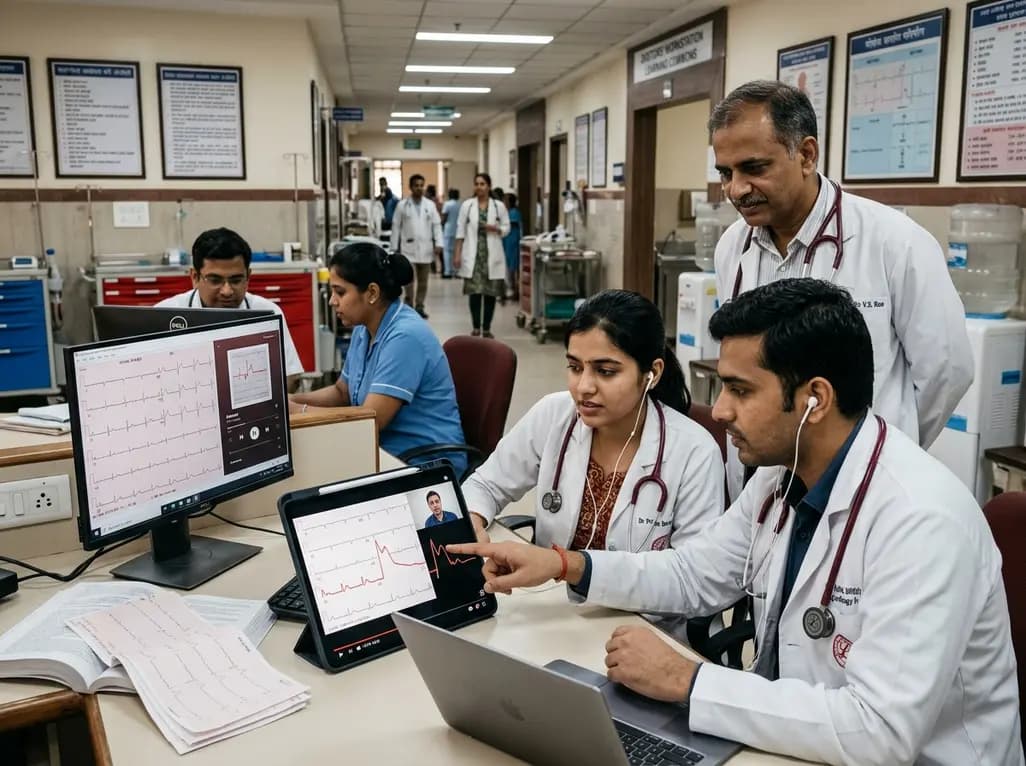
Timely recognition of coronary occlusion remains a paramount challenge in emergency clinical care. Consequently, mastering high-risk ECG interpretation allows frontline clinicians to prevent irreversible myocardial damage and save patient lives. Traditional cardiovascular training primarily emphasizes standard millimeter criteria for ST-segment elevation myocardial infarction. However, classic threshold-based guidelines frequently miss subtle occlusion patterns in daily emergency practice. Clinicians encounter many subtle presentations that do not satisfy traditional elevation criteria. For instance, occlusions of the left circumflex or diagonal coronary branches often produce minimal ST deviations. Furthermore, dynamic conditions such as de Winter patterns or hyperacute T-waves represent complete arterial cutoffs requiring emergent reperfusion. Unfortunately, substantial diagnostic knowledge deficits persist across emergency care teams, including paramedics and hospital physicians. Traditional textbooks and static paper handouts rarely convey the rapid electrical changes seen during acute ischemia. Moreover, demanding clinical shifts leave healthcare workers with minimal time for structured classroom lectures. As a result, educational specialists must establish innovative instructional tools tailored to busy frontline schedules. Concise multimedia resources offer a promising pathway to address this persistent educational gap.
To investigate innovative pedagogical methods, researchers conducted a prospective randomized controlled mixed methods trial across five academic centers in Germany. Specifically, the investigators enrolled 103 active emergency healthcare professionals representing varied clinical environments. The participant cohort comprised prehospital emergency physicians, certified paramedics, and emergency department medical staff. Furthermore, investigators used concealed allocation to randomize subjects into two distinct learning cohorts. One cohort completed an interactive multimedia module incorporating Free Open Access Medical Education videos and an educational podcast. In contrast, the control cohort received traditional print-based materials presenting identical clinical and electrophysiological facts. Both learning interventions consisted of a focused 30-minute supervised self-study period. Importantly, the instructional content avoided routine criteria and instead explored complex occlusion myocardial infarction patterns and guideline-recognized STEMI equivalents. The researchers utilized automated, blinded testing protocols to examine two coprimary endpoints without observer bias. These primary endpoints quantified electrocardiogram diagnostic accuracy and case-based acute coronary syndrome clinical decision-making. Additionally, investigators evaluated subjective learner confidence, overall educational satisfaction, and structured qualitative reflections. This rigorous design ensured a balanced comparison between modern digital instruction and standard paper guides.
The quantitative findings demonstrated substantial educational advantages for digital media over conventional printed literature. Notably, all 103 enrolled healthcare providers completed the post-intervention assessments without any subject dropouts. Both instructional cohorts showed demonstrable performance improvements following their respective 30-minute self-learning sessions. However, clinicians assigned to the multimedia module achieved significantly larger performance gains across both coprimary metrics. Specifically, ECG diagnostic accuracy in the multimedia group rose from 55 percent at baseline to 65.5 percent after training. In contrast, the print cohort improved modestly from 57 percent to 60 percent. This divergence in diagnostic gain generated an effect size of eta-squared 0.055. Furthermore, scenario-based clinical decision-making revealed an even stronger positive shift favoring digital instruction. Healthcare providers in the multimedia cohort increased their decision-making accuracy from 45 percent to 68 percent. Meanwhile, participants in the print group advanced from 47 percent to 63 percent, yielding an effect size of 0.044. Additionally, exploratory subgroup analyses showed uniform educational gains across all participant ages, genders, and professional specialties. These data confirm that digital microlearning accelerates acute diagnostic competency across interprofessional emergency care teams.
A pivotal innovation of this instructional program involved shifting the educational paradigm toward occlusion myocardial infarction. Standard emergency triage protocols often rely strictly on classic millimeter thresholds for ST-segment elevation. Consequently, emergency clinicians frequently classify acute total coronary occlusions as moderate-risk non-STEMI presentations. This common diagnostic misclassification delays urgent cardiac catheterization and reperfusion therapy for critically ill individuals. Therefore, modern training modules must emphasize non-canonical STEMI equivalents that indicate acute coronary occlusion. For example, de Winter patterns display distinctive upsloping ST depressions that resolve into tall, symmetrical precordial T-waves. Similarly, Wellens syndrome presents with deeply inverted or biphasic T-waves in leads V2 and V3, warning of severe left anterior descending artery disease. Additionally, the modified Sgarbossa criteria enable clinicians to identify occlusive infarction within paced rhythms or left bundle branch block. Frontline practitioners must also detect subtle reciprocal depressions in lead aVL during early inferior wall ischemia. Through animated clinical overlays, multimedia modules clarify how these subtle waveforms represent acute ischemic events. Ultimately, this enhanced diagnostic understanding empowers providers to initiate rapid interventional therapy and improve patient survival.
Emergency medicine practitioners work under intense operational pressures that leave little time for prolonged didactic coursework. Therefore, exhaustive textbooks and weekend clinical conferences no longer serve the everyday learning demands of prehospital and emergency teams. In contrast, modular Free Open Access Medical Education microlearning fits easily into busy hospital routines. The qualitative responses collected during the trial illustrated why clinicians overwhelmingly favored audio-visual learning tools. Specifically, participants emphasized that video demonstrations provided clear visual framing and direct clinical relevance. Dynamic recordings permitted clinicians to connect complex electrocardiographic tracings with real coronary angiograms and real patient outcomes. Moreover, portable podcast episodes facilitated effortless self-education during commute periods and inter-facility transit times. Emergency departments and ambulance networks can readily embed these digital modules into mandatory staff orientations and weekly clinical rounds. Furthermore, digital medical libraries allow rapid curricular updates whenever international cardiology organizations revise their guidelines. Consequently, healthcare institutions should adopt curated multimedia modules to reinforce clinical diagnostic competence and sustain high-quality emergency cardiovascular care.
High-risk patterns represent acute transmural coronary occlusion occurring without standard ST-segment elevation. These critical patterns include de Winter T-waves, Wellens syndrome, posterior wall myocardial infarction, and lead aVR elevation with diffuse depressions. Additionally, clinicians use modified Sgarbossa criteria to detect coronary occlusion in ventricular-paced rhythms or left bundle branch block. Recognizing these subtle signs allows emergency teams to activate catheterization teams rapidly, thereby preventing extensive myocardial necrosis.
The FOAMed multimedia module combined dynamic visual demonstrations with structured narrative audio explanations. This multimodal approach enhanced cognitive engagement and clarified complex spatial-temporal ECG concepts far better than static paper illustrations. Furthermore, participants praised the concise clinical framing and realistic case-based pacing of the digital formats. Consequently, learners retained critical diagnostic principles more effectively, which directly translated into superior diagnostic accuracy and faster clinical decision-making during testing.
Healthcare institutions can curate validated online podcasts, clinical videos, and interactive cases into structured onboarding and residency curriculums. Additionally, clinical educators can employ flipped-classroom models where staff review digital modules before attending bedside simulations or morbidity conferences. This hybrid structure ensures that emergency clinicians master foundational electrophysiology independently while receiving expert faculty feedback during interactive clinical practice. Consequently, hospitals achieve consistent quality improvement without placing undue burdens on departmental staffing schedules.
Disclaimer: This content is for informational and educational purposes only... Refer to the latest local and national guidelines for clinical practice.
References

Read summarized clinical updates, watch expert medical content, and earn CME certifications right from your smartphone.
Open your smartphone camera to scan and install.





A randomized controlled trial demonstrates that curated FOAMed videos and podcasts produce superior gains in high-risk ECG interpretation and acute coronary syndrome clinical decision-making compared with print-based materials among interprofessional emergency care teams.
Today

Intimate partner violence during pregnancy significantly increases the risk of miscarriage, premature membrane rupture, and fetal growth restriction. This clinical review explores epidemiological insights, maternal depression, medico-legal documentation, and universal antenatal screening strategies.
Today

A Bayesian network meta-analysis evaluates exercise training in HFpEF, demonstrating that combined aerobic and resistance training, HIIT, and moderate continuous training significantly enhance peak VO2, while functional electrical stimulation uniquely improves quality of life without altering cardiac remodeling.
Today
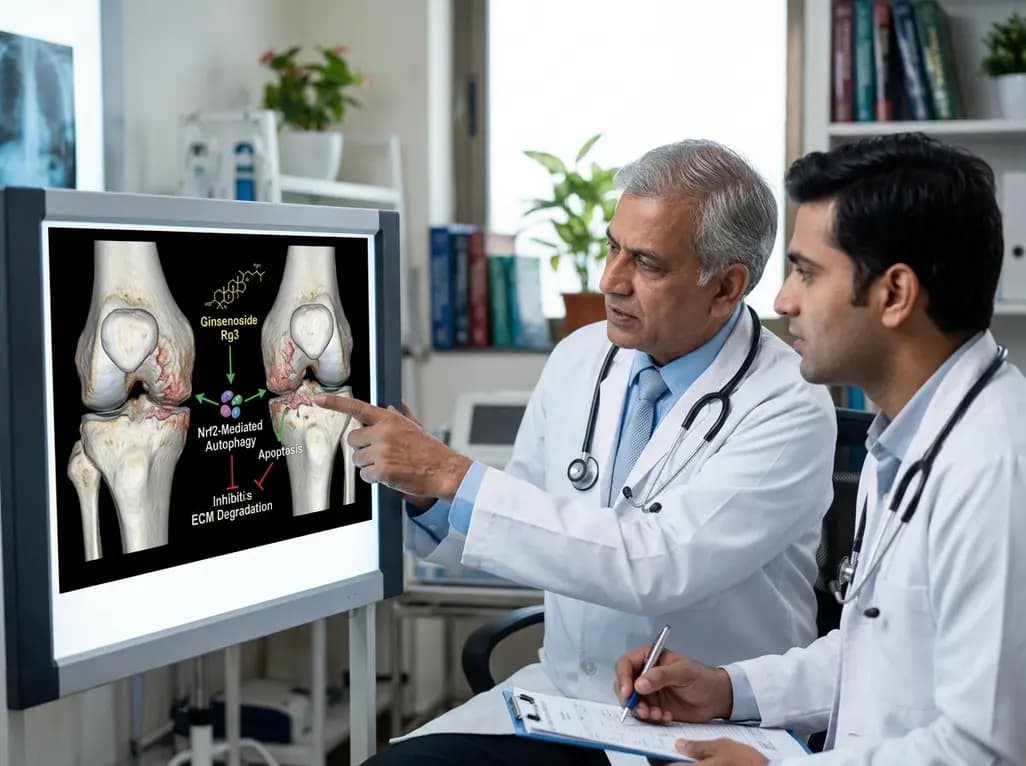
A study reveals that Ginsenoside Rg3 attenuates osteoarthritis progression by modulating the Nrf2-mediated autophagy pathway, reducing chondrocyte apoptosis, and curbing extracellular matrix degradation, offering promising chondroprotective potential.
Today
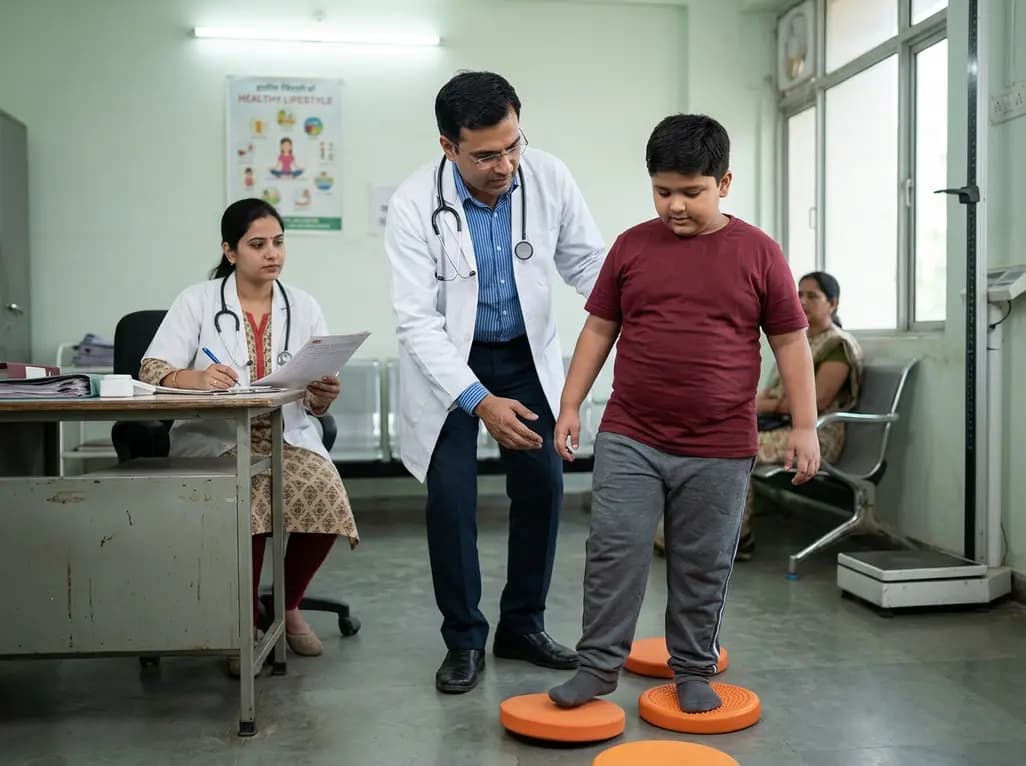
A cross-sectional study demonstrates that lower pediatric motor competence strongly correlates with adverse metabolic syndrome markers, including central adiposity, elevated triglycerides, and low HDL cholesterol, emphasizing early neuromuscular interventions in youth with overweight and obesity.
Today
