.webp&w=384&q=75)

Loading, please wait...
Loading, please wait...

Researchers recently investigated the knowledge, attitudes, and practices (KAP) of high-risk individuals regarding obstructive sleep apnea management. Although many participants demonstrated a foundational understanding of the condition, a significant disparity remains between patient knowledge and symptom management. Specifically, participants scored well on knowledge, yet only 25.95% reached the practice threshold.
The study identified several critical factors that influence health outcomes. Older age and lower household income independently correlated with lower practice scores. Conversely, higher educational attainment positively influenced knowledge levels. Furthermore, structural equation modeling showed that while knowledge fosters positive attitudes, it does not automatically ensure better health practices. Consequently, clinical interventions must address barriers like affordability and self-efficacy instead of relying solely on education. In India, the INOSA guidelines emphasize the importance of comprehensive sleep evaluation for high-risk patients with obesity or hypertension.
Additionally, clinicians should prioritize streamlining the referral process for polysomnography. Improving access to positive airway pressure (PAP) therapy is also essential for effective long-term care.
Knowledge alone is often insufficient to change health behaviors. Barriers such as the high cost of diagnosis, lack of access to specialized clinics, and low patient self-efficacy often hinder the transition from understanding OSA to actively managing it.
High-risk groups include individuals with obesity, hypertension, diabetes, and those of advanced age. Clinical guidelines recommend that these patients undergo comprehensive sleep evaluations if they present with snoring or daytime sleepiness.
Disclaimer: This content is for informational and educational purposes only. It does not constitute medical advice or establish a doctor-patient relationship. Refer to the latest local and national guidelines for clinical practice.
References
Wu Y et al. Knowledge, attitudes, and practices toward obstructive sleep apnea among high-risk populations. BMC Public Health. 2026 Feb 17. doi: 10.1186/s12889-026-26683-z. PMID: 41703528.
Sharma SK, et al. Consensus and evidence-based Indian initiative on obstructive sleep apnea guidelines 2014 (first edition). Lung India. 2015;32(Suppl S4):422-34.
Khan AF. Obstructive Sleep Apnea In An Indian Population: A Cross Sectional Study. Int J Med Stud. 2023;11(4):275-281.

Read summarized clinical updates, watch expert medical content, and earn CME certifications right from your smartphone.
Open your smartphone camera to scan and install.





A study on high-risk populations highlights a gap between OSA knowledge and practice, emphasizing the need for interventions beyond education....
8 months ago
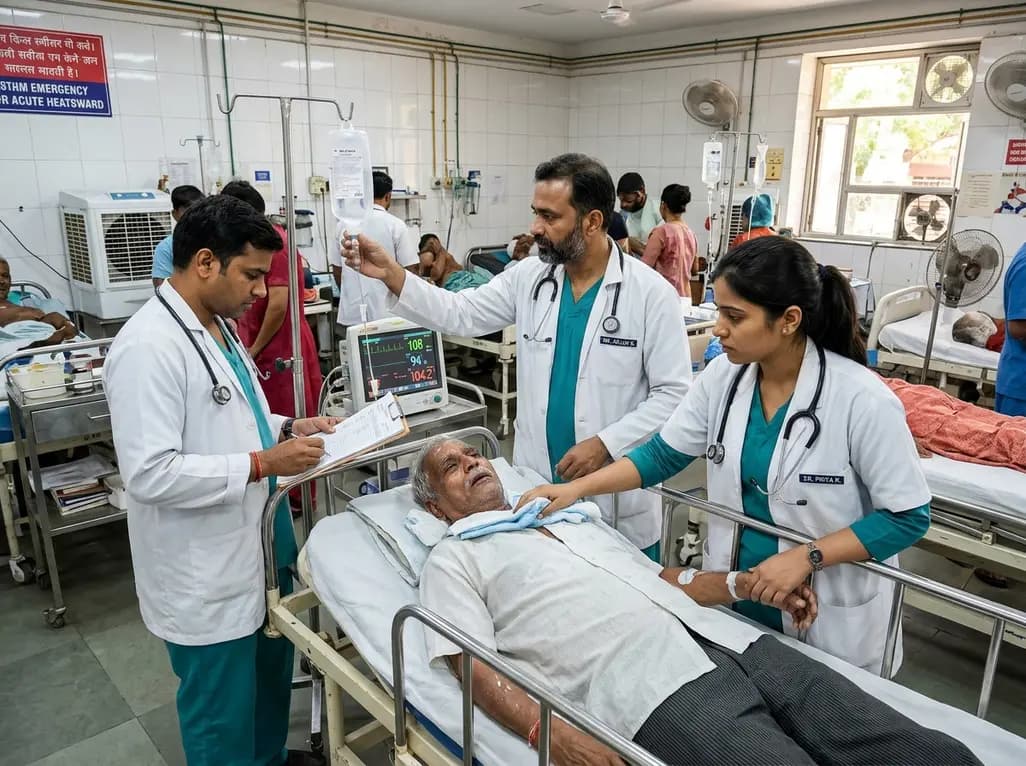
Recent epidemiological data reveals a dramatic surge in summer heat mortality driven by human-induced climate warming. This analysis explores the pathophysiological impacts on cardiac and renal systems, diagnostic dilemmas in death certification, and essential emergency cooling protocols for acute clinical care.
Today

Odisha has established India's first state-level clinical protocol specifically tailored for pregnant women with sickle cell disease. Developed with NHM and UNICEF, the framework provides structured antenatal screening, crisis mitigation, standardized referral pathways, and specialized interdisciplinary care.
Today

India is advancing preventive healthcare by integrating genomics, artificial intelligence, and quantum technologies. With the SANGAM programme sequencing one million Indian genomes, clinicians can unlock personalized therapies, detect cardiometabolic risks early, and curb the burden of diabetes and heart disease.
Today
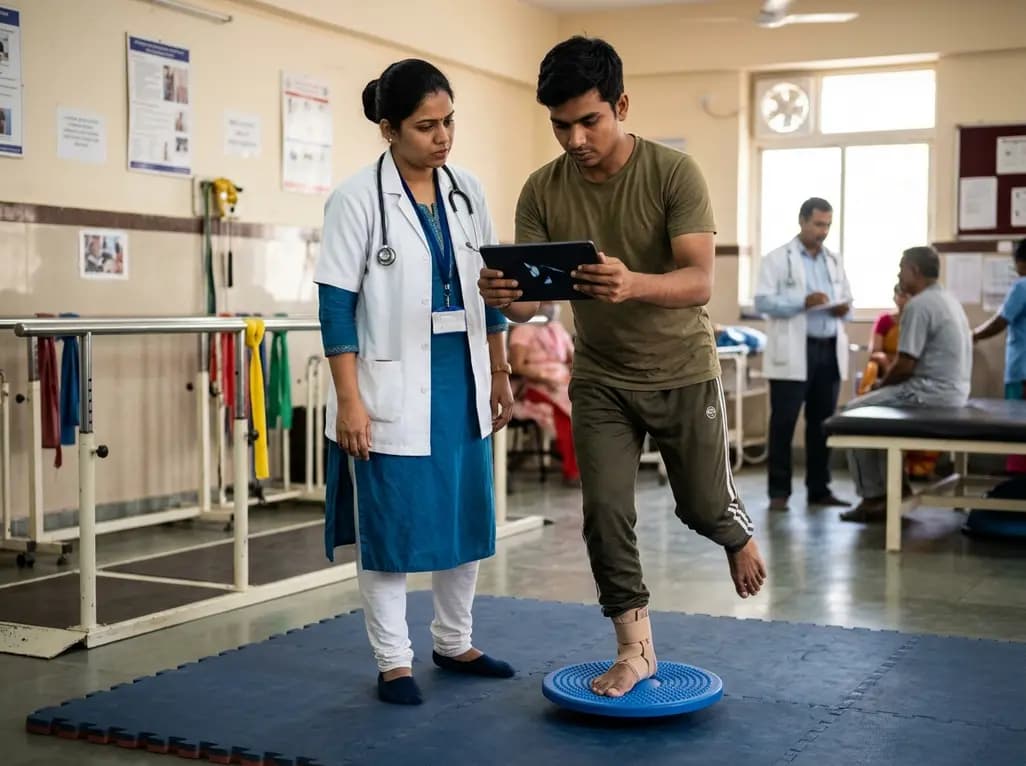
A randomized controlled trial demonstrates that an eight-week dual-task training intervention significantly improves static and dynamic postural control over standard balance exercises in individuals with chronic ankle instability, addressing critical neurocognitive deficits during athletic and daily activities.
Today

A retrospective cohort study of 7,716 ICU patients from the MIMIC-IV database demonstrates that Gradient Boosting Decision Trees significantly outperform traditional SOFA scores in predicting in-hospital mortality among patients with sepsis and diabetes, with SHAP analysis providing clinical interpretability.
Today
