.webp&w=384&q=75)

Loading, please wait...
Loading, please wait...
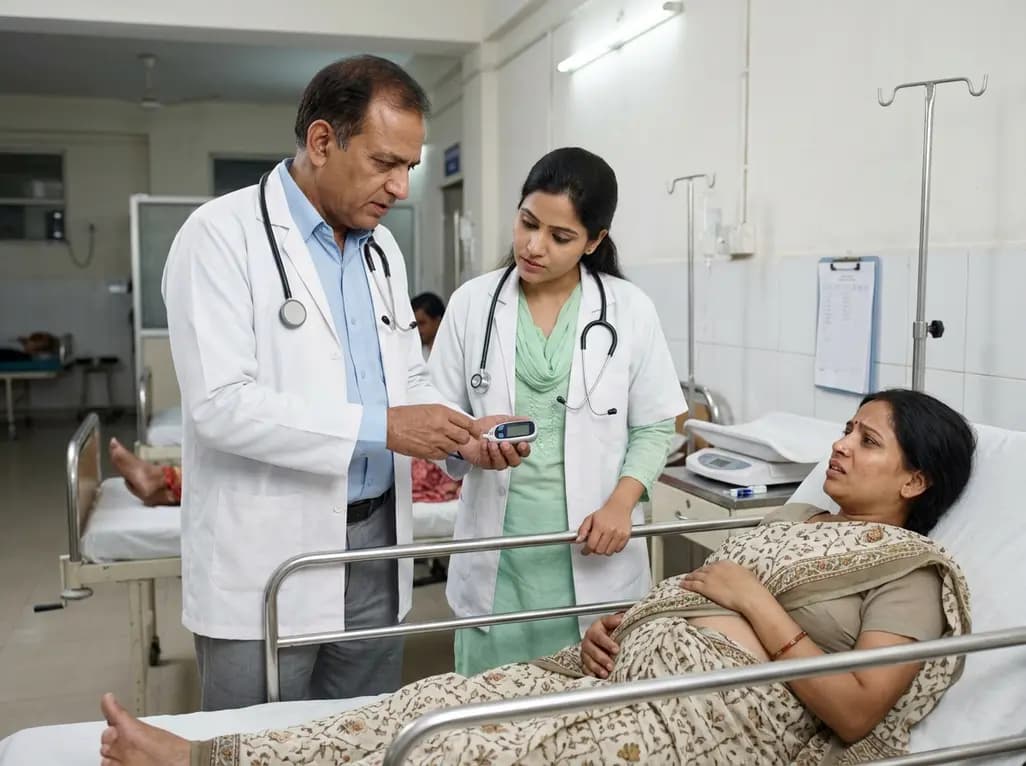
Obstructed labor remains a significant cause of maternal and perinatal mortality worldwide, particularly in low-resource settings. Identifying obstructed labor risk factors is essential for clinicians to implement timely interventions and improve delivery outcomes. A recent study highlights how a convergence of physiological vulnerabilities and systemic health failures contributes to this preventable condition.
The study identifies cephalopelvic disproportion (CPD) as the leading cause of obstructed labor, accounting for 63.3% of cases. Maternal health status prior to and during pregnancy plays a decisive role. For instance, diabetes in pregnancy was associated with a nine-fold increase in the risk of obstruction. Furthermore, maternal overweight body mass index (BMI) and a neonatal birth weight exceeding 3.5 kg significantly elevated the likelihood of complications. These findings emphasize the importance of metabolic screening and fetal weight monitoring during the antenatal period.
Systemic barriers often exacerbate clinical risks. Women referred from other health facilities faced a seven-fold higher risk of obstructed labor, often due to delays in the referral chain. Additionally, labor duration of 12 hours or more was a major predictor of poor outcomes. The study also noted that attending fewer than four antenatal care (ANC) visits significantly increases vulnerability, as it reduces the opportunity for early identification of high-risk cases. Moreover, a previous history of obstructed labor or being primiparous serves as a critical red flag for obstetricians.
To reduce the burden of this condition, healthcare systems must focus on strengthening the continuum of maternal care. Key priorities include improving diabetes screening and early risk identification during ANC. Furthermore, clinicians should ensure the consistent use of partographs for intrapartum monitoring to identify prolonged labor early. Streamlining referral pathways from peripheral clinics to tertiary centers is also vital to bypass the \"three delays\" that often lead to maternal near-miss events or mortality.
The most common factors include cephalopelvic disproportion, gestational diabetes, maternal obesity, and high neonatal birth weight. Systemic factors such as inadequate antenatal care and delayed referrals from lower-tier facilities also play a major role.
Primiparity is a major risk factor, whereas multiparity is associated with a significant reduction in risk. First-time mothers require more intensive monitoring for potential obstruction compared to those who have had successful prior vaginal deliveries.
The partograph is a critical tool for intrapartum monitoring. It allows healthcare providers to track labor progress in real-time, helping to identify and manage prolonged labor before it leads to serious obstruction or uterine rupture.
Disclaimer: This content is for informational and educational purposes only. It is not intended as medical advice or a substitute for professional clinical judgment. Refer to the latest local and national guidelines for clinical practice.
References
Abdi AA et al. Determinants of obstructed labor among pregnant women in Mogadishu, Somalia: A case-control study. Int J Gynaecol Obstet. 2026 Jun 13. doi: 10.1002/ijgo.71136. PMID: 42287096.
World Health Organization. Managing Complications in Pregnancy and Childbirth: A Guide for Midwives and Doctors. 2nd ed. Geneva; 2017.
Sinha AR. Incidence, causes and feto-maternal outcomes of obstructed labour in a tertiary health care centre, Bihar, India. Int J Reprod Contraception, Obstet Gynecol. 2017;6(11):4956-4960.
"
Read summarized clinical updates, watch expert medical content, and earn CME certifications right from your smartphone.
Open your smartphone camera to scan and install.





A case-control study identifies key determinants of obstructed labor, such as gestational diabetes, maternal BMI, and late referrals. Understanding these factors is crucial for enhancing maternal care and reducing mortality in high-burden settings.
4 months ago

Novel diimide and hydrazone scaffolds, particularly compound #C4, synergistically reactivate latent HIV-1 when combined with JQ1 or PKC activators. Demonstrating donor-matched proviral transcription ex vivo and non-canonical signaling, these findings advance shock and kill strategies toward reservoir eradication.
Today

A comparative cohort study evaluates vNOTES vs TLH hysterectomy for benign conditions, demonstrating shorter operative duration, faster return to daily activities, and equivalent female sexual function scores without increased dyspareunia.
Today

Review how tailored exercise programs benefit frail older patients with heart failure. Explore pathophysiological mechanisms, individualized training prescriptions, and strategies to overcome adherence barriers in clinical practice.
Yesterday

This comparative study evaluates posterior labral tears with and without glenohumeral instability, highlighting distinct demographic patterns, MRI underestimation in stable shoulders, and successful arthroscopic repair outcomes.
Yesterday

A clinical study demonstrates that early intervention with tocilizumab, either as monotherapy or bridged with corticosteroids, achieves significant proptosis reduction and resolves active inflammation in treatment-naive thyroid eye disease.
Today
