.webp&w=384&q=75)

Loading, please wait...
Loading, please wait...
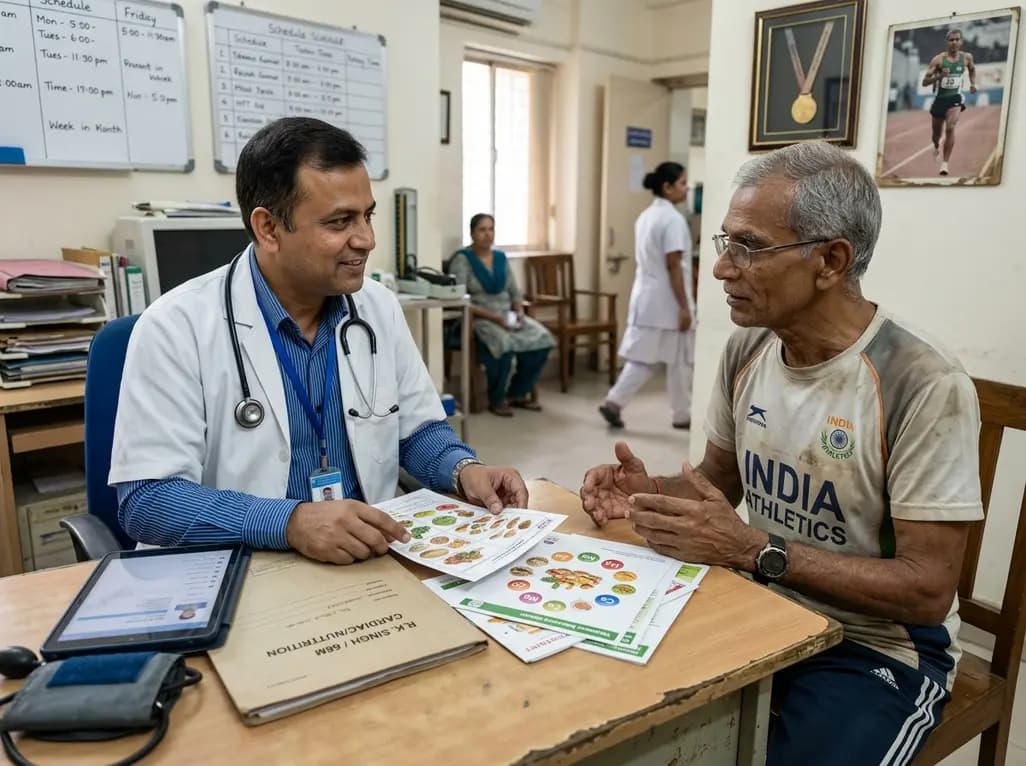
Elite sporting achievements early in life do not provide lifelong immunity against metabolic deterioration or nutritional insufficiency. Consequently, understanding nutrition in older athletes represents an essential clinical priority for geriatricians, sports physicians, and primary care practitioners. Historically, clinicians often assumed that former elite competitors maintained superior dietary discipline into late adulthood. However, empirical findings demonstrate that biological aging spares no individual, regardless of their athletic history. The investigated cohort comprised thirty-three retired elite competitors with a mean age of seventy-six years. Notably, these athletes represented New Zealand in international competitions between 1956 and 1990. Researchers assessed nutritional patterns using three structured twenty-four-hour dietary recalls. Overall, male participants consumed approximately 9,499 kilojoules daily, whereas female participants reported 7,404 kilojoules per day. Although these quantities surpass values seen in typical elderly cohorts, caloric volume does not equal nutritional quality. In fact, high energy intake often masks significant micronutrient gaps and unbalanced macronutrient ratios. Furthermore, metabolic requirements alter substantially as lean muscle tissue gradually declines with advancing age. Therefore, healthcare providers must evaluate true nutritional density rather than trusting historical lifestyle prestige.
The macronutrient distribution among these retired athletes revealed surprising departures from standard dietary recommendations. Specifically, both men and women failed to meet the Acceptable Macronutrient Distribution Ranges for core energy substrates. Participants consumed significantly fewer carbohydrates than recommended targets suggest for sustained metabolic wellness. Conversely, both sexes ingested excessive quantities of total dietary fat and saturated fatty acids. This dietary configuration raises serious clinical concerns regarding cardiovascular risk and long-term lipid metabolism. In older populations, excessive saturated fat consumption accelerates atherogenesis, impairs endothelial reactivity, and exacerbates systemic low-grade inflammation. Furthermore, inadequate complex carbohydrate intake diminishes beneficial dietary fiber, which directly compromises intestinal microbiome composition and glycemic stability. Many older adults inadvertently adopt high-fat eating patterns because fats enhance palatability when taste perception diminishes with age. Nevertheless, physicians and clinical dietitians must counsel patients on replacing saturated fats with heart-healthy monounsaturated and polyunsaturated lipids. In addition, encouraging the intake of fiber-rich whole grains promotes healthy postprandial glucose control. Consequently, balancing macronutrient distribution remains a cornerstone of cardiovascular protection in aging sports veterans.
Micronutrient inadequacy represents a silent threat that disproportionately undermines musculoskeletal resilience and immune competence in older populations. Strikingly, every female participant in the cohort failed to achieve the Estimated Average Requirement for calcium. In addition, fifty-six percent of male participants exhibited calcium intakes below recommended clinical thresholds. This widespread calcium shortfall elevates the risk of osteopenia, osteoporosis, and devastating fragility fractures in late life. Similarly, male competitors demonstrated pronounced vulnerabilities in essential trace mineral consumption. In particular, sixty-six percent of men had inadequate zinc intake, while forty-one percent consumed insufficient magnesium. Zinc serves as an indispensable cofactor for protein synthesis, cellular repair, and immune responsiveness. Meanwhile, magnesium modulates neuromuscular transmission, cardiac electrophysiology, and vascular resistance. Therefore, chronic subclinical deficiencies in these elements undermine vital organ systems and physical functional reserve. Healthcare professionals should actively screen geriatric patients for hidden micronutrient shortfalls using targeted dietary histories. Moreover, clinicians must consider personalized supplementation strategies whenever regular dietary sources cannot satisfy nutritional targets. Ultimately, preserving micronutrient sufficiency protects bone mineral density and prevents premature frailty among older adults.
Society often attributes enduring physical advantages and perpetual resilience to former world-class competitors. Nevertheless, epidemiological evidence confirms that early athletic discipline does not permanently protect against population-wide aging challenges. Retired athletes encounter identical socioeconomic, sensory, and metabolic obstacles as other aging adults. For instance, dental issues, reduced taste sensation, and altered appetite cues affect older individuals across all backgrounds. Consequently, former athletes frequently adopt modern convenience foods that feature high saturated fat and low essential nutrients. In addition, retired competitors sometimes maintain outdated training-era eating patterns that no longer match their lower energy expenditure. This mismatch fosters progressive adiposity and blunts anabolic responsiveness in skeletal muscle. Furthermore, biological senescence inevitably alters nutrient absorption, renal conservation, and gut motility over time. Therefore, practitioners must never assume that an athletic pedigree protects against sarcopenia or nutrient malabsorption. Instead, doctors should view retired athletes through an objective geriatric lens that acknowledges common vulnerabilities. Accordingly, clinicians must deliver unbiased, comprehensive nutritional evaluations during every clinical visit. Proactive surveillance ensures that subtle metabolic deficits do not escape timely clinical intervention.
Managing the nutritional health of older retired athletes requires tailored, multidisciplinary clinical approaches. First, primary care practitioners should conduct structured nutritional screenings during routine preventive health checkups. In particular, validated assessment tools and dietary logs help identify hidden macro- and micronutrient disparities. Next, clinicians should refer patients to registered dietitians for individualized medical nutrition therapy. Dietetic counseling should specifically focus on reducing saturated fats while incorporating lean proteins, legumes, and omega-3 fatty acids. Furthermore, providers must emphasize adequate calcium intake through dairy products, fortified foods, or targeted mineral supplements. Similarly, clinicians should encourage magnesium-rich leafy greens and zinc-rich seeds, nuts, and poultry to support immune health. In addition, physicians must monitor vitamin D status alongside calcium to optimize skeletal preservation and muscle strength. Regular physical resistance training should accompany these dietary modifications to combat sarcopenic muscle loss effectively. Ultimately, personalized lifestyle interventions allow aging veterans to maintain functional mobility and independence throughout their senior years. Consequently, comprehensive care plans empower older individuals to age with vitality and confidence.
Retired elite athletes often experience micronutrient shortfalls because aging diminishes physiological absorption efficiency, gastric acid secretion, and appetite. Furthermore, many former competitors rely on convenient foods high in saturated fat and refined ingredients. Consequently, they consume fewer whole grains, dairy products, nuts, and fresh vegetables. These dietary shifts directly decrease essential intakes of calcium, zinc, and magnesium, demonstrating that past athletic discipline does not protect against typical age-related nutritional declines.
Clinicians must actively guide older adults toward heart-healthy unsaturated fat sources to mitigate cardiovascular hazards. Specifically, practitioners should advise substituting butter, high-fat dairy, and fatty meats with olive oil, avocados, nuts, and fatty fish. In addition, dietitians should recommend complex carbohydrates rich in soluble fiber to lower atherogenic lipoproteins. Therefore, structured dietary counseling helps rebalance the macronutrient profile, preserves vascular endothelial function, and supports long-term metabolic stability without sacrificing necessary total energy intake.
Healthcare providers should employ comprehensive geriatric nutritional screening tools, such as the Mini Nutritional Assessment, during routine outpatient examinations. Moreover, physicians must obtain multi-day dietary recalls to evaluate specific micronutrient quantities accurately. Routine laboratory evaluations, including serum calcium, magnesium, 25-hydroxyvitamin D, and albumin, provide objective physiological insights. When clinicians combine biochemical testing with detailed dietary evaluations, they can identify insidious mineral deficits promptly, enabling early prescription of personalized dietary modifications and targeted oral supplementation.
Disclaimer: This content is for informational and educational purposes only... Refer to the latest local and national guidelines for clinical practice.
References

Read summarized clinical updates, watch expert medical content, and earn CME certifications right from your smartphone.
Open your smartphone camera to scan and install.





A study of older retired Olympic and Commonwealth athletes reveals significant dietary imbalances, including high saturated fat and low calcium, zinc, and magnesium intake, showing that past athleticism does not confer nutritional immunity against age-related challenges.
Today
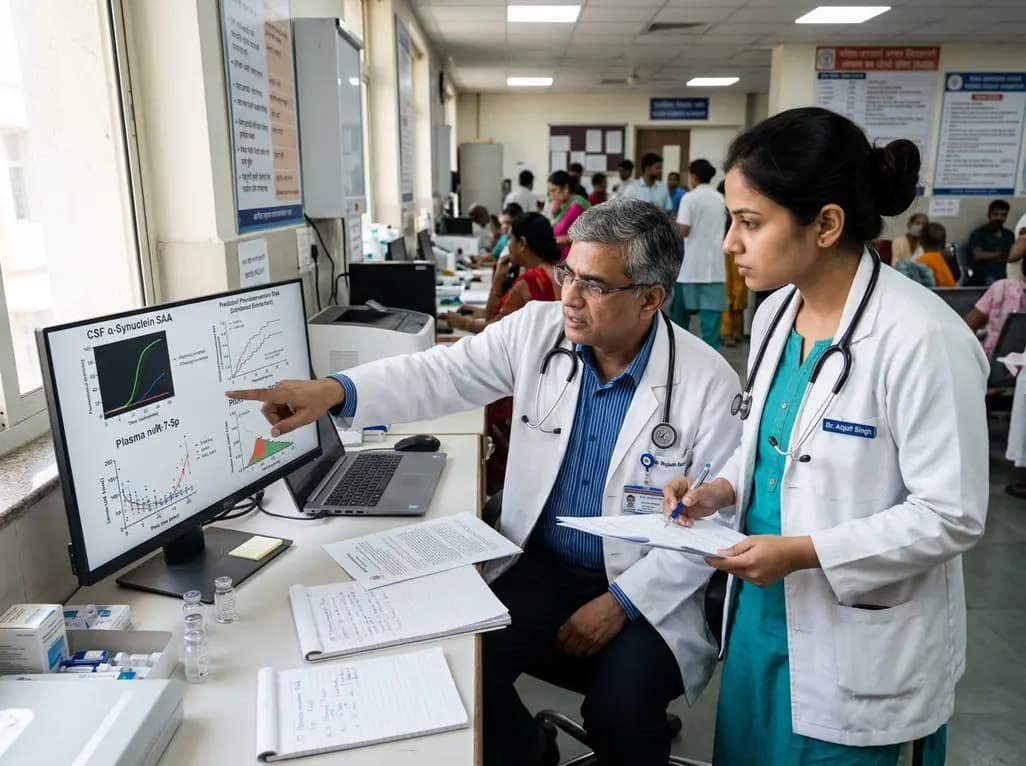
A new PPMI cohort study demonstrates that combining blood microRNA-7-5p with CSF alpha-synuclein seed amplification assay significantly improves the prediction of Parkinson's disease phenoconversion, offering clinicians and researchers a powerful tool for patient risk stratification and clinical trial enrichment.
Today

A large retrospective study evaluates the screening accuracy, positive predictive value, and test failure rates of noninvasive prenatal testing (NIPT) in assisted reproductive technology (ART) pregnancies compared to spontaneous conceptions, highlighting key considerations for pretest counseling.
Today

Differential oxygenation during peripheral TA-NRP can cause undetected coronary hypoxemia due to arch vessel clamping. A novel circuit with continuous aortic root monitoring detects desaturation early, facilitating left ventricular unloading and preventing allograft dysfunction and unnecessary heart discard.
Today
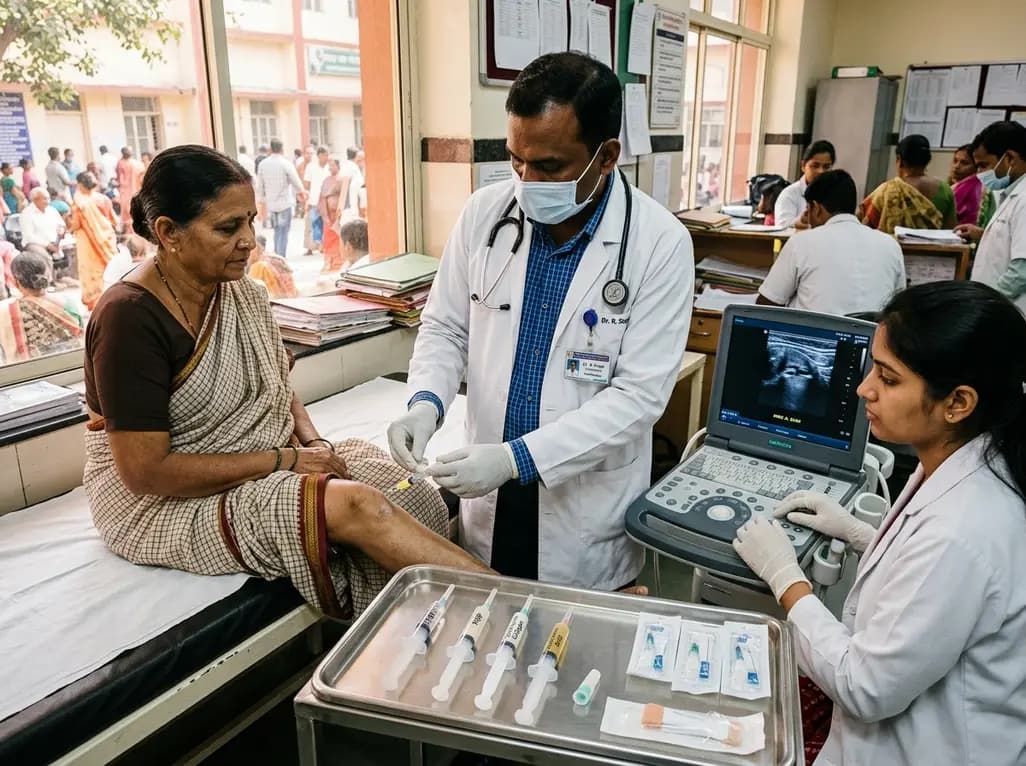
A randomized controlled trial compared ultrasound-guided intra-articular injections of PRP, hydrolyzed type I collagen, and hyaluronic acid in knee osteoarthritis. All therapies demonstrated significant improvements in WOMAC and pain scores at six months, supporting hydrolyzed collagen as a viable biological option.
Today

A scoping review evaluates 116 studies on AI in women's reproductive health, finding that 83.6% carry high risk of bias. While ensemble models show promise, disparities and lack of validation hinder LMIC deployment.
Today
