.webp&w=384&q=75)

Loading, please wait...
Loading, please wait...
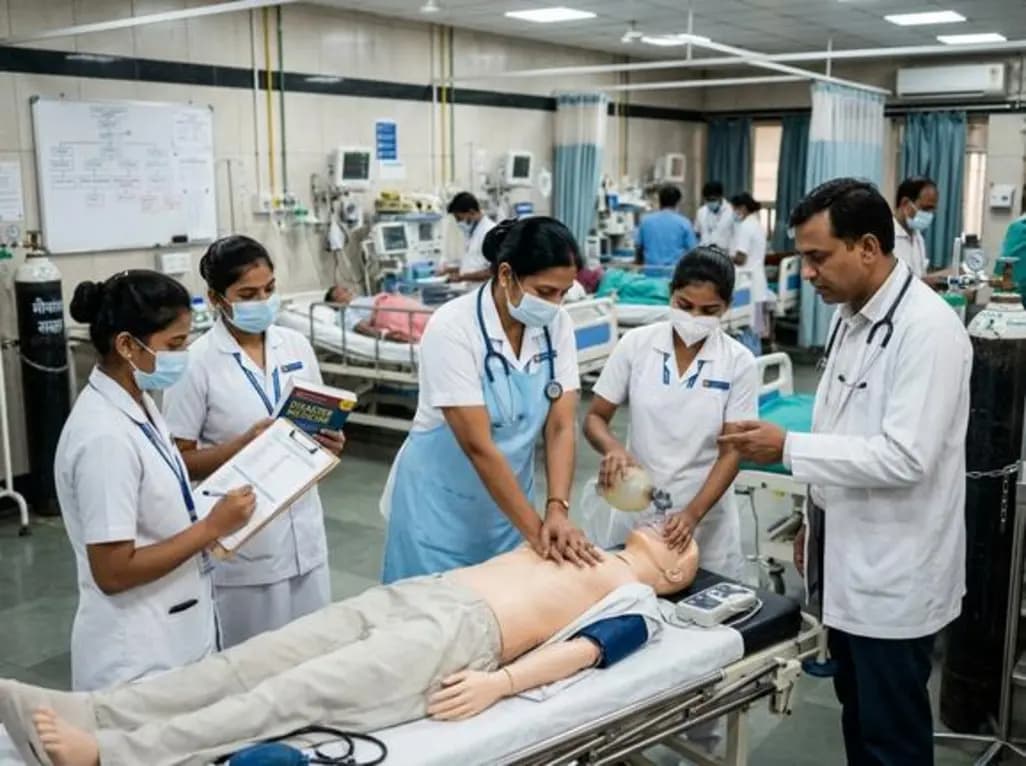
Disasters are increasing in frequency and severity across the globe. However, many healthcare professionals still lack formal education in comprehensive emergency management. To bridge this gap, faculty at a School of Nursing developed a strategic approach to integrate nursing disaster preparedness training into all academic programs. This initiative ensures that graduates are ready to lead effectively during local and national crises.
The faculty used a public health emergency response model to evaluate current educational deficits. Specifically, they analyzed curricula across baccalaureate, master’s, and doctoral levels. The team convened monthly to assess gaps using established emergency response frameworks. Furthermore, they placed a significant emphasis on addressing health disparities in vulnerable populations. Consequently, the framework adopts a hybrid top-down and bottom-up approach to ensure consistent competency standards across all learning levels.
Integrating disaster education throughout nursing curricula prepares graduates for diverse and complex emergency scenarios. Moreover, community-based learning partnerships allow students to gain vital hands-on experience. By using established frameworks, nursing schools can align their teaching with national and global safety standards. Therefore, nurses become more proficient in triage, resource management, and public health safety. Ultimately, this systematic approach enhances the resilience of the entire healthcare system.
Nurses often serve as primary responders during health emergencies. Proper training enables them to manage triage and coordinate complex care efficiently under extreme pressure. This readiness directly improves patient survival rates and speeds up community recovery.
A hybrid approach combines standardized national competencies with community-specific practical training. This ensures that while all nurses meet high-level professional standards, they also understand the unique environmental risks and needs of their local populations.
Disclaimer: This content is for informational and educational purposes only. It does not constitute professional medical advice, diagnosis, or treatment. Always seek the advice of your physician or other qualified health provider with any questions you may have regarding a medical condition. Refer to the latest local and national guidelines for clinical practice.
References
Hilliard W et al. National Disaster Preparedness: Can Nurses Stay Afloat? J Nurs Educ. 2026 Jun 23. doi: 10.3928/01484834-20260519-03. PMID: 42329686.
Indian Nursing Council. Reaching Out: Nursing Care in Emergencies. Government of India; 2024.
National Disaster Management Authority (NDMA). National Disaster Management Guidelines: Hospital Safety. Government of India; 2016.

Read summarized clinical updates, watch expert medical content, and earn CME certifications right from your smartphone.
Open your smartphone camera to scan and install.





With disasters increasing in severity, many nurses lack formal management education. This study explores a new comprehensive model to integrate disaster preparedness across all nursing programs, using competency-based frameworks and community partnerships to ensure readiness for global emergencies.
4 months ago

A retrospective analysis reveals that cavotricuspid isthmus ablation using a variable-loop pulsed field ablation catheter achieves acute conduction block safely and efficiently during concomitant atrial fibrillation procedures.
Today
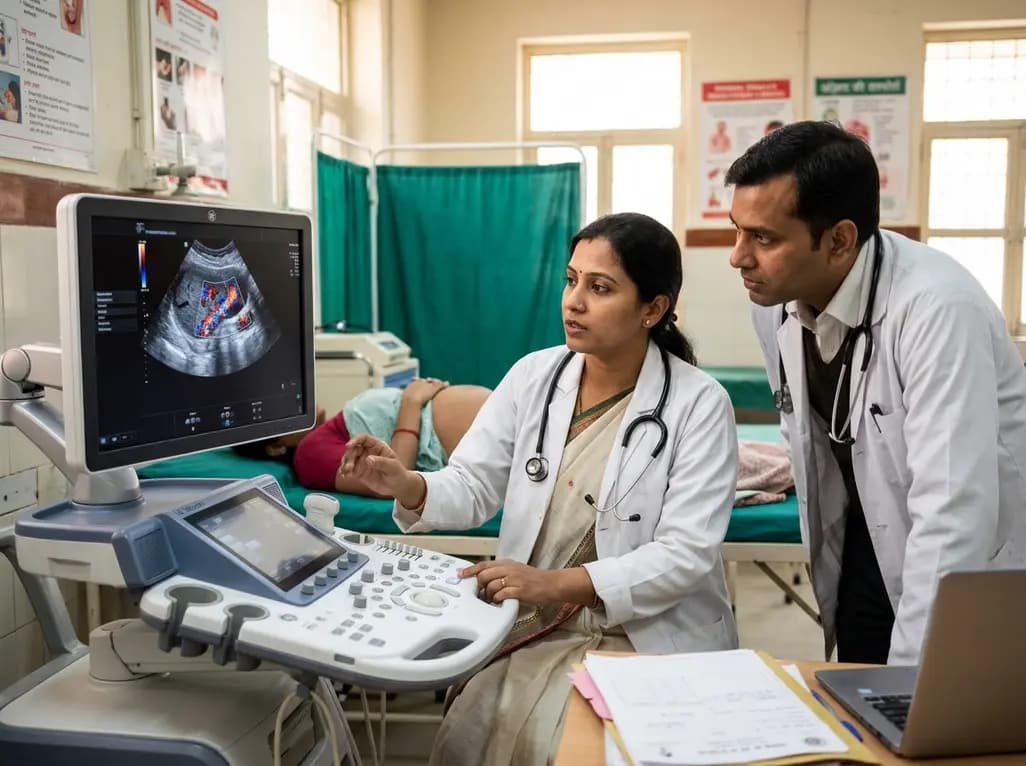
A study in Ultrasound in Obstetrics & Gynecology shows that quantitative vascularization of the anterior fornix/cervix with transvaginal ultrasound reliably identifies placenta accreta spectrum and predicts severe intraoperative hemorrhage, offering vital objective risk stratification.
Today
A clinical study highlights how coupling interval variability assessed through Poincaré plots differentiates right ventricular outflow tract premature ventricular contractions from left ventricular origins, optimizing patient selection and procedural strategy for radiofrequency catheter ablation.
Today
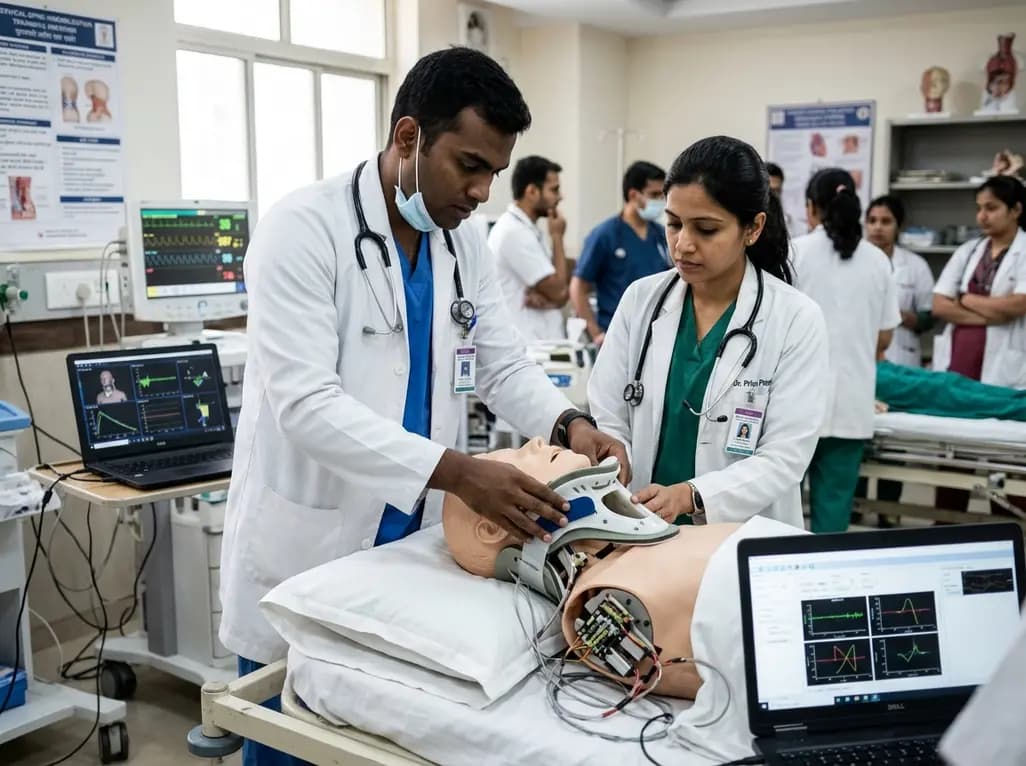
A novel proof-of-concept study presents a six-degree-of-freedom articulated manikin neck equipped with linear potentiometers. The system provides real-time kinematic motion feedback during cervical immobilisation, delivering sub-degree tracking accuracy to improve pre-hospital trauma training and patient safety.
Today
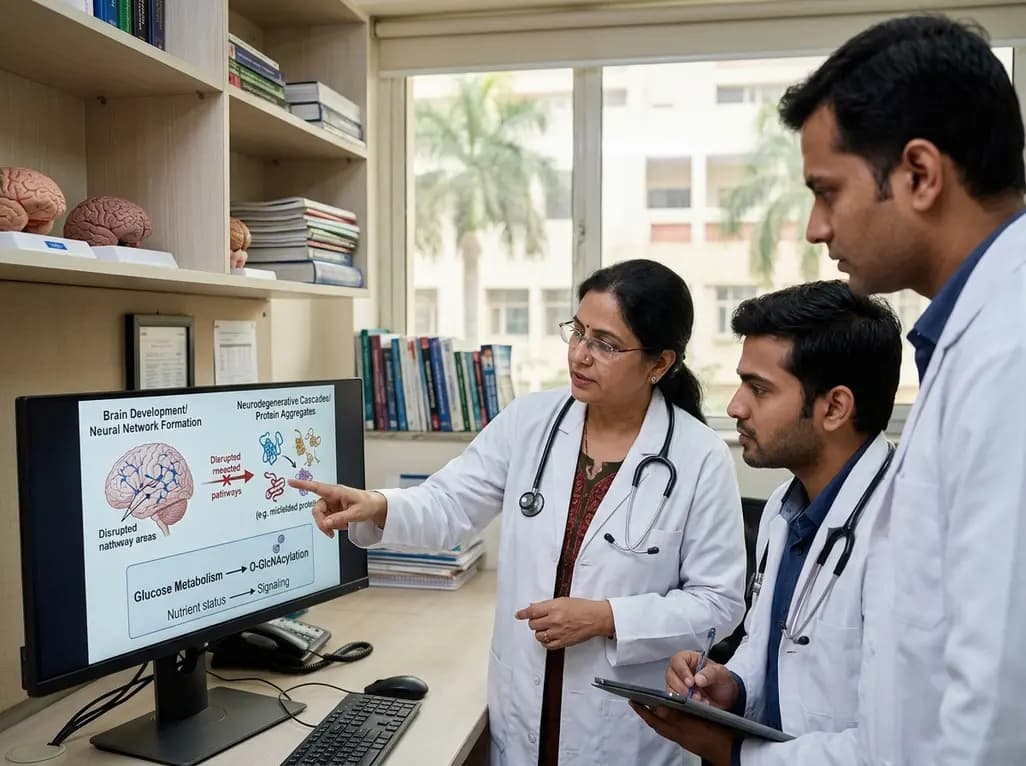
Protein O-GlcNAcylation couples cellular nutrient status to vital neuronal functions. This review explores how disrupted O-GlcNAc cycling drives both neurodevelopmental delays and neurodegenerative cascades, positioning metabolic post-translational modifications as therapeutic targets in clinical neurology.
Today
