.webp&w=384&q=75)

Loading, please wait...
Loading, please wait...
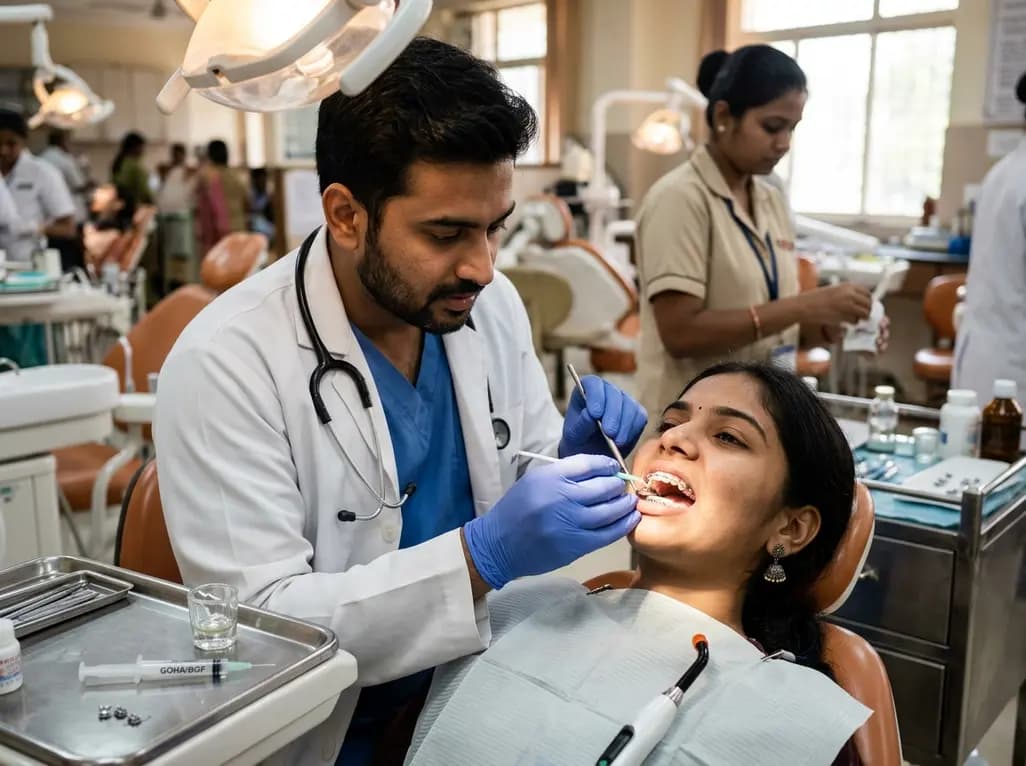
Fixed orthodontic therapy significantly improves dental alignment and facial aesthetics, yet it poses substantial challenges for long-term enamel preservation. Demineralization around bonded brackets frequently triggers unsightly white spot lesions that compromise treatment outcomes. To address these persistent clinical problems, researchers actively develop advanced biomaterials that reinforce adhesive interfaces and provide remineralization potential. A recent laboratory investigation examined novel orthodontic primers enriched with graphene oxide/hydroxyapatite and graphite fluoride/bioactive glass under multiple simulated aging challenges. The resulting evidence provides valuable insights for clinicians seeking durable bracket retention alongside enhanced structural protection for enamel.
Conventional bracket bonding relies predominantly on dimethacrylate resins that seal etched enamel microporosities through mechanical micromechanical interlocking. However, standard adhesive systems lack intrinsic bioactivity and cannot prevent local demineralization beneath persistent microbial plaque. Therefore, modern material science introduces bioactive fillers into fluid resin matrices to provide protective ion release at the critical enamel margin. Bioactive glass nanoparticles release calcium, phosphate, and sodium ions into surrounding fluids, which systematically buffers acidic attacks and drives mineral precipitation. Concurrently, synthetic hydroxyapatite nanoparticles serve as direct crystalline templates that aid surface repair.
Furthermore, incorporating carbon-based nanomaterials like graphene oxide and graphite fluoride improves mechanical stability while offering antimicrobial barrier properties. Researchers formulated two experimental systems: graphene oxide combined with hydroxyapatite, alongside graphite fluoride coupled with bioactive glass. When clinicians apply these modified resins directly to conditioned enamel, the active components penetrate microscopic etch pits before bracket placement. Consequently, the interface gains structural reinforcement and biological defense against cariogenic challenges without requiring complex chairside procedural changes.
Adequate wettability allows fluid resins to spread rapidly and infiltrate enamel micropores created by phosphoric acid etching. Investigators evaluated static contact angles across experimental groups and compared them directly against conventional Transbond XT primer. The experimental resins exhibited higher contact angles measuring 25.59 degrees for the graphene oxide/hydroxyapatite blend and 27.83 degrees for the graphite fluoride/bioactive glass formulation. In contrast, the control primer demonstrated a lower static contact angle of 20.48 degrees. The graphite fluoride/bioactive glass primer showed a statistically significant reduction in wettability compared to the commercial control.
Nevertheless, all measured contact angles remained well below ninety degrees, indicating that both formulations retain favorable hydrophilic spreading behavior on etched human enamel. In addition, surface microhardness testing using Vickers indentation revealed a non-significant numerical increase for both experimental primers compared with the control resin. The addition of inorganic nanoparticles successfully reinforced the polymeric network without compromising resin curing dynamics. Therefore, the modified primers maintain sufficient fluidity for intimate interfacial adaptation while acquiring enhanced mechanical resistance against localized masticatory degradation.
Orthodontic appliances must withstand complex oral stressors, including fluctuating temperatures, intermittent moisture exposure, and dietary acid challenges. To assess interface durability, researchers tested two hundred and forty extracted human premolars divided among four specific aging conditions. Specifically, the protocol evaluated specimens under baseline initial bonding, prolonged water storage, acid challenge, and thermal cycling between five and fifty-five degrees Celsius. Shear bond strength assessments demonstrated that both experimental primers maintained clinically viable retention values exceeding established therapeutic thresholds across most test environments.
Under baseline conditions, water storage, and thermocycling, shear bond strength values for both experimental primers matched the control primer without statistically significant differences. However, the acid challenge group showed a notable divergence in performance. Exposure to acidic conditions produced a statistically significant reduction in bond strength for both the graphene oxide and graphite fluoride primers compared to the control adhesive. Even with this reduction, the bond strengths remained well within acceptable orthodontic limits. Consequently, these findings confirm that the novel formulations provide reliable mechanical retention throughout extensive artificial aging simulations.
Preserving intact enamel structure during bracket debonding remains an essential priority for every practicing orthodontist. Researchers systematically classified debonding failure modes using the Adhesive Remnant Index and evaluated iatrogenic enamel trauma via the Enamel Damage Index. Interestingly, both experimental primers exhibited failure distributions that closely mirrored the control group across all aging models. Most debonding fractures occurred within the adhesive resin layer rather than directly at the enamel-resin interface.
This cohesive failure mode provides substantial clinical benefits because it prevents traumatic fractures of fragile enamel prisms during bracket removal. Moreover, the Enamel Damage Index scores confirmed minimal structural disruption across all premolar surfaces bonded with the modified resins. The incorporation of nanostructured hydroxyapatite and bioactive glass did not provoke aggressive enamel tear-outs or irreversible cracks. Thus, clinicians can achieve dependable appliance retention throughout therapy while ensuring safe, atraumatic bracket removal during final case finishing.
White spot lesions represent one of the most frustrating sequelae of comprehensive orthodontic mechanotherapy, particularly in adolescents with compromised oral hygiene. Fixed attachments inevitably hinder effective plaque removal, promoting localized biofilm accumulation and rapid mineral dissolution adjacent to bracket bases. Traditional preventive approaches, such as topical fluoride varnishes or chlorhexidine mouthwashes, depend heavily on patient compliance. In contrast, bioactive orthodontic primers deliver continuous chemical protection directly at the vulnerable plaque-enamel interface without requiring daily patient cooperation.
The continuous release of remineralizing ions neutralizes environmental acidity and shifts local thermodynamic equilibrium toward mineral deposition. Furthermore, graphene oxide surfaces disrupt bacterial cell membranes, potentially reducing pathogenic Streptococcus mutans colonization along bracket perimeters. Although in vitro evaluations cannot reproduce the intricate biological interactions of the living human oral cavity, these laboratory outcomes establish a compelling scientific foundation. Therefore, combining bioactive fillers with functionalized carbon nanomaterials provides a highly promising avenue to mitigate demineralization risks in orthodontic patients.
Translating novel restorative materials from laboratory benchtop models to routine orthodontic practice requires rigorous consideration of handling ergonomics, shelf stability, and biological safety. The experimental primers demonstrate cytocompatibility and acceptable bonding reliability without demanding alterations to conventional bonding protocols. Practitioners can continue using standard phosphoric acid conditioning, conventional light-curing units, and regular composite resins while introducing proactive remineralization features at the bracket interface. This procedural compatibility reduces learning curves and prevents chairside delays.
Nevertheless, clinicians must recognize the inherent limitations of in vitro aging models when interpreting laboratory bond strengths. Artificial thermocycling and controlled chemical acid challenges only approximate dynamic salivary clearance, enzymatic interactions, and complex masticatory fatigue forces. Additionally, the observed sensitivity of experimental primers to prolonged acid exposure underscores the continued need for proactive oral hygiene education. Future randomized controlled clinical trials must validate whether these materials suppress white spot lesion formation under true intraoral conditions before broad commercial adoption occurs.
The experimental primers demonstrate slightly higher contact angles and comparable microhardness relative to Transbond XT. Their shear bond strengths match the control under baseline conditions, prolonged water storage, and thermocycling. Although their bond strength decreases slightly under severe acid challenge, both novel formulations still exceed established clinical minimums while providing bioactive remineralization components absent in conventional resin systems.
The failure mode determines whether debonding forces damage delicate enamel prisms or remain safely within the composite resin. Cohesive failure within the resin protects underlying tooth structure from irreversible fractures, microcracks, and enamel loss. The experimental primers produced Adhesive Remnant Index and Enamel Damage Index scores comparable to standard controls, ensuring safe bracket removal and straightforward clean-up procedures.
These formulations integrate bioactive glass and hydroxyapatite nanoparticles directly into the fluid bonding resin. When exposed to oral fluids, the embedded particles release vital calcium and phosphate ions that neutralize localized plaque acids and encourage crystalline remineralization. Additionally, graphene oxide components provide antimicrobial properties that suppress cariogenic biofilm maturation directly adjacent to fixed bracket margins.
Disclaimer: This content is for informational and educational purposes only and is not intended to serve as medical advice, diagnosis, or treatment. It does not replace clinical judgment or official guidelines. Healthcare professionals should make clinical decisions based on individual patient assessments and established evidence. Readers must verify all details independently. Refer to the latest local and national guidelines for clinical practice.
References
Hussein AH et al. The wettability, microhardness and bonding performance of newly developed orthodontic primers under different ageing models. J Orthod. 2026 Sep 15. doi: 10.1177/14653125261483712. PMID: 42744763.
Al-Khafaji AM, Al-Groosh DH. A Novel Graphite Fluoride/Bioactive Glass-containing Orthodontic Primer with Antibacterial and Remineralization Properties. J Adhes Dent. 2024;26(1):253-262. doi: 10.3290/j.jad.b5793278.
Valanezhad A, et al. The Effect of Bioactive Glass-Enhanced Orthodontic Bonding Resins on Prevention of Demineralization: A Systematic Review. Molecules. 2020;25(11):2495. doi: 10.3390/molecules25112495.

Read summarized clinical updates, watch expert medical content, and earn CME certifications right from your smartphone.
Open your smartphone camera to scan and install.





A comparative study evaluates newly formulated orthodontic primers containing graphene oxide/hydroxyapatite and graphite fluoride/bioactive glass under various aging challenges, demonstrating clinically viable shear bond strength, preserved enamel safety, and promising potential against white spot lesions.
Today

Recent evidence supports expanding chronic hepatitis B treatment criteria to indeterminate grey zone patients. Treating individuals before significant liver injury occurs reduces risks of cirrhosis and liver cancer, marking a major milestone toward achieving global viral hepatitis elimination targets.
Today
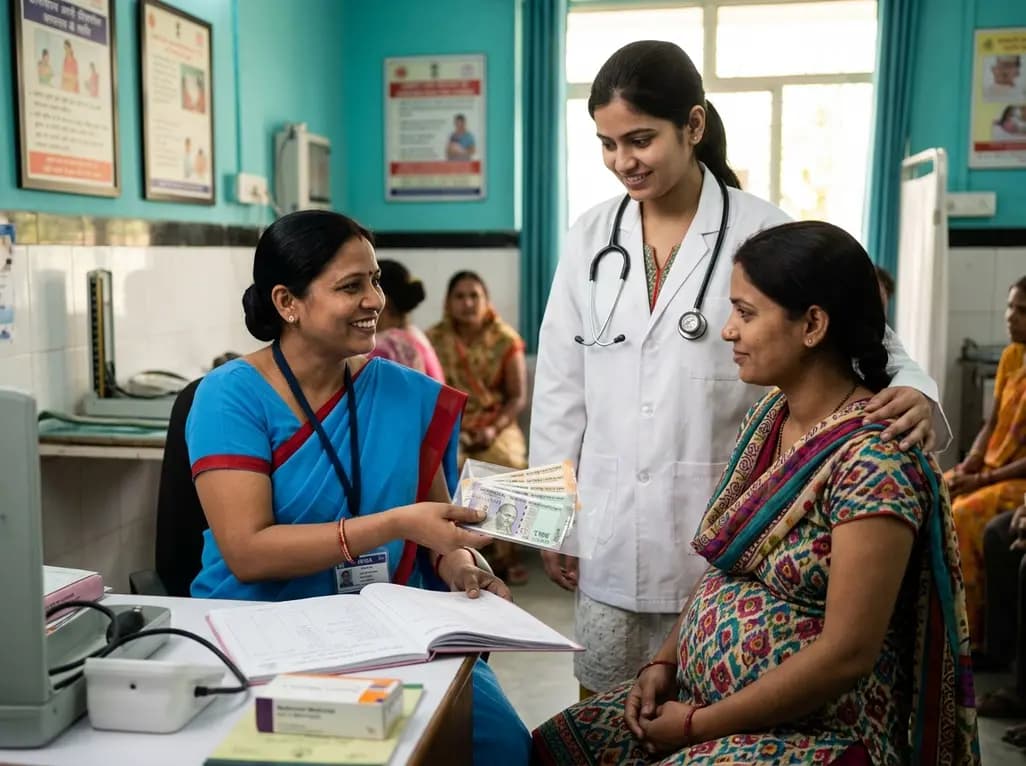
The Delhi Cabinet has approved a key policy revision doubling the fixed monthly allowance for accredited social health activists. This financial enhancement bolsters grassroots maternal and child healthcare delivery, strengthens urban public health surveillance, and improves frontline community health worker retention.
Today
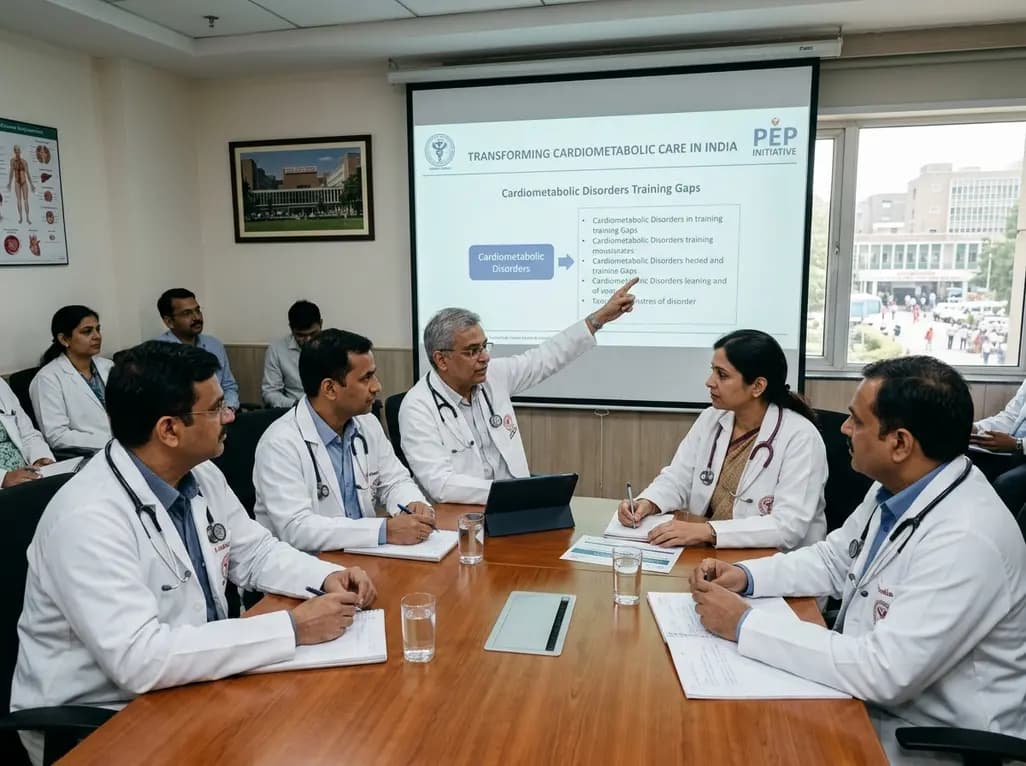
The All India Institute of Medical Sciences has convened national health experts, policymakers, and state nodal officers to transform medical training for cardiometabolic disorders. This collaborative effort under the PEP initiative addresses training gaps to elevate chronic disease care across Indian healthcare.
Today
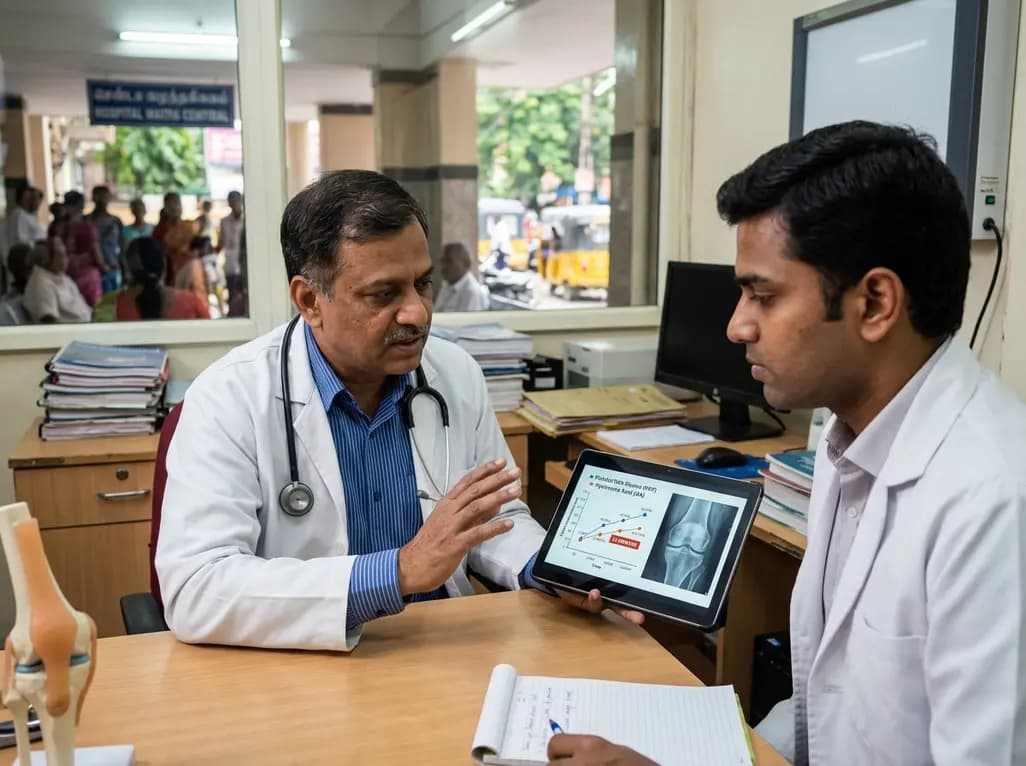
A systematic review and meta-analysis of 21 RCTs reveals that platelet-rich plasma provides small but statistically superior pain relief and functional improvements compared to hyaluronic acid at 12 months in knee osteoarthritis, influenced by platelet concentration and leukocyte enrichment.
Today
A multicenter real-world prospective study in Taiwan demonstrates that liraglutide effectively reduces body weight and BMI standard deviation score in adolescents with obesity. The therapy shows a favorable safety profile with mild gastrointestinal adverse events and zero treatment discontinuations due to intolerance.
Today
