

Loading, please wait...
Loading, please wait...
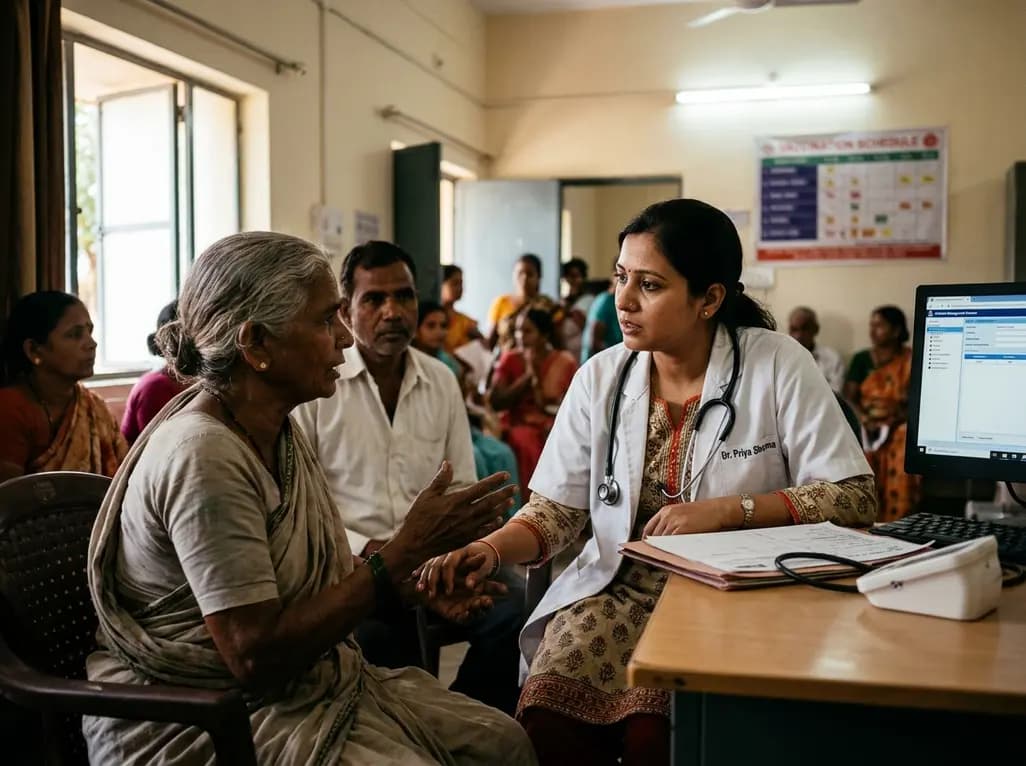
Primary healthcare organizations worldwide grapple with severe workforce shortages among general practitioners and licensed nurses. Consequently, health authorities frequently recruit allied personnel into primary contact positions to sustain access. However, recent economic evidence indicates that expanding alternative clinical roles can inadvertently increase unmet care needs during routine consultations. A nationwide investigation in England examined over 614,000 patient responses to determine how workforce diversification influences care quality. The results demonstrate that while role substitution mitigates administrative strain, it introduces measurable trade-offs in diagnostic completeness and patient satisfaction.
Health systems increasingly rely on non-traditional clinicians to manage routine clinical demand. These positions include physician associates, clinical assistants, and specialized allied health staff who perform triage and basic assessments. Policymakers introduced these substitutions primarily to alleviate acute general practitioner deficits and redistribute routine tasks. In addition, health economists frequently favor these models because they incur lower budgetary costs than retaining registered nurses or licensed medical doctors. Consequently, clinical managers rapidly transferred established nursing duties to these non-traditional practitioners across numerous outpatient settings. Nevertheless, educational pathways for these alternate cadres vary substantially. Non-traditional staff typically complete shorter, accelerated training programs that lack the comprehensive pathology training found in formal medical degrees. As a result, non-traditional personnel often struggle when appointments deviate from straightforward protocols. Clinical mentors must therefore recognize the inherent limits of rapid workforce expansion when balancing operational efficiency against patient safety.
To assess service quality, researchers analyzed English primary care survey records collected between 2018 and 2022. The extensive dataset incorporated 614,115 patient encounters across diverse practice settings. Notably, patients consulting a non-traditional practitioner experienced a 12.6 percentage point lower probability of having their clinical needs fulfilled relative to those consulting a registered nurse. Furthermore, investigators observed consistent disparities across linear probability frameworks, probit models, and instrumented recursive bivariate estimations. This rigorous econometric methodology confirmed that patient self-selection did not skew the adverse outcomes. In contrast, experienced nurses consistently identified subtle clinical problems and formulated appropriate therapeutic interventions. Patients frequently reported that non-traditional providers overlooked nuanced health concerns or failed to resolve the core reason for their visit. Therefore, the findings highlight a persistent quality differential between traditional nursing professionals and auxiliary healthcare workers during initial consultations.
Interestingly, the deficit in care fulfillment did not distribute uniformly across all demographic groups. The analysis revealed that the negative impact clustered prominently among adults aged 35 to 54 years. Patients within this midlife demographic frequently present with complex multimorbidity, evolving cardiometabolic conditions, and overlapping psychosocial challenges. Consequently, these encounters demand sophisticated clinical judgment and holistic evaluation rather than rigid protocol adherence. While younger individuals often present with single acute ailments, middle-aged adults require comprehensive evaluations that integrate preventive screening with chronic disease monitoring. Registered nurses and experienced family doctors routinely navigate these multifaceted presentations with nuanced diagnostic acumen. However, non-traditional staff often lack the diagnostic bandwidth to deconstruct multiple concurrent symptoms within brief appointment windows. As a result, subtle warning signs remain unaddressed, compounding longitudinal risks and driving future demand for secondary care referrals.
Healthcare administrators frequently justify non-traditional staffing by highlighting substantial wage savings and expanded appointment numbers. Nevertheless, short-term savings often mask long-term health system expenditures caused by fragmented primary care delivery. When a consultation fails to address underlying concerns, patients inevitably book secondary appointments or seek urgent care at emergency departments. Thus, initial cost reductions diminish rapidly when accounting for downstream diagnostic investigations, avoidable prescribing errors, and duplicate visits. Furthermore, primary care physicians must dedicate significant non-clinical time to supervising mid-level allied staff. This continuous supervisory burden frequently offsets intended efficiency gains. Health systems must therefore weigh immediate financial relief against the comprehensive lifetime cost of untreated chronic conditions. True economic efficiency requires delivering effective care at the first encounter, which highly trained nursing and medical professionals consistently achieve.
Overcoming these workforce challenges requires rigorous governance, defined scopes of practice, and targeted clinical supervision. Healthcare institutions must avoid treating non-traditional personnel as direct replacements for registered nurses or general practitioners. Instead, clinical directors should assign auxiliary clinicians to discrete, highly standardized clinical duties, such as protocolized wound management or routine vitals monitoring. In addition, practices should implement formal triage algorithms that channel complex patients directly to seasoned clinicians. Mentors must also provide structured feedback and regular chart reviews to enhance the diagnostic competencies of allied staff. Furthermore, continuous professional development programs must address common clinical gaps identified in adult populations. By reinforcing collaborative care teams with clear supervision structures, primary care practices can maintain service capacity without compromising patient-centered clinical excellence.
Non-traditional practitioners complete condensed clinical training compared to licensed physicians and registered nurses. Consequently, they often lack the diagnostic versatility required to resolve complex health presentations during brief visits. When patients present with multiple interacting symptoms, auxiliary clinicians frequently struggle to address secondary concerns beyond standardized algorithms. This clinical gap leaves underlying problems unmanaged, resulting in significantly lower rates of overall care fulfillment.
The research demonstrates that patients aged 35 to 54 face the greatest risk of unmet clinical needs. Individuals in this age group frequently present with emerging chronic diseases, atypical somatic complaints, and overlapping psychosocial stressors. These multifaceted encounters require nuanced diagnostic acumen rather than checklist-based care. Consequently, visits with non-traditional staff in this age bracket frequently fail to resolve complex health concerns.
Primary care practices should establish clear scopes of practice and comprehensive clinical governance frameworks. Administrators must avoid using allied personnel as direct substitutes for experienced nurses or physicians. Instead, practices should implement refined triage systems that direct complex, multimorbid patients to senior clinicians while assigning auxiliary staff to focused, standardized tasks. Continuous mentorship, chart audits, and rapid escalation pathways safeguard overall clinical quality.
Disclaimer: This content is for informational and educational purposes only... Refer to the latest local and national guidelines for clinical practice.
References

Read summarized clinical updates, watch expert medical content, and earn CME certifications right from your smartphone.
Open your smartphone camera to scan and install.





A study of over 614,000 primary care visits reveals that patients consulting non-traditional practitioners face a 12.6 percentage point lower probability of having their care needs met compared to nurses. These findings carry vital implications for workforce planning, clinical safety, and task-shifting models.
Today

A recent study highlights that pairing photograph-assisted 24-hour recalls with regional food databases significantly boosts dietary assessment accuracy. This methodology reduces cultural bias and strengthens nutrient tracking, offering crucial lessons for clinicians managing nutritional care in diverse populations.
Today

A preclinical study reveals that cinnamic acid counters D-galactose-induced premature ovarian failure in mice. By enhancing total antioxidant capacity and upregulating protective genes like Nrf2 and Foxo3a, cinnamic acid improved estrous cyclicity and follicular reserve, offering new insights into ovarian health.
Today
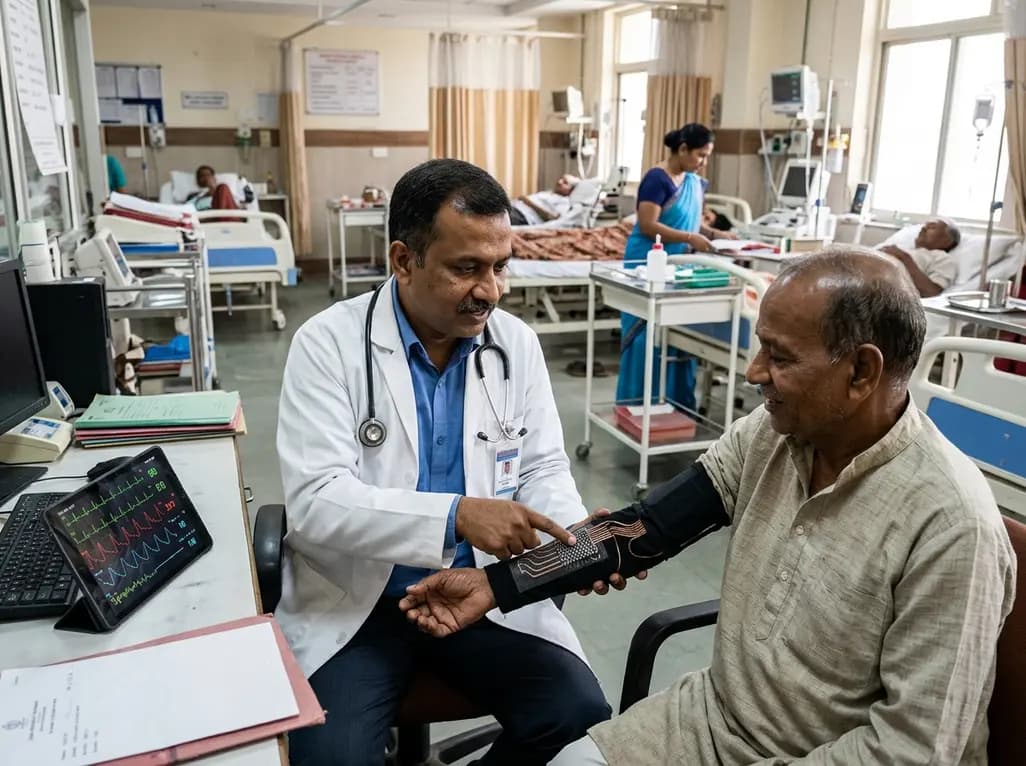
Wearable e-textiles transform cardiovascular monitoring by integrating flexible conductive sensors into everyday clothing. This advance enables continuous, non-invasive assessment of ECG, pulse waves, and hemodynamics, bridging the gap between hospital diagnostics and home healthcare.
Today

Engineered 3D piezoelectric PHBV scaffolds generate electrical charges during mechanical strain, mimicking native muscle electromechanics to promote cellular alignment, myogenic differentiation, and functional tissue repair in severe volumetric muscle loss.
Today
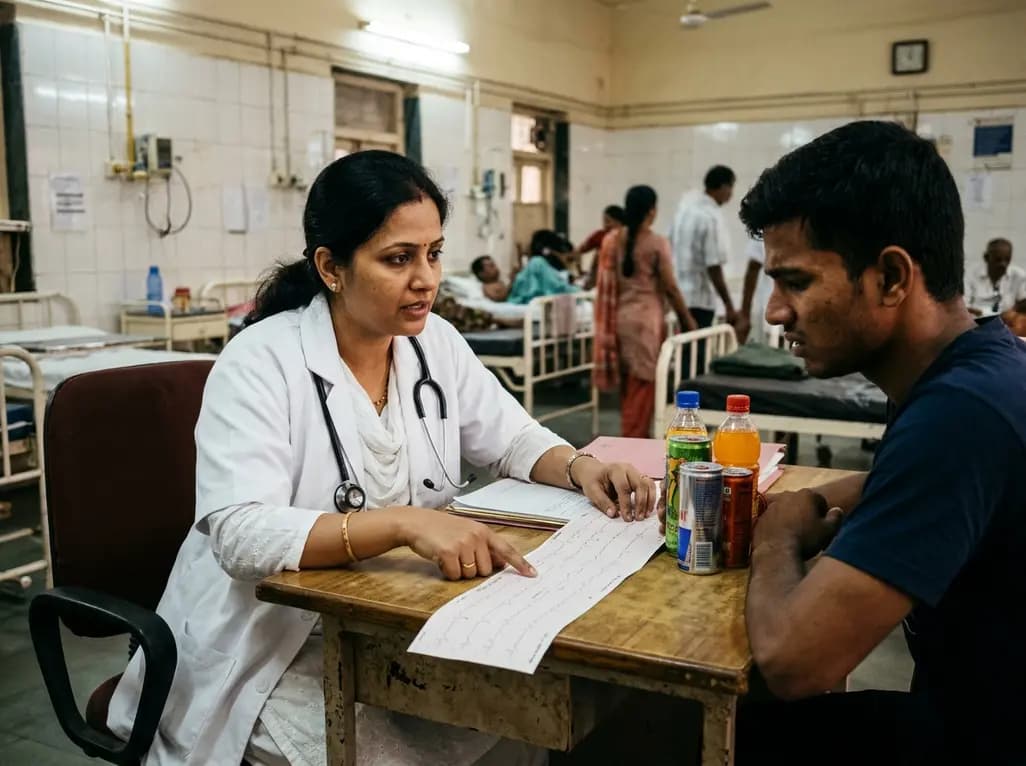
India's food safety authority is taking aggressive action against major beverage companies for marketing high-caffeine products as energy drinks. This clinical analysis examines the cardiovascular complications, metabolic risks, and pediatric concerns behind the regulator's push for truthful beverage standards.
Today
