.webp&w=384&q=75)

Loading, please wait...
Loading, please wait...

Modern urologists face constant challenges when managing non-muscle invasive bladder cancer (NMIBC). Clinicians increasingly utilize photodynamic diagnostic techniques to identify occult malignancies. Specifically, blue light cystoscopy enhances tumor visualization using optical imaging agents like hexaminolevulinate. This optical adjunct illuminates malignant urothelium under blue light wavelengths, thereby highlighting lesions that white light alone frequently misses. Consequently, transurethral resection of bladder tumor (TURBT) guided by optical adjuncts achieves more complete tumor clearance. Enhanced resection directly reduces short-term residual disease burden. Moreover, contemporary international guidelines now recommend photodynamic evaluation for selected patients at risk of recurrent disease or occult carcinoma in situ. However, established risk stratification systems do not account for optical visualization improvements. Legacy scoring tools rely heavily on clinical cohorts treated before photodynamic technology became widespread. Because modern resection techniques clear unseen malignant lesions effectively, baseline relapse patterns are shifting. As a result, urologists need contemporary prediction tools to accurately estimate recurrence-free and progression-free intervals. Developing refined predictive nomograms helps clinicians tailor intravesical schedules, avoid overtreatment, and protect patient bladder function.
For decades, urologic oncology has relied on risk tables from the European Organisation for Research and Treatment of Cancer (EORTC) and the Spanish CUETO group. Clinicians routinely applied these legacy models to stratify patients into low, intermediate, or high-risk categories. Nevertheless, these classic frameworks evaluated patients treated decades ago under historical resection paradigms. In those earlier eras, surgeons performed resections solely with standard white light endoscopy. In addition, post-resection instillation protocols and maintenance regimens differed considerably from contemporary standards. Recent investigations demonstrate that legacy risk calculators often overestimate recurrence and progression rates in patients undergoing modern surgical management. When surgeons employ optical enhancement, they remove tiny satellite tumors and diffuse flat lesions much earlier. Consequently, modern cohorts experience distinct clinical trajectories compared to historical cohorts. Applying outdated predictive tools can misguide clinical decision-making. For example, clinicians might subject patients with lower true biologic recurrence risks to excessively aggressive therapy. Conversely, clinicians might fail to identify patients who harbor aggressive biology despite clear initial resections. Therefore, contemporary risk calculators must reflect modern surgical techniques and contemporary adjuvant intravesical therapies.
To establish relevant predictive models, investigators evaluated real-world patient records from the multi-institutional Blue Light Cystoscopy with Cysview Registry. The researchers examined 1,040 adult patients who underwent photodynamic resection between 2014 and 2023. Within this extensive modern cohort, pathologic staging identified Ta lesions in 56 percent of patients. Furthermore, 16 percent of individuals had T1 disease, and 18 percent presented with pure carcinoma in situ. The researchers utilized multivariable Cox regression models and applied lasso regression techniques to prevent statistical overfitting. Overall, the final predictive models demonstrated robust discrimination. The model achieved a c-statistic of 0.64 for recurrence-free survival and 0.73 for progression-free survival. These discrimination metrics indicate meaningful prognostic capability in real-world clinical environments. Notably, the study confirmed that contemporary resection quality directly reshapes longitudinal prognostic curves. By capturing diverse practice patterns across multiple academic centers, the registry provided an authentic snapshot of modern urologic oncology. Consequently, these findings establish a strong empirical foundation for next-generation risk calculators designed specifically for patients evaluated under enhanced optical cystoscopy.
The multivariable analysis revealed distinct clinicopathologic features that independently drive adverse oncologic outcomes. High-grade Ta tumors increased recurrence risk by 60 percent, while high-grade T1 tumors almost doubled recurrence risk. In contrast, tumor progression demonstrated far stronger ties to invasive depth and associated dysplasia. For instance, high-grade T1 disease carried a striking twelvefold increase in progression risk compared to low-grade non-invasive disease. Similarly, pure carcinoma in situ elevated progression risk by more than fourfold. When tumors combined stage Ta or T1 disease with concurrent carcinoma in situ, progression risks surged fivefold and nearly eightfold, respectively. Furthermore, the presence of lymphovascular invasion tripled the likelihood of stage progression. These powerful hazard ratios underscore the biological volatility of high-grade pathology and concurrent carcinoma in situ. Importantly, the analysis also demonstrated the substantial protective influence of post-resection medical therapy. Adjuvant Bacillus Calmette-Guérin (BCG) immunotherapy cut the risk of progression by 60 percent. Therefore, combining thorough optical resection with complete intravesical immunotherapy regimens remains the definitive strategy for preserving native bladders and extending survival.
These newly derived prediction models provide practical guidance for contemporary clinical practice. Today, urologists can personalize surveillance intervals and therapeutic intensity using patient-specific risk profiles rather than generic historical tables. For patients exhibiting low recurrence risk after photodynamic resection, clinicians may safely streamline endoscopic surveillance regimens. This thoughtful de-escalation reduces procedure-related discomfort and curbs substantial healthcare expenditures. Conversely, patients presenting with high-grade T1 tumors, concurrent carcinoma in situ, or lymphovascular invasion require aggressive therapeutic interventions. In these vulnerable individuals, clinicians must prioritize full-dose adjuvant BCG induction and maintenance protocols. In addition, urologists should consider early radical cystectomy when high-risk features coincide with adverse prognostic markers. Although these models still require prospective external validation across diverse healthcare systems, they reflect contemporary surgical and medical standards. Integrating these refined risk algorithms into routine consultations empowers doctors and patients to make informed, data-driven decisions. Ultimately, risk-adapted management optimizes bladder preservation while minimizing the devastating threat of muscle invasion.
Traditional predictive models, such as EORTC and CUETO, rely on historical cohorts treated exclusively with standard white light endoscopy. In contrast, blue light cystoscopy detects occult malignant lesions and carcinoma in situ that white light often overlooks. Because enhanced resection eliminates residual disease earlier, baseline relapse rates decrease. Consequently, models developed from contemporary photodynamic cohorts provide far more accurate prognostic estimates for modern clinical surveillance and tailored therapy.
Adjuvant Bacillus Calmette-Guérin remains an essential cornerstone in preventing non-muscle invasive bladder cancer progression. In this contemporary registry study, adjuvant BCG reduced the risk of progression by sixty percent among patients undergoing enhanced optical resection. Consequently, urologists strongly advise complete induction and maintenance BCG courses for high-risk patients. This therapeutic strategy prevents invasive muscle wall invasion and significantly prolongs bladder-preserving recurrence-free survival intervals.
Multivariable analysis identifies high-grade T1 pathology as the strongest individual predictor of disease progression, increasing risk more than twelvefold. Furthermore, concurrent carcinoma in situ combined with T1 or Ta disease elevates progression hazards up to eightfold. In addition, lymphovascular invasion triples progression risk. Recognizing these aggressive histological markers enables clinicians to recommend immediate re-resection, rigorous adjuvant immunotherapy, or early radical cystectomy without unnecessary clinical delay.
Disclaimer: This content is for informational and educational purposes only and should not be considered medical advice. Always consult a qualified healthcare professional regarding any medical condition or treatment. Refer to the latest local and national guidelines for clinical practice.
References
Perez-Londoño A et al. Predicting Recurrence and Progression in Contemporary Patients with NMIBC Undergoing Blue Light Cystoscopy-Aided Transurethral Resection of Bladder Tumor. Urol Pract. 2026 Oct 05. doi: 10.1097/UPJ.0000000000001103. PMID: 42832769.
Daneshmand S, Patel S, Lotan Y, et al. Efficacy of Hexaminolevulinate Blue Light Cystoscopy in Patients with Non-Muscle-Invasive Bladder Cancer: Results from a Prospective, Multicenter Registry. Urologic Oncology: Seminars and Original Investigations. 2021;39(12):834.e1-834.e8.
Babjuk M, Burger M, Capoun O, et al. European Association of Urology Guidelines on Non-muscle-invasive Bladder Cancer (Ta, T1, and Carcinoma in Situ). European Urology. 2022;81(1):75-94.
Gershman B, Kaul S, Fleishman A, et al. Performance of the EORTC and CUETO Risk Prediction Models in Contemporary Patients Undergoing Transurethral Resection of Bladder Tumor with Blue Light Cystoscopy. Urologic Oncology. 2026;44(9):412-420.

Read summarized clinical updates, watch expert medical content, and earn CME certifications right from your smartphone.
Open your smartphone camera to scan and install.





A contemporary multi-institutional study reveals new predictive models for recurrence and progression in NMIBC patients undergoing blue light cystoscopy-assisted TURBT. Discover key prognostic factors, risk stratification shifts, and the critical protective role of adjuvant BCG immunotherapy.
Today

Systemic amyloidosis management is undergoing a therapeutic revolution. This clinical review synthesizes updates from the International Society of Amyloidosis, detailing novel plasma cell therapies, TTR stabilizers, silencers, translational models, and artificial intelligence in drug development.
Today
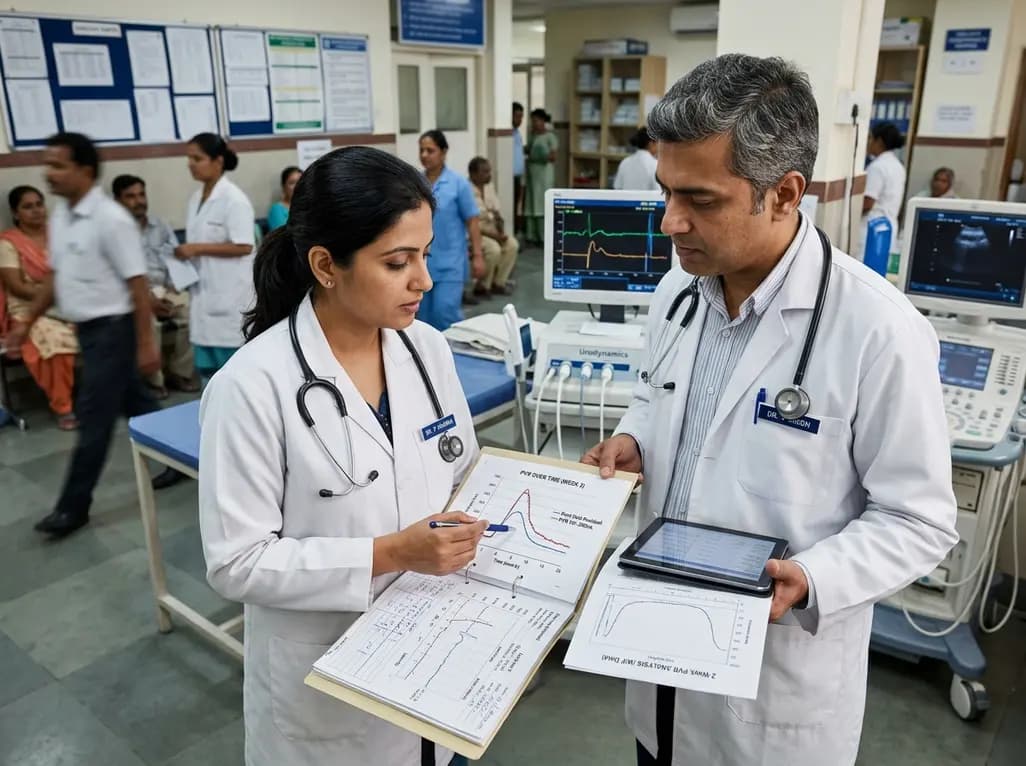
A retrospective study of 824 patients undergoing over 2,200 intradetrusor onabotulinumtoxinA injections identifies sex- and etiology-specific predictors of 2-week post-void residual, highlighting the influence of baseline residual volumes, toxin dosage, and distinct urodynamic parameters on urinary retention risk.
Today
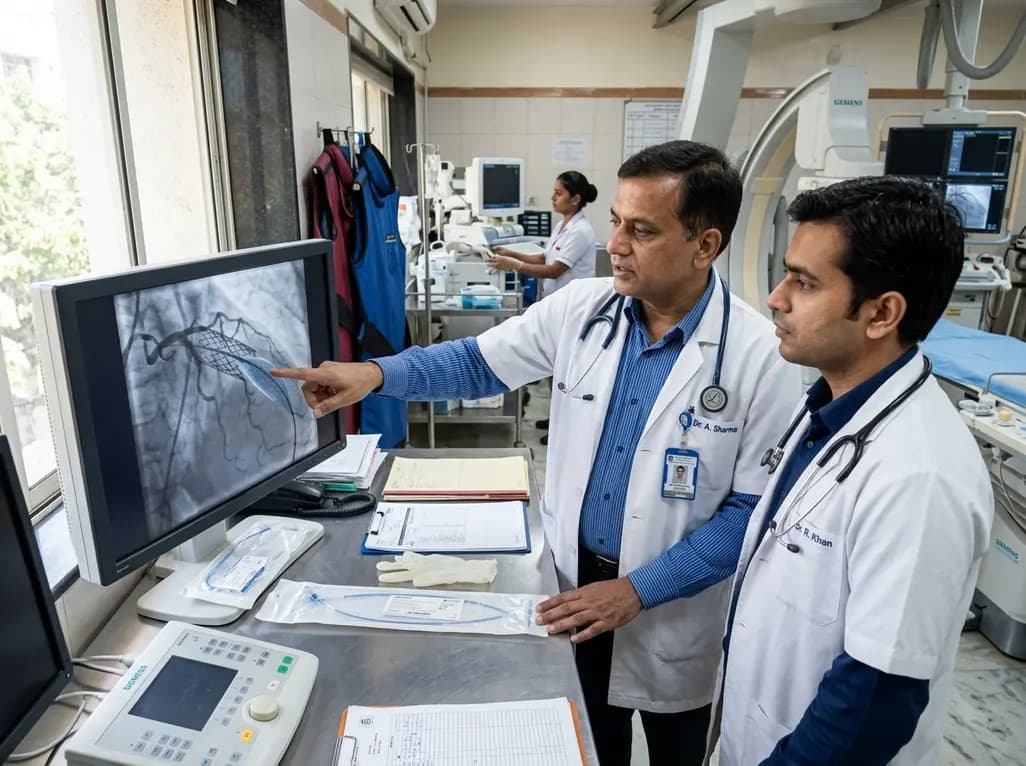
The US FDA has granted approval to the SELUTION SLR drug-eluting balloon for treating coronary in-stent restenosis. This milestone introduces a sustained-release sirolimus platform that eliminates the need for additional permanent metallic stents while maintaining robust vascular healing and luminal patency.
Today
Posttraumatic pisotriquetral instability is a rare wrist injury causing severe hypothenar pain and weakness. Explore clinical examination, imaging, and pisiformectomy.
Today

A comprehensive review analyzes periconceptional GLP-1 receptor agonist exposure, revealing reassuring data on congenital anomalies and adverse perinatal outcomes while emphasizing the need for cautious patient counseling.
Today
