.webp&w=384&q=75)

Loading, please wait...
Loading, please wait...

Neuromuscular blocking agents (NMBAs) are vital for managing moderate to severe acute respiratory distress syndrome (ARDS). However, clinicians often lack a clear consensus on the best NMBA monitoring strategies to optimize patient care in the intensive care unit (ICU). A recent scoping review synthesized data from 12 studies involving nearly 1,000 patients to identify current practices and their impact on clinical outcomes.
The review identified two primary approaches for monitoring the depth of paralysis: peripheral nerve stimulation with train-of-four (TOF) monitoring and clinical assessment. While TOF measures objective muscle twitches, clinical assessment frequently relies on detecting ventilatory dyssynchrony. Interestingly, the study found significant variability in how these strategies are applied across different centers. Despite these differences, neither strategy showed a clear superiority in reducing mortality or the duration of mechanical ventilation.
One of the most significant findings was the value of standardized NMBA monitoring strategies. In nine out of the twelve studies reviewed, clinicians followed specific protocols to guide dosing and monitoring. These protocol-guided approaches were linked to several clinical benefits, including reduced NMBA consumption and achieved target depth of paralysis. Furthermore, patients managed under these protocols often experienced shorter recovery times after the medication was discontinued.
Consequently, the current evidence strongly favors the implementation of institutional protocols. While the ideal monitoring tool—whether TOF or clinical assessment—remains a subject of debate, the structured application of these tools appears to be more critical than the choice of the tool itself. Future research must focus on larger, well-powered trials to determine which monitoring parameters most effectively improve long-term patient outcomes in hypoxemic respiratory failure.
The two main strategies are peripheral nerve stimulation using train-of-four (TOF) monitoring and clinical assessment, which primarily focuses on identifying ventilatory dyssynchrony.
Yes, the use of a guided protocol is associated with benefits such as lower drug consumption, reaching the desired depth of paralysis more accurately, and shorter recovery times for patients.
Current research shows no significant difference in patient mortality or the duration of mechanical ventilation when comparing TOF monitoring to clinical assessment strategies.
Disclaimer: This content is for informational and educational purposes only. It is not intended as medical advice or a substitute for professional clinical judgment. Always consult with a qualified healthcare provider for diagnosis and treatment. Refer to the latest local and national guidelines for clinical practice.
References
Morton S et al. Methods to monitor and evaluate neuromuscular blockade use in intensive care unit patients with hypoxemic respiratory failure and acute respiratory distress syndrome: a scoping review. Can J Anaesth. 2026 May 22. doi: 10.1007/s12630-026-03127-1. PMID: 42174355.
Erstad BL, Sarwal A, et al. Society of Critical Care Medicine guidelines for the administration of neuromuscular blockade in adults with acute respiratory distress syndrome. Crit Care Med. 2026 Mar;54(3):p 634-643.
Hraiech S, Adda M, et al. How to reduce cisatracurium consumption in ARDS patients: the TOF-ARDS study. Ann Intensive Care. 2017;7(1):79.

Read summarized clinical updates, watch expert medical content, and earn CME certifications right from your smartphone.
Open your smartphone camera to scan and install.





Standardized protocols for NMBA monitoring in ARDS are linked to reduced drug consumption and faster recovery, though the choice of monitoring tool remains ...
4 months ago
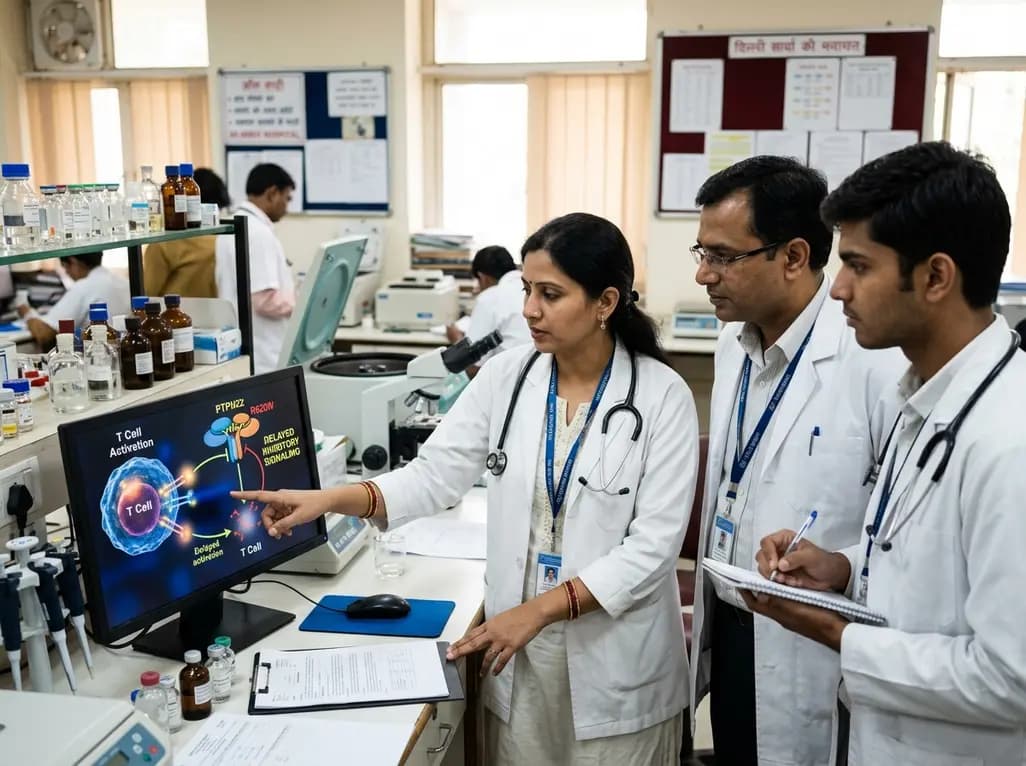
New immunological research reveals how PTPN22 forms a delayed inhibitory signaling complex to restrain T cell activation, explaining how the autoimmune-linked R620W variant disrupts feedback control and promotes persistent inflammation in conditions like rheumatoid arthritis and type 1 diabetes.
Today

A nationwide study covering 3.7 million Swedish births reveals that prenatal exposure to TORCH pathogens significantly elevates long-term risks of intellectual disability and autism. Healthcare providers must recognize clinical indicators, promote prenatal prevention, and track early pediatric neurodevelopment.
Today
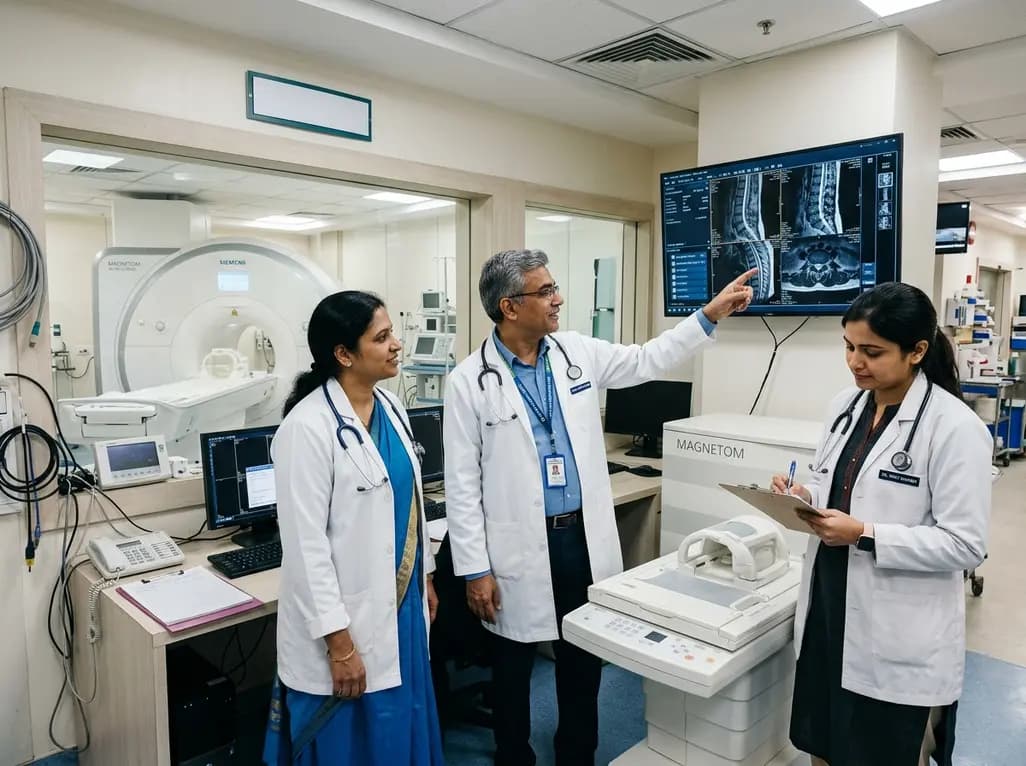
Under India's PLI initiative, domestic production of 57 critical medical devices has commenced, including MRI and CT scanners, cath labs, and heart valves. Global partnerships and local investments are expanding high-end technology, curbing import reliance, and strengthening clinical accessibility nationwide.
Today
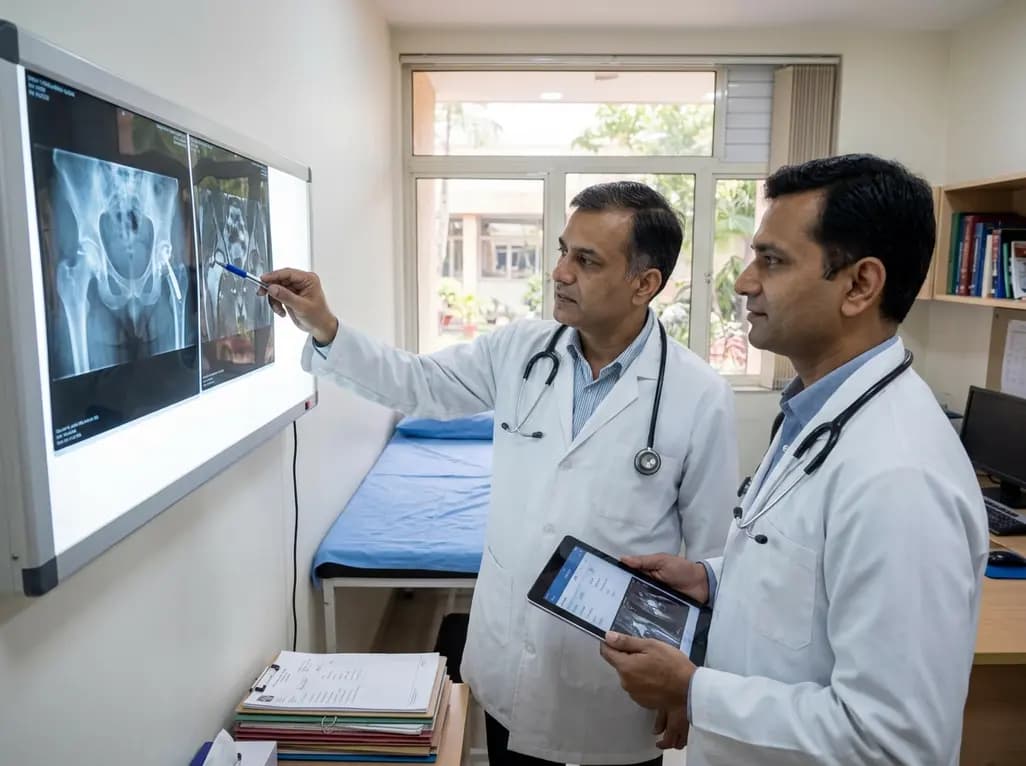
A longitudinal study reveals that patients undergoing staged bilateral hip arthroscopy experience progressive contralateral labral deterioration during surgical intervals. However, structural degradation does not compromise 2-year postoperative clinical outcomes or patient-reported satisfaction scores.
Today
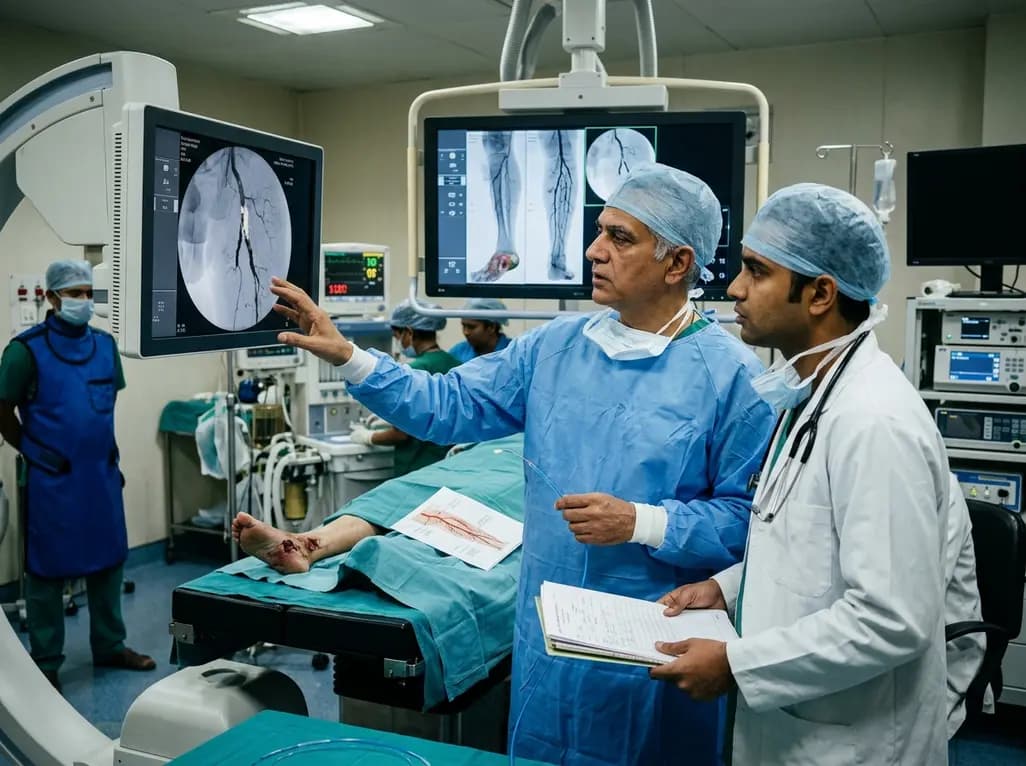
SWEDEPAD-1 trial insights show paclitaxel-coated devices do not improve long-term limb salvage in patients with chronic limb-threatening ischemia and tissue loss. While one-year reinterventions decreased, the devices were linked to a higher risk of major amputation at three months.
Yesterday
