.webp&w=384&q=75)

Loading, please wait...
Loading, please wait...

Hepatocellular carcinoma (HCC) remains a significant challenge for oncologists worldwide. Adoptive natural killer cell therapy (ANKCT) currently shows great promise as a treatment strategy. However, several clinical factors currently limit NK cell therapy efficacy in these patients. Specifically, poor NK cell homing to the tumor and immunosuppressive tumor-associated macrophages (TAMs) hinder success. Fortunately, a new approach involving the cGAS-STING pathway offers a potential solution.
In particular, the cGAS-STING pathway triggers robust innate immunity. When activated, it effectively recruits NK cells and reprograms macrophages into proinflammatory phenotypes. Additionally, radiation therapy (RT) typically triggers this pathway by inducing DNA damage. Unfortunately, HCC cells utilize strong antioxidant systems to resist this effect. Therefore, radiotherapy alone often fails to activate the immune system fully in the liver microenvironment.
Consequently, researchers developed biomimetic A@MMOF nanoparticles to overcome these limitations. In addition, these specialized tools carry auranofin and disrupt cellular redox balance. As a result, they inhibit glutathione and thioredoxin systems. Furthermore, this process enables a sustained redox-driven stimulus within the tumor. Moreover, this combination enhances NK cell infiltration and overall activity.
The synergy between A@MMOF and low-dose radiotherapy (LDRT) effectively remodels the tumor microenvironment. Ultimately, this dual approach significantly increases NK cell therapy efficacy by compensating for the insufficient oxidative stress of LDRT alone. By providing a sustained stimulus, A@MMOF ensures that the cGAS-STING pathway remains active. Finally, this strategy represents a promising path for advanced HCC treatment in clinical settings.
The cGAS-STING pathway acts as a critical bridge between innate and adaptive immunity. Its activation helps recruit natural killer cells to the tumor site and transforms immunosuppressive macrophages into a proinflammatory state, which enhances the body\'s ability to fight liver cancer.
A@MMOF nanoparticles disrupt the antioxidant defenses of tumor cells by inhibiting the glutathione and thioredoxin systems. This allows for higher accumulation of reactive oxygen species, which synergistically works with low-dose radiotherapy to activate the immune system more effectively.
Disclaimer: This content is for informational and educational purposes only. It does not constitute medical advice or a substitute for professional healthcare. Always consult a qualified medical professional for diagnosis and treatment. Refer to the latest local and national guidelines for clinical practice.
References
Liu B et al. Targeting redox metabolism and low-dose radiotherapy synergistically activate cGAS-STING pathway to improve NK cell therapy efficacy in hepatocellular carcinoma. J Nanobiotechnology. 2026 Feb 23. doi: 10.1186/s12951-026-04171-1. PMID: 41731500.
Hu W, et al. Natural killer cell therapy in hepatocellular carcinoma: a comprehensive review. Front Immunol. 2023;14:1143241. doi: 10.3389/fimmu.2023.1143241.
Zhang X, et al. Nanoparticle-Based Strategies to Enhance the Efficacy of STING Activators in Cancer Immunotherapy. Int J Nanomedicine. 2024;19:1235-1256. doi: 10.2147/IJN.S441221.
"
Read summarized clinical updates, watch expert medical content, and earn CME certifications right from your smartphone.
Open your smartphone camera to scan and install.





A@MMOF nanoparticles and low-dose radiotherapy synergistically activate the cGAS-STING pathway to improve NK cell therapy efficacy in liver cancer treatment...
7 months ago

Following regulatory scrutiny from FSSAI regarding promotional representations and lean muscle preservation claims, Dr. Reddy's Laboratories and Nestlé Health Science are currently reviewing the branding and marketing strategy for their joint nutritional supplement Celevida GLP+.
Today
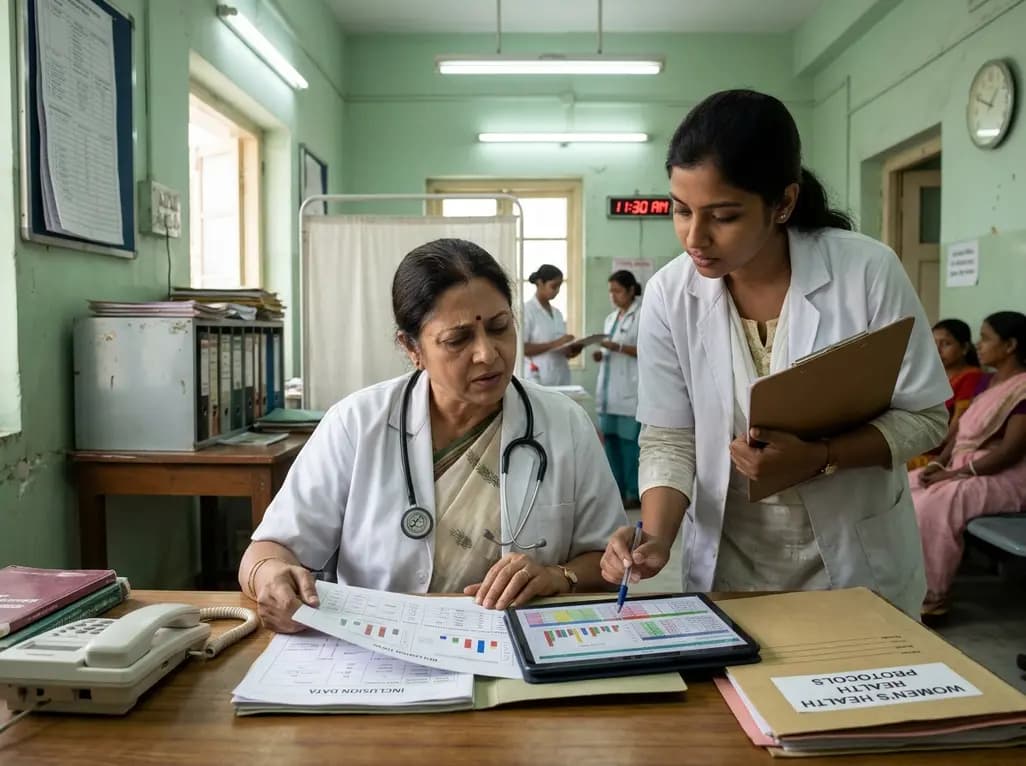
Demanding exhaustive hormonal profiling can inadvertently discourage clinical studies involving females. Methodological standards must align with the specific scientific question to expand, not restrict, equitable evidence for women.
Today

The Directorate General of Health Services directs Indian states to halt the hazardous reuse and reprocessing of single-use medical devices. Discover regulatory implications under the Drugs and Cosmetics Act, critical infection risks, legal liabilities, and operational changes required across clinical specialties.
Today
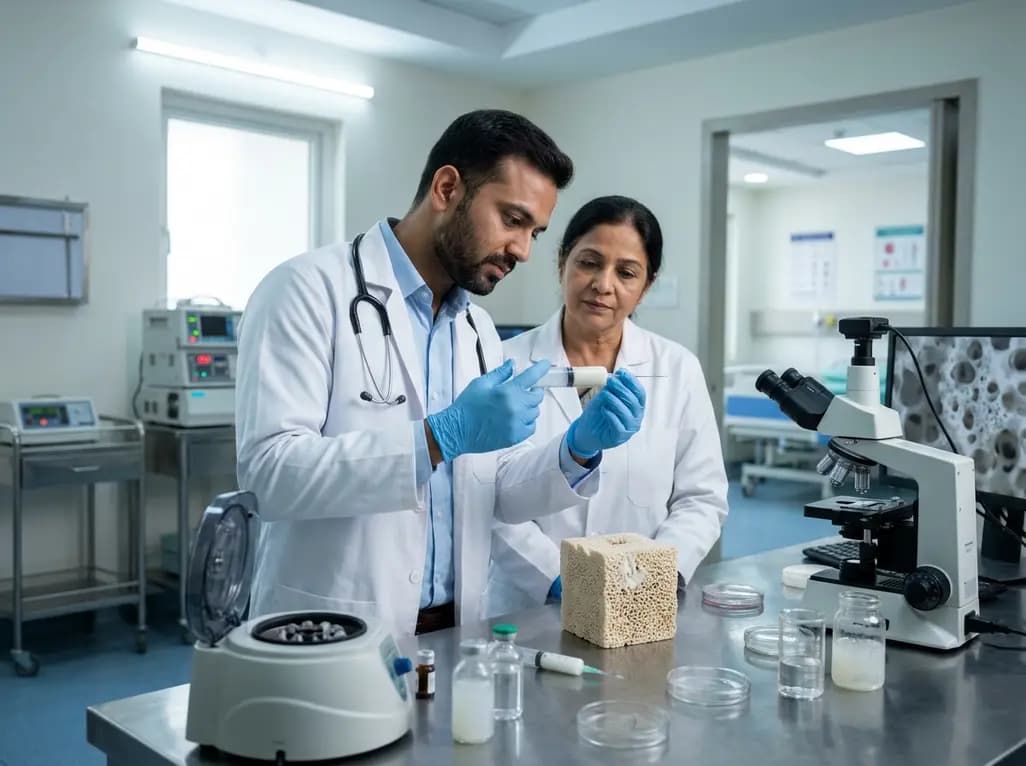
A novel calcium polyphosphate coacervate enables injectable bone implants with in situ hierarchical porosity via phase separation and gas foaming, significantly enhancing cell proliferation, energy metabolism, and osteogenic differentiation for minimally invasive bone defect repair.
Today

India is advancing preventive healthcare by integrating genomics, artificial intelligence, and quantum technologies. With the SANGAM programme sequencing one million Indian genomes, clinicians can unlock personalized therapies, detect cardiometabolic risks early, and curb the burden of diabetes and heart disease.
Today
