.webp&w=384&q=75)

Loading, please wait...
Loading, please wait...
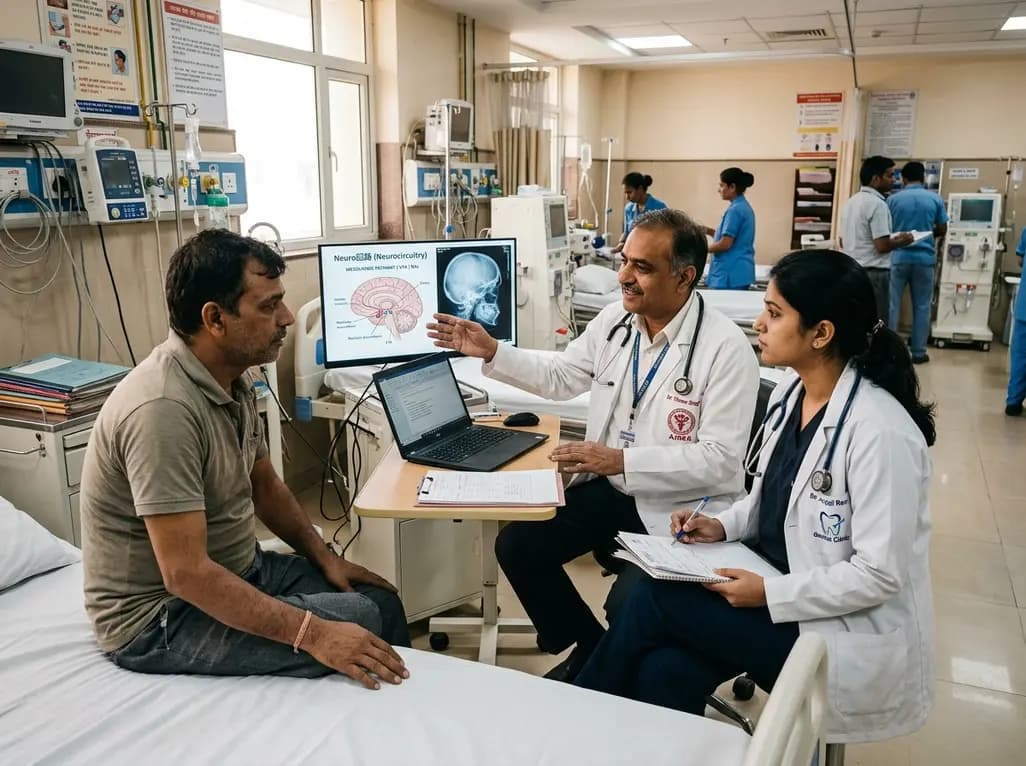
The global prevalence of substance use disorders continues to rise dramatically, presenting complex diagnostic and clinical challenges across modern healthcare. Historically, clinicians used outdated terms like drug abuse or chemical dependence. However, scientific consensus now recognizes substance use disorders as chronic, relapsing brain illnesses driven by distinct neurocircuitry modifications. Because dental clinicians regularly manage acute and chronic orofacial pain, they hold an essential role in preventing addiction and safeguarding vulnerable individuals through informed prescribing practices.
The pathophysiology of chemical dependency involves key neural circuits governing motivation, reward, and executive cognitive function. Primarily, the mesolimbic dopamine pathway acts as the principal driver of drug reinforcement. When an individual consumes psychoactive substances or prescription opioids, these agents stimulate massive dopamine release in the nucleus accumbens originating from the ventral tegmental area. Consequently, this excessive neurochemical surge overpowers normal physiological reward processing.
Over time, chronic substance exposure triggers maladaptive neuroplastic changes across adjacent neural networks. The dorsal striatum progressively assumes control, turning conscious, goal-directed drug intake into automatic, compulsive behavioral habits. Meanwhile, the prefrontal cortex suffers significant structural and functional hypoactivity, which impairs inhibitory control and prudent clinical risk assessment. Therefore, dental practitioners must understand that compulsive substance seeking stems from deep neurobiological remodeling rather than moral failure or behavioral weakness.
Neuroscientists divide the progression of addiction into a continuous three-stage cycle: binge/intoxication, withdrawal/negative affect, and preoccupation/anticipation. During the binge and intoxication phase, substances activate reward circuitry within the basal ganglia, generating intense euphoria. Gradually, sustained exposure prompts dopamine receptor downregulation, leading to tolerance and escalating dosage demands.
Conversely, the withdrawal and negative affect stage engages the extended amygdala and heightened corticotropin-releasing factor pathways. As drug levels fall, patients experience severe emotional dysphoria, physical distress, and heightened pain sensitivity known as hyperalgesia. This distress creates powerful negative reinforcement, driving patients to seek substances merely to avoid physiological pain. Finally, the preoccupation and anticipation stage dysregulates prefrontal glutamatergic pathways, prompting acute drug cravings upon encountering external triggers. Because untreated surgical dental pain can trigger intense cravings, clinicians must structure analgesic therapy with extreme neurobiological vigilance.
Patients suffering from chronic chemical dependency frequently present with severe orofacial pathologies that dental teams can readily detect. Many psychoactive agents and opioids stimulate sympathetic pathways, resulting in marked salivary gland hypofunction and persistent xerostomia. Consequently, the severe loss of salivary buffering accelerates widespread cervical and smooth-surface dental caries, commonly termed rampant decay.
In addition, stimulant substances provoke intense masticatory muscle hyperactivity, leading to severe bruxism, extensive occlusal wear, fractured restorations, and temporomandibular joint dysfunction. Furthermore, substance-induced lifestyle disruption, irregular oral hygiene, high refined carbohydrate intake, and chronic tobacco use accelerate advanced periodontal destruction and oral mucosal lesions. By performing thorough clinical examinations, dental clinicians can identify these diagnostic red flags early. Recognizing these manifestations allows dentists to provide targeted preventive interventions, such as high-concentration fluoride varnishes, remineralizing agents, and restorative stabilization before irreversible structural harm occurs.
Historically, dental surgeons contributed significantly to community opioid exposure through routine outpatient surgical prescriptions. However, extensive pharmacological evidence demonstrates that non-steroidal anti-inflammatory drugs (NSAIDs) combined with paracetamol deliver superior pain relief compared to oral opioids. Because dental pain stems primarily from inflammatory prostaglandins, peripheral enzyme inhibition provides targeted relief without altering central reward pathways.
Therefore, dental clinicians should implement multimodal non-opioid analgesics, such as 400 mg ibuprofen combined with 500 mg paracetamol, as the primary standard of care. When severe acute pain genuinely requires short-term opioid therapy, clinicians should restrict prescriptions to minimal quantities, typically three days or fewer. Moreover, practitioners must educate patients on secure medication storage and prompt disposal of leftover pills to avoid household diversion. By embracing responsible prescribing protocols, dentists directly mitigate the risk of converting vulnerable surgical patients into individuals struggling with chronic substance dependency.
Dental practices provide a unique setting for early substance misuse screening. Clinicians can seamlessly incorporate validated screening questionnaires, such as the Drug Abuse Screening Test (DAST-10), into routine medical history reviews. Rather than conducting accusatory questioning, clinicians should approach conversations with empathetic, non-judgmental dialogue, framing substance discussions around patient safety and safe local anesthetic selection.
Additionally, practitioners should watch for behavioral indicators, including frequent requests for specific opioid brand names, claims of lost prescriptions, or unexplained dental appointment non-compliance. When clinicians suspect an underlying substance issue, they should apply motivational interviewing techniques. Acknowledging the patient's pain, validating their concerns, and explaining the clinical advantages of non-opioid therapies preserves clinical trust. Ultimately, fostering an open, compassionate chairside environment encourages patients to disclose substance use honestly, allowing the dental team to deliver safe, dignified, and highly effective dental care.
Effectively managing substance use disorders demands proactive collaboration between dental clinicians, primary care physicians, addiction specialists, and psychiatric support services. When screening reveals an active disorder, the primary role of the dental provider is to establish a safe, timely referral pathway to specialized medical care. Establishing local interdisciplinary referral networks ensures patients receive prompt psychosocial and pharmacological support.
Furthermore, dental clinicians must maintain close communication with physicians when treating patients enrolled in medication-assisted treatment programs, such as buprenorphine or methadone maintenance. Administering sedatives, general anesthesia, or local anesthetics containing vasoconstrictors requires careful dosing modifications to prevent hazardous drug interactions or cardiovascular instability. By collaborating actively with the broader healthcare team, dental professionals serve as a crucial first line of defense, facilitating comprehensive addiction recovery while safely restoring oral function and overall health.
Substance use disorders fundamentally alter neural pathways responsible for reward, impulse control, and stress regulation. Addictive substances trigger excessive dopamine release in the nucleus accumbens, which progressively downregulates natural reward sensitivity. Meanwhile, prefrontal cortex hypoactivity impairs cognitive decision-making, and extended amygdala activation induces severe withdrawal distress. Together, these persistent neuroplastic changes transform voluntary substance consumption into uncontrollable, compulsive drug-seeking behavior.
Non-opioid medications, especially combinations of non-steroidal anti-inflammatory drugs and paracetamol, target the peripheral inflammatory cascade that causes dental pain. Clinical trials prove that this combination provides superior pain relief compared to standard opioid formulations. Crucially, non-opioid regimens manage postoperative discomfort effectively without stimulating central dopamine reward pathways, thereby preventing the risks of tolerance, physical dependence, and potential addiction.
Dental clinicians serve as a critical frontline defense by identifying early oral manifestations, conducting routine chairside screenings, and adopting strict opioid-sparing pain protocols. When clinicians encounter patients with suspected substance use disorders, they provide empathetic patient education, adjust dental treatment plans safely, and facilitate timely multidisciplinary referrals to certified addiction specialists and medical physicians for comprehensive recovery support.
Disclaimer: This content is for informational and educational purposes only and does not constitute medical advice. Healthcare professionals should exercise their independent clinical judgment. Refer to the latest local and national guidelines for clinical practice.
References

Read summarized clinical updates, watch expert medical content, and earn CME certifications right from your smartphone.
Open your smartphone camera to scan and install.





A comprehensive clinical review of the neuroscience and neurocircuitry of substance use disorders, highlighting essential dental screening, opioid-sparing pain management, and interdisciplinary referral pathways.
4 weeks back

Emerging neuroenergetic research reveals that cognitive fatigue stems from local metabolic constraints and regional aerobic glycolysis rather than global resource depletion. This paradigm shift offers valuable clinical insights for managing chronic mental exhaustion, post-viral syndromes, and neurodegenerative fatigue.
Today

A scoping review reveals how pregnancy affects phonation through laryngeal edema and reduced phonation time rather than major acoustic pitch alterations. Learn how to identify, evaluate, and manage vocal symptoms in expectant mothers.
Today

According to WHO data, average lifespan reached 73.3 years in 2023, recovering from pandemic lows. However, healthy life expectancy lags at 62.8 years due to surging noncommunicable conditions like cardiovascular disease and dementia, demanding proactive primary screening and sustained chronic care.
Today

Researchers have engineered an artificial sensory-pain integrated receptor using a multi-threshold organic synaptic transistor. The system distinguishes benign touch from noxious stimuli, enabling safer, more responsive prosthetic limbs with built-in memory and simplified hardware architecture.
Today

Medical robotics is transitioning beyond operative suites into diagnostics, cardiology, and endocrinology. Explore how innovations in tele-robotics, AI integration, and nanomedicine are overcoming geographical barriers and transforming precision healthcare delivery across India's evolving disease landscape.
Today
