.webp&w=384&q=75)

Loading, please wait...
Loading, please wait...

Researchers recently demonstrated a major breakthrough in neuromorphic computing using engineered ferrimagnets. This technology mimics biological neural networks through spontaneous domain wall motion. Consequently, it offers a practical path toward energy-efficient artificial neurons for medical AI. In India, such advancements could significantly improve real-time diagnostics in resource-constrained settings. Furthermore, the study explores how locally engineered exchange coupling drives these artificial systems.
Tuning material composition allows for precise control over the speed of self-driven motion. Moreover, integrating this with spin-orbit torques enables critical functionalities like leaky integration. These behaviors are essential for simulating brain-like processing in hardware. This platform is highly scalable and straightforward for future computing architectures. Therefore, it may lead to better EEG monitoring and medical imaging tools. Doctors should watch these hardware developments as they underpin the next AI revolution.
It enables low-power, real-time AI processing. This is vital for portable diagnostic devices used in rural and remote Indian regions where electricity may be unstable.
Leaky integration is a process where the artificial neuron accumulates input signals while slowly losing potential over time. This accurately mimics biological brain activity for better pattern recognition.
Disclaimer: This content is for informational and educational purposes only. Always consult a healthcare professional for medical advice. Refer to the latest local and national guidelines for clinical practice.
References

Read summarized clinical updates, watch expert medical content, and earn CME certifications right from your smartphone.
Open your smartphone camera to scan and install.





Engineered ferrimagnets enable energy-efficient neuromorphic computing, mimicking biological neurons for future medical AI and diagnostic applications....
6 months ago
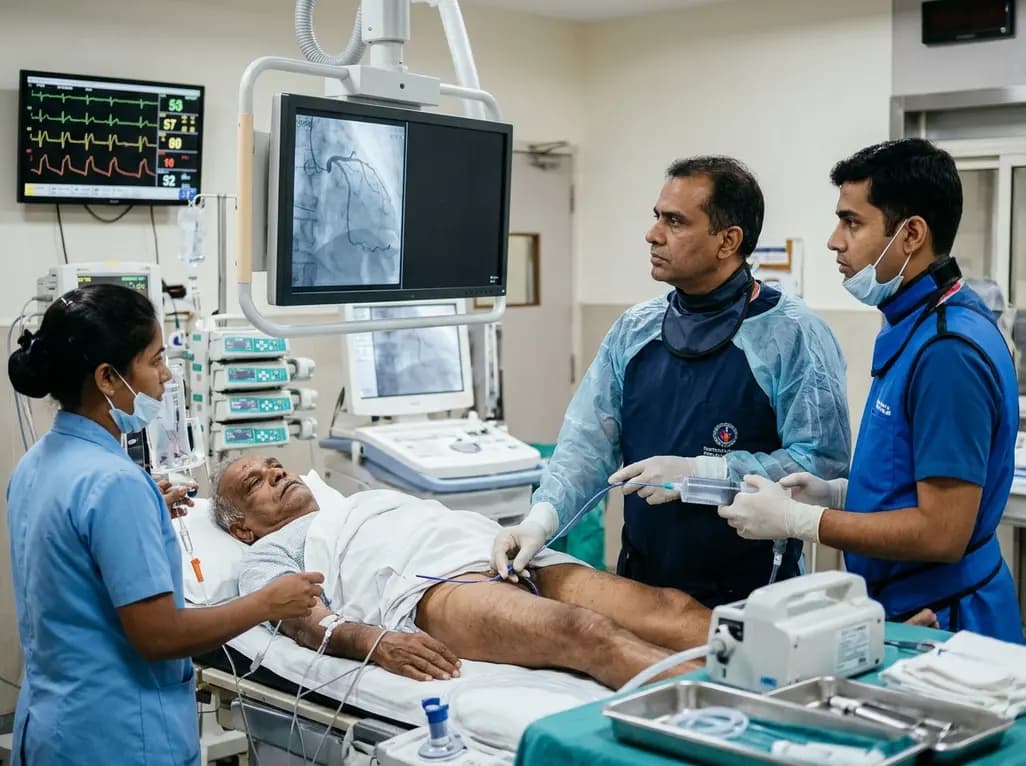
An elderly man with partially repaired Tetralogy of Fallot presented with STEMI caused by coronary embolism rather than atherosclerosis. Successful treatment with sustained mechanical aspiration thrombectomy underscores the vital need for high clinical vigilance in adult congenital heart disease.
Today

Demanding exhaustive hormonal profiling can inadvertently discourage clinical studies involving females. Methodological standards must align with the specific scientific question to expand, not restrict, equitable evidence for women.
Today
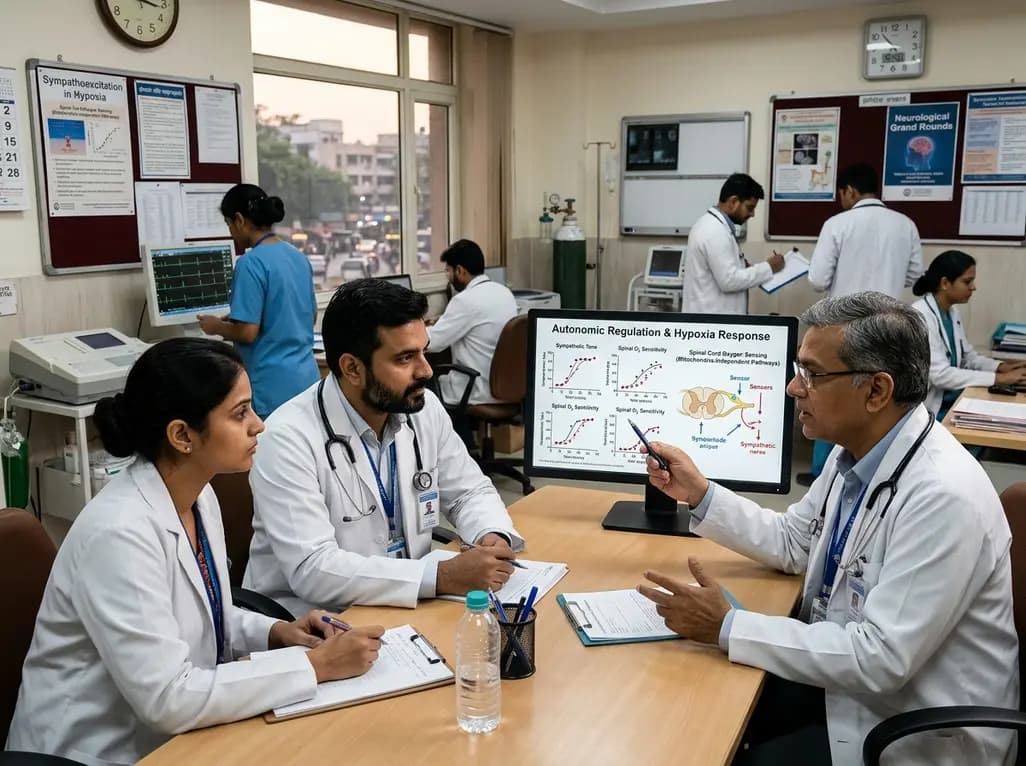
A recent study demonstrates that spinal oxygen sensors do not require mitochondrial electron transport to trigger sympathetic excitation during acute hypoxia, revealing new insights into how mitochondrial oxidative stress modulates autonomic tone in cardiovascular and neurological diseases.
Today
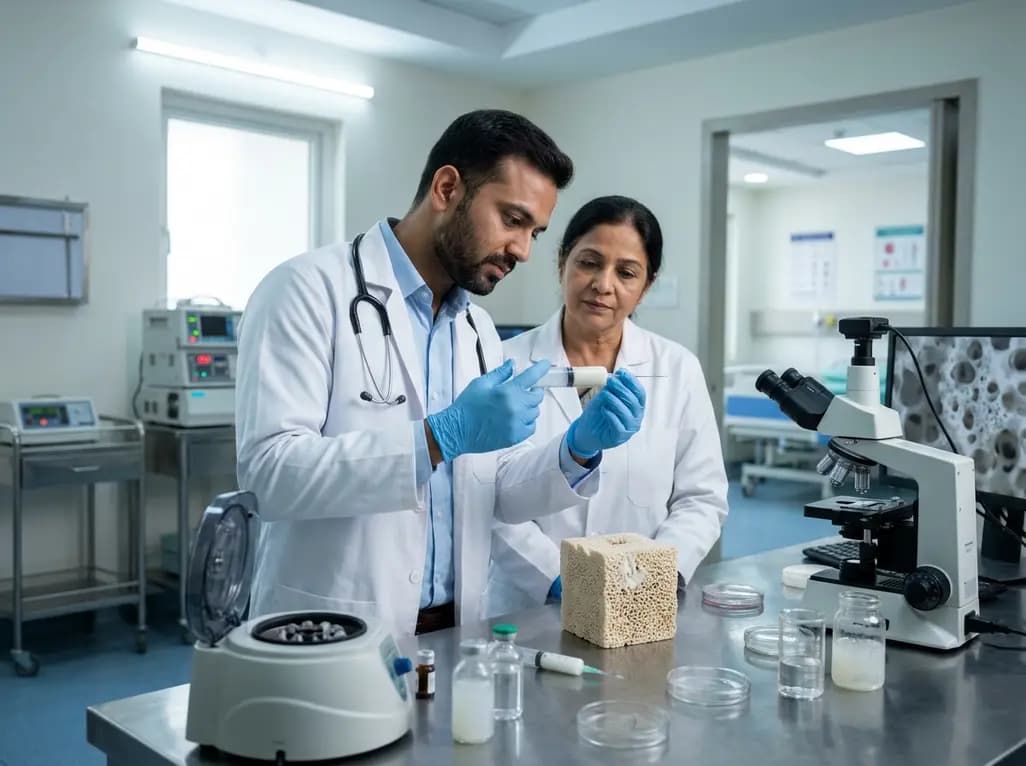
A novel calcium polyphosphate coacervate enables injectable bone implants with in situ hierarchical porosity via phase separation and gas foaming, significantly enhancing cell proliferation, energy metabolism, and osteogenic differentiation for minimally invasive bone defect repair.
Today

Following regulatory scrutiny from FSSAI regarding promotional representations and lean muscle preservation claims, Dr. Reddy's Laboratories and Nestlé Health Science are currently reviewing the branding and marketing strategy for their joint nutritional supplement Celevida GLP+.
Today
