

Loading, please wait...
Loading, please wait...
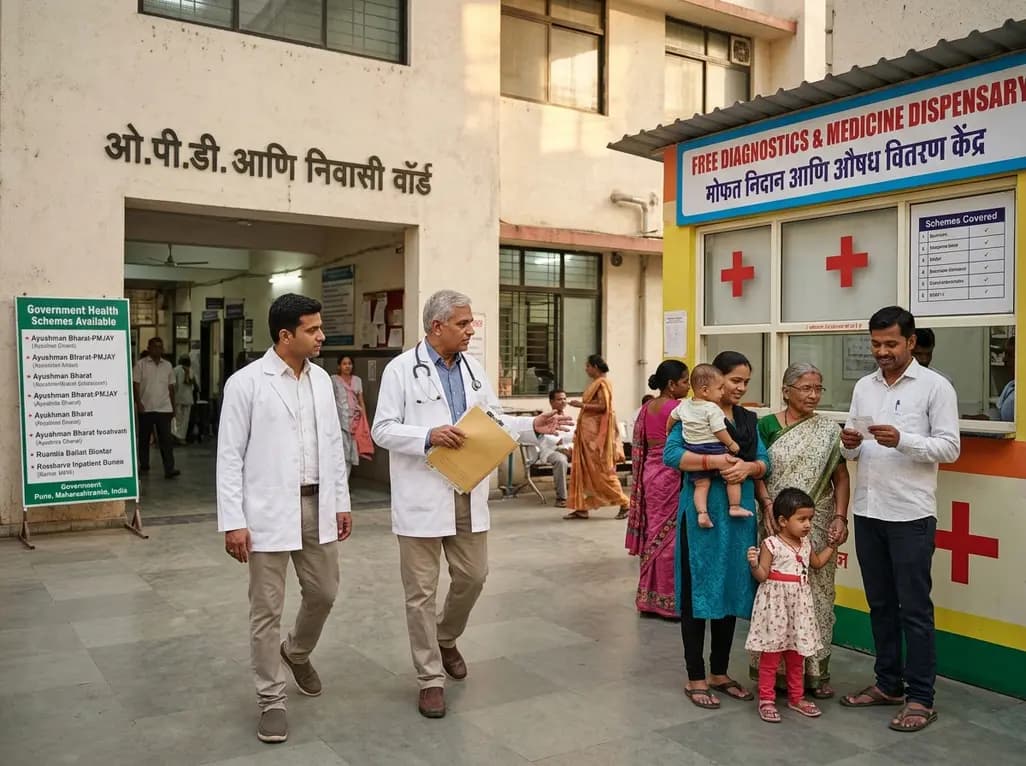
The Union Health Ministry recently released the National Health Accounts estimates for 2023-24. These findings demonstrate a monumental shift in Indian healthcare financing. Over the past decade, public expenditure expanded dramatically. Consequently, households experience significantly reduced financial burdens during medical treatment. For clinicians and healthcare administrators, these macroeconomic transitions carry profound operational implications.
Between 2013-14 and 2023-24, government health expenditure in India increased dramatically from approximately Rs 1.30 lakh crore to Rs 4.14 lakh crore. This remarkable three-fold surge demonstrates a continuous political commitment toward universal health coverage. Furthermore, public financing expanded its share within total health expenditure by 14.9 percentage points over the same ten-year period. In parallel, per capita public health spending rose from Rs 1,042 to Rs 2,959. Therefore, public allocations per citizen nearly tripled during this transformative phase. Central and state governments contributed synergistically to this sustained budgetary expansion. Specifically, state governments contributed nearly 68 percent of total public health expenditure, while the Union government financed approximately 32 percent. Overall, government expenditure on health now accounts for approximately 43.5 percent of total health spending. In addition, total public health funding represents approximately 1.43 percent of India's Gross Domestic Product. Consequently, public hospitals and tertiary facilities have received critical resources to modernize infrastructure, procure modern technology, and augment clinical staffing. These resource inflows directly alleviate existing service bottlenecks across district medical facilities.
Perhaps the most critical outcome highlighted in the new report is the precipitous decline in out-of-pocket expenditure. Out-of-pocket spending directly drains household savings during acute illness episodes. According to official estimates, out-of-pocket expenditure plunged from 64.2 percent of total health expenditure in 2013-14 to 42.7 percent in 2023-24. This change represents a major 21.5 percentage point contraction over a single decade. Furthermore, out-of-pocket expenditure continued its downward trajectory from 43.4 percent in the previous fiscal year of 2022-23. As a result, direct financial hardship on ordinary citizens has lessened noticeably. However, despite this encouraging progress, households still disbursed approximately Rs 4.06 lakh crore directly on medical services in 2023-24. Thus, out-of-pocket payments continue to form a substantial portion of national health financing. Outpatient medications, routine consultations, and commercial diagnostic tests continue to drive substantial personal expenses. Consequently, continuing public policy must prioritize capping diagnostic expenses and expanding community drug availability. For clinicians, recognizing that patients still bear direct financial pressures encourages cost-conscious prescribing habits and diligent stewardship.
Comprehensive primary care forms the foundational backbone of an effective public healthcare system. The 2023-24 estimates reveal that government expenditure on primary healthcare reached approximately Rs 1.53 lakh crore. This targeted investment underscores a strategic transition from curative tertiary interventions toward proactive preventive measures. In particular, the extensive rollout of Ayushman Arogya Mandirs has revitalized primary clinical outreach across rural and urban landscapes. These upgraded health centers offer screening for common non-communicable diseases, routine immunizations, and prenatal maternal evaluations. Additionally, flagship programs like the Free Drugs and Diagnostics Service Initiative ensure that patients obtain necessary interventions without financial toxicity. Similarly, the Pradhan Mantri Bhartiya Janaushadhi Pariyojana and AMRIT pharmacies supply affordable generic pharmaceuticals directly to the public. As an immediate result, patients manage chronic ailments such as hypertension and type 2 diabetes with far greater compliance. Furthermore, the Pradhan Mantri National Dialysis Programme provides accessible renal replacement therapies in underserved district centers. Therefore, early detection and decentralized therapy prevent debilitating systemic complications, easing the long-term clinical burden on overcrowded secondary hospitals.
Financial protection mechanisms have undergone significant diversification over the past decade. Notably, social security expenditure on health surged from 6 percent of total health expenditure in 2013-14 to 11 percent in 2023-24. This significant rise reflects broad institutional commitment to insulating vulnerable citizens from ruinous medical payments. This category encompasses major government-financed health insurance programs, prominently including the Ayushman Bharat Pradhan Mantri Jan Arogya Yojana. Moreover, it includes diverse state insurance programs, the Central Government Health Scheme, and mandatory social insurance mechanisms. In parallel, private health insurance expanded substantially over the same timeframe. Specifically, private insurance payments grew from 3.4 percent of total healthcare expenditure in 2013-14 to 10.2 percent in 2023-24. Consequently, combined insurance mechanisms now underwrite more than one-fifth of all healthcare disbursements across India. This expanding pool of insured patients facilitates prompt hospital admissions for urgent inpatient interventions. Furthermore, cashless hospitalization reduces the incidence of treatment delays caused by upfront cash demands. Thus, risk-pooling mechanisms continue to displace unorganized personal outlays across secondary and tertiary medical sectors.
The findings within the National Health Accounts offer vital strategic guidance for Indian clinicians and hospital managers. First, the progressive expansion of public spending creates robust avenues for clinical collaboration between public and private providers. As more patients gain coverage under public insurance, empanelled private hospitals witness higher patient footfalls for elective surgical and medical procedures. However, this transition necessitates strict adherence to standard treatment workflows and digital billing protocols. Second, the rapid growth of primary care centers shifts disease diagnosis toward early asymptomatic stages. Consequently, family physicians and internists increasingly manage early-stage hypertension, diabetes, and dyslipidemia rather than end-stage multi-organ complications. Furthermore, the broad availability of generic pharmaceuticals encourages doctors to prescribe cost-effective therapeutic molecules without compromising clinical efficacy. In addition, transparent diagnostic pricing enables clinicians to conduct timely investigations without inflicting acute financial distress on patient families. Therefore, modern clinical practice increasingly blends evidence-based medicine with health economic consciousness. Ultimately, doctors serve as vital guardians who can optimize resource utilization while securing optimal therapeutic outcomes for their patients.
Q1: What drives the sharp decline in India's out-of-pocket health expenditure?
The marked decline in out-of-pocket healthcare spending stems from substantial increases in public healthcare allocations and expanding social security safety nets. Between 2013-14 and 2023-24, government healthcare investments tripled to reach Rs 4.14 lakh crore. Furthermore, government initiatives like the Ayushman Bharat PM-JAY scheme, state-level insurance coverage, and free drug and diagnostic distribution networks have shielded households from direct medical bills. Consequently, these synchronized interventions significantly eased direct household financing burdens across the nation.
Q2: How does government funding for primary healthcare influence everyday clinical practice?
Allocating Rs 1.53 lakh crore toward primary healthcare substantially strengthens frontline medical delivery across grassroots facilities. The operationalization of Ayushman Arogya Mandirs decentralizes early diagnostic screening for chronic non-communicable conditions like diabetes and hypertension. For clinicians, this expanded investment facilitates earlier clinical presentations before irreversible organ damage occurs. Moreover, reliable supplies of free essential pharmaceuticals enhance patient compliance with chronic medication regimens. Consequently, tertiary hospitals experience reduced congestion, enabling specialists to focus on complex inpatient care.
Q3: What framework governs the preparation of National Health Accounts estimates?
The National Health Accounts Technical Secretariat, functioning within the National Health Systems Resource Centre under the Union Health Ministry, prepares these official estimates. The methodology strictly adopts the System of Health Accounts 2011, an internationally recognized framework established by the WHO and OECD. This standardized architecture tracks capital flows across revenue sources, financing agents, and healthcare providers. Consequently, it delivers consistent macroeconomic health metrics that ensure international comparability while supporting evidence-based health policy decisions nationwide.
Disclaimer: This content is for informational and educational purposes only. It does not constitute medical advice or replace professional judgment. Refer to the latest local and national guidelines for clinical practice.
References

Read summarized clinical updates, watch expert medical content, and earn CME certifications right from your smartphone.
Open your smartphone camera to scan and install.





The Union Health Ministry released the 11th round of National Health Accounts for 2023-24, highlighting a transformative decade in public healthcare financing. With substantial primary healthcare investments and expanding social insurance schemes, domestic financial protection for Indian families reached a new milestone.
Today

A cross-sectional study of 543 patients evaluated the clinical and economic impact of hemophilia inhibitors, revealing higher annual bleeding rates, increased treatment complexity, and severe orthopedic disability, highlighting the need for routine inhibitor screening and modern prophylactic strategies.
Today
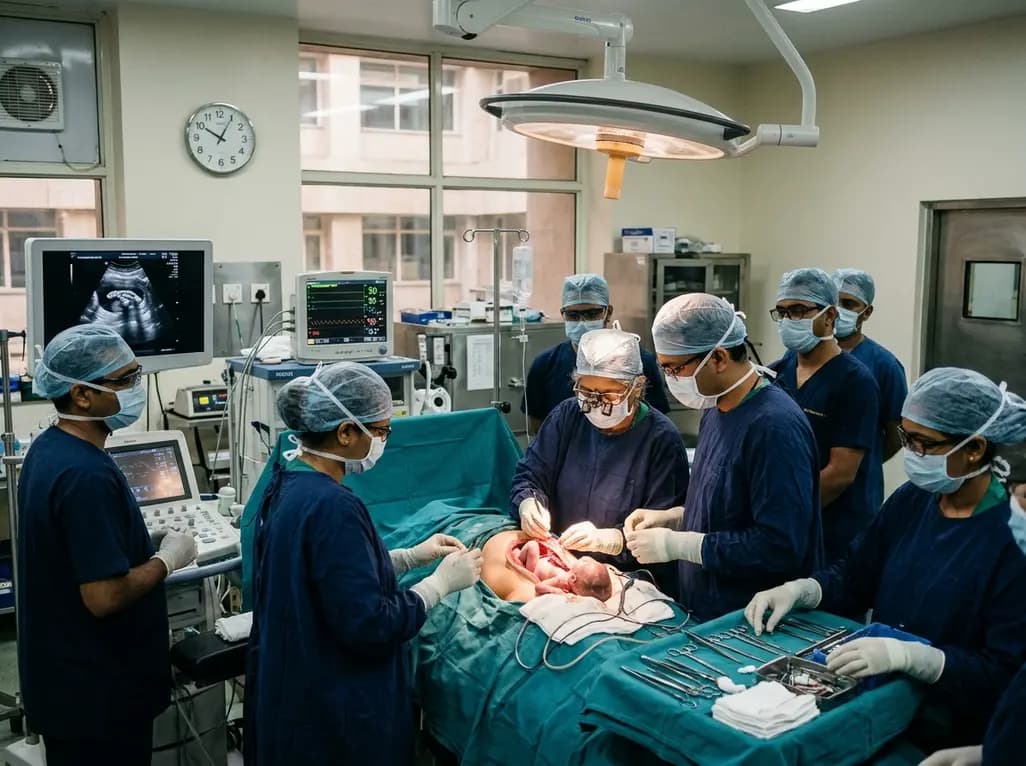
Doctors at AIIMS New Delhi have achieved a historic milestone by performing India's first open prenatal myelomeningocele repair on a 25-week unborn fetus. This landmark multidisciplinary procedure provides vital neuroprotective benefits, lowers hydrocephalus risks, and transforms maternal-fetal medicine nationwide.
Today
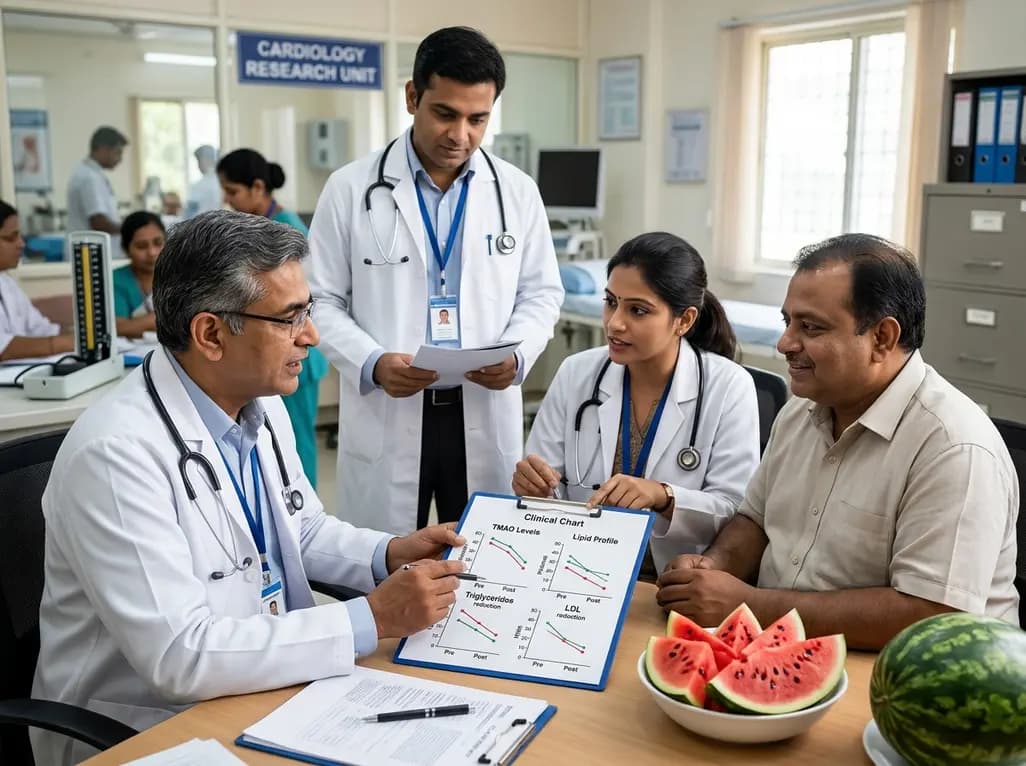
A randomized crossover trial reveals that daily fresh watermelon consumption significantly reduces baseline TMAO levels and favorably modulates lipid profiles, lowering triglycerides and LDL cholesterol in adults with overweight and obesity.
Today
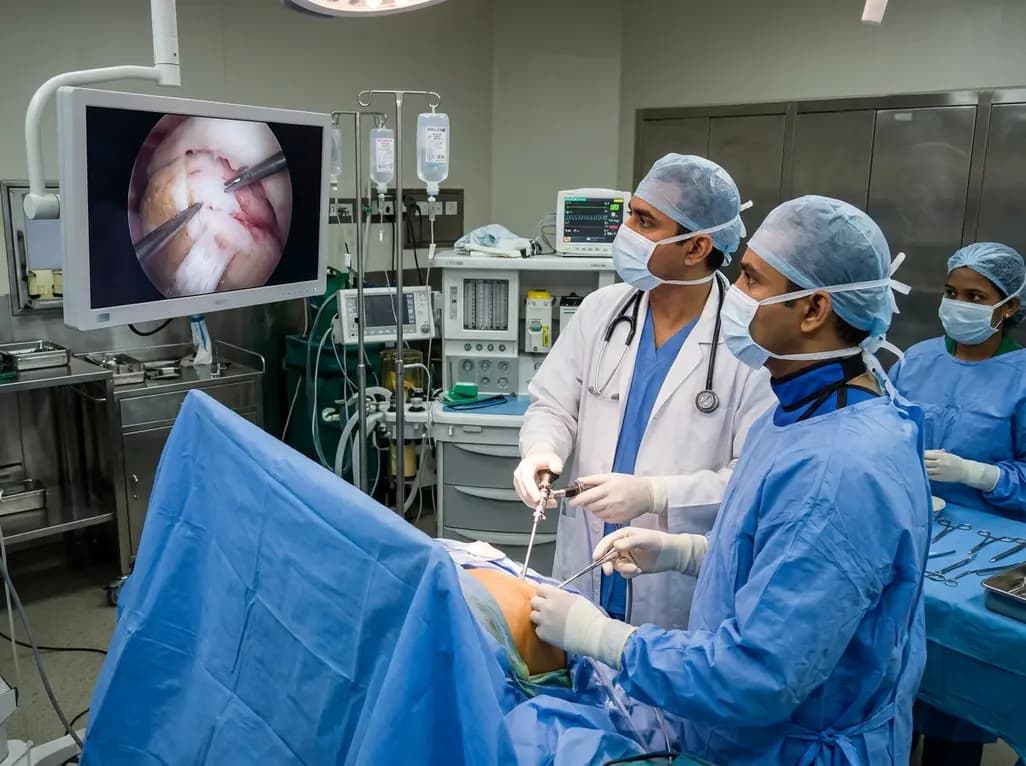
Discover how all-arthroscopic repair using a resorbable bioinductive bovine collagen implant offers a reproducible biologic solution for partial-thickness upper border subscapularis tears, enhancing healing while preserving native tendon architecture.
Today
A large-scale retrospective cohort study demonstrates that GLP-1 receptor agonists significantly reduce all-cause hospitalizations, alcohol-related admissions, major cardiovascular events, and mortality in patients with overweight or obesity and alcohol use disorder, providing profound clinical insights.
Today
