.webp&w=384&q=75)

Loading, please wait...
Loading, please wait...

Dengue virus infection frequently causes hepatic involvement, ranging from mild transaminase elevation to life-threatening acute liver failure. Severe transaminitis, defined by aminotransferase levels exceeding ten times the normal upper limit, significantly increases morbidity and prolongs hospital stays. Consequently, clinicians urgently need adjunctive interventions to protect liver parenchyma and improve recovery. Recent evidence highlights the therapeutic role of N-acetylcysteine in dengue fever. By replenishing glutathione stores and combating oxidative injury, this agent may attenuate hepatic necrosis. A recent prospective comparative trial investigated whether intravenous therapy improves clinical outcomes in hospitalized patients.
During acute dengue infection, viral replication inside hepatocytes and exuberant host immune responses trigger hepatocellular injury. Activated Kupffer cells and inflammatory leukocytes release large amounts of pro-inflammatory cytokines, driving intense oxidative stress. In addition, plasma leakage can cause systemic hypovolemia and transient hepatic hypoperfusion. As a result, hepatocellular glutathione levels rapidly deplete, leaving cells vulnerable to reactive oxygen species. Clinical studies show that marked transaminitis occurs in over ten percent of hospitalized individuals. Specifically, serum levels of aspartate aminotransferase and alanine aminotransferase often exceed 400 units per liter. These elevated enzymes strongly correlate with severe plasma leakage, internal hemorrhage, and increased mortality. In routine practice, clinical management remains strictly supportive, focusing on fluid balance and symptomatic relief. However, intravenous fluid resuscitation cannot directly counteract intracellular oxidative injury. Clinicians therefore require targeted pharmacologic therapies to support liver recovery. Furthermore, severe hepatic injury impairs coagulation factor synthesis, compounding dengue-related bleeding risks. Consequently, mitigating liver damage represents a crucial goal in acute clinical care.
To evaluate potential hepatoprotective therapies, researchers in Vietnam conducted a prospective comparative study at Viet Tiep Hospital. The investigation enrolled 128 hospitalized adult patients with laboratory-confirmed dengue and marked aminotransferase elevation. Specifically, all participants exhibited baseline aspartate aminotransferase or alanine aminotransferase levels of at least 400 units per liter. The researchers allocated 68 patients to receive intravenous N-acetylcysteine at 100 milligrams per kilogram daily alongside standard supportive care. Meanwhile, 60 patients received standard supportive care alone as the comparative control group. Attending physicians determined treatment allocation based on transaminase severity and clinical presentation. Importantly, baseline biochemical parameters, including initial transaminases, serum bilirubin, and international normalized ratio, remained comparable between cohorts. The primary trial endpoint measured the total length of hospital stay. In addition, secondary endpoints tracked daily transaminase clearance and serial platelet recovery. Furthermore, investigators observed participants closely for adverse drug effects throughout the infusion period. Consequently, this study provides valuable comparative evidence regarding antioxidant therapy in adult dengue infection.
The prospective study demonstrated distinct clinical advantages for patients receiving the antioxidant protocol. Most notably, the intervention group experienced a statistically significant reduction in total length of hospital stay. Patients treated with intravenous infusions had an average hospital stay of 5.01 days. In contrast, patients receiving standard supportive care alone remained hospitalized for an average of 6.12 days. Therefore, the antioxidant therapy shortened inpatient hospitalization by more than one full day. This significant difference provides vital practical benefits during seasonal viral epidemics when healthcare systems face extreme bed shortages. Furthermore, earlier discharge reduces direct healthcare expenses and lessens psychological strain on patients and families. Shorter stays also minimize the risk of secondary hospital-acquired infections and intravenous fluid overload. Consequently, accelerating clinical stabilization represents an invaluable epidemiological advantage for resource-limited hospitals. Moreover, treated individuals experienced quicker relief from debilitating fatigue, persistent nausea, and abdominal discomfort. Thus, incorporating this adjunctive protocol safely speeds overall clinical recovery in high-risk patients.
In addition to shortening hospital stay, the prospective study revealed substantial improvements in key laboratory parameters. Patients receiving antioxidant therapy showed significantly faster reductions in elevated serum transaminases. Specifically, posttreatment aspartate aminotransferase and alanine aminotransferase levels fell substantially more rapidly compared to the control group. This accelerated enzymatic clearance indicates that restoring cellular glutathione stores effectively preserves surviving hepatocytes. Furthermore, the treatment cohort exhibited earlier and more robust platelet count recovery. Although dengue-induced thrombocytopenia primarily stems from bone marrow suppression and immune-mediated destruction, hepatic health influences platelet regeneration. The liver synthesizes thrombopoietin, the key growth factor regulating megakaryocyte maturation and thrombopoiesis. Consequently, protecting hepatic parenchymal function may sustain endogenous thrombopoietin production during critical illness. In addition, reducing systemic oxidative stress helps prevent endothelial activation and microvascular platelet consumption. Therefore, patients in the intervention arm required fewer blood product transfusions during hospitalization. These laboratory improvements illustrate the dual therapeutic benefits of antioxidant administration in acute viremia.
Throughout the prospective investigation, the intravenous regimen of 100 milligrams per kilogram daily maintained a favorable safety profile. Clinicians observed no severe anaphylactoid reactions, bronchospasm, or cardiovascular instability among treated patients. Because this dosing schedule remains lower than paracetamol overdose protocols, it substantially reduces infusion-related adverse reactions. However, healthcare personnel must exercise diligent caution during intravenous administration. Medical teams should infuse the medication slowly using controlled volumetric pumps. This precaution helps prevent accidental fluid overload in patients vulnerable to vascular leakage. In addition, clinicians must continuously monitor serum transaminases, renal parameters, and coagulation markers. Routine laboratory assessments guarantee prompt detection of clinical deterioration or drug interactions. Therefore, adopting this protocol requires careful clinical assessment and appropriate monitoring facilities. In endemic areas like India, dengue with marked transaminitis represents a frequent clinical dilemma. Currently, clinical guidelines emphasize conservative fluid resuscitation and avoidance of hepatotoxic agents. Nevertheless, adding targeted antioxidant therapy provides a pragmatic, evidence-based adjunct for severe cases. Consequently, standardizing this treatment protocol can optimize outcomes across busy infectious disease wards.
Clinicians consider this therapy because dengue virus induces massive oxidative stress, pro-inflammatory cytokine release, and intracellular glutathione depletion within hepatocytes. By replenishing cysteine stores, the drug restores endogenous glutathione synthesis and neutralizes damaging reactive oxygen species. Furthermore, it improves microvascular perfusion and modulates inflammatory signaling. Consequently, this targeted antioxidant intervention preserves hepatocellular viability, reduces elevated serum transaminases, and helps prevent progression toward life-threatening fulminant hepatic failure in severe dengue infection.
The prospective comparative trial administered an intravenous dosage of 100 milligrams per kilogram body weight per day alongside standard supportive therapy. Clinicians diluted the daily medication in standard infusion solutions and administered it as a continuous infusion. Importantly, this dose remains lower than standard regimens prescribed for acute paracetamol toxicity, minimizing potential adverse histamine reactions. Patients received the infusion until clinical stabilization, transaminase normalization trends emerged, and hospital discharge criteria were successfully met.
Antioxidant therapy supports platelet recovery primarily by protecting hepatic parenchyma and dampening systemic inflammatory cascades. The liver synthesizes thrombopoietin, the vital glycoprotein hormone driving platelet genesis. Preserving hepatocyte integrity ensures adequate thrombopoietin production during acute illness. Additionally, N-acetylcysteine scavenges reactive oxygen species that promote platelet activation, consumption, and endothelial adhesion. Consequently, patients receiving antioxidant treatment experience accelerated platelet recovery, shorter durations of severe thrombocytopenia, and reduced requirements for platelet transfusions during their hospital admission.
Disclaimer: This content is for informational and educational purposes only... Refer to the latest local and national guidelines for clinical practice.
References

Read summarized clinical updates, watch expert medical content, and earn CME certifications right from your smartphone.
Open your smartphone camera to scan and install.





A prospective comparative study shows intravenous N-acetylcysteine significantly reduces hospital stay, accelerates transaminase clearance, and promotes platelet recovery in dengue patients with marked aminotransferase elevation (≥400 U/L).
Today
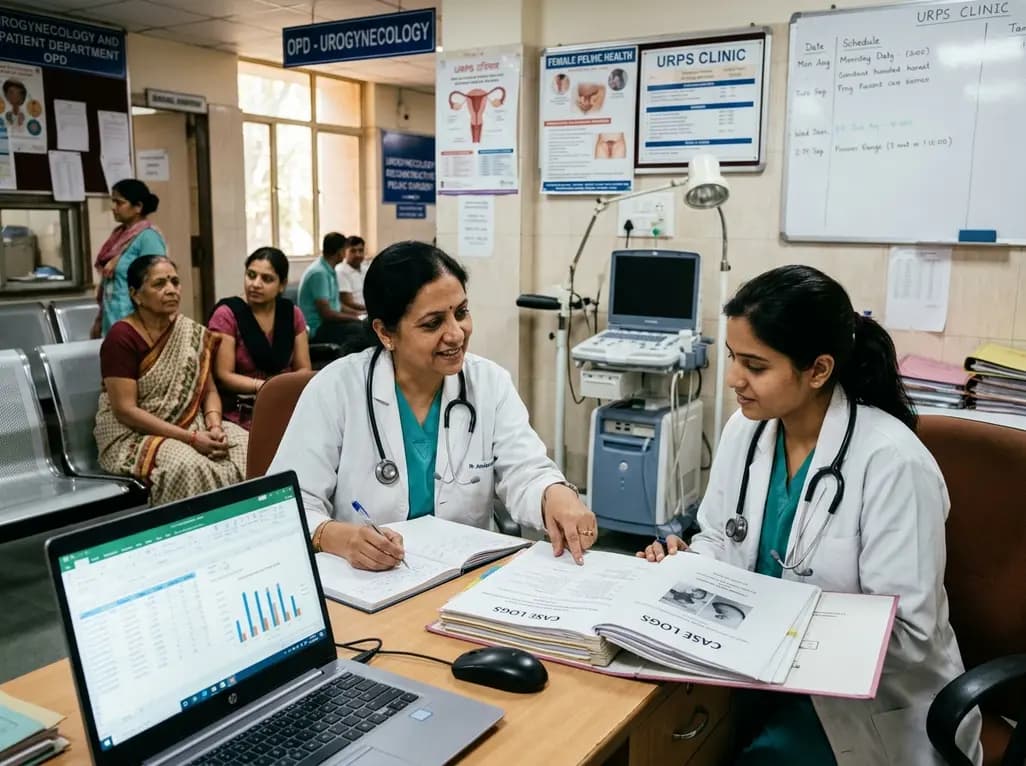
A ten-year cohort study of ABU case logs reveals that URPS fellowship training significantly drives higher annual case volumes, advanced surgical complexity, and increased female representation in pelvic floor reconstruction, underscoring the vital need for structured subspecialty training.
Today
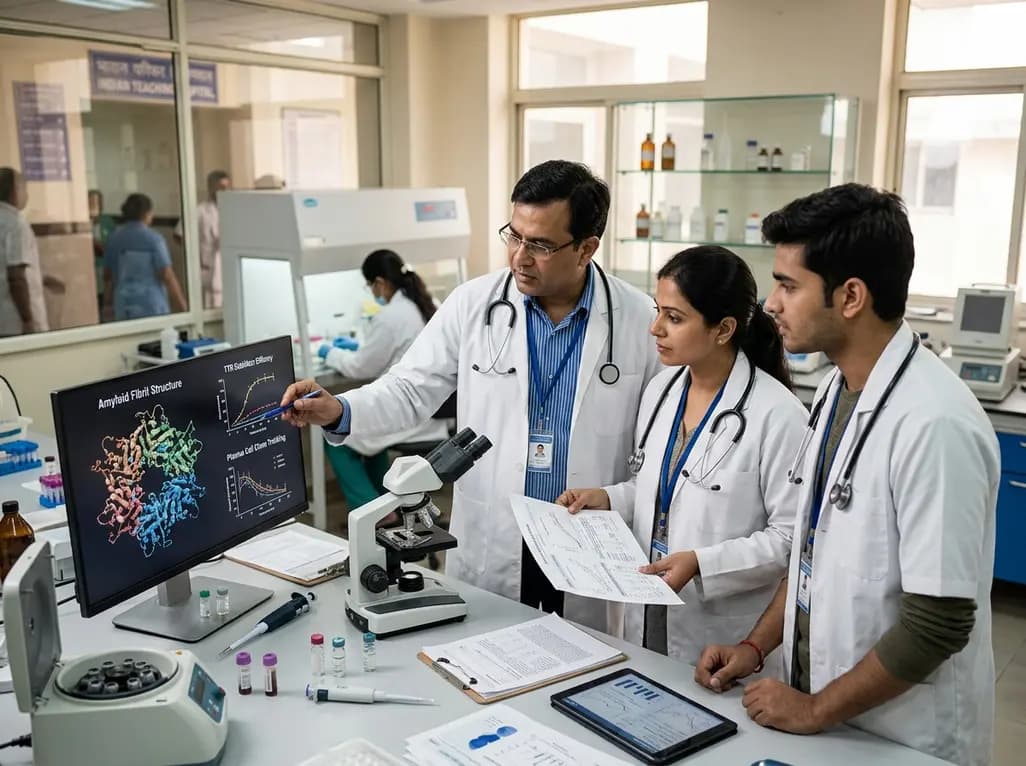
Systemic amyloidosis management is undergoing a therapeutic revolution. This clinical review synthesizes updates from the International Society of Amyloidosis, detailing novel plasma cell therapies, TTR stabilizers, silencers, translational models, and artificial intelligence in drug development.
Today

Posttraumatic pisotriquetral instability is a rare wrist injury causing severe hypothenar pain and weakness. Explore clinical examination, imaging, and pisiformectomy.
Today
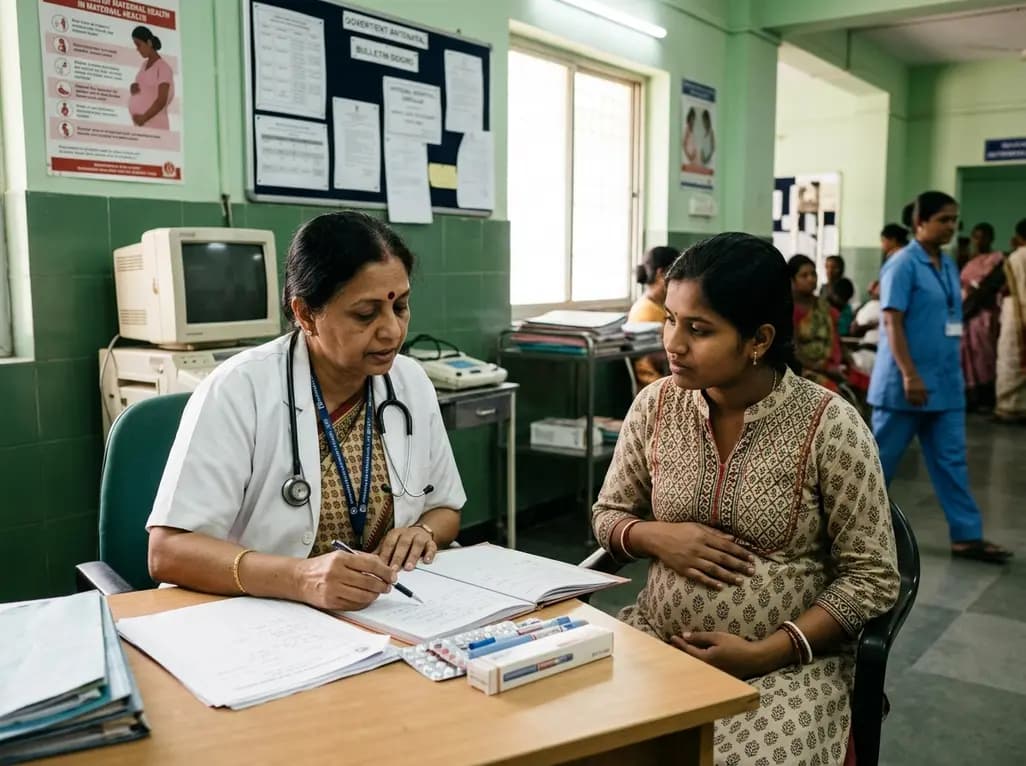
A comprehensive review analyzes periconceptional GLP-1 receptor agonist exposure, revealing reassuring data on congenital anomalies and adverse perinatal outcomes while emphasizing the need for cautious patient counseling.
Yesterday
