.webp&w=384&q=75)

Loading, please wait...
Loading, please wait...

Complex congenital heart anomalies often require urgent surgical reconstruction in early infancy. Among these procedures, neonatal arch repair presents unique physiological challenges, particularly regarding the preservation of end-organ perfusion. Cardiopulmonary bypass strategies traditionally focus on cerebral protection through selective cerebral perfusion. However, postoperative renal dysfunction remains a frequent complication that worsens clinical outcomes. Acute kidney injury occurs in a substantial proportion of these vulnerable infants. Consequently, surgical teams continually evaluate innovative intraoperative techniques to optimize systemic organ perfusion. Recent clinical evidence demonstrates that providing continuous myocardial perfusion during aortic reconstruction significantly protects postoperative renal function, offering a valuable strategy to improve neonatal outcomes.
Reconstructing the aortic arch requires precise surgical maneuvers while interrupting conventional systemic circulation. Historically, surgeons relied heavily on deep hypothermic circulatory arrest to achieve a bloodless field. Over recent decades, selective cerebral perfusion has become standard to mitigate neurological complications. Despite excellent brain protection, other vital organs remain vulnerable to ischemic insult. In particular, neonatal kidneys exhibit high metabolic demands and delicate vascular autoregulation. When perfusion is restricted to the brain alone, the myocardium undergoes variable durations of ischemia. Furthermore, myocardial ischemia precipitates low cardiac output syndrome immediately after cardiopulmonary bypass. Consequently, inadequate systemic output compromises renal perfusion pressure during critical postoperative hours. In addition, systemic inflammatory cascades from bypass circuits exacerbate renal tubular damage. Clinicians therefore recognize that maintaining robust cardiac contractility through continuous myocardial perfusion directly supports renal recovery. By protecting myocardial energy stores, surgeons preserve systemic hemodynamics, shielding the kidneys from hypoperfusion.
To evaluate myocardial protection benefits, researchers analyzed 202 neonates who underwent arch reconstruction between 2008 and 2019. The cohort included term neonates and premature infants operated after reaching appropriate corrected gestational age. Every patient received selective cerebral perfusion during cardiopulmonary bypass. Additionally, the surgical team applied continuous myocardial perfusion in 96 patients, representing 47.5% of the cohort. The investigators evaluated postoperative renal function using the pediatric modified RIFLE criteria. They documented serial serum creatinine levels and calculated estimated creatinine clearance trajectories. To control for baseline anatomical complexity, researchers performed multivariable logistic regression and propensity score matching. Furthermore, the analysis accounted for gestational age, birth weight, bypass duration, and associated intracardiac repairs. This methodological framework ensured accurate isolation of the effect of myocardial perfusion on renal preservation. Consequently, the study provides compelling comparative evidence regarding organ-specific outcomes in neonatal cardiac surgery.
The overall incidence of postoperative acute kidney injury reached 24.3% across the entire patient cohort. However, neonates who received additional myocardial perfusion experienced significantly fewer renal complications. Specifically, multivariable logistic regression demonstrated that myocardial perfusion independently reduced acute kidney injury odds by over sixty percent. Conversely, prematurity was an independent risk factor, conferring a greater than two-fold increase in renal injury risk. Longer cardiopulmonary bypass duration also showed a marginal association with renal dysfunction. Importantly, propensity score matching confirmed the nephroprotective effect of this perfusion strategy. Infants who received myocardial perfusion demonstrated significantly faster recovery of estimated creatinine clearance compared to matched controls. In addition, these patients showed improved biochemical stability and required less aggressive diuretic support. Therefore, myocardial protection directly translates into measurable renal benefits. These findings highlight that targeted cardiac preservation delivers broad systemic advantages extending far beyond coronary tissue.
Understanding why myocardial perfusion protects renal function requires examining the cardiorenal axis in neonates. During standard aortic reconstruction, the heart experiences global ischemia during cross-clamping. Even with cardioplegia, reperfusion injury and transient ventricular stunning frequently develop after declamping. In neonates, immature cardiomyocytes have lower functional reserve and limited calcium handling capacity. Consequently, transient ventricular dysfunction leads to elevated central venous pressure and decreased mean arterial pressure. Elevated venous backpressure impairs the transrenal perfusion gradient, while low cardiac output deprives the renal cortex of oxygen. By delivering continuous blood flow to the coronary arteries, surgeons preserve cellular energy stores and prevent myocardial edema. As a result, the heart resumes vigorous contractility immediately upon weaning from bypass. This robust cardiac output ensures adequate renal arterial driving pressure and prevents venous congestion, eliminating the primary hemodynamic trigger for acute tubular necrosis.
These findings offer substantial clinical implications for multidisciplinary pediatric cardiac teams. Congenital heart surgeons should consider integrating simultaneous myocardial perfusion into routine cannulation protocols for arch repair. Although dual-perfusion techniques require additional circuit management, the resulting renal protection provides strong clinical justification. Moreover, pediatric anesthesiologists and perfusionists must collaborate to maintain optimal flow rates across cerebral and coronary circuits. In the intensive care unit, neonatologists and pediatric intensivists should maintain heightened vigilance for premature infants, who exhibit the highest baseline risk. Early monitoring of urine output, fluid balance, and renal biomarkers remains essential for prompt intervention. Additionally, minimizing bypass duration and optimizing hematocrit further augment organ protection. By adopting a comprehensive multi-organ perfusion strategy, surgical centers can reduce postoperative acute kidney injury. Ultimately, improved myocardial preservation accelerates systemic recovery and shortens intensive care stays for fragile newborns.
Additional myocardial perfusion maintains continuous oxygen and nutrient delivery to the heart during aortic reconstruction. This continuous flow prevents myocardial stunning, ischemia, and reperfusion injury upon separation from bypass. Consequently, the neonate maintains superior cardiac output and systemic blood pressure postoperatively. Robust cardiac performance preserves renal perfusion pressure and prevents venous congestion, which directly reduces the risk of acute tubular necrosis and postoperative acute kidney injury.
Premature infants possess nephrons that are structurally and functionally immature, exhibiting reduced glomerular filtration surface area and impaired tubular transport mechanisms. Additionally, their renal vascular autoregulation is fragile and highly sensitive to hemodynamic fluctuations, hypothermia, and systemic inflammation. When subjected to cardiopulmonary bypass and surgical stress, premature kidneys decompensate rapidly, leading to a markedly higher incidence of acute kidney injury compared to full-term counterparts.
Clinicians widely utilize the pediatric modified RIFLE criteria to classify acute kidney injury in neonates and children. This standardized staging system evaluates changes in estimated creatinine clearance or serum creatinine relative to baseline values, alongside hourly urine output measurements. By categorizing renal dysfunction into Risk, Injury, Failure, Loss, and End-stage stages, the criteria allow early detection and timely therapeutic interventions in critical care settings.
Disclaimer: This content is for informational and educational purposes only, and should not be considered professional medical advice. Always seek the advice of a qualified healthcare provider. Refer to the latest local and national guidelines for clinical practice.
References

Read summarized clinical updates, watch expert medical content, and earn CME certifications right from your smartphone.
Open your smartphone camera to scan and install.





A clinical study demonstrates that adding myocardial perfusion during neonatal aortic arch repair significantly decreases the incidence of postoperative acute kidney injury and accelerates renal function recovery, especially when compared to isolated selective cerebral perfusion.
last month

Emerging neuroenergetic research reveals that cognitive fatigue stems from local metabolic constraints and regional aerobic glycolysis rather than global resource depletion. This paradigm shift offers valuable clinical insights for managing chronic mental exhaustion, post-viral syndromes, and neurodegenerative fatigue.
Today

A scoping review reveals how pregnancy affects phonation through laryngeal edema and reduced phonation time rather than major acoustic pitch alterations. Learn how to identify, evaluate, and manage vocal symptoms in expectant mothers.
Today

According to WHO data, average lifespan reached 73.3 years in 2023, recovering from pandemic lows. However, healthy life expectancy lags at 62.8 years due to surging noncommunicable conditions like cardiovascular disease and dementia, demanding proactive primary screening and sustained chronic care.
Today
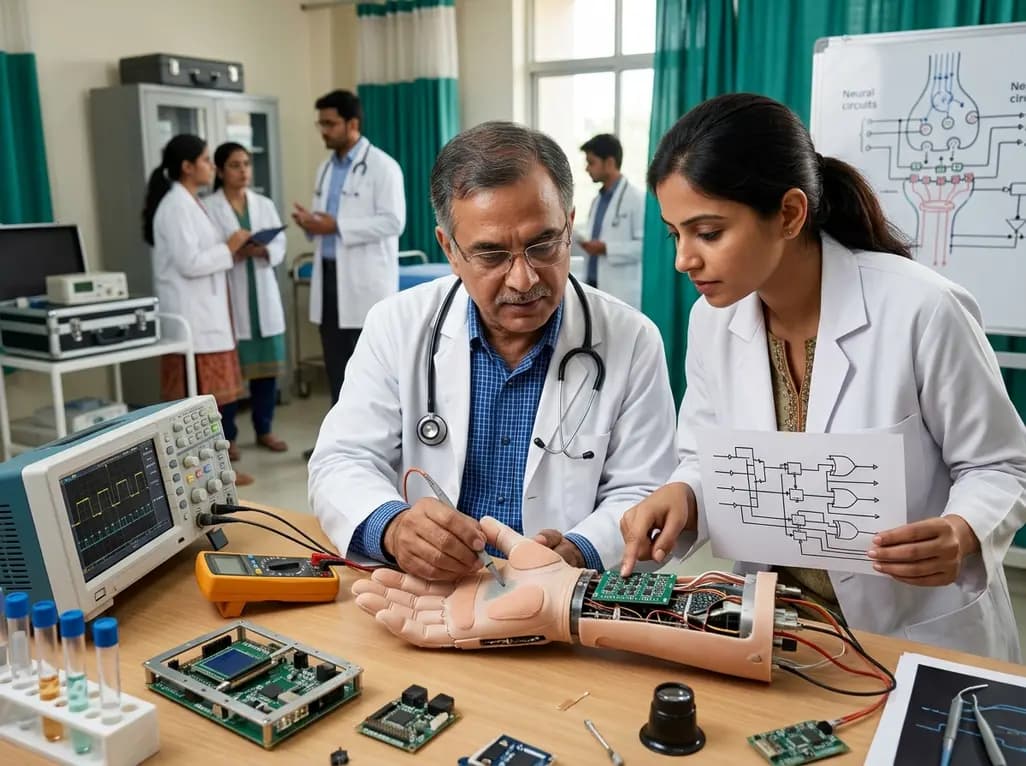
Researchers have engineered an artificial sensory-pain integrated receptor using a multi-threshold organic synaptic transistor. The system distinguishes benign touch from noxious stimuli, enabling safer, more responsive prosthetic limbs with built-in memory and simplified hardware architecture.
Today
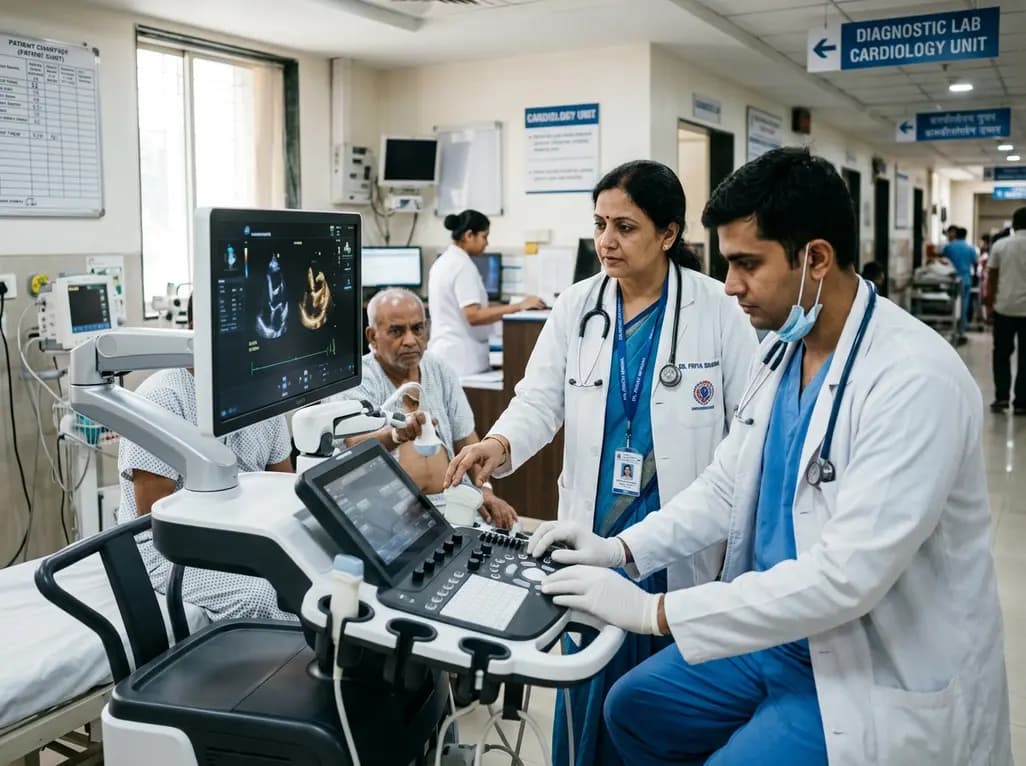
Medical robotics is transitioning beyond operative suites into diagnostics, cardiology, and endocrinology. Explore how innovations in tele-robotics, AI integration, and nanomedicine are overcoming geographical barriers and transforming precision healthcare delivery across India's evolving disease landscape.
Today
