.webp&w=384&q=75)

Loading, please wait...
Loading, please wait...
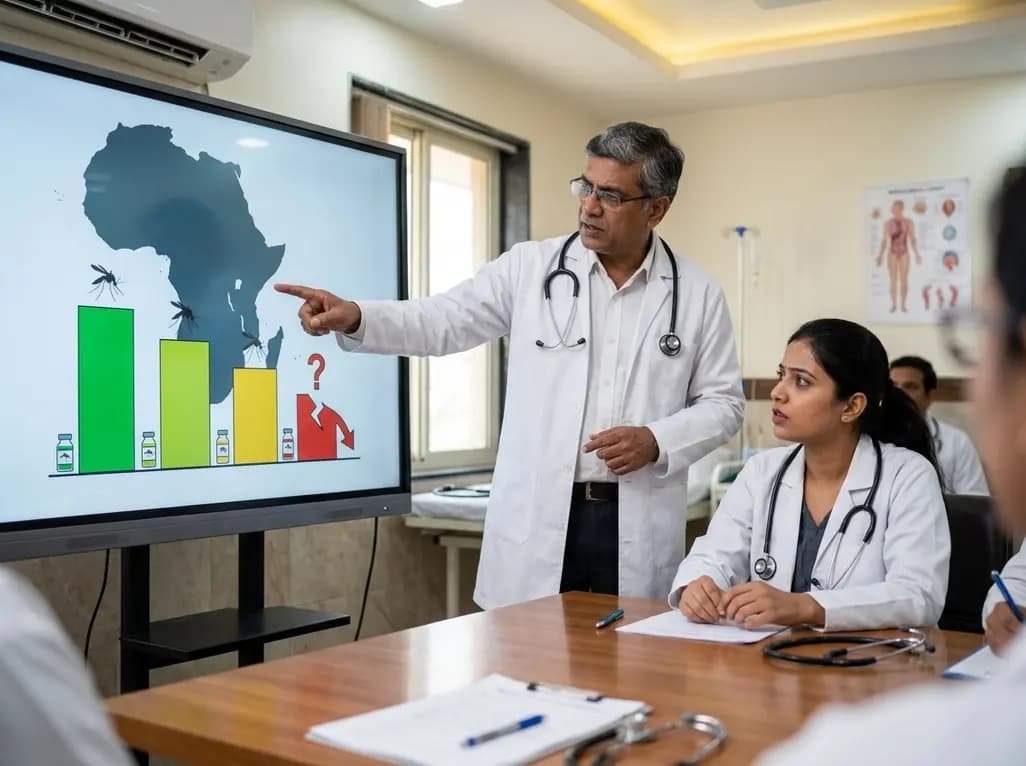
The rollout of the first multidose malaria vaccine represents a historic milestone in global public health. For decades, Plasmodium falciparum has caused devastating morbidity and mortality among children across sub-Saharan Africa. Consequently, the introduction of the RTS,S and R21 vaccines brought immense hope to families and healthcare providers. These vaccines have already shown a remarkable ability to reduce severe malaria cases and hospitalizations in early implementation areas. However, achieving sustained immunity requires a strict adherence to a complex four-dose immunization schedule. While initial doses see high uptake, health systems face a daunting challenge in ensuring children receive the final booster. This drop-off in coverage threatens to undermine the hard-won gains against this deadly disease. Therefore, understanding the barriers to complete vaccination is critical for public health officials and clinicians worldwide. Specifically, the gap between the third and fourth doses highlights systemic vulnerabilities in pediatric healthcare delivery. As a result, many children remain under-protected during their most vulnerable developmental years. Addressing these coverage gaps is essential to unlock the vaccine’s full life-saving potential.
Data from early implementation programs reveal a stark disparity in coverage rates between the initial shots and the booster. For instance, pilot programs in Ghana, Kenya, and Malawi demonstrated excellent initial acceptance of the multidose malaria vaccine. The first dose achieved an impressive eighty percent coverage rate among eligible infants. However, this promising momentum declined sharply by the time the fourth dose was due. Coverage for the final booster plummeted to forty-six percent in those pilot regions. Similarly, Cameroon’s recent country-wide rollout mirrors this concerning trend in vaccine retention. While their third-dose coverage reached nearly sixty percent, fourth-dose coverage hovered around twenty-five percent. This significant attrition rate occurs because the final dose is administered much later, typically around the second birthday. Consequently, parents and healthcare workers frequently lose track of the immunization timeline over these months. Furthermore, the extended interval between doses makes follow-up care exceptionally difficult to coordinate. Healthcare systems must therefore develop robust tracking mechanisms to bridge this temporal gap. Without active intervention, the booster dose will remain out of reach for millions of children.
Several intersecting factors contribute to the low completion rates of the multidose malaria vaccine across African nations. Primarily, transport costs present a substantial barrier for low-income families living in remote rural regions. Traveling to distant clinics multiple times requires both money and valuable time away from work. Additionally, a lack of proactive reminder systems often leaves parents unaware of the exact booster schedule. Competing childcare responsibilities and work obligations further complicate the ability of mothers to prioritize clinic visits. Moreover, healthcare facilities frequently suffer from resource constraints, including staff shortages and vaccine stockouts. These system-level challenges make patient follow-up extremely difficult for understaffed clinical teams. Furthermore, recent cuts in international funding have strained the supply chains managed by global health alliances. These financial shortages limit the reach of educational campaigns and community outreach programs. Consequently, the burden of navigating a complex immunization schedule falls heavily on vulnerable households. Ultimately, overcoming these socioeconomic hurdles is necessary to ensure equitable vaccine access and long-term protection.
From a clinical perspective, completing all four vaccine doses is essential for establishing durable immunity. Clinical trials show that the initial three-dose series provides substantial protection during the first year of life. However, this vaccine-induced immunity naturally wanes over time without a booster. Specifically, long-term studies indicate that efficacy drops significantly within several years of the initial series. The fourth dose, administered months later, acts as a critical immune stimulant to prolong protection. Therefore, omitting this final shot leaves young children increasingly susceptible to severe malaria as they grow. Pediatricians emphasize that the complete regimen makes the immune response far more potent and resilient. Additionally, the vaccine must be viewed as a complementary tool rather than a standalone solution. It must be combined with insecticide-treated bed nets, prompt diagnostic testing, and effective antimalarial treatments. Healthcare providers must educate families on this comprehensive prevention strategy during every clinical encounter. By doing so, they can reinforce the clinical necessity of completing the full immunization pathway.
To combat high dropout rates, public health authorities are implementing innovative patient retention strategies. For example, Cameroon and neighboring countries have launched targeted catch-up campaigns to identify unvaccinated children. These initiatives utilize localized databases and community health workers to conduct home visits and deliver reminders. Additionally, leveraging mobile technology through automated text-message reminders has shown great promise in pilot studies. These digital alerts help parents remember upcoming appointments and reduce the burden on clinic staff. Furthermore, integrating the malaria booster with other routine childhood wellness visits can streamline clinical logistics. Educating community leaders and local influencers also plays a pivotal role in building vaccine confidence and trust. When respected voices endorse the complete four-dose regimen, parental acceptance increases significantly. Moreover, ongoing research is actively focused on developing next-generation, single-dose formulations. A single-shot vaccine would eliminate the logistical hurdles of multidose schedules entirely. Until that technology arrives, optimizing current delivery models remains our most effective weapon against pediatric malaria.
Q1: Why is the fourth dose of the malaria vaccine considered essential for children?
The fourth dose acts as a crucial booster that prolongs and strengthens immunity against Plasmodium falciparum. While the initial three doses offer strong protection in the first year, this immunity naturally wanes over time. Administering the fourth dose around the second birthday stimulates the child’s immune system, ensuring sustained protection during their most vulnerable early childhood years. Skipping this final dose significantly increases the risk of contracting severe malaria later.
Q2: What are the primary reasons why children miss the final booster dose?
Children frequently miss the final booster due to the long time interval between the third and fourth doses. Because the fourth shot is given months after the initial series, parents and healthcare workers often forget the appointment. Additionally, socioeconomic challenges like high transport costs, lack of digital reminders, and competing work or childcare responsibilities prevent families from returning to clinics. Systemic vaccine stockouts and healthcare staffing shortages also contribute to high dropout rates.
Q3: How are healthcare systems in Africa working to improve vaccine completion rates?
Healthcare systems are deploying several strategies, including "Big Catch-up" campaigns and localized community outreach. Health workers conduct home visits to track and immunize children who missed their appointments. Furthermore, programs are increasingly using mobile text-message reminders to alert parents of upcoming vaccine dates. Integrating the malaria booster with other routine pediatric health services also makes clinic visits more convenient, thereby reducing attrition and ensuring complete vaccination protection.
Disclaimer: This content is for informational and educational purposes only. It does not constitute medical advice or replace professional judgment. Refer to the latest local and national guidelines for clinical practice.
References

Read summarized clinical updates, watch expert medical content, and earn CME certifications right from your smartphone.
Open your smartphone camera to scan and install.





The introduction of multidose malaria vaccines in Africa marks a massive leap in public health, yet ensuring children complete all four doses remains a significant challenge. Discover the clinical importance of the booster dose and how healthcare systems are tackling high attrition rates.
3 months ago
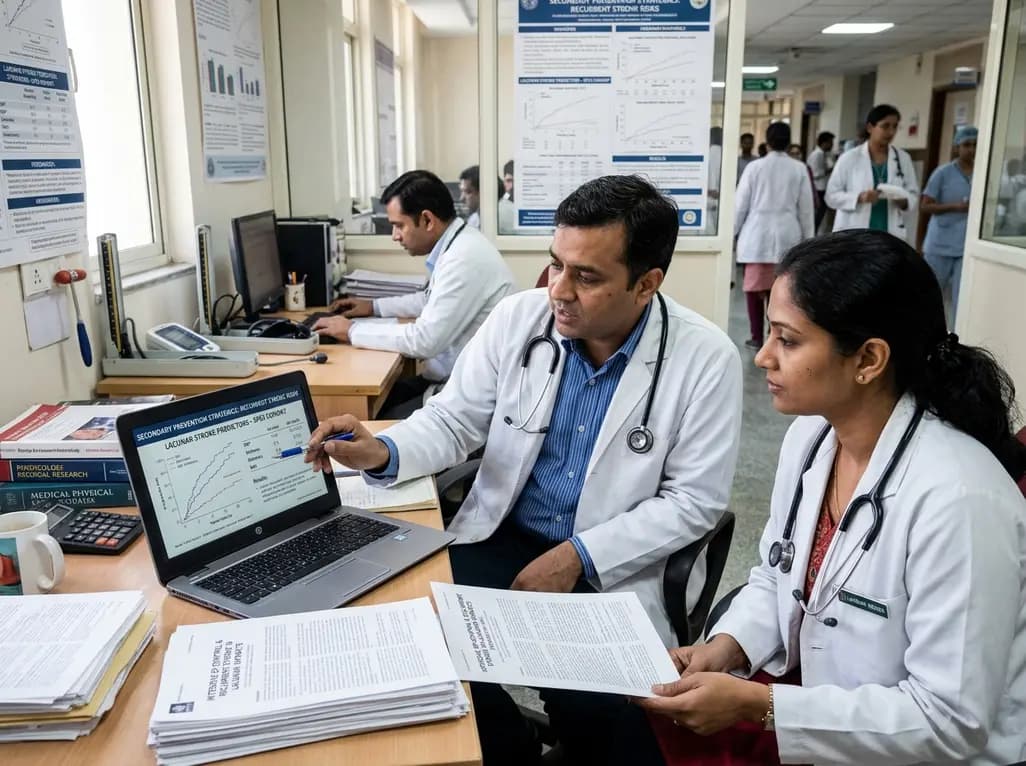
Explore vital recurrent stroke predictors in lacunar stroke patients managed with intensive blood pressure lowering. This analysis examines trial findings from SPS3 to uncover residual vascular risks, metabolic factors, and targeted secondary prevention strategies for high-risk neurological patients.
Today
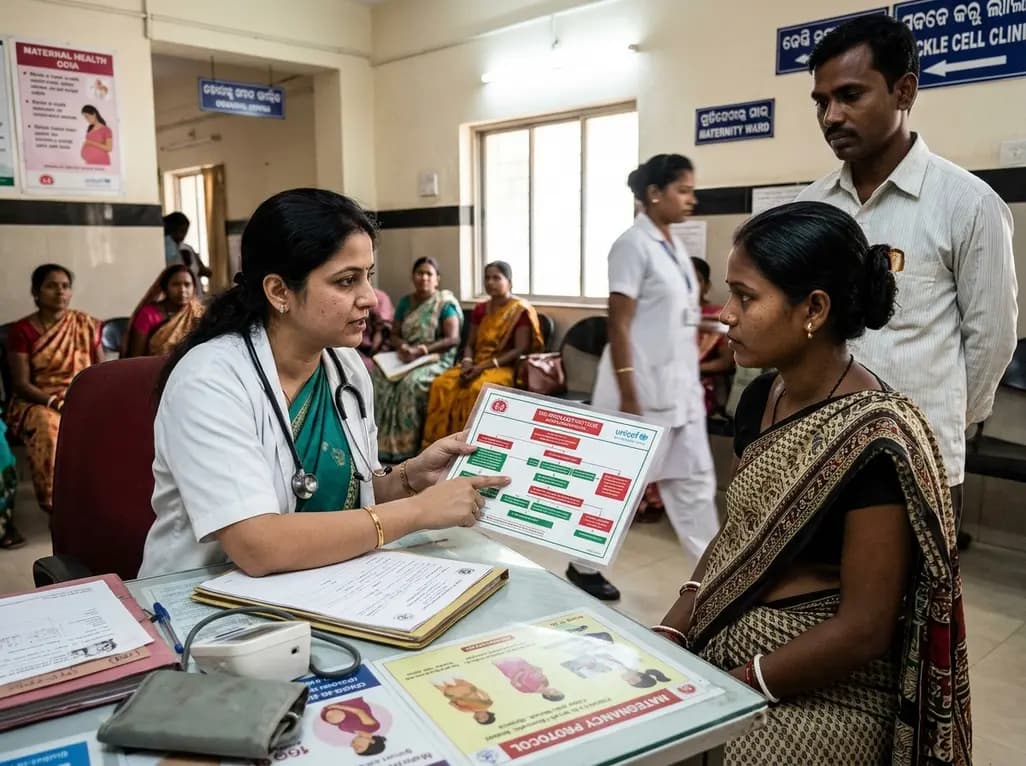
Odisha has established India's first state-level clinical protocol specifically tailored for pregnant women with sickle cell disease. Developed with NHM and UNICEF, the framework provides structured antenatal screening, crisis mitigation, standardized referral pathways, and specialized interdisciplinary care.
Today

The Directorate General of Health Services directs Indian states to halt the hazardous reuse and reprocessing of single-use medical devices. Discover regulatory implications under the Drugs and Cosmetics Act, critical infection risks, legal liabilities, and operational changes required across clinical specialties.
Today

Mitochondria-targeted nanoparticles self-assembled from EGCG and L-glutamic acid effectively restore mitochondrial homeostasis, suppress synovial inflammation, and attenuate chondrocyte senescence in osteoarthritis, offering a promising disease-modifying nanotherapy.
Today

India is advancing preventive healthcare by integrating genomics, artificial intelligence, and quantum technologies. With the SANGAM programme sequencing one million Indian genomes, clinicians can unlock personalized therapies, detect cardiometabolic risks early, and curb the burden of diabetes and heart disease.
Today
