.webp&w=384&q=75)

Loading, please wait...
Loading, please wait...

Recently, the West Asia conflict has begun reshaping the healthcare landscape in India. While patients worry about rising costs, the MRI machine price impact appears relatively contained for now. Experts suggest that while global logistics face hurdles, the specific technology used in modern imaging protects scan prices from volatile market shifts.
Actually, Dr. Harsh Mahajan confirms that scan costs for patients will not increase despite global supply chain issues. Modern scanners use superconducting magnets that require initial helium fills of 1,500 liters. Specifically, these machines utilize 'Zero Boil Off' technology, meaning they rarely require any regular topping-up. Consequently, rising liquid helium costs result in only a marginal hike for new machine purchases. This technological efficiency protects hospitals from significant capital expenditure increases. Furthermore, the 15-year lifecycle of these machines ensures long-term stability for diagnostic departments. However, the initial procurement cost for high-field MRI units remains substantial, ranging from 7 to 20 crores.
However, the medical tourism sector tells a much more concerning story. Reports indicate a staggering 75% drop in patients arriving from the Middle East. Geopolitical instability and flight cancellations serve as the primary drivers of this sharp decline. Additionally, manufacturing faces immediate hurdles as plastic raw materials surged by 40% to 50% recently. This shortage could eventually lead to a scarcity of essential medical supplies across the country. If these conditions persist, international revenue might dip by nearly 20% in the coming months. Therefore, hospital administrators must prepare for a period of uncertainty while waiting for international travel to normalize.
Q1: Why won't MRI scan prices for patients increase during this conflict?
Scan prices remain stable because liquid helium is not a consumable in modern machines. Most scanners installed recently use 'Zero Boil Off' technology, which eliminates the need for frequent and expensive helium refills.
Q2: How much have plastic raw material prices increased?
Industry experts report an acute price surge of 40% to 50% across all plastic raw materials. This hike is disrupting the manufacturing of essential medical supplies and could lead to critical shortages.
Q3: What is the expected recovery time for medical tourism?
Historically, recovery in international medical tourism typically takes two to three months after a major conflict. This period allow patients to regain travel confidence and permits logistical challenges like visa processing to return to normal.
Disclaimer: This content is for informational and educational purposes only. It does not constitute medical advice or replace professional judgment. Refer to the latest local and national guidelines for clinical practice.
References

Read summarized clinical updates, watch expert medical content, and earn CME certifications right from your smartphone.
Open your smartphone camera to scan and install.





India's medical tourism faces a 75% drop in Middle East footfall. While plastic costs surge, MRI machine price impact remains minimal due to helium technolo...
6 months ago
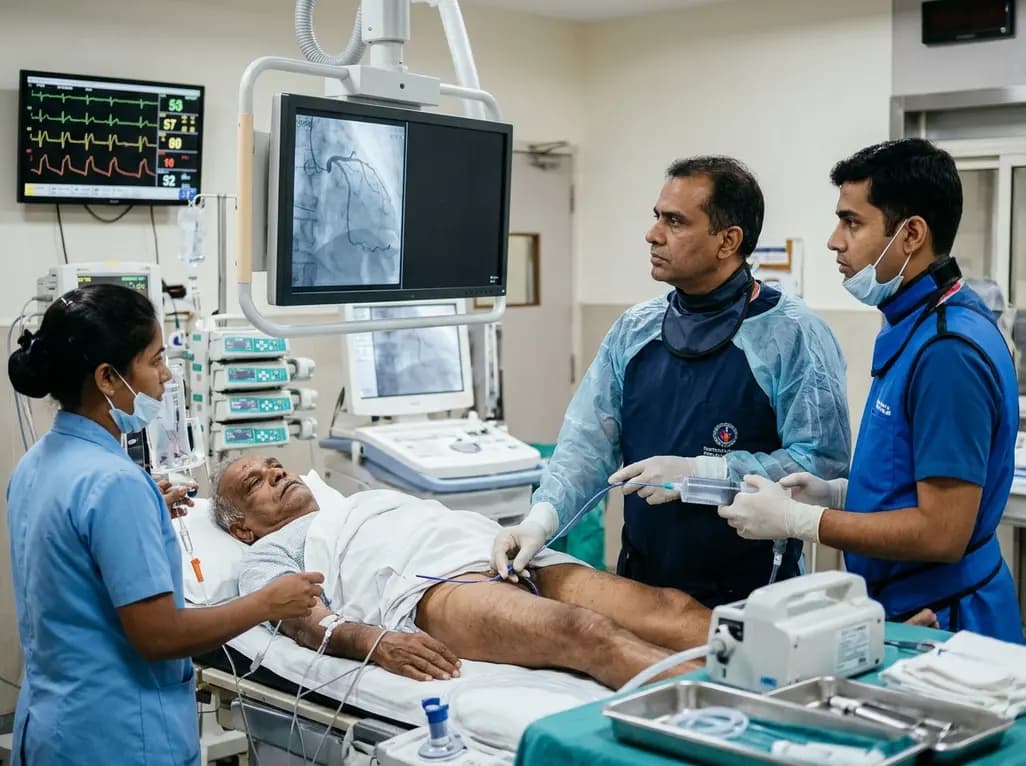
An elderly man with partially repaired Tetralogy of Fallot presented with STEMI caused by coronary embolism rather than atherosclerosis. Successful treatment with sustained mechanical aspiration thrombectomy underscores the vital need for high clinical vigilance in adult congenital heart disease.
Today

Demanding exhaustive hormonal profiling can inadvertently discourage clinical studies involving females. Methodological standards must align with the specific scientific question to expand, not restrict, equitable evidence for women.
Today
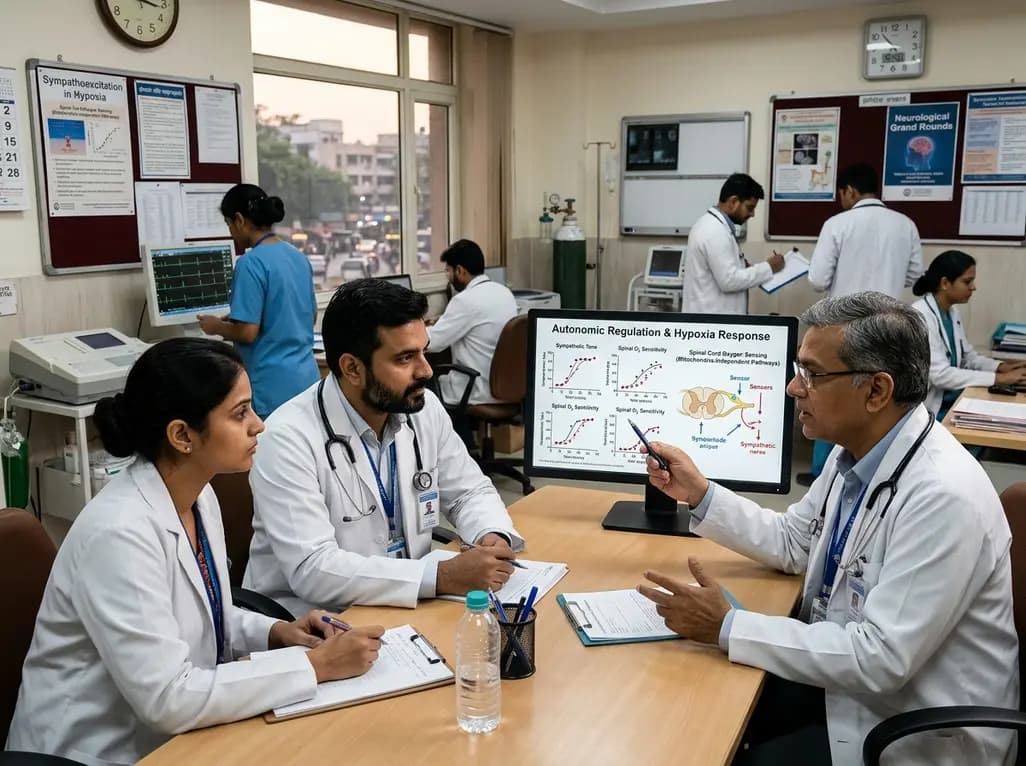
A recent study demonstrates that spinal oxygen sensors do not require mitochondrial electron transport to trigger sympathetic excitation during acute hypoxia, revealing new insights into how mitochondrial oxidative stress modulates autonomic tone in cardiovascular and neurological diseases.
Today
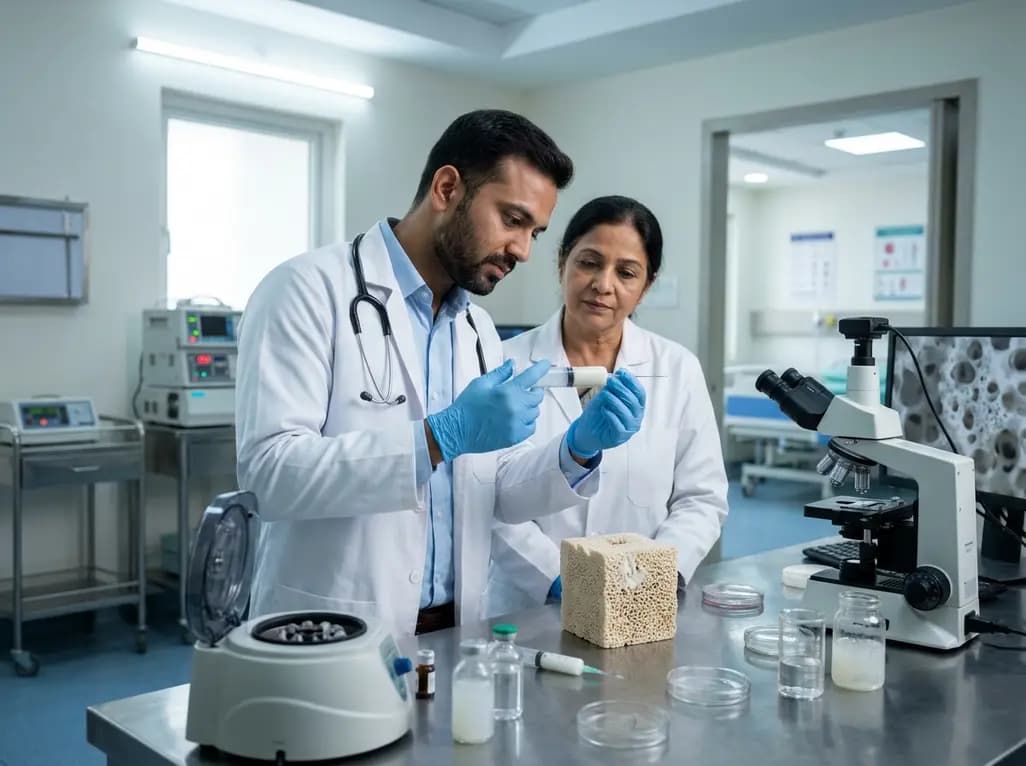
A novel calcium polyphosphate coacervate enables injectable bone implants with in situ hierarchical porosity via phase separation and gas foaming, significantly enhancing cell proliferation, energy metabolism, and osteogenic differentiation for minimally invasive bone defect repair.
Today

Following regulatory scrutiny from FSSAI regarding promotional representations and lean muscle preservation claims, Dr. Reddy's Laboratories and Nestlé Health Science are currently reviewing the branding and marketing strategy for their joint nutritional supplement Celevida GLP+.
Today
