

Loading, please wait...
Loading, please wait...

Pediatricians and family physicians frequently encounter motor stereotypies in children during routine neurodevelopmental surveillance. These repetitive, rhythmic, and patterned movements often involve hand flapping, body rocking, head nodding, or finger wriggling. Furthermore, episodes typically occur during intense excitement, deep concentration, fatigue, or boredom. Parents often worry when they first notice these unusual behaviors at home or school. Consequently, caregivers frequently fear that these movements signify severe neurological conditions or neurodevelopmental delays. However, recent evidence underscores that motor stereotypies represent a common, transdiagnostic phenotype observed in diverse clinical contexts. Therefore, clinicians must recognize that repetitive movements appear in both neurotypical children and individuals with developmental conditions. In neurotypical youth, primary motor stereotypies often emerge before three years of age. In addition, these movements generally follow a benign trajectory over time. Children can easily suppress these actions when adults call their name or gently touch them. Moreover, children do not report an uncomfortable internal premonitory urge before the movement begins. Thus, distinguishing benign developmental movements from pathological disorders forms an essential clinical competency. A thoughtful assessment prevents unnecessary diagnostic testing and alleviates immense family distress.
Historically, clinicians associated repetitive movements almost exclusively with autism spectrum disorder. However, emerging developmental frameworks highlight that repetitive actions span a wide clinical continuum. For example, primary motor stereotypies occur in otherwise healthy, typically developing children with normal cognitive and language profiles. In contrast, secondary stereotypies manifest alongside neurodevelopmental conditions, including autism, intellectual disability, and sensory impairments. Furthermore, children with attention-deficit/hyperactivity disorder and anxiety disorders demonstrate increased rates of repetitive movements. Therefore, clinicians should view motor behaviors as dimensional traits rather than categorical markers of a single psychiatric condition. Notably, the presence of repetitive behaviors alone cannot confirm an autism diagnosis without persistent deficits in social communication. Additionally, the underlying pathophysiology likely involves cortico-striato-thalamo-cortical motor circuitry modulation across multiple diagnoses. Genetic factors also play a notable role, as many affected neurotypical children have a family history of similar movements. Consequently, clinicians must evaluate the whole developmental landscape rather than focusing solely on motor patterns. In addition, recognizing this transdiagnostic breadth allows pediatric providers to avoid diagnostic overshadowing. As a result, healthcare teams deliver personalized care that addresses the child's broader cognitive and emotional strengths.
Accurate differential diagnosis remains vital when evaluating repetitive pediatric movements. Clinicians must reliably distinguish motor stereotypies from motor tics, compulsions, and epileptic seizures. Specifically, motor stereotypies typically start before age three, whereas tics usually emerge between ages five and seven. In addition, stereotypies display rhythmic, patterned movements of bilateral limbs that can persist for minutes. Conversely, tics present as brief, rapid, and non-rhythmic jerks that wax and wane over weeks. Furthermore, older children with Tourette syndrome describe a distinct premonitory sensory urge that precedes their tic. In contrast, children with stereotypies report no premonitory urge; instead, they often find the movement pleasurable or soothing. Importantly, caregivers can easily interrupt a motor stereotypy through simple verbal distraction or physical touch. In comparison, interrupting a complex motor tic proves significantly more difficult for observers. Moreover, clinicians must distinguish stereotypies from paroxysmal dyskinesias and focal motor seizures. Seizures typically present with altered awareness, autonomic signs, and postictal confusion, which never accompany benign stereotypies. Therefore, obtaining high-quality home video recordings provides critical diagnostic clarity during consultations. Through careful history and behavioral analysis, physicians can confidently establish the correct diagnostic classification without invasive electrophysiological testing.
A thorough clinical history and careful developmental examination form the foundation of proper evaluation. First, clinicians should record the precise age of symptom onset, trigger factors, and daily frequency. In addition, practitioners must assess whether these movements interfere with academic learning, peer relationships, or physical safety. Requesting smartphone videos from parents provides invaluable direct observation of typical episodes in naturalistic environments. Furthermore, clinicians should conduct a comprehensive developmental assessment covering expressive language, social communication, and motor coordination. Consequently, this broad assessment identifies co-existing challenges, such as sensory sensitivities or executive function difficulties. In most cases, clinicians do not need neuroimaging, routine blood investigations, or electroencephalography. Physicians should only consider neuroimaging if the child demonstrates focal neurological deficits, developmental regression, or abnormal head circumference. Similarly, electroencephalography remains unnecessary unless clinical history strongly suggests epileptic events. Therefore, avoiding redundant medical tests shields pediatric patients and families from unwarranted anxiety and financial burden. Instead, clinicians should dedicate consultation time to validating parental observations and discussing neurodevelopmental trajectory. Ultimately, thoughtful clinical judgment ensures a safe, efficient, and compassionate diagnostic experience for every family.
Management strategies must align with the functional impact of the repetitive movements. In the vast majority of cases, motor stereotypies represent benign manifestations that require no pharmacological or behavioral intervention. Therefore, education and reassurance serve as the primary therapeutic pillars for clinicians. Healthcare providers must reassure families that benign stereotypies do not damage the nervous system or foreshadow intellectual decline. In addition, physicians should guide parents to educate teachers, which prevents unnecessary classroom reprimands. However, when movements cause social embarrassment, peer victimization, or academic disruption, structured behavioral therapies provide proven benefits. Specifically, modified habit reversal training and awareness training help school-aged children recognize and voluntarily redirect their movements. Furthermore, occupational therapists can assist children who utilize stereotypies as self-regulation tools for sensory processing challenges. Pharmacotherapy plays an extremely limited role and clinicians generally discourage medication for benign primary movements. Clinicians only consider pharmacotherapy when severe self-injurious behaviors arise in complex secondary cases. Ultimately, the central goal of management involves supporting the child's emotional well-being and social participation rather than eliminating harmless actions. As a result, supportive clinical guidance fosters resilience and confidence in both children and their families.
Motor stereotypies do not automatically indicate autism spectrum disorder. While repetitive movements frequently occur in autistic children, they also appear commonly in typically developing youth. Clinicians confirm autism only when repetitive movements co-occur with persistent impairments in reciprocal social interaction, nonverbal communication, and social-emotional development across multiple settings.
Stereotypies typically start before three years of age, presenting as rhythmic, sustained, bilateral movements that children find soothing. Parents can easily interrupt them with gentle distraction. In contrast, tics usually begin around age six, featuring brief, irregular, fluctuating movements preceded by an uncomfortable physical urge that distraction cannot easily stop.
Treatment becomes necessary only if stereotypies cause physical self-injury, significant emotional distress, social stigmatization, or academic disruption. For harmless movements, reassurance and environmental accommodation remain the best approach. When intervention is warranted, clinicians recommend behavioral therapies such as habit reversal training rather than routine pharmacological medications.
Disclaimer: This content is for informational and educational purposes only... Refer to the latest local and national guidelines for clinical practice.
References

Read summarized clinical updates, watch expert medical content, and earn CME certifications right from your smartphone.
Open your smartphone camera to scan and install.





Motor stereotypies in children represent repetitive, rhythmic movements that clinicians frequently encounter across both neurotypical and neurodivergent populations. Recognizing them as a transdiagnostic phenotype prevents misdiagnosis, eliminates unwarranted interventions, and provides families with reassurance.
Today

Review how tailored exercise programs benefit frail older patients with heart failure. Explore pathophysiological mechanisms, individualized training prescriptions, and strategies to overcome adherence barriers in clinical practice.
Today
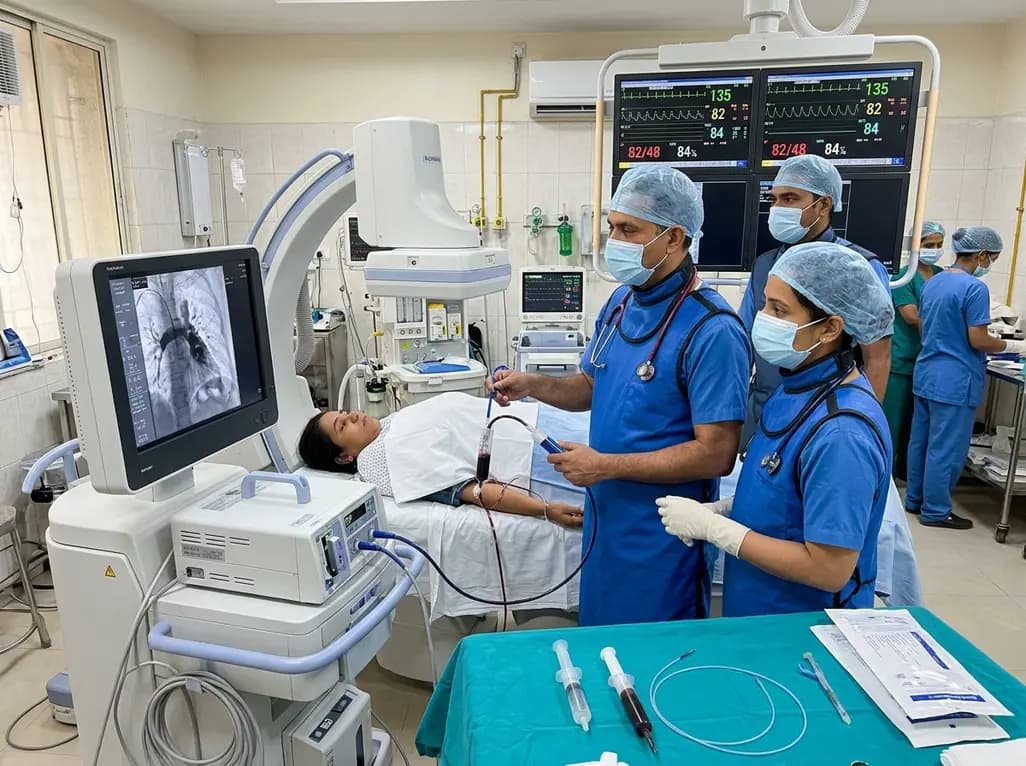
In high-risk pulmonary embolism complicated by severe anemia and active uterine bleeding, systemic thrombolysis is contraindicated. Large-bore aspiration thrombectomy provides rapid hemodynamic rescue without fibrinolysis, supported by inferior vena cava filter placement and multidisciplinary critical care.
Today

A cross-sectional study in Zanzibar reveals that 46.5% of adults with type 2 diabetes experience multidomain autonomic dysfunction on the COMPASS-31 tool, primarily orthostatic intolerance, while 45.9% exhibit cardiovascular autonomic neuropathy, highlighting the urgent need for structured clinical screening.
Today

This comparative study evaluates posterior labral tears with and without glenohumeral instability, highlighting distinct demographic patterns, MRI underestimation in stable shoulders, and successful arthroscopic repair outcomes.
Today
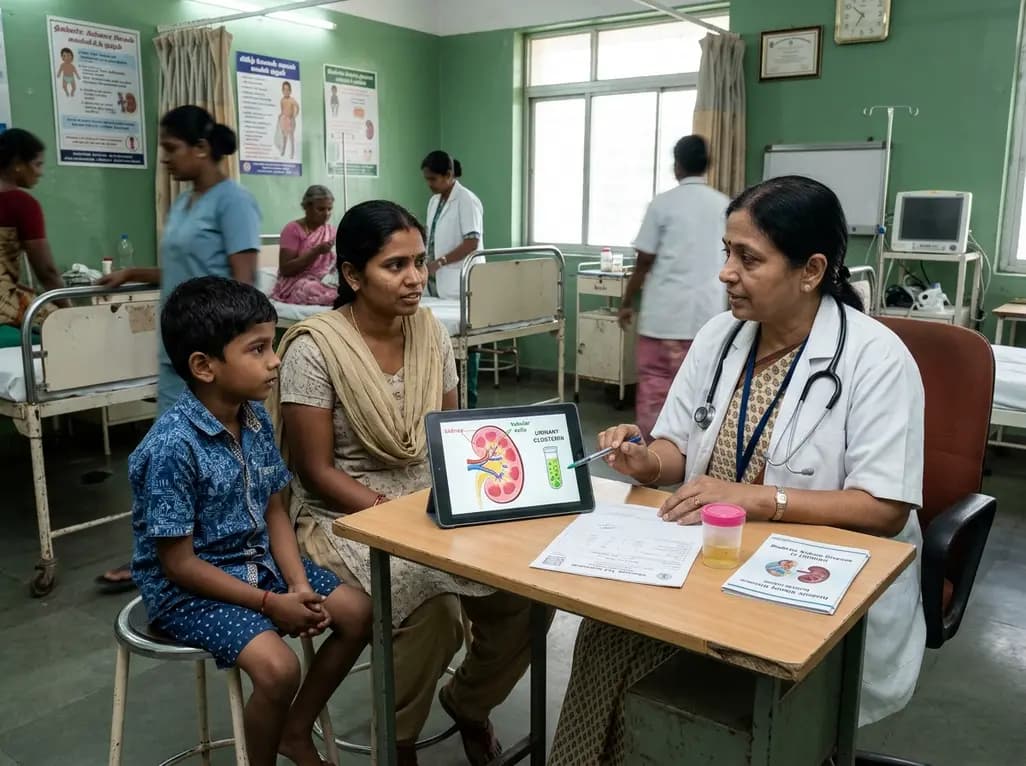
A recent case-control study reveals that urinary clusterin provides superior diagnostic performance for early diabetic kidney disease detection in pediatric type 1 diabetes mellitus, identifying tubular damage before conventional microalbuminuria occurs.
Today
