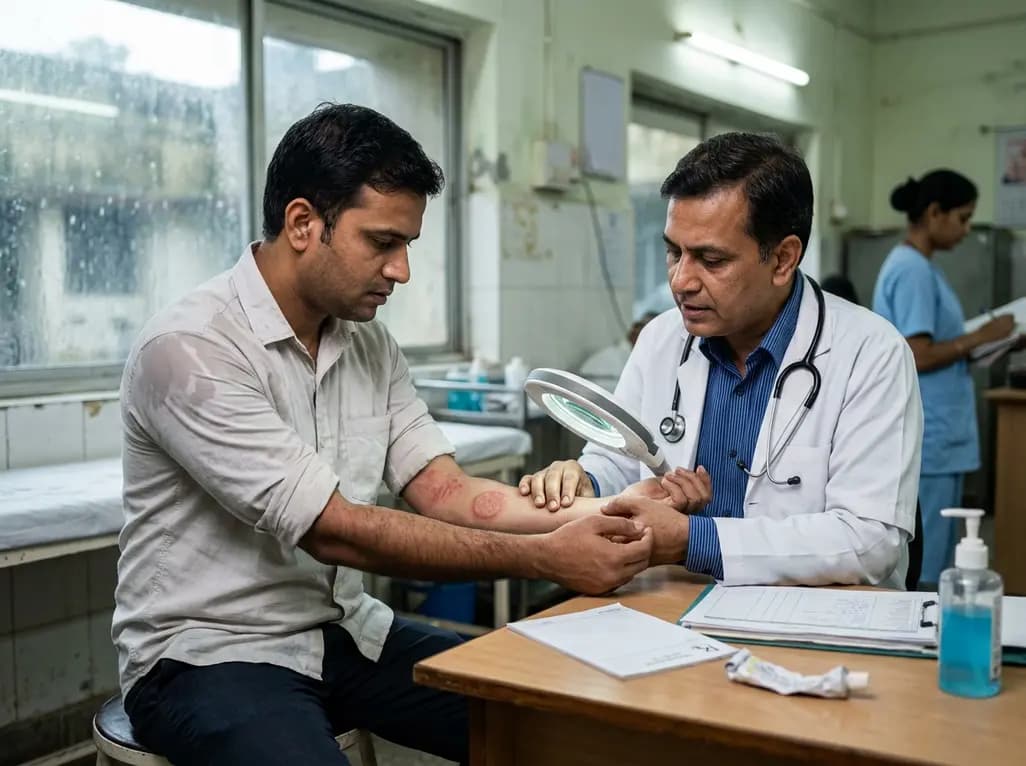
The onset of the rainy season brings a drastic increase in environmental humidity and persistent dampness, which severely compromises epidermal integrity. Consequently, clinicians across India observe a major seasonal spike in monsoon skin infections during this period. Rising ambient moisture levels, sweat accumulation, and prolonged wetness disrupt the cutaneous microflora, facilitating opportunistic microbial proliferation. Furthermore, high humidity delays sweat evaporation, creating microenvironments where fungi and bacteria thrive. Healthcare providers must evaluate these seasonal cutaneous conditions promptly. This clinical review examines the etiology of monsoon skin infections, highlights the risks associated with irrational self-medication, and provides evidence-based guidance to prevent recalcitrant dermatological complications in clinical practice.
Understanding the Surge in Monsoon Skin Infections
During the rainy months, elevated relative humidity creates an ideal environment for dermatophytes, yeasts, and pathogenic bacteria to multiply rapidly. Consequently, high moisture levels soften the stratum corneum, compromising its natural barrier function and increasing susceptibility to cellular invasion. Moreover, everyday lifestyle choices during rainy weather significantly exacerbate cutaneous risks. Wearing tight synthetic clothing, non-breathable athletic wear, or damp garments traps moisture directly against the epidermis. Consequently, anatomical regions with opposing skin surfaces—such as the groin, axillae, infra-mammary folds, and interdigital spaces—become hotbeds for infection. Furthermore, prolonged usage of closed, wet footwear promotes excess moisture between the toes, accelerating tissue maceration and secondary bacterial colonization. In addition, atmospheric humidity slows down sweat evaporation, which leads to prolonged hyperhidrosis and alteration of natural skin pH. As a result, harmless commensal organisms transform into active pathogens, triggering robust inflammatory responses. Clinicians must recognize that environmental factors combine with friction to degrade the skin barrier rapidly. Therefore, patient education regarding moisture control and appropriate apparel choices remains a crucial initial defense against seasonal dermatological disorders.
Pathogenesis of Fungal and Bacterial Superficial Mycoses
Superficial fungal infections represent the majority of dermatological presentations during the rainy season. Specifically, dermatophyte species such as
Trichophyton rubrum and
Trichophyton mentagrophytes actively digest keratin in the outermost epidermal layer. As a result, patients present with classically raised, scaly, and intensely pruritic annular lesions characteristic of tinea corporis and tinea cruris. Similarly,
Candida species proliferate in moist skin folds, resulting in painful intertrigo characterized by bright erythema and satellite pustules. Additionally, high humidity exacerbates bacterial skin conditions such as folliculitis, furuncles, and impetigo. When dampness compromises skin barrier integrity, resident bacteria like
Staphylococcus aureus penetrate hair follicles and superficial minor abrasions easily. Furthermore, viral pathogens and insect vector-borne illnesses, including dengue and chikungunya, frequently present with widespread maculopapular cutaneous eruptions during the monsoon months. Insect bite hypersensitivity also rises sharply because mosquito populations surge in stagnant rainwater. Consequently, practitioners must accurately differentiate pure dermatological fungal infections from systemic vector-borne exanthems. A thorough physical examination combined with clinical history ensures that underlying bacterial or systemic viral etiologies are not misdiagnosed as simple fungal rashes.
The Danger of OTC Steroid Abuse and Tinea Incognito
A persistent clinical challenge during the monsoon season is widespread patient self-medication with over-the-counter creams. Indeed, many patients purchase topical combination creams containing potent corticosteroids, antifungals, and antibacterials without medical supervision. Although topical steroids initially offer rapid symptomatic relief by suppressing local inflammation, redness, and itching, they severely impair local cell-mediated immunity. Consequently, the underlying fungal pathogen multiplies unchecked while typical diagnostic morphological features disappear, resulting in a condition known as tinea incognito. Furthermore, continuous irrational steroid application causes epidermal atrophy, telangiectasia, striae, and extensive rebound flare-ups upon cessation. Over time, these compromised lesions become recalcitrant to standard topical antifungal therapy, requiring prolonged systemic antifungal administration and escalating treatment costs significantly. In addition, mismanaged, extensive fungal lesions spread rapidly within households through shared towels, bedding, and close personal contact. Therefore, medical professionals must strongly advise patients against using unprescribed combination creams. Clinicians should emphasize that temporary symptomatic relief often masks severe disease progression, rendering clinical management vastly more complex and prolonged.
Differentiating Clinical Manifestations and Vector-Borne Rashes
Accurate diagnosis of monsoon-related skin eruptions requires a structured approach to clinical examination. For instance, superficial dermatophytosis typically features well-demarcated active scaly borders with central clearing, whereas intertrigo manifests with maceration and mirror-image erythema within flexural folds. Conversely, bacterial folliculitis presents as follicularly centered pustules surrounding hair shafts, often accompanied by localized tenderness. Practitioners must also remain vigilant for cutaneous signs of systemic viral infections. Dengue fever, for example, often presents with a blanching, generalized maculopapular rash that appears during the defervescence phase, often accompanied by islands of sparing. Similarly, chikungunya infection may trigger persistent maculopapular eruptions, hyperpigmentation, and severe arthralgia. Insect bite reactions generally present as discrete, intensely itchy papular urticaria concentrated on exposed limbs. Therefore, clinicians must carefully distinguish self-limiting insect reactions or viral exanthems from spreading dermatophyte infections before initiating targeted antimicrobial therapy. Diagnostic tools, such as potassium hydroxide direct microscopy, can quickly confirm fungal hyphae in doubtful presentations. Establishing an accurate diagnosis early prevents unnecessary treatment interventions and optimizes patient recovery outcomes.
Evidence-Based Preventive Strategies for Monsoon Skin Infections
Preventing superficial infections during the rainy season requires consistent personal hygiene and effective environmental moisture management. Clinicians should educate patients to change wet garments immediately after rain exposure, as prolonged moisture weakens epidermal cell junctions. Furthermore, thorough drying after bathing is essential, with particular attention given to interdigital spaces, axillae, and submammary folds. Patients should wear loose-fitting, breathable cotton clothing that allows adequate ventilation and reduces sweat retention. In contrast, tight-fitting synthetic activewear and heavy denim should be avoided because they trap heat and humidity. Additionally, personal items like towels, body sponges, and clothing must never be shared among family members to stop contagious transmission. Washing infected garments separately in hot water helps eradicate fungal spores and pathogenic bacteria effectively. Footwear hygiene is equally critical; individuals should avoid wearing closed leather or rubber shoes for extended periods. Instead, open, well-ventilated footwear should be prioritized, and wet shoes must dry completely before reuse. Finally, applying absorbent dusting powders containing clotrimazole or zinc oxide in high-friction body folds helps maintain dryness and protects skin barrier integrity.
Frequently Asked Questions
Q1: Why do fungal infections surge significantly during the monsoon season?
Monsoon environmental conditions feature elevated atmospheric humidity, ambient heat, and frequent rain exposure, which slow sweat evaporation. This persistent cutaneous moisture softens the skin's outer layer, disrupting the natural epidermal barrier. Consequently, fungal pathogens such as dermatophytes and yeasts find an ideal warm, damp habitat to proliferate rapidly, leading to widespread superficial skin infections across vulnerable body folds and interdigital spaces.
Q2: Why is the use of over-the-counter steroid creams harmful for fungal rashes?
Topical combination creams containing corticosteroids suppress localized cutaneous immune responses, providing temporary relief from itching and redness. However, this immune suppression allows the underlying fungus to grow unchecked, modifying the rash into tinea incognito. Continued steroid misuse causes skin thinning, striae, severe rebound flares, and drug resistance, ultimately requiring aggressive systemic antifungal treatment to resolve.
Q3: What key lifestyle habits help prevent monsoon skin infections effectively?
Effective prevention centers on keeping the skin clean and dry. Key daily habits include changing wet clothes immediately, wearing loose cotton fabrics, and thoroughly drying body folds after bathing. Additionally, individuals should avoid sharing personal items like towels, switch to open footwear, allow shoes to dry completely before reuse, and apply protective antifungal dusting powders in high-friction body areas.
Disclaimer: This content is for informational and educational purposes only. It does not constitute medical advice or replace professional judgment. Refer to the latest local and national guidelines for clinical practice.
References
- Monsoon Skin Infections on the Rise; Keep Your Skin Healthy and Infection-Free - ETHealthworld
- Swasthya Hospital. Monsoon Fungal Infection India: Stop the Steroid Cream Trap. 2026.
- Metropolis Healthcare. Fungal Infections in Monsoon: Symptoms and Prevention Tips. 2026.
.webp&w=384&q=75)