.webp&w=384&q=75)

Loading, please wait...
Loading, please wait...
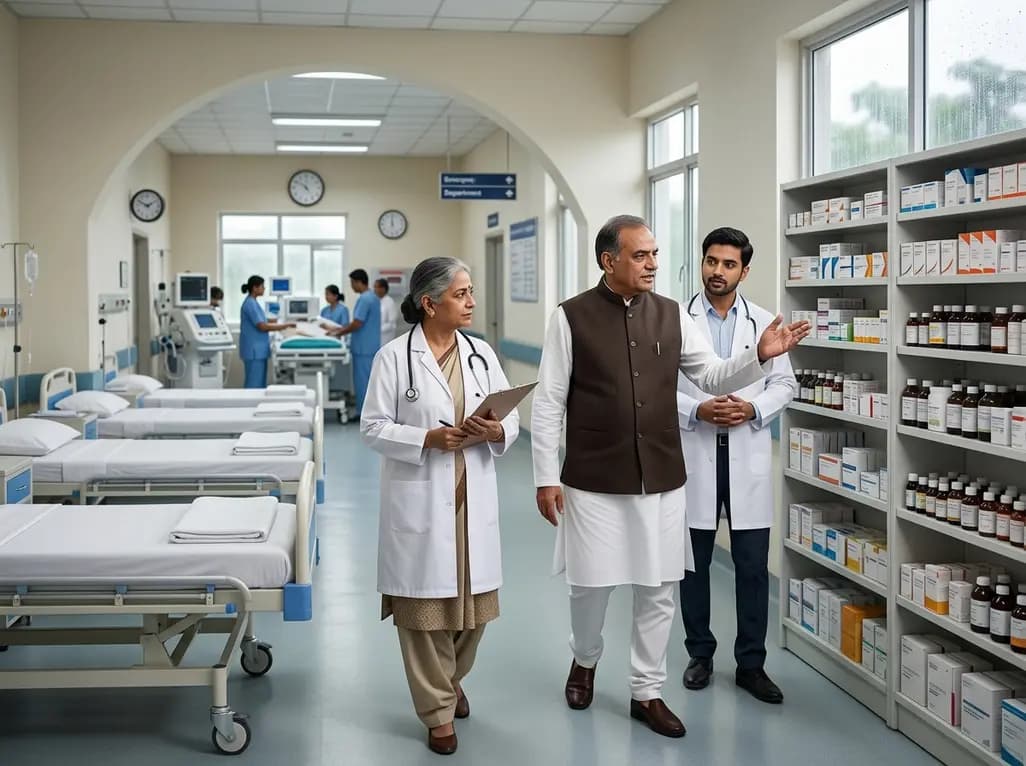
In response to the seasonal rise in infectious conditions, the Delhi state administration has launched a robust initiative centered on monsoon healthcare preparedness across all government facilities. Health Minister Pankaj Singh recently chaired a comprehensive review meeting with medical superintendents and medical directors representing state-run healthcare institutions. During this critical assembly, officials evaluated essential drug inventories, emergency bed capacity, diagnostic infrastructure, and operational staffing. The primary objective remains clear: guaranteeing uninterrupted, high-quality medical attention for every patient during the rainy season. Seasonal weather shifts inevitably trigger localized outbreaks of vector-borne and water-borne illnesses. Therefore, establishing seamless facility operations forms the cornerstone of effective public health management. Hospital leadership received explicit orders to maintain complete readiness and eliminate administrative delays that could compromise patient care.
Furthermore, state leadership emphasized that clinical accessibility must remain uncompromised throughout this period. Healthcare facilities must actively monitor patient inflow, optimize resource allocations, and systematically eliminate operational bottlenecks. Local health authorities are prioritizing proactive interventions rather than reactive measures. Consequently, hospital administrators are implementing dedicated workflow pathways for acute seasonal ailments. Medical directors must conduct routine facility audits to ensure protocols are followed diligently. Through these coordinated clinical and managerial strategies, Delhi aims to fortify its public health sector against incoming seasonal surges, thereby protecting vulnerable community populations effectively.
A central topic during the ministerial review was the seamless distribution of pharmaceuticals and surgical consumables. Current audit data indicates that Delhi government hospitals maintain over 90 percent availability of critical medications and supplies. While expressing general satisfaction with existing stockpiles, the Health Minister directed hospital administrators to immediately report any emerging shortages to his office. To prevent localized supply disruptions, hospitals now possess authorization to execute local procurements whenever necessary. This decentralized approach allows medical superintendents to address immediate inventory gaps without waiting for centralized bureaucracy. Consequently, emergency departments can maintain continuous stock levels for vital therapeutic agents during peak patient loads.
Sustaining reliable drug inventories remains vital when managing clinical complications arising from seasonal outbreaks. Healthcare providers rely on predictable access to intravenous fluids, antipyretics, antimicrobials, and rapid diagnostic test kits. Furthermore, hospital pharmacy counters must remain fully operational throughout official working hours. The administration reiterated that early closure of outpatient dispensaries or outpatient department counters will face strict disciplinary consequences. By enforcing strict operational compliance, the state ensures that patients receive necessary pharmacological treatments promptly after clinical evaluations, minimizing treatment delays and preventing severe disease progression.
Monsoon weather patterns create ideal conditions for mosquito breeding, leading to a predictable rise in vector-borne diseases such as dengue fever, chikungunya, and malaria. Consequently, the health department instructed hospitals to implement specialized triage and treatment protocols for febrile patients. Emergency departments are establishing dedicated fever clinics to streamline patient evaluation and prevent overcrowding in primary consultation areas. Additionally, hospitals must preserve adequate intensive care unit beds and general ward capacity to manage severe cases promptly. Early clinical recognition and meticulous fluid management remain vital for treating severe dengue manifestations, such as dengue hemorrhagic fever or shock syndrome.
In addition to vector-borne threats, water-borne infections including acute gastroenteritis, typhoid, and hepatitis A require equal clinical vigilance. Hospitals are stocking oral rehydration salts, zinc supplements, and targeted anti-infective medications to manage gastrointestinal presentations. Furthermore, diagnostic laboratories are upgrading testing capacities to deliver rapid serological and microbiological results. By combining prompt diagnostic testing with standardized therapeutic guidelines, healthcare facilities can significantly reduce morbidity associated with seasonal illnesses. Clinical staff are undergoing regular refresher training on updated treatment algorithms to ensure optimal patient outcomes throughout the seasonal surge.
The review meeting thoroughly assessed the operational status of approximately 18,000 hospital beds distributed across Delhi government facilities. Recognizing potential surge demands, the minister instructed hospital administrations to evaluate future bed requirements, particularly within maternity and emergency departments. Facilities expecting high patient turnover must submit formal proposals for expanding bed capacity immediately. Furthermore, inter-departmental collaboration with the Public Works Department is being accelerated to complete pending construction, repair, and renovation projects. Dilapidated building blocks are receiving urgent maintenance to ensure structural safety and optimal sanitation during heavy rainfall events.
Infrastructure enhancements extend beyond physical bed counts to encompass essential diagnostic and technical services. Hospital directors must identify gaps in radiology staffing to ensure round-the-clock availability of imaging modalities such as ultrasonography and radiographs. Additionally, health facilities are accelerating the generation of Ayushman Bharat Health Account identification numbers for incoming patients. Bi-weekly progress reports on digital registrations, infrastructure repairs, and operational challenges must be submitted to the health ministry. These comprehensive structural and administrative upgrades aim to create a resilient clinical environment capable of absorbing unexpected patient surges.
Delivering effective emergency care during monsoon outbreaks requires seamless coordination across multiple administrative and clinical sectors. Hospital emergency departments are reinforcing staffing schedules to ensure senior clinicians, resident physicians, and nursing staff are present during peak hours. Furthermore, triage systems are being refined to quickly categorize patients based on clinical acuity. High-risk patients presenting with severe dehydration, altered mental status, or hemodynamic instability receive immediate intervention. This structured emergency response minimizes wait times and improves overall clinical outcomes during high-volume periods.
Inter-departmental synergy plays an equally critical role in maintaining overall facility efficiency during seasonal health crises. Hospital engineering teams, sanitation crews, and administrative personnel must collaborate closely to maintain strict hygiene standards across medical premises. Regular vector control measures, including larvicidal spraying and water stagnation removal within hospital compounds, are being strictly enforced. By maintaining clean, well-coordinated physical environments, healthcare institutions eliminate nosocomial transmission risks while projecting clinical excellence. These integrated operational measures ensure public hospitals remain fully prepared to deliver uninterrupted medical services throughout the monsoon season.
Q1: What specific measures are Delhi government hospitals taking for monsoon healthcare preparedness?
Delhi government hospitals are enhancing monsoon healthcare preparedness by ensuring over 90% availability of essential medicines, maintaining strict OPD operational hours, expanding emergency bed capacity, and expediting local drug procurements. Additionally, facilities are upgrading diagnostic services, improving sanitation, and setting up dedicated protocols to handle seasonal rises in vector-borne and water-borne diseases effectively.
Q2: How are local hospitals managing medicine stocks during seasonal illness surges?
Hospitals maintain robust medicine inventories through continuous stock monitoring and direct reporting to the health ministry. To avoid supply chain disruptions, medical directors are empowered to execute emergency local procurements for required pharmaceuticals, surgical items, and diagnostic consumables, ensuring uninterrupted patient care during seasonal demand spikes.
Q3: What clinical protocols are in place for vector-borne diseases like dengue and malaria?
Hospitals are implementing rapid triage systems, fever screening desks, and standardized fluid management protocols for vector-borne infections. Facilities are keeping dedicated ICU and general operational beds ready, stocking rapid diagnostic kits, and ensuring round-the-clock radiology and laboratory services to diagnose and treat severe clinical presentations promptly.
Disclaimer: This content is for informational and educational purposes only. It does not constitute medical advice or replace professional judgment. Refer to the latest local and national guidelines for clinical practice.
References

Read summarized clinical updates, watch expert medical content, and earn CME certifications right from your smartphone.
Open your smartphone camera to scan and install.





Delhi Health Minister Pankaj Singh reviewed hospital readiness to tackle monsoon-related health challenges. Key directives include ensuring 100% medicine stock, maintaining OPD timings, expediting emergency infrastructure, and expanding bed capacity across all state-run facilities.
last month
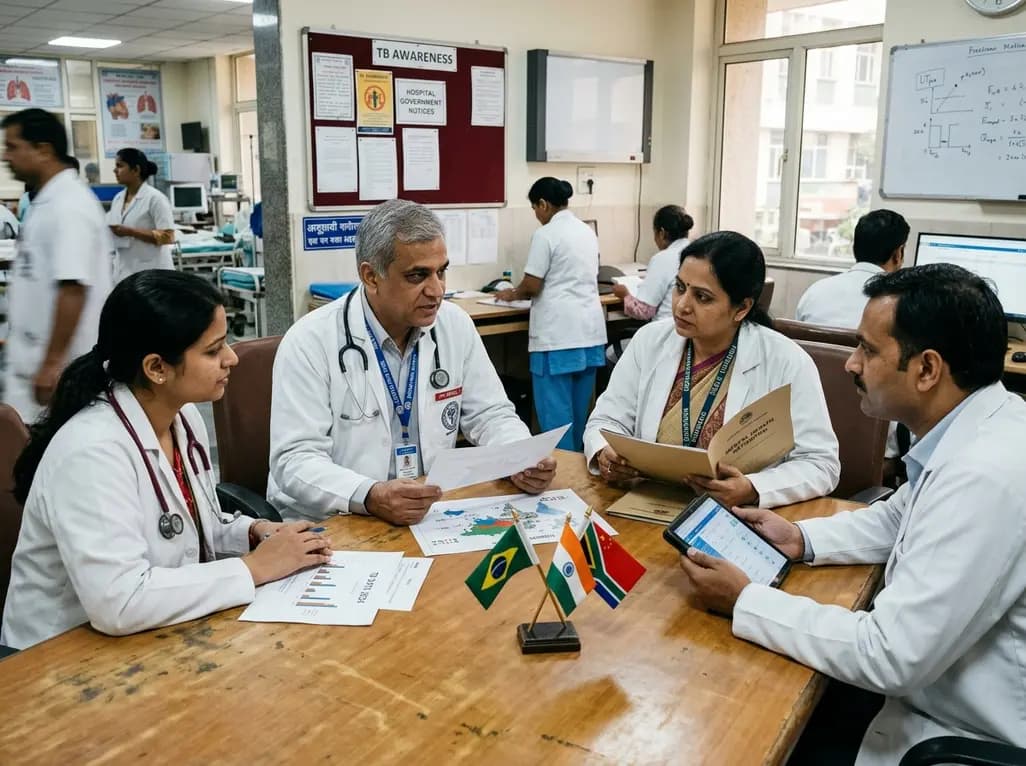
At the New Delhi Summit, BRICS leaders adopted a landmark declaration committing member nations to united action against tuberculosis, non-communicable diseases, and future pandemic threats. Key actions include NIMHANS-led mental health networks, digital health architectures, and evidence-based integrative medicine.
Today

New evidence evaluates MoUNets, a static-weighted ensemble of UNet experts for automated levator hiatus segmentation in pelvic floor ultrasound. Learn how deep learning architectures perform in pelvic organ prolapse diagnostics and clinical practice.
Today
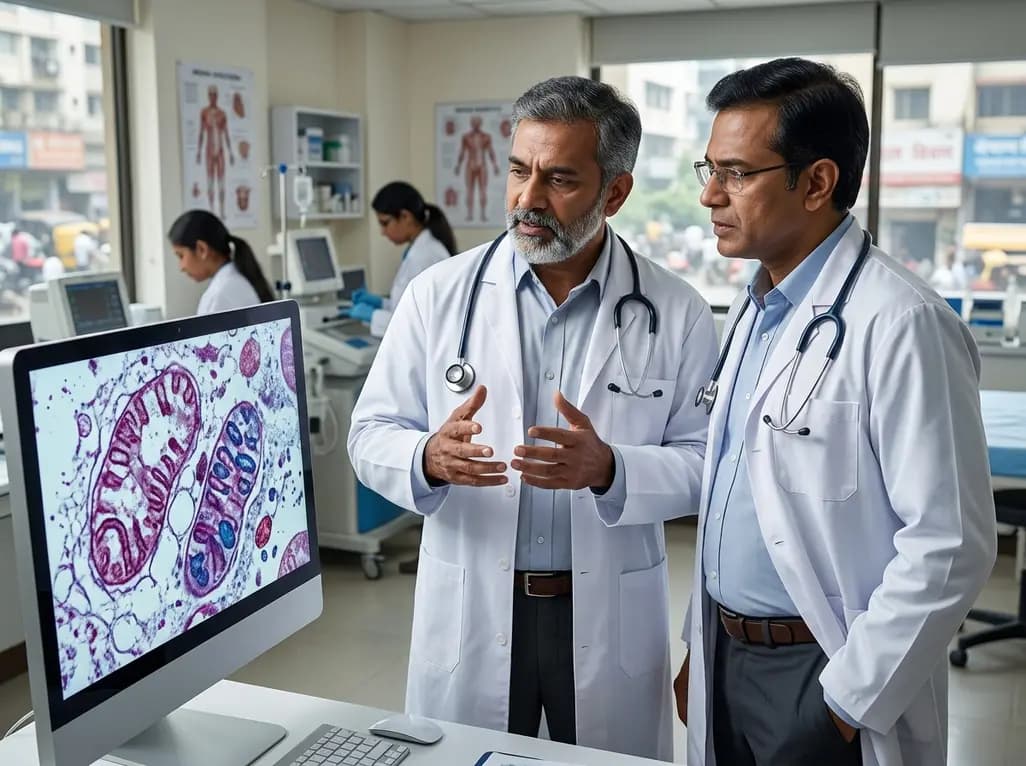
Mitochondrial deubiquitinases regulate organelle turnover by editing ubiquitin tags on damaged mitochondria. Discover how targeting these enzymes, notably USP30, offers therapeutic strategies for neurodegenerative, cardiovascular, and metabolic disorders.
Today
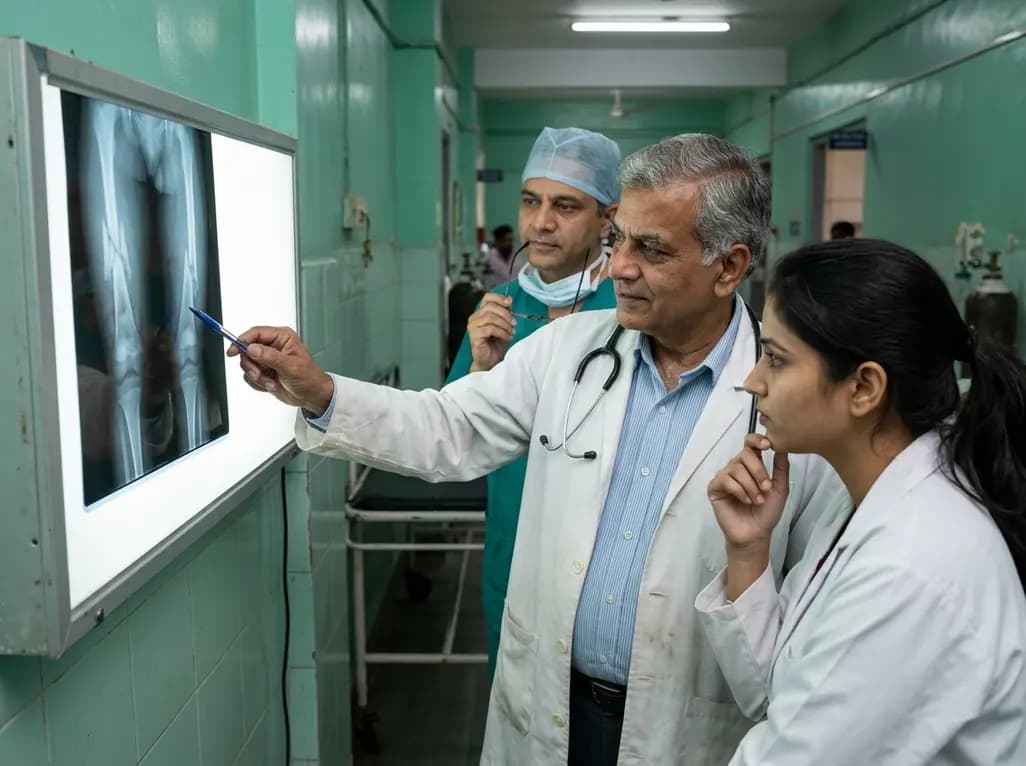
A rare case of a pediatric pathological femoral fracture caused by occult telangiectatic osteosarcoma demonstrates the risks of misdiagnosis after trauma, where intramedullary nailing prompted iatrogenic tumor dissemination and required modular total endoprosthetic reconstruction.
Yesterday
A cross-sectional study reveals that elevated METS-IR is independently associated with higher myopia odds in adolescents, showing biological synergy with obesity and highlighting the need for metabolic screening in pediatric eye care.
Today
