.webp&w=384&q=75)

Loading, please wait...
Loading, please wait...

Upper tract urothelial carcinoma presents considerable diagnostic hurdles because conventional staging often fails to differentiate superficial tumors from invasive disease. Consequently, clinicians struggle to identify appropriate candidates for neoadjuvant chemotherapy before radical extirpative surgery. Fortunately, molecular staging of UTUC using integrated liquid biopsy offers a transformative solution. By profiling urine tumor DNA and circulating plasma tumor DNA, this approach provides noninvasive, reliable risk assessment.
Clinical risk stratification for nonmetastatic upper tract urothelial carcinoma remains notoriously imprecise. Standard diagnostic protocols rely on cross-sectional imaging, selective urinary cytology, and endoscopic ureteroscopic biopsies. However, endourological biopsies frequently fail to retrieve underlying muscular tissue due to the delicate anatomy of the renal pelvis and ureter. Consequently, surgical pathologists cannot reliably differentiate non-muscle-invasive lesions from locally advanced muscle-invasive disease prior to definitive intervention.
This diagnostic ambiguity leads to severe clinical consequences. High-stage muscle-invasive disease responds favorably to cisplatin-based neoadjuvant chemotherapy; however, surgical nephroureterectomy causes an irreversible decline in renal function. As a result, undertreated patients who miss preoperative chemotherapy often become completely ineligible for postoperative adjuvant regimens. Conversely, overestimating tumor risk leads to overtreatment with toxic systemic therapies in patients who harbor indolent disease.
Therefore, urologists require objective biomarkers to enhance clinical staging accuracy. Standard clinical criteria demonstrate unacceptably low specificity, frequently misguiding multidisciplinary treatment decisions. Thus, noninvasive genomic characterization represents an urgent clinical necessity for uro-oncology care teams worldwide.
To overcome tissue sampling limitations, investigators evaluated a dual-compartment liquid biopsy strategy combining urine tumor DNA and plasma circulating tumor DNA. These two biological fluids provide complementary insights into tumor shedding. Because urine directly contacts the upper tract epithelium, utDNA reliably captures localized tumor shedding even from early-stage, superficial malignancies.
Simultaneously, circulating plasma ctDNA reflects systemic dissemination and vascular penetrance. When tumor cells breach the basement membrane and invade the muscularis propria, ctDNA levels rise within the peripheral bloodstream. Furthermore, comprehensive targeted genomic sequencing interrogates critical driver mutations, including TP53 alterations. Mutations in TP53 strongly correlate with biological aggressiveness, genomic instability, and muscle invasion across urothelial cancers.
Consequently, analyzing both biofluids generates an integrated molecular fingerprint. While urine testing detects local tumor shed, plasma testing indicates deep tissue invasion and micro-metastatic potential. Combining both metrics mitigates the sampling error inherent to small endoscopic biopsies. Therefore, this noninvasive approach offers clinicians a safe, repeatable method to interrogate tumor genomics without requiring complex retrograde ureteroscopy.
The recent clinical study evaluated 41 localized upper tract urothelial carcinoma patients undergoing extirpative surgery to validate molecular risk stratification. Final surgical pathology confirmed muscle-invasive disease in 21 patients, representing 51% of the cohort. Univariable logistic regression identified molecular staging—defined by utDNA TP53 mutation and plasma ctDNA status—as a strong predictor of muscle-invasive disease, yielding an odds ratio of 9.6.
Furthermore, molecular staging remained the sole statistically significant predictor of muscle-invasive pathology on multivariable analysis, demonstrating an odds ratio of 8.5. In contrast, standard-of-care clinical predictors, including biopsy grade and cytology, lost significance in multivariable models. This outcome emphasizes the superior biological fidelity of genomic liquid biopsy over traditional morphological evaluation.
Additionally, integrating molecular staging with standard diagnostic imaging and biopsy produced striking improvements in diagnostic accuracy. Specificity surged from 25% with standard risk factors to 70% with molecular testing, while the positive predictive value rose from 53% to 74%. Diagnostic sensitivity remained robust at 81%, and negative predictive value improved from 56% to 78%. Consequently, composite liquid biopsy resolves diagnostic uncertainty.
Accurate identification of muscle-invasive disease is paramount when designing therapeutic strategies for upper tract urothelial carcinoma. Contemporary clinical guidelines strongly endorse cisplatin-based neoadjuvant chemotherapy for locally advanced tumors because it significantly improves overall survival. However, radical nephroureterectomy removes a functioning renal unit, precipitating an abrupt drop in glomerular filtration rate. Consequently, many patients lose eligibility for cisplatin chemotherapy if oncologists delay systemic treatment until after surgery.
Therefore, identifying candidates for neoadjuvant chemotherapy prior to surgical intervention is essential. Standard diagnostic tools misclassify a substantial proportion of patients, denying neoadjuvant therapy to individuals with aggressive disease. Conversely, composite liquid biopsy testing provides the precision needed to guide treatment intensification. A positive predictive value of 74% allows oncologists to prescribe neoadjuvant regimens with confidence.
Similarly, a negative predictive value of 78% aids surgeons in selecting candidates for kidney-sparing conservative management. Low-risk patients can avoid unnecessary systemic toxicities and radical organ extirpation. Thus, molecular staging optimizes patient selection across the disease spectrum, aligning therapeutic intensity with underlying tumor biology.
These molecular breakthroughs hold immense promise for clinical practice in India and resource-limited healthcare systems. In India, patients frequently present with advanced upper tract urothelial carcinoma due to delayed diagnosis and limited early screening. Moreover, background rates of chronic kidney disease and diabetic nephropathy are elevated, making nephron preservation and timely neoadjuvant chemotherapy especially critical.
Additionally, access to advanced flexible ureteroscopy and specialized endourological equipment remains restricted outside major metropolitan tertiary centers. In regional settings, liquid biopsy offers an equitable diagnostic alternative. Clinicians can collect urine and blood samples locally and transport them to centralized molecular laboratories for high-throughput sequencing. Consequently, patients in remote locations can access advanced diagnostic staging without undergoing hazardous invasive procedures.
Furthermore, future integration of liquid biopsy will likely include longitudinal monitoring to evaluate treatment response during neoadjuvant chemotherapy. Clearance of utDNA and ctDNA may identify complete responders who could safely pursue organ-sparing regimens. Ultimately, adopting integrated liquid biopsy into routine practice will democratize precision oncology and significantly improve survival outcomes for upper tract cancer patients.
Standard ureteroscopic biopsies frequently yield superficial, fragmented tissue that cannot assess muscular wall invasion. Consequently, conventional staging exhibits poor specificity and low positive predictive value. In contrast, composite liquid biopsy evaluates tumor-derived DNA in both urine and peripheral blood. This dual-analyte approach captures aggressive biological drivers, such as TP53 alterations, increasing staging specificity to 70% and positive predictive value to 74% without causing mechanical complications.
Neoadjuvant chemotherapy delivers systemic therapy while both kidneys remain functional, maximizing drug clearance and tolerance. Radical nephroureterectomy permanently reduces renal function, rendering up to half of all patients ineligible for postoperative cisplatin-based regimens. Furthermore, neoadjuvant treatment downsizes aggressive tumors, treats occult micro-metastases early, and correlates with improved survival outcomes. Therefore, precise preoperative identification of muscle-invasive disease via molecular staging is vital before surgical resection compromises renal reserve.
Urine tumor DNA directly bathes the primary upper tract tumor, providing sensitive detection of localized genomic alterations even in non-invasive lesions. In contrast, circulating tumor DNA enters peripheral blood only after malignant cells invade lymphatic vessels or the vascular bed. Thus, combining local utDNA detection with systemic ctDNA status enables oncologists to distinguish between superficial disease and deeply invasive, aggressive tumors with extraordinary biological precision.
Disclaimer: This content is for informational and educational purposes only... Refer to the latest local and national guidelines for clinical practice.
References

Read summarized clinical updates, watch expert medical content, and earn CME certifications right from your smartphone.
Open your smartphone camera to scan and install.





A landmark study validates integrated urine tumor DNA (utDNA) and plasma ctDNA analysis for accurate molecular staging of upper tract urothelial carcinoma (UTUC). This composite liquid biopsy markedly outperforms conventional staging for muscle-invasive disease, refining patient selection for neoadjuvant chemotherapy.
Today

A prospective multicentre study validates actionable risk stratification thresholds for the prehospital mSOFA score. The 5-tier classification reliably predicts two-day mortality and guides early critical care interventions.
Today
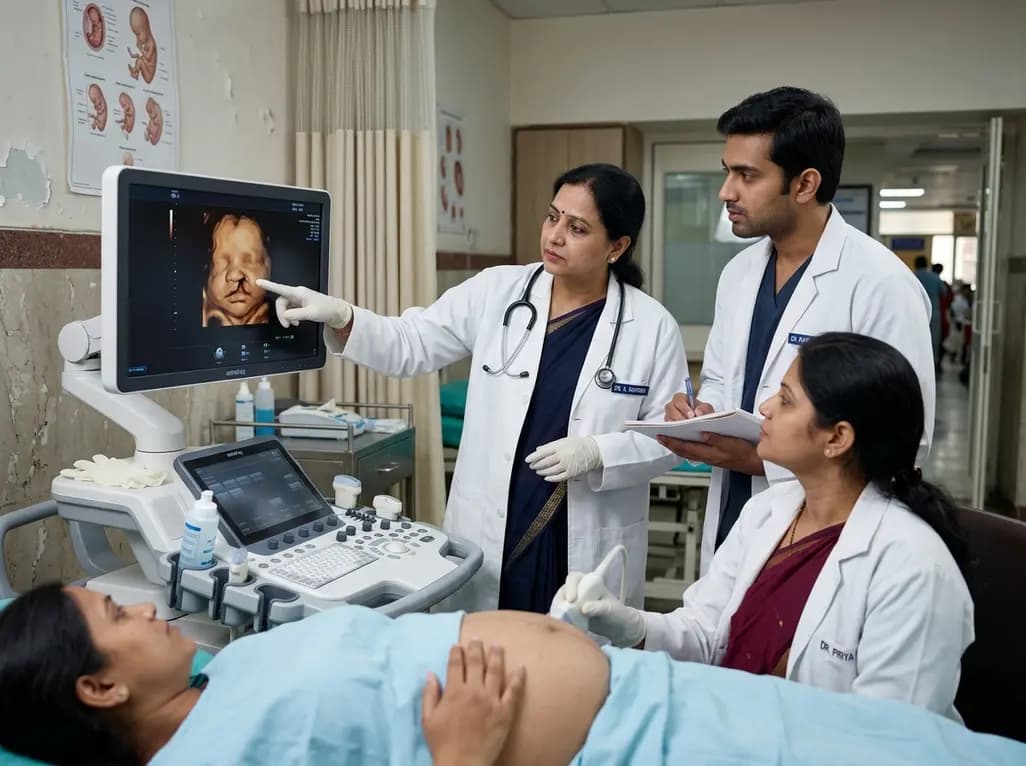
A 5-year retrospective study evaluates prenatal ultrasound detection of fetal cleft lip and palate. While overall detection reached 87%, accuracy varied from 99.3% in combined clefts to 50% in isolated cases. Combined defects showed elevated risks of concurrent structural anomalies and chromosomal abnormalities.
Today

An updated systematic review and meta-analysis of 7,875 patients reveals that routine microaxial left ventricular support during nonemergent high-risk PCI does not reduce mortality or ischemic complications, while significantly increasing major bleeding events.
Yesterday
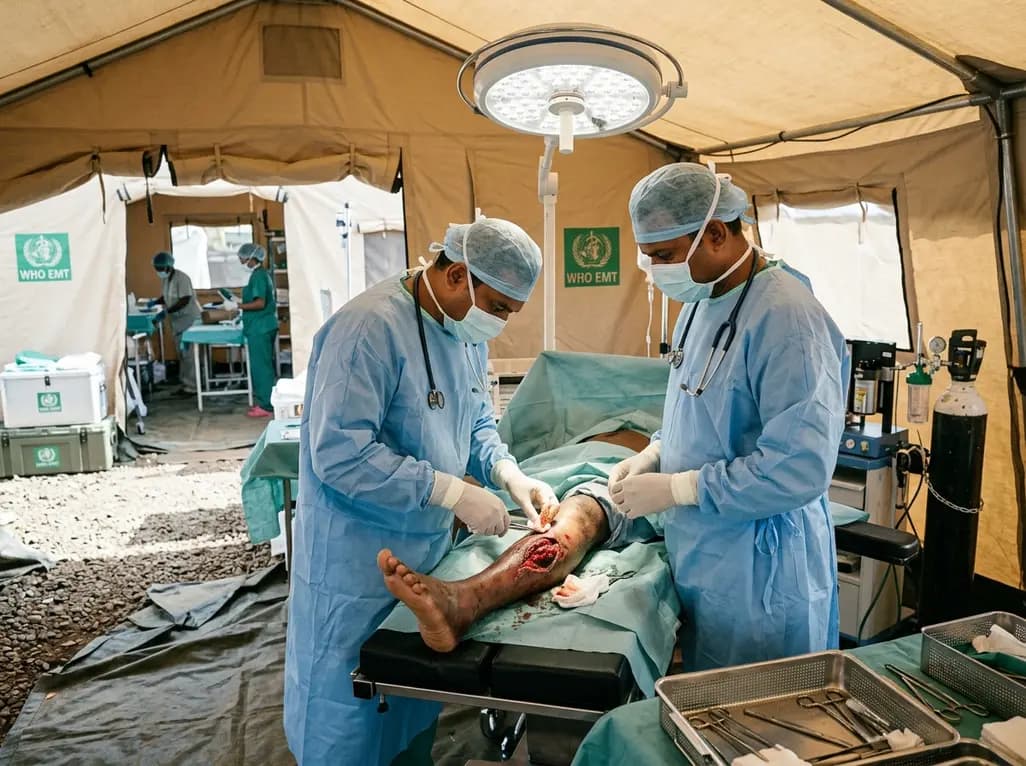
Following Cyclone Chido, a WHO EMT-2 field hospital performed 268 surgeries in Mayotte. While acute trauma is expected initially, 98% of cases were septic wounds of the extremities requiring secondary intention healing, revealing crucial operational insights for disaster surgical preparedness.
Today

The SED-SEEN-SEEP consensus outlines an Integrated Care Pathway for preclinical type 1 diabetes, structuring target screening, autoantibody confirmation, metabolic staging, and proactive follow-up to prevent diabetic ketoacidosis and facilitate early disease-modifying intervention.
Yesterday
