.webp&w=384&q=75)

Loading, please wait...
Loading, please wait...
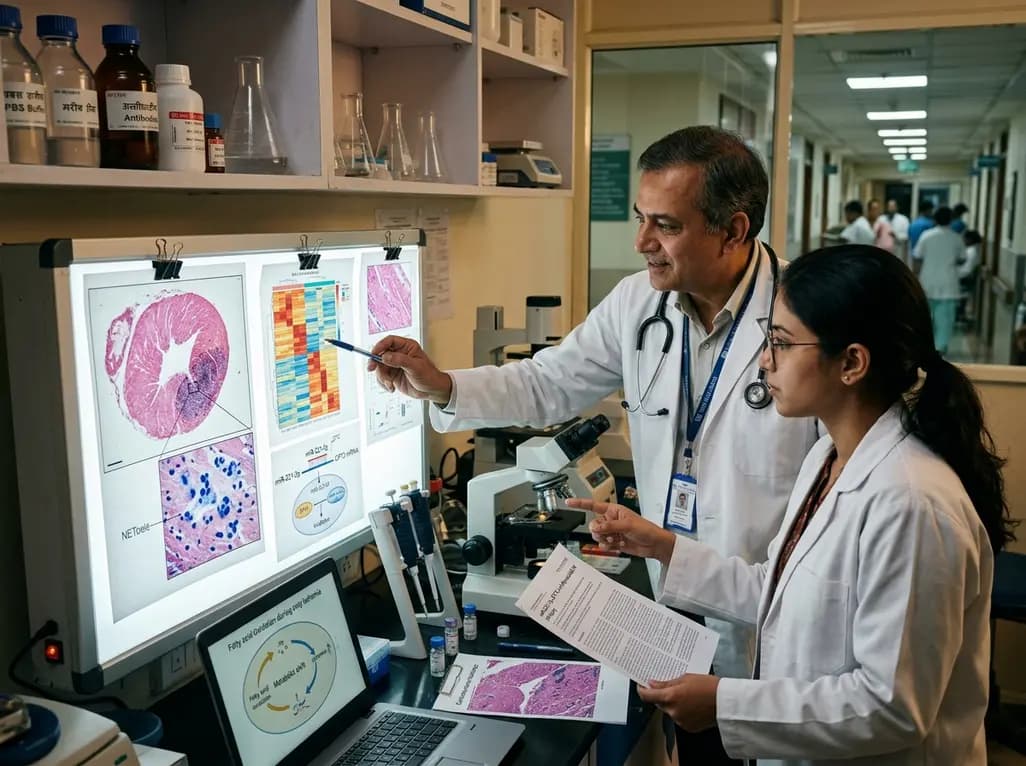
Acute coronary syndromes and subsequent revascularization often trigger myocardial ischemia-reperfusion injury, a complex pathological process that compromises patient recovery and cardiac function. Although prompt restoration of blood flow is essential for salvaging ischemic myocardium, the reperfusion phase paradoxically induces secondary tissue damage through oxidative stress, inflammatory surges, and metabolic collapse. Cardiovascular researchers seek to uncover the underlying molecular mechanisms driving this damaging phenomenon to identify therapeutic targets. Recent multi-omics research highlights an intricate link between altered lipid metabolism within cardiomyocytes and localized immune cell activation. Specifically, impaired mitochondrial fatty acid oxidation directly promotes microvascular inflammation and neutrophil extracellular trap formation during acute ischemic events. Understanding these cellular cross-talk pathways offers promising avenues for designing targeted pharmacological interventions that shield the heart from reperfusion injury. By integrating genetic, transcriptomic, single-cell, and metabolomic analyses, recent investigations identified key regulatory molecules governing cardiac metabolic dysfunction. This educational review breaks down how microRNA-mediated suppression of metabolic enzymes connects cardiomyocyte stress to inflammatory tissue destruction, illustrating key therapeutic implications for clinical cardiology practice.
To elucidate how specific circulating metabolites influence ischemic heart disease risk, investigators conducted a two-sample Mendelian randomization analysis examining 1400 plasma metabolites. Among these candidate molecules, nervonoylcarnitine (C24:1) emerged as the sole acylcarnitine associated with an elevated risk of ischemic heart disease. Conversely, octadecanedioylcarnitine demonstrated a strong protective association, emphasizing the nuanced regulatory roles of distinct fatty acid derivatives in cardiac health. Following initial metabolite screening, summary-data-based Mendelian randomization prioritized carnitine palmitoyltransferase 2 (CPT2) as a pivotal candidate gene intrinsically linked to circulating C24:1 levels. CPT2 serves as a critical mitochondrial enzyme that facilitates long-chain fatty acid transport into the mitochondrial matrix for beta-oxidation. When CPT2 function declines, unesterified long-chain acylcarnitines accumulate rapidly within cells, signaling impaired metabolic clearance and compromised ATP generation inside high-demand tissues. These genetic and metabolomic insights indicate that systemic accumulation of specific acylcarnitines directly reflects an underlying defect in cardiac fatty acid oxidation pathways. Consequently, establishing the causative link between CPT2 downregulation and vascular metabolic stress provides a solid foundation for evaluating downstream pathological consequences in reperfused cardiac tissue.
Building upon these genetic findings, researchers analyzed five independent mouse microarray datasets alongside single-cell RNA-sequencing data to trace cellular dynamics following acute ischemic insults. Transcriptomic evaluation revealed that Cpt2 expression was consistently co-regulated within gene networks associated with suppressed fatty acid oxidation and heightened neutrophil extracellular trap formation, termed NETosis. Single-cell sequencing localized this primary metabolic breakdown specifically to cardiomyocytes at day one post-reperfusion, highlighting an acute temporal window of cellular vulnerability. Furthermore, inverse correlation analysis demonstrated that lower cardiomyocyte fatty acid oxidation scores directly corresponded to elevated neutrophil NETosis scores across experimental subjects. Intercellular signaling predictions generated through CellChat demonstrated that Cpt2-deficient cardiomyocytes release heightened levels of damage-associated molecular patterns and pro-inflammatory chemokines. These noxious signals actively recruit circulating neutrophils into the ischemic zone and stimulate neutrophil extracellular trap release, converting local metabolic failure into secondary inflammatory cascades. NETosis subsequently releases cytotoxic histones, microvascular thrombi, and reactive oxygen species that exacerbate tissue necrosis. Consequently, metabolic dysfunction within heart muscle cells actively drives localized immune-mediated tissue destruction during acute ischemia-reperfusion events.
To identify upstream molecular drivers responsible for CPT2 suppression, bioinformatic screening through miRWalk and TargetScan was executed to evaluate candidate microRNAs. These computational tools identified mmu-miR-221-3p as the sole significantly upregulated microRNA in myocardial ischemia-reperfusion injury predicted to target the 3' untranslated region of Cpt2 mRNA. Dual-luciferase reporter assays confirmed direct physical binding between miR-221-3p and the Cpt2 transcript, proving post-transcriptional repression. Under ischemic stress, cardiac tissue overexpresses miR-221-3p, which actively silences CPT2 translation and destabilizes mitochondrial lipid utilization. The resulting blockade in fatty acid transport causes long-chain acylcarnitines like C24:1 to build up rapidly inside cardiomyocytes. Experimental validation in vivo confirmed that miR-221-3p upregulation directly parallels acute myocardial injury severity, inflammatory cell infiltration, and localized reactive oxygen species accumulation. Furthermore, untargeted myocardial metabolomics revealed a dramatic 68.9-fold rise in annotated C24:1 levels within reperfused heart tissue compared to uninjured controls. This massive metabolic perturbation confirms that miR-221-3p acts as a crucial molecular switch connecting hypoxic stress to intracellular metabolic toxicity. Silencing CPT2 via microRNA elevation represents a principal mechanism through which reperfusion forces energy-starved cardiomyocytes into pro-inflammatory signaling modes.
To evaluate the therapeutic feasibility of targeting this metabolic axis, experimental models were treated with a specific miR-221-3p antagomir prior to ischemic challenge. Pre-treatment with the antagomir successfully restored myocardial CPT2 expression, effectively re-establishing fatty acid oxidation pathways and preserving mitochondrial integrity. Consequently, treated animals demonstrated a remarkable 11.4-fold reduction in myocardial C24:1 levels alongside significant decreases in cardiac reactive oxygen species generation and NETosis markers. Morphological assessments showed a substantial reduction in the apparent infarct burden, measured as a percentage of total left ventricular area, along with markedly improved acute hemodynamic function. Crucially, when researchers co-administered adeno-associated virus serotype 9 expressing short hairpin RNA against Cpt2, the protective benefits of the miR-221-3p antagomir were largely reversed. Similarly, treating animals with DNase I to degrade neutrophil extracellular traps attenuated acute cardiac damage, confirming that neutrophil activation directly mediates downstream tissue destruction. These comprehensive gain-of-function and loss-of-function studies confirm that targeted inhibition of miR-221-3p protects cardiac tissue by restoring CPT2-dependent lipid oxidation and limiting secondary neutrophil-driven inflammatory cascades during acute injury.
The discovery of the miR-221-3p/CPT2 axis provides a mechanistic bridge linking cardiomyocyte metabolic failure to thrombo-inflammatory microvascular injury. For clinicians and cardiovascular researchers, these findings offer critical insights into why conventional metabolic or anti-inflammatory therapies have yielded mixed results when administered individually. By simultaneously targeting metabolic restoration and immune modulation, novel therapeutic approaches can address two major drivers of reperfusion injury concurrently. Additionally, circulating levels of C24:1 and miR-221-3p may serve as valuable diagnostic biomarkers for stratifying patients at high risk for severe reperfusion injury following percutaneous coronary intervention. Future translational research must evaluate whether post-reperfusion administration of microRNA inhibitors or selective metabolic enhancers can replicate these cardioprotective effects in human clinical settings. Developing targeted delivery systems, such as cardiac-tropic nanoparticle carriers, could further optimize therapeutic efficacy while minimizing off-target systemic side effects. Ultimately, integrating multi-omics data with rigorous functional validation paves the way for precision cardiology solutions aimed at preserving myocardial tissue and improving long-term outcomes in patients suffering acute ischemic events.
Carnitine palmitoyltransferase 2 (CPT2) is an essential enzyme located on the inner mitochondrial membrane. It converts acylcarnitines back into fatty acyl-CoAs, enabling long-chain fatty acids to undergo beta-oxidation for ATP production. When CPT2 is suppressed during ischemic stress, cardiomyocytes cannot process fatty acids efficiently, leading to toxic acylcarnitine accumulation, reduced energy production, and heightened cellular susceptibility to reperfusion injury.
When cardiomyocytes experience metabolic stress and CPT2 suppression, they release damage-associated molecular patterns and pro-inflammatory chemokines into the extracellular matrix. These signaling molecules attract circulating neutrophils into injured cardiac tissue and stimulate them to undergo NETosis. Neutrophil extracellular traps release cytotoxic histones, microvascular thrombi, and oxidative enzymes that exacerbate localized myocardial inflammation, microvascular dysfunction, and secondary tissue necrosis.
Synthetic microRNA inhibitors, such as antagomirs, demonstrate strong therapeutic potential in preclinical models by silencing specific pathogenic microRNAs like miR-221-3p. However, clinical application in human patients requires further translational research regarding optimal delivery vehicles, administration timing relative to reperfusion, and safety profiles. Current research focuses on developing cardiac-tropic nanocarriers to safely translate microRNA-based therapeutics into clinical cardiovascular medicine.
Disclaimer: This content is for informational and educational purposes only and does not constitute medical advice, diagnosis, or treatment. Always consult a qualified healthcare provider regarding clinical decisions. Refer to the latest local and national guidelines for clinical practice.
References

Read summarized clinical updates, watch expert medical content, and earn CME certifications right from your smartphone.
Open your smartphone camera to scan and install.





New multi-omics research shows miR-221-3p represses CPT2 in cardiomyocytes, linking fatty acid oxidation defects to NETosis in myocardial ischemia-reperfusion injury.
last month

With Tamil Nadu recording over 17,900 confirmed infections and nine deaths, public health authorities have mobilized field teams across vulnerable blocks. Clinicians must maintain high vigilance during the monsoon wave, adhering to strict fluid resuscitation protocols and rapid triage for high-risk pediatric cases.
Today

The ClinGen Prenatal Gene Curation Expert Panel evaluated 63 disease relationships across 61 genes, establishing clinical validity for severe fetal phenotypes like hydrops and stillbirth to enhance prenatal genomic interpretation and clinical care.
Yesterday

Managing refractory hypoxemia after cardiothoracic surgery becomes perilous when prolonged air leak limits positive-pressure ventilation. This case-based review details how high-flow nasal cannula, paired with awake rehabilitation, enabled successful extubation and avoided invasive re-intubation.
Today

Idiopathic axillary web syndrome (IAWS) is a rare cause of shoulder pain and mobility restriction characterized by palpable axillary cording without prior surgery or trauma. Early diagnosis, nonsteroidal anti-inflammatory therapy, and physical rehabilitation lead to complete resolution of symptoms.
Today
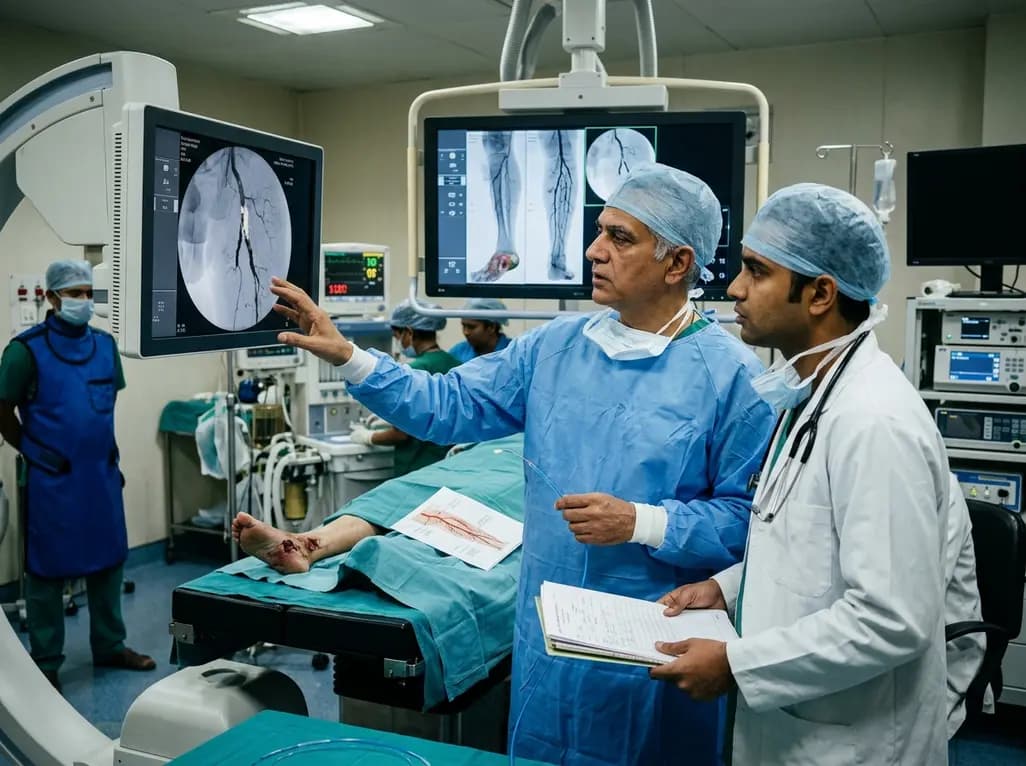
SWEDEPAD-1 trial insights show paclitaxel-coated devices do not improve long-term limb salvage in patients with chronic limb-threatening ischemia and tissue loss. While one-year reinterventions decreased, the devices were linked to a higher risk of major amputation at three months.
Today
