.webp&w=384&q=75)

Loading, please wait...
Loading, please wait...
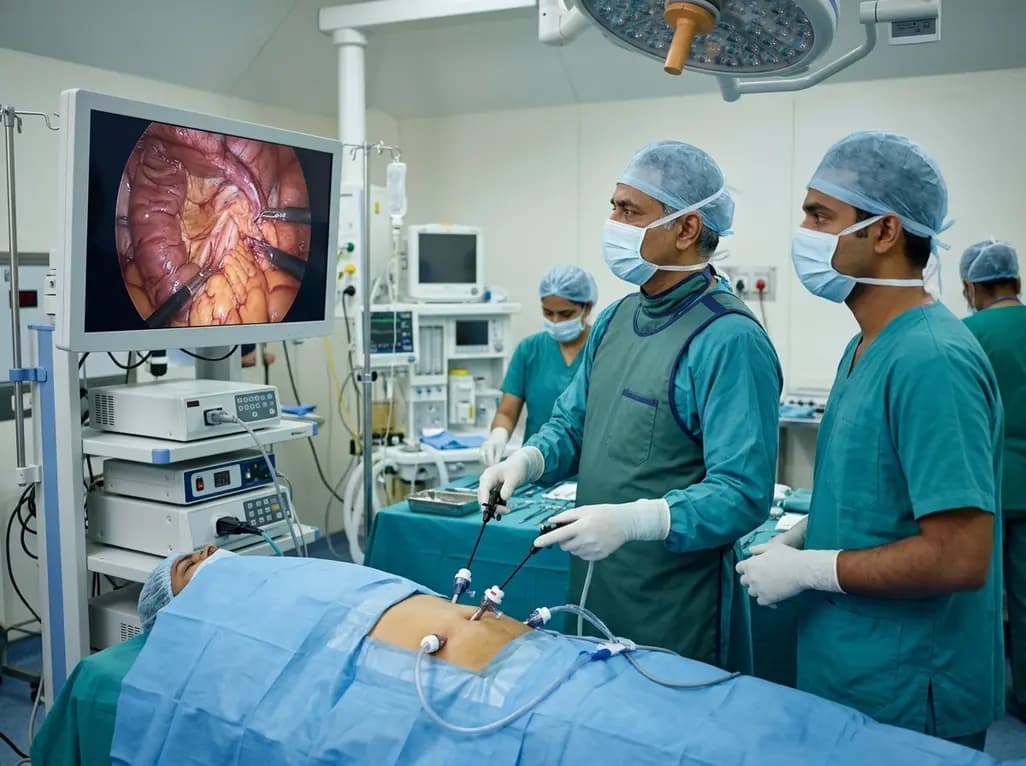
Surgical management of right-sided colonic pathologies, particularly malignant neoplasms, has undergone a dramatic transformation over recent years. Currently, minimally invasive right colectomy represents the preferred standard approach for managing these right-sided lesions. Surgeons across global institutions, including major tertiary care centers in India, increasingly adopt laparoscopic and robotic platforms to optimize patient recovery. However, mastering these advanced techniques requires navigating a steep technical learning curve. Consequently, achieving procedural proficiency remains essential to ensure surgical safety and favorable oncological outcomes.
Quantifying surgical competency requires clear objective metrics. A recent systematic review synthesized evidence from nine cohort studies to establish definitive learning curve benchmarks. Overall, the median number of procedures needed to achieve proficiency in minimally invasive right colectomy was 26 cases, with individual study thresholds ranging from 13 to 55 procedures. When analyzing specific surgical approaches, laparoscopic right colectomy demonstrated a median learning threshold of 25 cases, ranging between 18 and 55 procedures. Similarly, robot-assisted right colectomy required a median of 27 cases, spanning from 13 to 44 procedures. Therefore, surgical trainees and transitioning specialists must anticipate a structured phase of supervised practice. Furthermore, these data highlight that both laparoscopic and robotic modalities require comparable procedural exposure to reach competency. Establishing these numerical targets enables surgical departments to structure effective credentialing frameworks.
Operative duration serves as a primary metric for assessing surgical skill acquisition. During the initial learning phase, surgeons often encounter prolonged procedure times due to unfamiliar anatomy and technical adjustments. However, as surgical teams gain experience, procedural efficiency improves markedly. Systematic review data demonstrate a statistically significant reduction in operative time once surgeons surpass the learning threshold. Specifically, proficient surgeons achieved a mean reduction of 41.51 minutes per procedure compared to their early learning phases. This substantial time saving reflects faster mesenteric dissection, streamlined vascular ligation, and enhanced surgical team coordination. Consequently, shorter operating times reduce overall anesthetic exposure for patients and optimize surgical theater utilization across busy tertiary institutions.
Clinical safety remains the ultimate indicator of surgical proficiency. Achieving technical mastery in right colectomy directly translates into enhanced perioperative safety for patients. Notably, statistical analysis reveals a significant decrease in overall postoperative morbidity after completing the learning curve. Patients operated upon during the proficiency phase experienced a 51% reduction in complication risk, demonstrating an odds ratio of 0.49. This significant improvement stems from superior tissue handling, precise plane dissection, and meticulous anastomotic creation. Interestingly, intraoperative blood loss showed no statistically significant difference between early and late phases, with a mean difference of -3.3 mL. However, marked heterogeneity across studies suggests that blood loss is heavily influenced by individual patient factors rather than procedural experience alone.
Comparing laparoscopic and robotic platforms provides vital insights for institutional planning and surgical training. Laparoscopic surgery requires adapting to rigid instruments and two-dimensional visualization. Conversely, robotic systems provide three-dimensional high-definition views, wristed articulation, and improved surgeon ergonomics. Surprisingly, evidence shows that both modalities possess similar median learning curve requirements, requiring 25 cases for laparoscopy and 27 cases for robotics. Nevertheless, the robotic approach displays a narrower range of case requirements, suggesting that advanced robotic features may prevent prolonged learning delays. Furthermore, surgeons with existing laparoscopic experience often leverage transferable psychomotor skills to accelerate robotic proficiency. Therefore, healthcare centers must weigh platform acquisition costs and consumable expenses against these comparable learning trajectory metrics.
Despite informative findings, systematic review authors highlight substantial methodological heterogeneity among existing studies. Historically, surgical researchers have utilized inconsistent metrics to define both the learning phase and technical proficiency. Some studies focus exclusively on operative duration, while others incorporate cumulative sum control charts, complication rates, or length of stay. Additionally, variations in surgical techniques, such as intracorporeal versus extracorporeal anastomosis, introduce significant confounding variables. Complete mesocolic excision also presents a distinct learning curve compared to standard right colectomy. Consequently, there is an urgent need for standardized consensus guidelines in surgical training research. Uniform definitions of proficiency and risk-adjusted outcome tracking will enhance future educational assessments and ensure consistent surgical training standards globally.
Modernizing colorectal surgical education requires shifting from traditional volume-based apprenticeship toward structured competency-based training programs. Pre-clinical simulation laboratories, virtual reality modules, and cadaveric workshops allow trainees to master instrument manipulation before operating on patients. Furthermore, dual-console robotic platforms allow mentors to provide real-time guidance and intervention without compromising safety. Video-based surgical coaching and artificial intelligence performance analytics also provide objective feedback on procedural flow and tissue handling. Incorporating these educational tools can compress the traditional learning curve and accelerate skill acquisition safely. Ultimately, standardized training curricula and continuous performance auditing will enable surgeons to achieve proficiency faster, ensuring optimal outcomes for patients undergoing minimally invasive right colectomy.
Evidence indicates that the median number of cases required to achieve surgical proficiency in minimally invasive right colectomy is 26 cases. Specifically, laparoscopic procedures require a median of 25 cases (range 18-55), whereas robotic procedures require a median of 27 cases (range 13-44). Surpassing this threshold allows surgeons to perform resections with significantly higher procedural efficiency, reduced operating time, and superior perioperative safety.
Achieving procedural proficiency results in a statistically significant reduction in operative duration, saving an average of 41.51 minutes per case. More importantly, overall postoperative morbidity decreases by approximately 51% (odds ratio 0.49). However, estimated intraoperative blood loss does not change significantly between early learning and late proficiency phases, remaining largely dependent on patient anatomical factors and tissue complexity.
Laparoscopic and robotic approaches demonstrate comparable learning curves, requiring median case volumes of 25 and 27 cases, respectively. While robotic systems offer enhanced ergonomic stability and wristed instrumentation, overall case requirements remain similar. However, robotic platforms display a narrower range of required cases, suggesting that advanced robotic visualization and dexterity tools may help prevent extreme skill acquisition delays among surgical trainees.
Disclaimer: This content is for informational and educational purposes only and does not constitute medical advice, diagnosis, or treatment. Healthcare professionals should rely on their professional clinical judgment and refer to the latest local and national guidelines for clinical practice.
References

Read summarized clinical updates, watch expert medical content, and earn CME certifications right from your smartphone.
Open your smartphone camera to scan and install.





A systematic review evaluates the learning curve for minimally invasive right colectomy, identifying a median threshold of 26 cases to achieve proficiency and significant reductions in surgical duration and morbidity.
last month
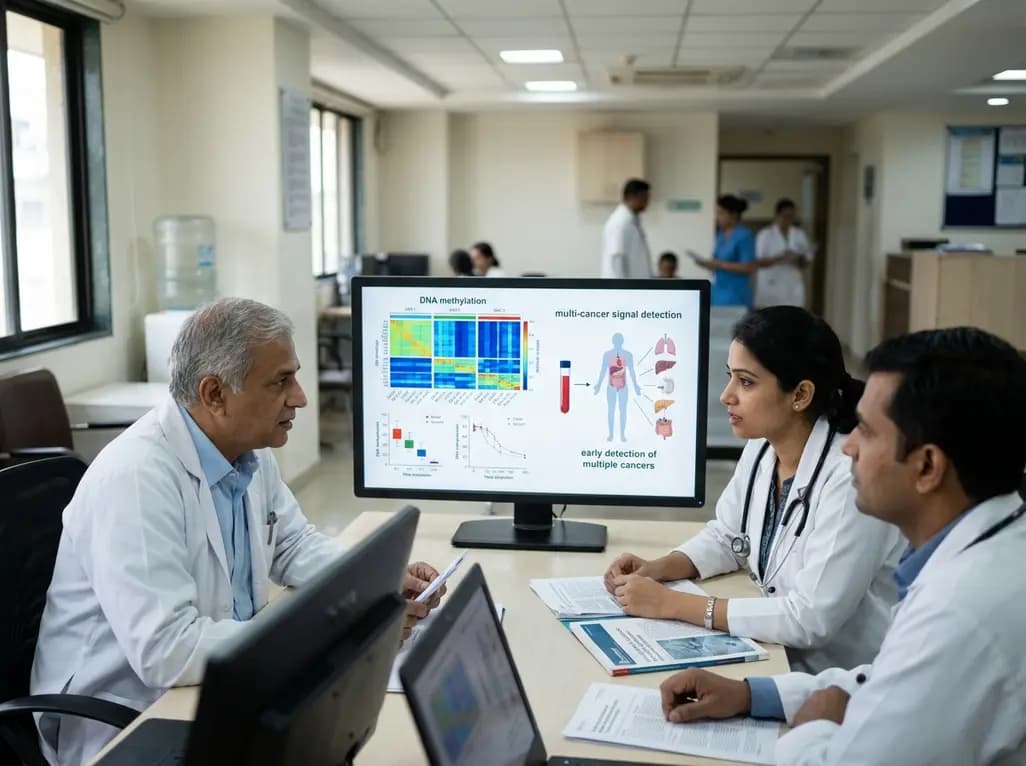
FDA staff reviewers have raised no major safety or analytical concerns regarding Grail's Galleri blood test ahead of an advisory panel meeting. This milestone advances liquid biopsy technologies designed to identify tumor methylation signals across dozens of malignancies before clinical symptoms emerge.
Today
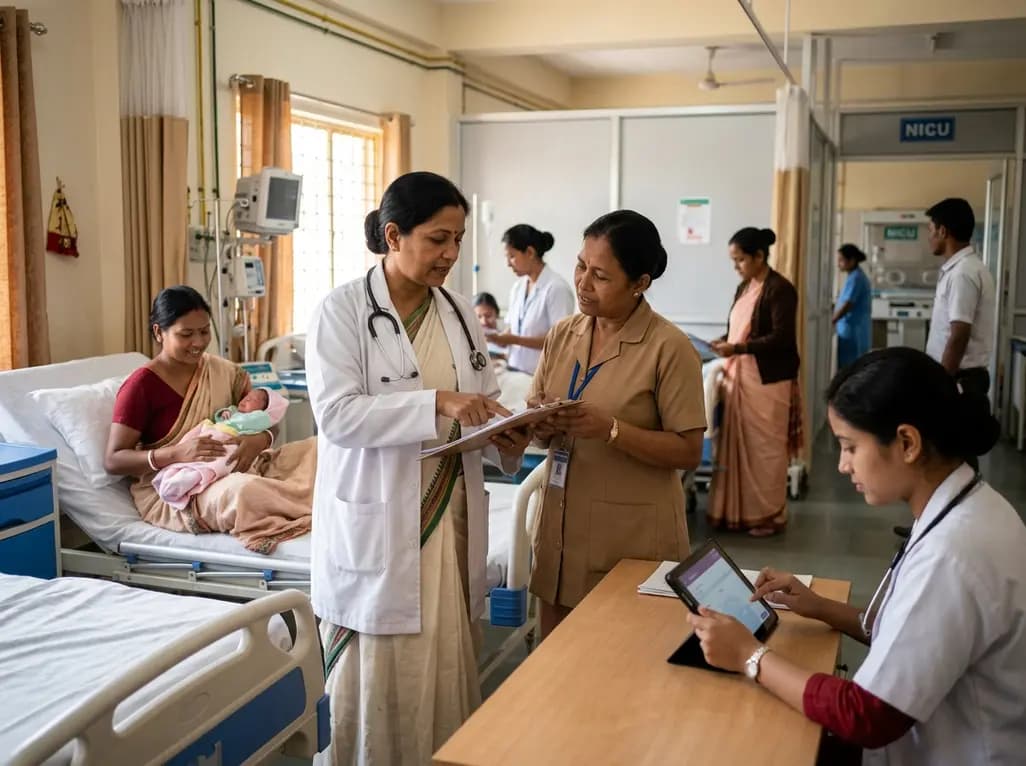
Meghalaya recorded a historic 55% reduction in maternal deaths, dropping from 244 to 107 over five years. Through the MOTHER app, dedicated transit homes, and expanded infrastructure like the 150-bed Tura Maternity Hospital with its first public NICU, the state demonstrates an effective public health model.
Today
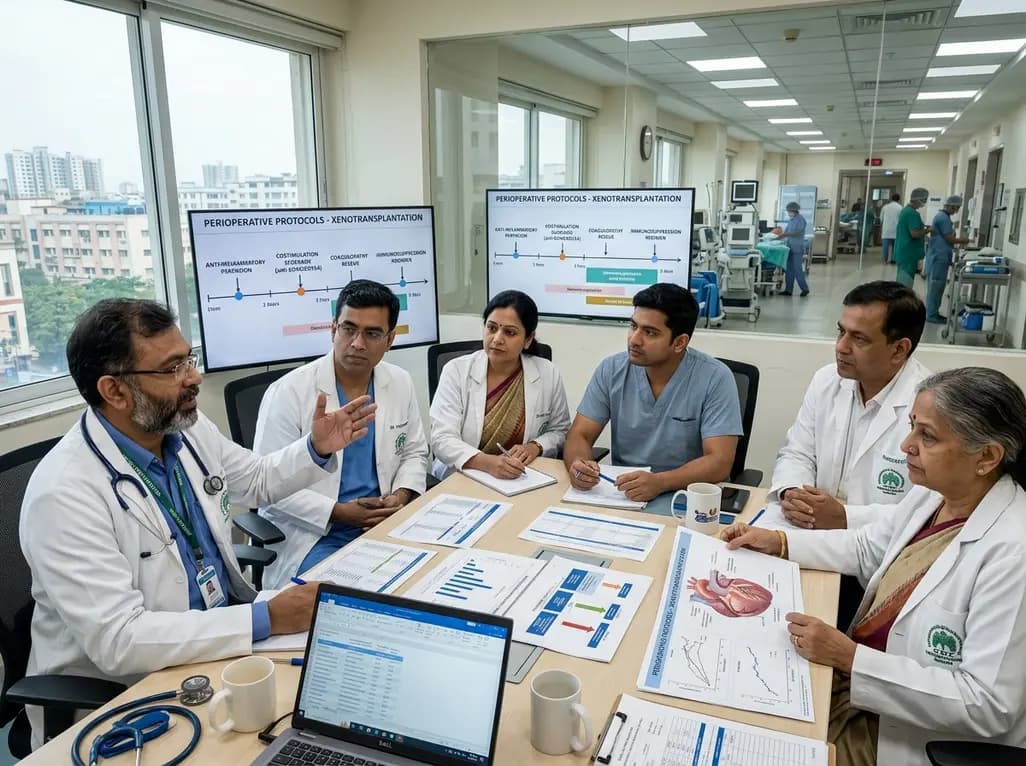
Explore modern perioperative management protocols for clinical xenotransplantation. Learn how costimulation blockade, anti-inflammatory perfusion, and coagulopathy rescue overcome interspecies hurdles.
Today
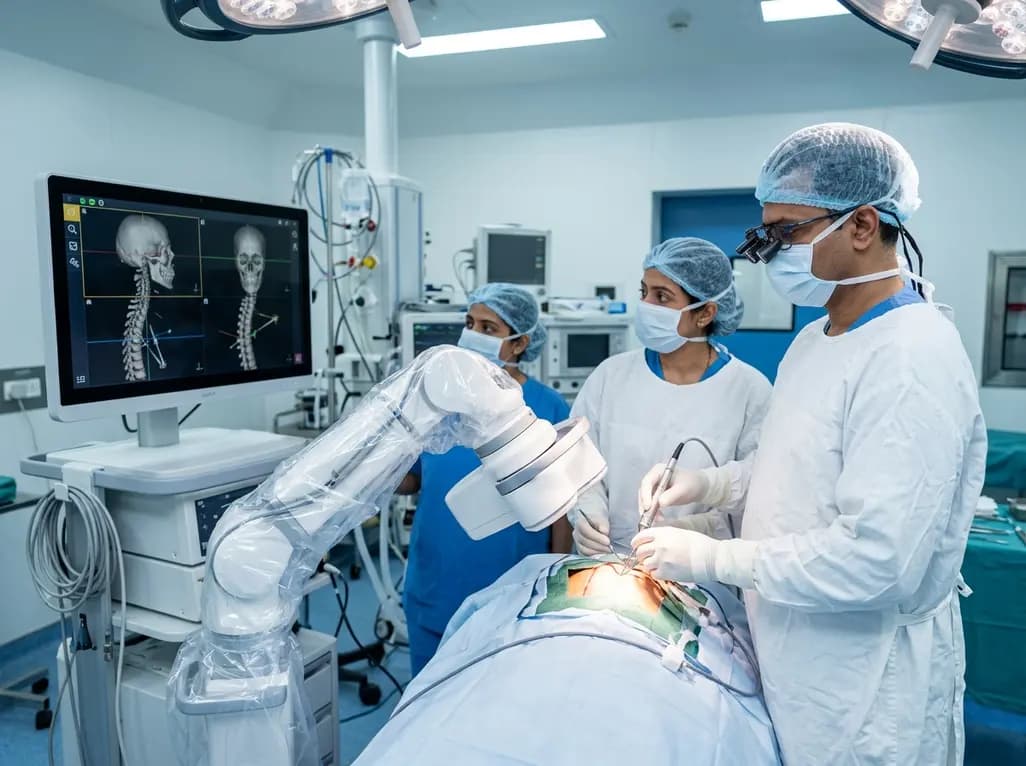
North India's first Centre of Excellence for Brain and Spine at Amrita Hospital Faridabad integrates Brainlab's Loop-X mobile robot. This landmark facility combines cone-beam computed tomography with surgical navigation to elevate precision, optimize operative workflows, and enhance specialized clinician training.
Today
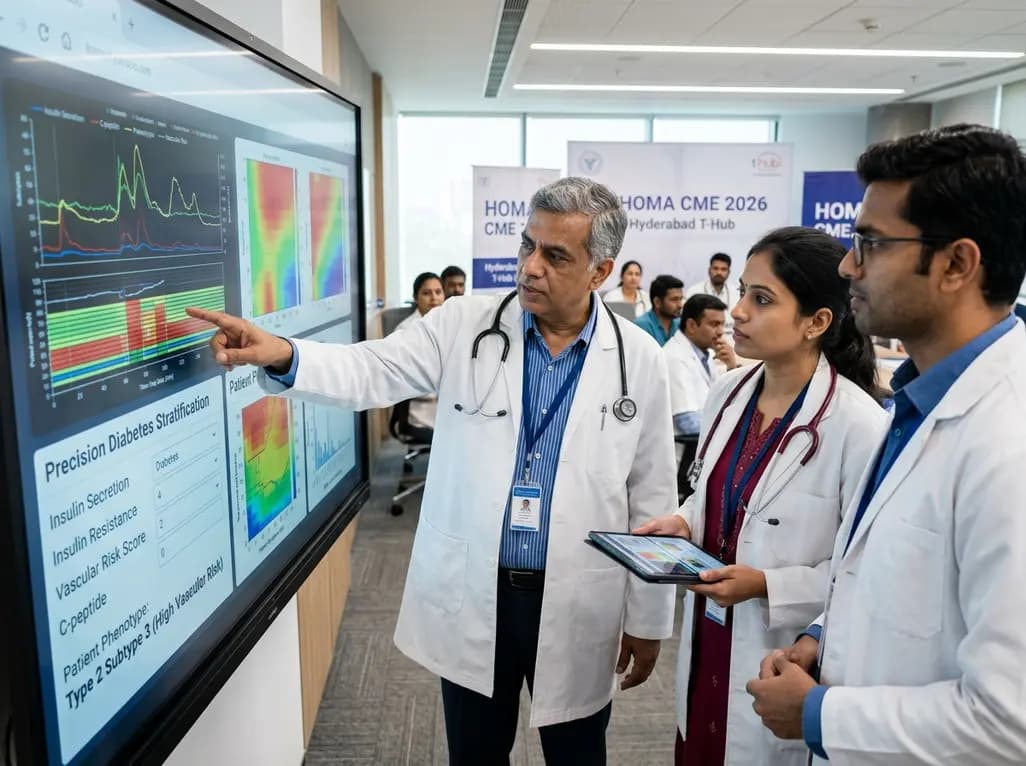
At Homa CME 2026 at Hyderabad's T-Hub, healthcare leaders emphasized moving beyond routine metrics through digital calculators and precision stratification. Discover why characterizing individual insulin secretion, resistance patterns, and vascular risks transforms chronic metabolic care in India.
Today
