.webp&w=384&q=75)

Loading, please wait...
Loading, please wait...

Transarterial chemoembolization remains a cornerstone therapy for patients diagnosed with unresectable hepatocellular carcinoma. However, interventional procedures frequently induce profound physiological distress and debilitating post-embolization syndrome. Additionally, clinicians increasingly explore integrative supportive interventions to mitigate perioperative challenges. A recent landmark study investigated mindfulness-based stress reduction as an adjunctive perioperative strategy during chemoembolization. This novel approach evaluated whether structured psychological support improves recovery metrics, diminishes acute discomfort, and promotes emotional stability. Therefore, the findings provide critical clinical evidence supporting holistic perioperative oncologic management.
Transarterial chemoembolization effectively controls tumor growth by selectively occluding hepatic arterial branches while delivering concentrated chemotherapeutic agents. Nevertheless, hepatic ischemia and cytotoxic injury trigger systemic inflammatory cascades. Consequently, a vast majority of treated individuals develop post-embolization syndrome within the initial seventy-two hours post-procedure. This challenging clinical entity typically manifests as severe right upper quadrant abdominal pain, intractable nausea, intractable vomiting, and marked pyrexia. Furthermore, persistent physical suffering escalates emotional vulnerability, which significantly heightens procedural anxiety. Severe post-embolization complications prolong hospital stays and strain healthcare resources. In addition, acute pain episodes frequently necessitate aggressive opioid administration, thereby increasing the risk of sedation and gastrointestinal dysfunction. Therefore, oncologists and interventional radiologists must identify innovative perioperative protocols that minimize complication severity without compromising therapeutic efficacy. Consequently, incorporating targeted behavioral modalities into routine protocols addresses critical gaps in comprehensive patient care. By addressing neurobiological stress responses, clinicians can alter patient pain perception and improve overall treatment tolerance during acute recovery phases.
Mindfulness-based stress reduction represents a structured mind-body program cultivating moment-to-moment awareness through meditation and somatic focus. In the perioperative setting, trained healthcare professionals teach deep breathing techniques, progressive muscle relaxation, and focused mental redirection. Specifically, patients learn to decouple nociceptive physiological sensory inputs from catastrophic emotional interpretations. Consequently, this cognitive shift diminishes autonomic hyperarousal and downregulates sympathetic nervous system reactivity. Moreover, regular mindfulness practice suppresses the hypothalamic-pituitary-adrenal axis, lowering circulating cortisol levels. As a result, patients experience enhanced physiological stability before entering the interventional radiology suite. During the immediate post-procedural interval, individuals actively deploy these self-regulation tools to navigate acute visceral sensations calmly. Clinical teams can integrate these exercises into nursing pathways without disrupting established procedural workflows. In addition, structured guidance empowers patients by providing tangible coping mechanisms during an otherwise disempowering medical experience. Therefore, mindfulness-based stress reduction serves as an active neurobiological modulator of perioperative surgical stress. Furthermore, hospital teams observe exceptional compliance when introducing brief mindfulness sessions during pre-admission assessments.
Pain control remains one of the most critical determinants of successful post-chemoembolization recovery. In this clinical evaluation, patients participating in the mindfulness protocol demonstrated significantly lower numerical rating scale pain scores. Notably, these statistically significant reductions persisted across all evaluated postoperative observation intervals. Because mindfulness interrupts the cognitive amplification of physical distress, patients reported substantially less procedural discomfort. Furthermore, the mindfulness cohort required significantly fewer rescue analgesics compared to patients receiving conventional care alone. Consequently, healthcare providers avoided frequent analgesic escalations, reducing exposure to potent intravenous opioids. This reduction is clinically vital because high-dose opioids induce severe constipation, respiratory depression, and urinary retention in vulnerable oncologic patients. In addition, patients in the mindfulness group experienced a markedly lower overall incidence of post-embolization syndrome. Therefore, non-pharmacological stress mitigation directly translated into tangible physiological protection against severe procedure-related complications. Ultimately, superior pain stabilization accelerated functional recovery, enabled earlier oral intake, and allowed earlier mobilization. Importantly, multivariable regression models confirmed that lower acute pain intensity independently correlated with reduced rates of post-embolization syndrome.
Cancer diagnoses inevitably inflict substantial psychological distress, which exacerbates procedural apprehension and complicates clinical recovery. In this study, investigators assessed affective symptoms using the standardized Hospital Anxiety and Depression Scale. Interestingly, the cohort receiving mindfulness guidance exhibited significantly lower anxiety and depression scores post-procedure. Because psychological distress amplifies somatic pain signaling, lowering emotional distress directly supports physical healing. Furthermore, the mindfulness intervention produced remarkable gains in patient self-efficacy, as measured by the Strategies Used by People to Promote Health scale. Patients who master self-regulation strategies feel more confident in managing complex symptoms at the bedside. Consequently, these individuals actively participate in their post-procedural care plans rather than adopting passive behavioral stances. Higher self-efficacy fosters consistent compliance with medical directives, including hydration, dietary adjustments, and early ambulation. In addition, enhanced psychological resilience shields cancer patients from debilitating emotional exhaustion during repeated hepatic interventions. Therefore, psychological stabilization represents a vital therapeutic target in interventional oncology. Clinicians must recognize that optimizing affective health directly unlocks superior somatic recovery trajectories.
The positive outcomes from this investigation carry profound clinical implications for modern interventional oncology and hepatology departments. Historically, surgical and interventional specialties focused almost exclusively on technical execution and pharmacologic management. However, modern perioperative care pathways increasingly recognize the immense value of mind-body medicine. By integrating brief mindfulness training into pre-procedure counseling, medical centers can systematically curb perioperative morbidity. Specifically, reducing post-embolization syndrome and shortening hospital stays translates into reduced healthcare expenditures and greater bed turnover. Furthermore, avoiding excessive opioid escalation preserves delicate hepatobiliary homeostasis in patients with compromised baseline hepatic function. Interventional teams can train specialized oncology nurses to deliver structured mindfulness protocols efficiently without requiring extensive psychiatric staff presence. Similarly, digital audio modules offer scalable avenues to expand access across diverse inpatient settings. Therefore, instituting routine psycho-oncological assessments and behavioral interventions modernizes cancer care delivery. Interventional radiologists and oncologists should actively champion these low-risk, cost-effective modalities within institutional protocols. Ultimately, bridging technical procedural excellence with compassionate psychological preparation ensures optimal holistic outcomes for patients fighting advanced liver cancer.
Mindfulness-based stress reduction downregulates autonomic nervous system reactivity and attenuates systemic neuroendocrine stress pathways. Consequently, patients experience reduced central pain perception and lower visceral hypersensitivity following hepatic chemoembolization. This physiological dampening diminishes the intensity of inflammatory-mediated nausea, vomiting, fever, and abdominal pain associated with post-embolization syndrome.
Yes, clinical data demonstrate that mindfulness practice significantly reduces numerical pain scores and opioid consumption. By interrupting catastrophic thinking and autonomic pain amplification, patients tolerate post-procedural discomfort more effectively. Therefore, medical teams can avoid rapid opioid dose escalations, which successfully protects patients from debilitating opioid-induced side effects like sedation and constipation.
Oncology and interventional radiology nurses can readily integrate short, standardized mindfulness modules during pre-procedure evaluations and post-procedure monitoring. Furthermore, incorporating guided audio recordings and breathing exercises minimizes staff burden while ensuring consistent technique delivery. This practical approach empowers patients with tangible self-care tools without extending preparation time or disrupting scheduled catheterization lab workflows.
Disclaimer: This content is for informational and educational purposes only... Refer to the latest local and national guidelines for clinical practice.
References

Read summarized clinical updates, watch expert medical content, and earn CME certifications right from your smartphone.
Open your smartphone camera to scan and install.





A new study reveals that mindfulness-based stress reduction significantly reduces postoperative pain, opioid reliance, and post-embolization syndrome while boosting emotional well-being and self-care efficacy in advanced hepatocellular carcinoma patients undergoing transarterial chemoembolization.
last month
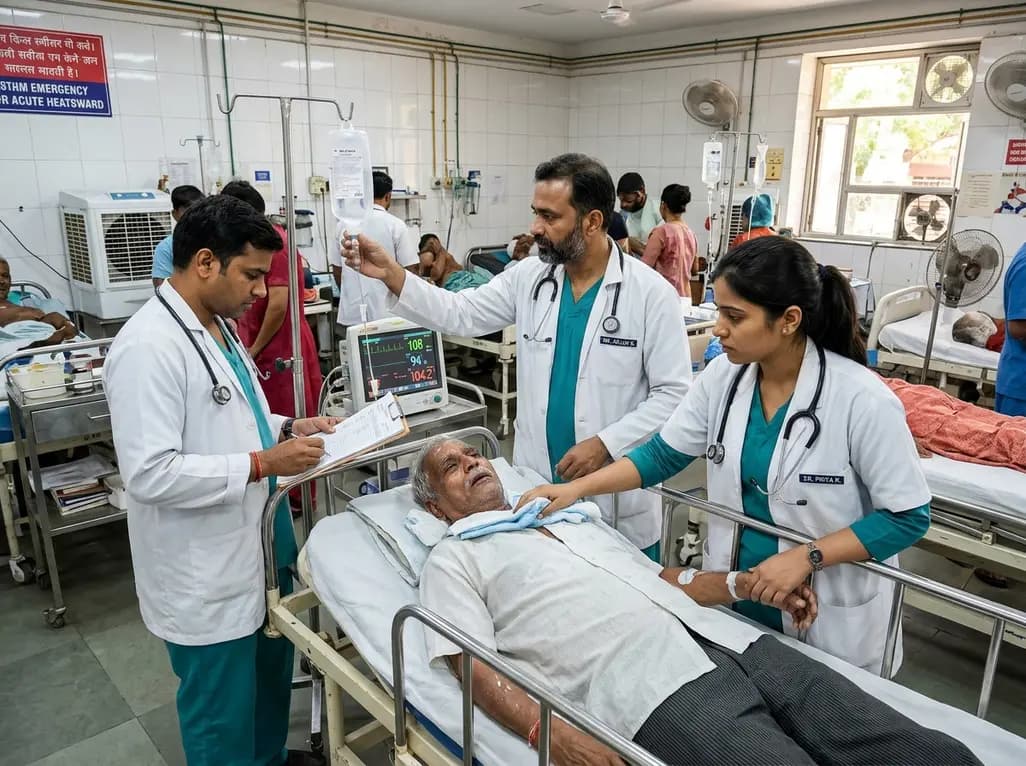
Recent epidemiological data reveals a dramatic surge in summer heat mortality driven by human-induced climate warming. This analysis explores the pathophysiological impacts on cardiac and renal systems, diagnostic dilemmas in death certification, and essential emergency cooling protocols for acute clinical care.
Today
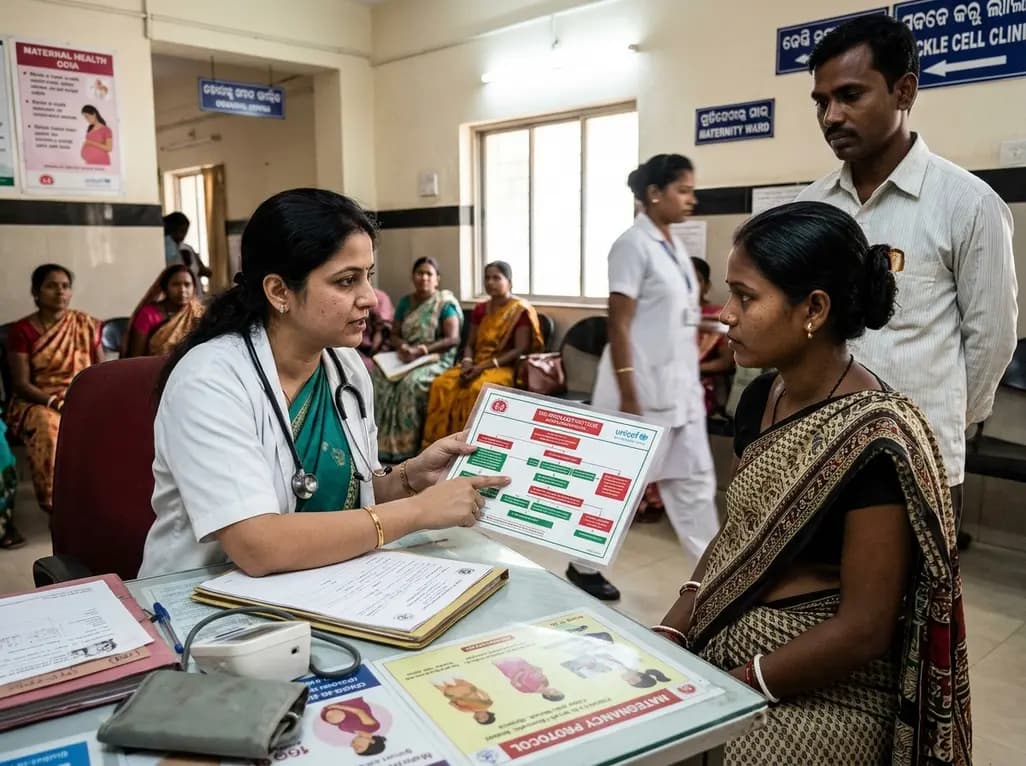
Odisha has established India's first state-level clinical protocol specifically tailored for pregnant women with sickle cell disease. Developed with NHM and UNICEF, the framework provides structured antenatal screening, crisis mitigation, standardized referral pathways, and specialized interdisciplinary care.
Today

India is advancing preventive healthcare by integrating genomics, artificial intelligence, and quantum technologies. With the SANGAM programme sequencing one million Indian genomes, clinicians can unlock personalized therapies, detect cardiometabolic risks early, and curb the burden of diabetes and heart disease.
Today
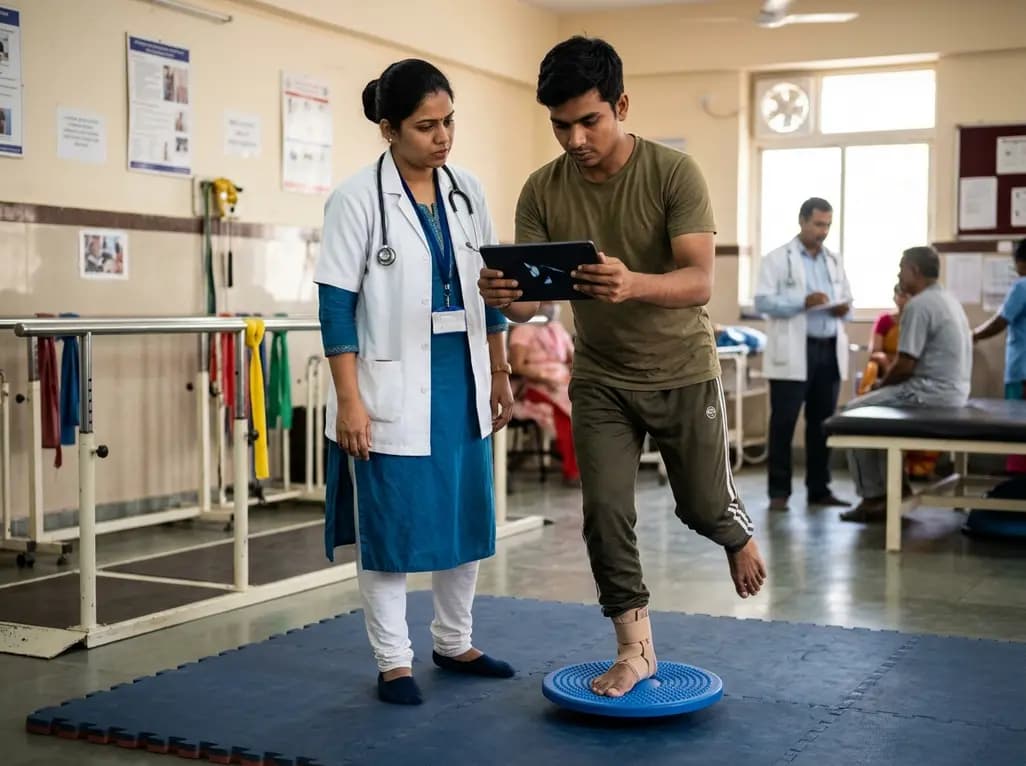
A randomized controlled trial demonstrates that an eight-week dual-task training intervention significantly improves static and dynamic postural control over standard balance exercises in individuals with chronic ankle instability, addressing critical neurocognitive deficits during athletic and daily activities.
Today

A retrospective cohort study of 7,716 ICU patients from the MIMIC-IV database demonstrates that Gradient Boosting Decision Trees significantly outperform traditional SOFA scores in predicting in-hospital mortality among patients with sepsis and diabetes, with SHAP analysis providing clinical interpretability.
Today
