.webp&w=384&q=75)

Loading, please wait...
Loading, please wait...
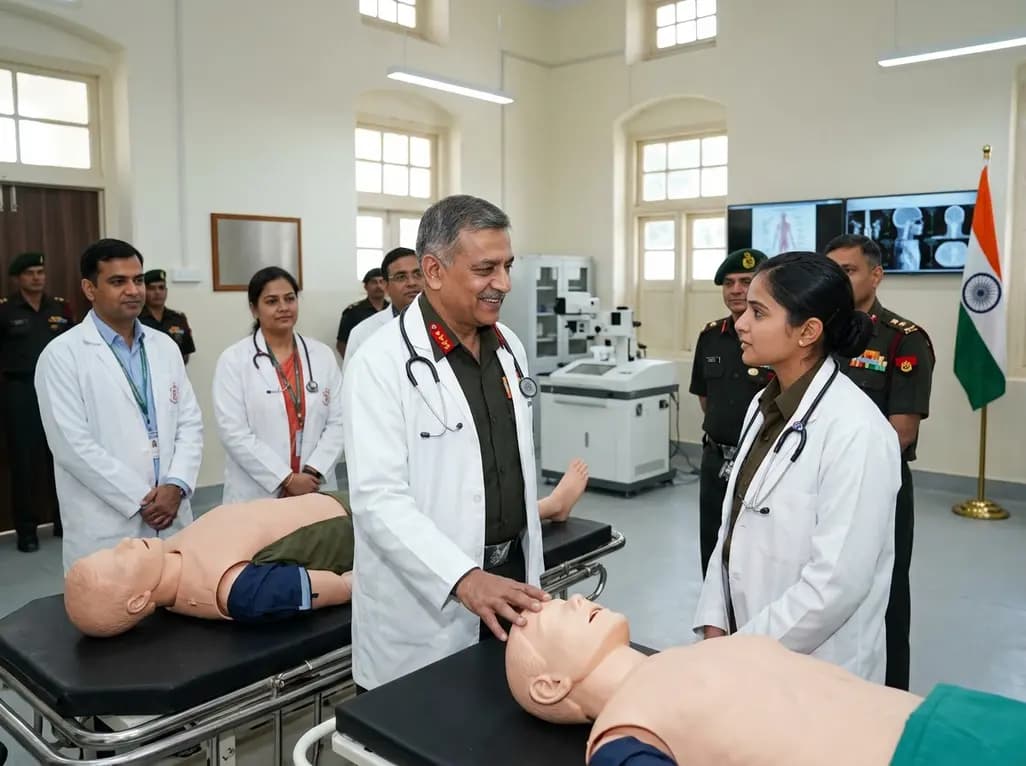
Defence Minister Rajnath Singh recently inaugurated India's pioneering dedicated military medicine facility at Command Hospital in Lucknow. Consequently, this landmark initiative marks a strategic paradigm shift in national defence healthcare. Furthermore, the Department of Military Medicine under the Directorate General of Medical Services (Army) will serve as a principal academic and research hub. Consequently, military medical professionals will now develop indigenous clinical doctrines tailored to complex combat environments.
In addition, modern battlefields present multifaceted medical challenges ranging from environmental extremes to high-intensity trauma. Therefore, establishing a specialized military medicine facility ensures that healthcare delivery aligns directly with operational demands. Defence Minister Singh emphasised that national security relies heavily on the physical resilience and morale of deployed troops. Therefore, this academic wing will bridge critical gaps between conventional medical practice and specialized field casualty management. As a result, healthcare leaders anticipate rapid advancements in battlefield trauma care and operational health surveillance across all service branches.
The newly inaugurated military medicine facility at Lucknow represents a monumental milestone for the Armed Forces Medical Services. Indeed, Defence Minister Rajnath Singh virtually launched the department, highlighting its vital role in safeguarding military personnel. Furthermore, Lucknow has long held historical significance in India's defence tradition, making it an ideal location for this center of excellence. Therefore, the facility will focus on developing evidence-based medical protocols specifically designed for soldiers operating in hostile terrain.
Moreover, soldiers frequently deploy to harsh environments, encountering extreme heat, sub-zero temperatures, and severe high-altitude exposure. Consequently, conventional hospital care often fails to address the unique physiological stresses experienced in these remote areas. Thus, the new facility will serve as the principal doctrinal hub, synthesizing field observations into standardized clinical guidelines. Furthermore, the Defence Ministry affirmed that this facility aligns with broader national security goals and international peacekeeping commitments, directly enhancing humanitarian assistance and disaster relief operations worldwide.
The operational structure of the new facility encompasses several critical healthcare domains designed to address modern battlefield needs. Specifically, the department will focus on military trauma and damage control resuscitation as primary pillars. Furthermore, rapid intervention during the golden hour remains essential for reducing combat mortality on the frontline. Therefore, specialized faculty will train medical personnel in advanced life support and prolonged field care techniques.
Additionally, combat psychiatry and psychological resilience form another cornerstone of the department's mandate. Consequently, operational stress and sleep deprivation will receive dedicated clinical attention and structured research. Furthermore, environmental medicine will evaluate physiological adaptations to harsh climates, preventing high-altitude illness and thermal injuries. Moreover, military medical logistics will streamline field hospital deployments and supply chains. In addition, research and data analytics will evaluate treatment outcomes continuously, ensuring evidence-based military healthcare delivery.
Preventive healthcare constitutes the first line of defense in maintaining combat readiness among deployed military units. Therefore, Defence Minister Rajnath Singh emphasized that proactive disease surveillance and health promotion are essential for operational success. Consequently, the new department will focus extensively on early identification and mitigation of health risks before troops enter active battlefields. Furthermore, routine health screenings, tailored nutrition plans, and physical fitness regimes will receive heightened institutional support.
In addition, modern medical technologies will play a transformative role in monitoring force health in real time. For instance, artificial intelligence, wearable health monitors, and predictive analytics will enable clinicians to detect subtle physiological changes early. Consequently, medical officers can intervene promptly before environmental exhaustion or infectious outbreaks compromise tactical operations. Furthermore, sanitation, vector control, and targeted vaccination protocols will safeguard troops operating in endemic disease zones, maintaining peak operational capacity during prolonged deployments.
The establishment of this specialized center opens unprecedented academic and professional career pathways for Army Medical Corps officers. Specifically, young medical officers can now pursue structured postgraduate programs and super-specialization in military medicine domains. Consequently, this initiative will nurture a dedicated cadre of clinical experts specializing in combat surgery and field trauma management. Furthermore, higher academic training within the military will significantly enhance intellectual capital across the defence sector.
Moreover, the facility will emphasize technology-enabled training methodologies to prepare medical personnel for high-stress combat environments. For example, simulation-based training modules will replicate field conditions, allowing clinicians to practice damage control resuscitation under pressure. Furthermore, telemedicine platforms will connect forward medical posts with senior specialists at command hospitals. In addition, the department will promote indigenous research tailored specifically to India's unique geographical requirements, positioning India as a global leader in military medical science.
The persistent threat of weapons of mass destruction necessitates advanced medical preparedness against unconventional combat hazards. Consequently, the new department will establish specialized centers of excellence focusing on chemical, biological, radiological, nuclear, and explosive medical response. Furthermore, rapid technological advancements among potential adversaries require continuous update of medical countermeasures and decontamination protocols. Therefore, the department will conduct rigorous training in managing complex chemical exposures and radiological injuries.
Additionally, mass casualty management during large-scale disasters or hostile attacks requires coordinated emergency responses. Consequently, the facility will train medical teams in rapid triage, field hospital establishment, and medical evacuation strategies. Moreover, the development of this department will proceed in a structured, phased manner. Initially, the leadership will establish core academic programs. Subsequently, the second phase will expand dedicated centers of excellence, fortifying national security by safeguarding troop survival.
Q1: What is the primary objective of the newly inaugurated military medicine facility in Lucknow?
The primary objective of the new military medicine facility at Command Hospital in Lucknow is to serve as a national center of excellence for military healthcare. Specifically, it will advance indigenous research, establish clinical doctrines, and train Armed Forces Medical Services personnel. Furthermore, the facility aims to enhance combat medical readiness, trauma management, field hospital deployment, and emergency response strategies against emerging unconventional battlefield threats.
Q2: Which core disciplines and medical specialties will the new department focus on?
The department will focus on several critical disciplines, including military trauma, damage control surgery, combat psychiatry, environmental medicine, and military medical logistics. Additionally, it encompasses emergency medicine, critical care, disaster relief operations, and chemical, biological, radiological, nuclear, and explosive medical response. Furthermore, the facility will integrate clinical research, advanced data analytics, telemedicine, prolonged field care, and simulation-based battlefield training modules.
Q3: How does the new facility enhance career opportunities and postgraduate medical education for doctors?
The facility creates structured academic pathways by offering postgraduate programs and super-specialization degrees in military medicine for doctors. Consequently, young Army Medical Corps officers can gain advanced clinical expertise in combat surgery, trauma care, and battlefield healthcare delivery. Furthermore, this initiative fosters indigenous research tailored to India's operational needs, elevating intellectual capital within the armed forces while advancing India's stature in medical research.
Disclaimer: This content is for informational and educational purposes only. It does not constitute medical advice or replace professional judgment. Refer to the latest local and national guidelines for clinical practice.
References

Read summarized clinical updates, watch expert medical content, and earn CME certifications right from your smartphone.
Open your smartphone camera to scan and install.





Defence Minister Rajnath Singh inaugurated India's first military medicine facility at Command Hospital, Lucknow. The department will advance combat medical readiness, trauma care, indigenous research, and CBRNe response for the Armed Forces Medical Services.
last month
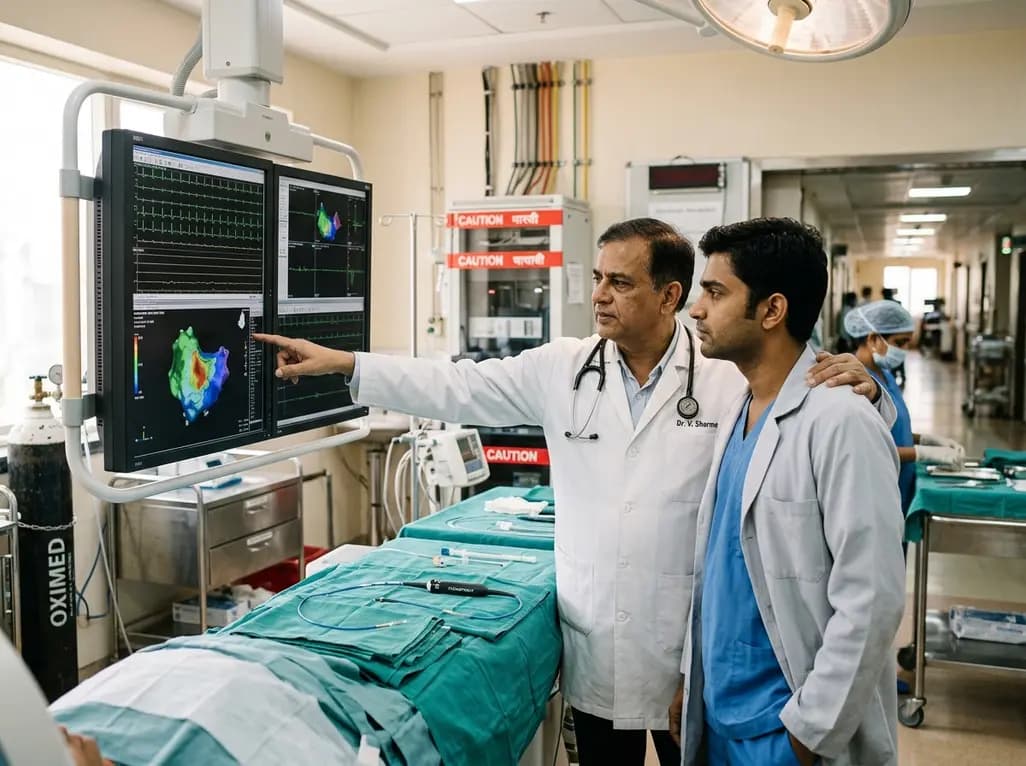
A pioneering study highlights the first United States experience using the FARAPOINT focal pulsed-field ablation catheter for refractory ventricular tachycardia. The catheter achieved complete acute non-inducibility across tested patients without procedural complications, marking a milestone in ventricular ablation.
Today
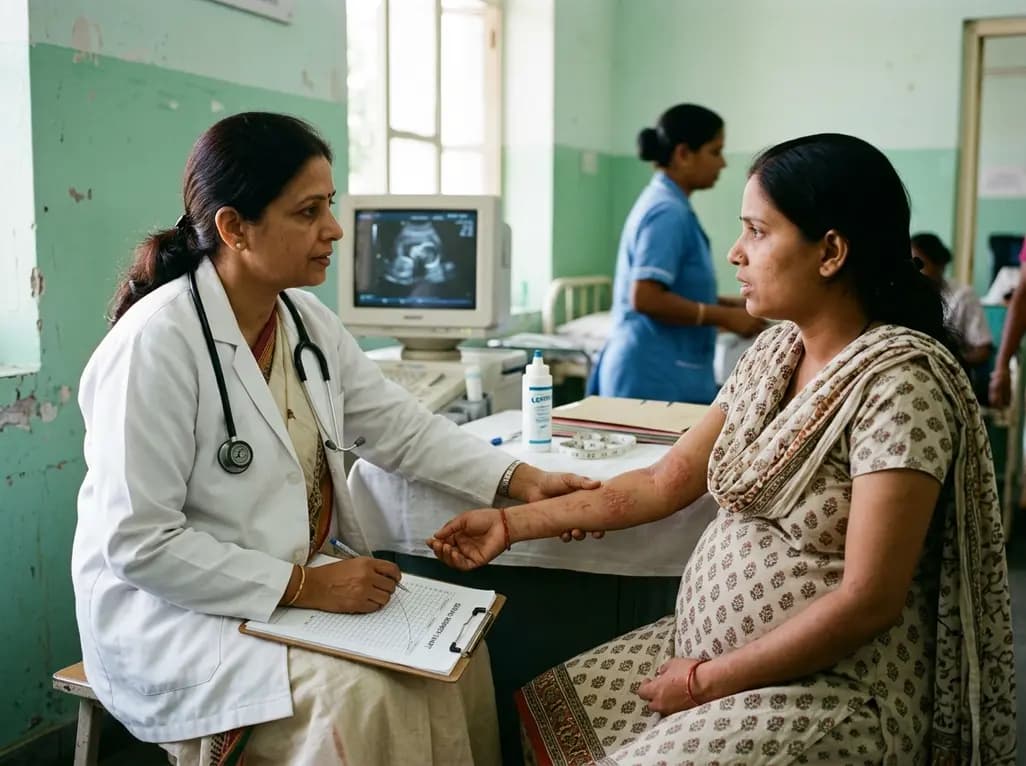
A comprehensive meta-analysis of over 278,000 women demonstrates that maternal atopic dermatitis significantly increases risks of premature rupture of membranes and low birth weight. Discover essential clinical insights on disease mechanisms, serial antenatal growth monitoring, and safe therapeutic interventions.
Today
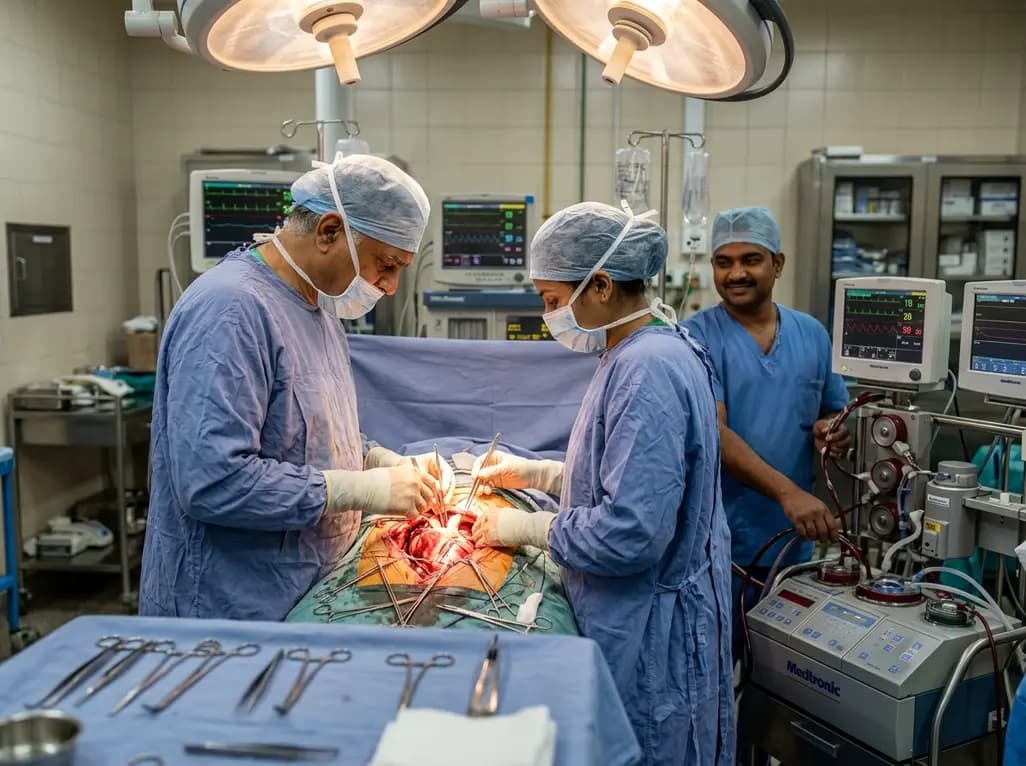
Managing destructive Citrobacter koseri endocarditis with aortocavitary fistula requires meticulous antiplatelet bridging, extensive debridement, and complex redo aortic root and RVOT reconstruction.
Today
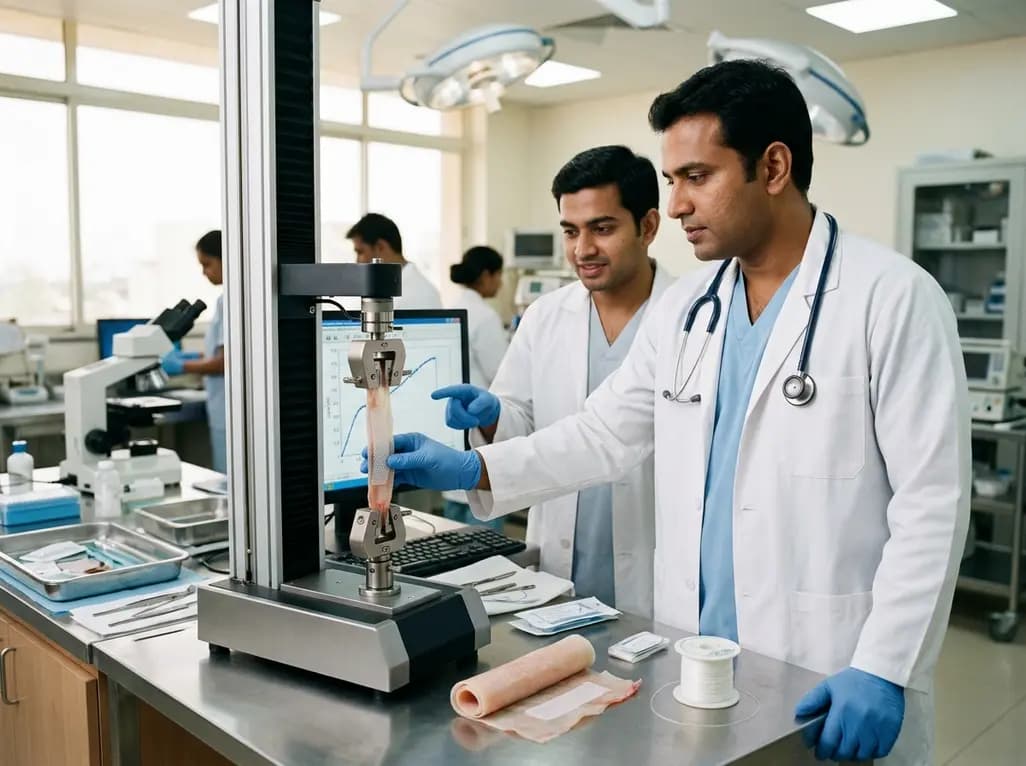
A biomechanical study shows that augmenting thin fascia lata grafts with a reinforced polyester patch doubles ultimate tensile strength and stiffness, matching the performance of thick grafts for superior capsule reconstruction while reducing donor-site morbidity.
Today
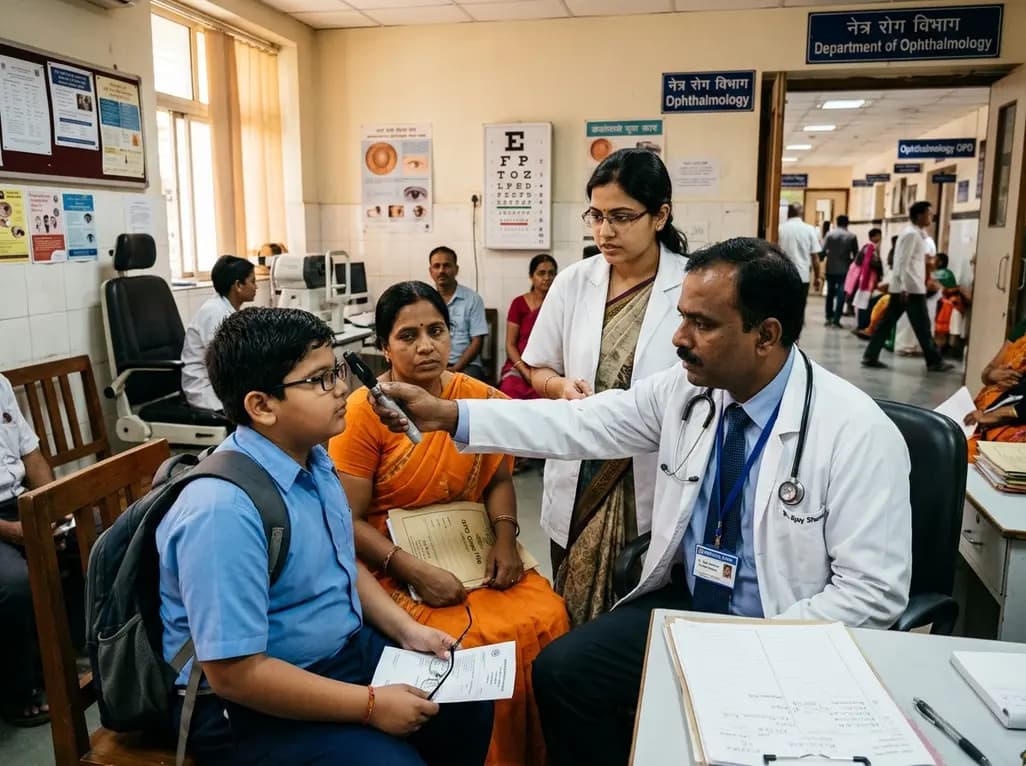
A cross-sectional study reveals that elevated METS-IR is independently associated with higher myopia odds in adolescents, showing biological synergy with obesity and highlighting the need for metabolic screening in pediatric eye care.
Today
