.webp&w=384&q=75)

Loading, please wait...
Loading, please wait...

Traumatic head injuries represent a substantial public health issue across modern emergency medical systems. Although clinicians often categorize a concussion as a minor trauma, mild traumatic brain injury can cause persistent cognitive, physical, and emotional challenges. Historically, outpatient evaluations rely on conventional functional recovery metrics or acute symptom checklists. However, these tools frequently overlook subtle difficulties that hinder an individual from fully re-engaging in community life. Recent longitudinal evidence emphasizes that evaluating long-term participation offers critical insight into actual social and vocational recovery.
Following mild traumatic brain injury, most individuals anticipate a prompt and complete recovery. Nevertheless, a substantial subgroup of patients continues to face chronic difficulties that disrupt everyday life. Standard medical assessments typically employ the Glasgow Outcome Scale Extended to determine functional outcomes. While this metric identifies severe dependence, it fails to capture nuanced lifestyle restrictions among independent adults. In contrast, participation measures assess how individuals actively fulfill social, occupational, and domestic roles.
To investigate these outcomes, investigators conducted a prospective, longitudinal, multicenter cohort study over twelve months. The research team evaluated one hundred forty adults with brain injuries alongside one hundred forty-four orthopedic controls. By comparing head-injured adults to non-head trauma controls, the study successfully accounted for baseline injury distress. Consequently, the researchers isolated injury-specific neurological deficits from general musculoskeletal limitations. The study utilized the Utrecht Scale for Evaluation and Rehabilitation-Participation to assess objective frequency and satisfaction. Ultimately, this comprehensive evaluation demonstrated that clinical recovery extends far beyond gross physical independence.
At twelve months post-injury, researchers identified notable differences between the cohorts. Specifically, adults with mild traumatic brain injury demonstrated significantly lower objective participation scores than orthopedic controls. These patients participated less often in productive work, domestic chores, social events, and recreational activities. In contrast, the groups showed no significant differences in subjective participation restrictions or overall life satisfaction. Furthermore, global functional outcome scores remained essentially identical between both cohorts on standard functional scales.
These findings suggest that patients often adapt psychologically to their diminished capabilities over time. Because individuals recalibrate their daily routines, they frequently report acceptable personal satisfaction despite objective lifestyle constriction. However, thirty-eight percent of patients with head injuries reported multiple persistent symptoms on the Rivermead Post-Concussion Symptoms Questionnaire. Additionally, nineteen percent experienced an unfavorable outcome on participation restrictions, whereas only six point five percent showed unfavorable global functional scores. Therefore, relying exclusively on conventional disability scales conceals significant long-term impairment. Clinicians must recognize that superficial functional independence often coexists with marked objective social reduction.
The persistence of post-concussion symptoms explains much of this participation gap. Patients recovering from concussions frequently report chronic fatigue, headaches, dizziness, and executive dysfunction. Consequently, these persistent symptoms undermine an individual's stamina during complex social or professional tasks. When patients attempt full-time employment or crowded social gatherings, sensory overstimulation often precipitates severe cognitive exhaustion. To avoid symptom exacerbations, individuals intentionally curtail extraneous activities and limit interpersonal engagements.
In comparison, patients recovering from orthopedic injuries usually experience progressive functional improvements once skeletal tissues heal. While physical wounds follow predictable healing trajectories, mild neurotrauma involves subtle metabolic and microstructural alterations. Moreover, psychological factors like anxiety and fear of symptom recurrence reinforce activity avoidance behaviors. Because family members and employers observe no visible wounds, they often expect immediate performance recovery. This discrepancy generates emotional distress and discourages patients from seeking appropriate community accommodations. As a result, individuals remain socially restricted despite apparent physical healing.
Modern clinical practice requires improved diagnostic tools to detect lingering participation restrictions. Because conventional neuroimaging rarely displays structural abnormalities after mild injuries, physicians frequently reassure patients prematurely. However, normal magnetic resonance imaging does not confirm functional societal recovery. Therefore, clinicians must incorporate multidimensional evaluation batteries during post-acute follow-up consultations. Standardizing these comprehensive assessments ensures that subtle lifestyle limitations receive timely medical attention.
Specifically, healthcare providers should pair symptom checklists with dedicated participation scales like the Utrecht tool. In addition, doctors must evaluate vocational performance, interpersonal relationships, and leisure frequency during routine appointments. Asking targeted questions regarding workplace stamina and domestic fatigue uncovers hidden impairments that global disability scales completely overlook. Furthermore, screening for comorbid depression, sleep disruption, and anxiety helps clarify symptom etiology. Implementing routine follow-up protocols ensures that persistent symptoms do not lead to permanent workplace withdrawal. Ultimately, thorough assessment establishes the groundwork for tailored outpatient rehabilitation strategies.
Managing prolonged participation difficulties after head trauma demands structured, interdisciplinary care models. Because isolated physical rest often promotes deconditioning and symptom fixation, contemporary guidelines advocate active rehabilitation protocols. For instance, occupational therapists teach effective pacing strategies that prevent debilitating cognitive and physical crashes. Patients learn to allocate mental resources efficiently throughout the working week, sustaining productivity without aggravating headaches or mental exhaustion.
Additionally, cognitive rehabilitation addresses executive dysfunction, working memory deficits, and attention lapses in demanding workplace environments. Neuropsychologists and behavioral therapists provide cognitive behavioral interventions that alleviate injury-related anxiety and catastrophizing. Furthermore, physical therapists supervise graduated cardiovascular exercise, which promotes neuroplastic recovery and improves cerebral blood flow autoregulation. Physicians must also partner with employers to implement gradual return-to-work schedules and workplace accommodations. Such tailored interventions significantly improve functional independence and community integration. Consequently, integrated rehabilitation programs restore objective participation and enhance long-term quality of life for brain injury survivors.
Adults with mild traumatic brain injury often experience a significant decline in objective participation frequency twelve months post-injury. Even when global functional scores appear normal, lingering post-concussion symptoms like fatigue and cognitive strain cause patients to engage less frequently in vocational, social, and domestic activities compared to uninjured controls.
Conventional tools like the Glasgow Outcome Scale Extended focus primarily on gross physical independence and severe disability. Consequently, they lack the sensitivity needed to detect nuanced lifestyle adjustments. High-functioning patients often maintain basic autonomy while quietly sacrificing complex vocational tasks, interpersonal relationships, and community recreational pursuits.
Multidisciplinary rehabilitation combining occupational therapy, structured cognitive pacing, and psychological counseling effectively improves participation. Additionally, clinicians should collaborate with employers to institute gradual return-to-work programs. Proactive monitoring using validated participation scales helps medical teams tailor therapies and prevent long-term social withdrawal or professional failure.
Disclaimer: This content is for informational and educational purposes only. It is not intended to provide medical advice, diagnosis, or treatment. Always consult qualified healthcare providers with any questions regarding personal health or medical conditions. Refer to the latest local and national guidelines for clinical practice.
References

Read summarized clinical updates, watch expert medical content, and earn CME certifications right from your smartphone.
Open your smartphone camera to scan and install.





A 12-month multicenter study shows that adults with mild traumatic brain injury face lower objective participation frequencies than orthopedic trauma controls, despite similar functional scores, highlighting the need for comprehensive rehabilitation.
Today

A new systematic review protocol evaluates how virtual reality immersion levels and game formats—serious versus commercial—influence upper limb functional recovery after stroke, examining motor outcomes and adherence across acute and chronic stages.
Today

A cross-sectional study of over 33 million US live births from 2016 through 2024 reveals a 74% increase in hypertensive disorders of pregnancy. This clinical overview explores demographic drivers, maternal-fetal outcomes, and essential preventive strategies for obstetric practice.
Today
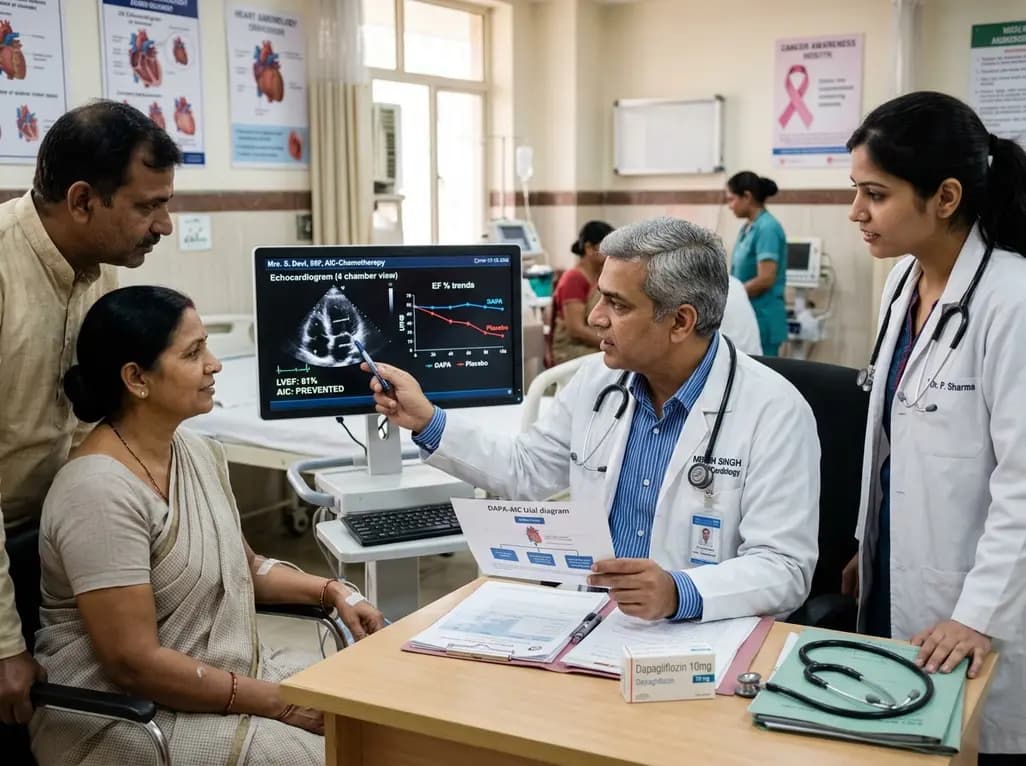
The phase II DAPA-AIC trial demonstrates that dapagliflozin 10 mg daily significantly preserves left ventricular ejection fraction compared to placebo over four months in adults undergoing anthracycline chemotherapy, highlighting a potential preventive strategy in cardio-oncology.
Today

A scoping review reveals severe gaps in long-term assistive technology provision following humanitarian emergencies. Addressing post-disaster rehabilitation requires systematic follow-up, workforce training, and integration into national health systems to sustain mobility and recovery.
Today
A randomized controlled trial investigated whether virtual reality thyroid biopsy reduces procedural pain, anxiety, and fear. While adjusted analyses showed modest pain reduction, unadjusted differences remained statistically insignificant, highlighting the need for larger confirmatory trials.
Today
