.webp&w=384&q=75)

Loading, please wait...
Loading, please wait...

The AKKARE study investigates migration and cognitive aging within the first-generation Kerala American population. This groundbreaking research addresses a critical gap in our understanding of how cultural and environmental shifts influence dementia risk. Since Asian Americans are often grouped together in broad categories, specific health disparities within the Indian diaspora frequently remain hidden. Consequently, researchers have launched this protocol to provide high-quality data on this unique demographic.
Research suggests that migration and cognitive aging are linked through various biological and social pathways. Therefore, the AKKARE study will assess how factors like social relations and vascular health contribute to cognitive decline. Moreover, it examines the unique "immigrant effect" on quality of life and brain health among older adults. Identifying these risk factors helps clinicians develop more targeted intervention strategies for the aging population.
The research team plans to enroll 400 first-generation immigrants from the tri-state area. Furthermore, a subset of participants will undergo advanced neuroimaging and blood tests. These assessments will occur at 12-month intervals over five years. Because the study monitors participants long-term, it provides valuable longitudinal data on aging patterns. In addition, the findings will illuminate how resilience factors mitigate cognitive impairment in this specific group.
Understanding the epidemiology of diseases in the Indian diaspora is vital for global health equity. While the study focuses on Kerala Americans, the results may apply to broader immigrant populations who face similar stressors. Ultimately, this protocol sets the stage for future research into ethnic-specific markers of dementia and mental well-being.
The study aims to examine the positive and negative effects of migration on cognitive health and dementia risk among first-generation Kerala Americans.
Researchers will use a combination of epidemiological data, vascular health markers, blood tests, and neuroimaging to track changes over a five-year period.
By disaggregating data from the broader "Asian American" category, researchers can identify unique cultural and social factors that influence health outcomes in specific Indian communities.
Disclaimer: This content is for informational and educational purposes only. It is not intended to provide medical advice or to be a substitute for professional medical advice, diagnosis, or treatment. Always seek the advice of your physician or other qualified health provider with any questions you may have regarding a medical condition. Refer to the latest local and national guidelines for clinical practice.
References
1. Cotton K et al. Migration Effects on Cognition: Protocol for the Aging in Kerala Americans Research Study. JMIR Res Protoc. 2026 Feb 13. doi: 10.2196/85493. PMID: 41687108.
2. NIH Reporter. 1R01AG084567-01: Aging in Kerala Americans Research Study (AKKARE). 2024.
3. Dasgupta J. Crossing International Borders for Dementia Care: Migrating Indian Families. Global Brain Health Institute. 2024.

Read summarized clinical updates, watch expert medical content, and earn CME certifications right from your smartphone.
Open your smartphone camera to scan and install.





The AKKARE study investigates the impact of migration, culture, and vascular health on cognitive aging among first-generation Kerala Americans....
8 months ago

A multicenter study from Southeastern Türkiye identified rare alpha-1 antitrypsin deficiency variants, including the homozygous Malton genotype, among COPD patients. Half were never-smokers, highlighting the critical need for comprehensive genetic screening beyond common S and Z alleles.
Today
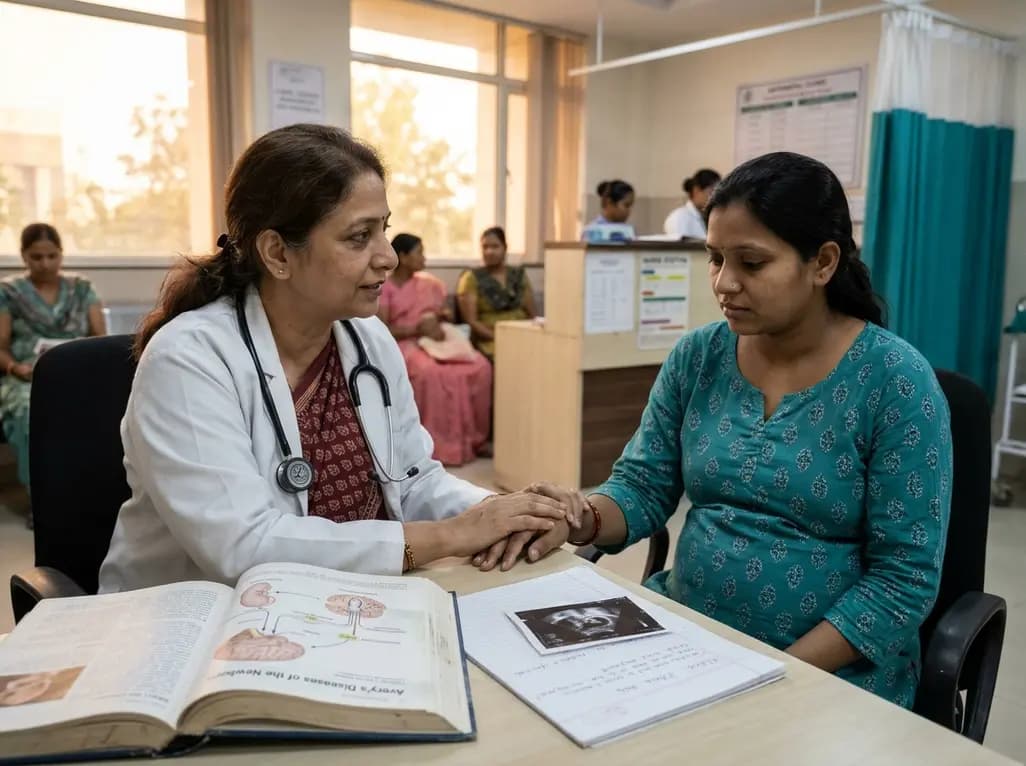
A comprehensive scoping review synthesises evidence linking prenatal maternal mental health to long-term offspring neurodevelopment, evaluating neuroendocrine, inflammatory, and epigenetic pathways while highlighting clinical screening and future research priorities.
Today

The Directorate General of Health Services directs Indian states to halt the hazardous reuse and reprocessing of single-use medical devices. Discover regulatory implications under the Drugs and Cosmetics Act, critical infection risks, legal liabilities, and operational changes required across clinical specialties.
Today
A 25-year multi-institutional cohort reveals high recurrence rates in pediatric giant cell tumor of bone, particularly in patients with open physes and bone marrow edema on preoperative MRI. Early surveillance and careful balance between growth plate preservation and tumor clearance are essential.
Today

India is advancing preventive healthcare by integrating genomics, artificial intelligence, and quantum technologies. With the SANGAM programme sequencing one million Indian genomes, clinicians can unlock personalized therapies, detect cardiometabolic risks early, and curb the burden of diabetes and heart disease.
Today
