.webp&w=384&q=75)

Loading, please wait...
Loading, please wait...

Epigenetic characterization plays a pivotal role in personalizing neuro-oncology treatment. Specifically, MGMT promoter methylation serves as the principal predictive biomarker for responsiveness to alkylating chemotherapy in glioblastoma and lower-grade gliomas. While clinicians routinely assess this marker at initial tissue diagnosis, determining its quantitative dynamics at disease recurrence remains a challenge. New clinical evidence now clarifies whether repeat biomarker testing truly impacts patient management.
The O6-methylguanine-DNA methyltransferase enzyme directly removes mutagenic alkyl groups from the O6 position of guanine. Consequently, active MGMT expression repairs DNA cross-links and creates resistance against temozolomide. However, hypermethylation of CpG islands within the gene promoter transcriptionally silences this repair mechanism. Patients harboring tumors with silenced repair pathways exhibit marked sensitivity to alkylating agents. Therefore, establishing baseline status represents standard practice in modern neuro-oncological care. Historically, clinicians assumed that therapeutic pressure from first-line radiochemotherapy might alter this epigenetic architecture. Emerging evidence indicates that selective pressure could theoretically favor unmethylated clones at relapse. Nevertheless, quantifying these molecular alterations has proven difficult in routine practice because technical assays vary widely between molecular laboratories. In addition, many institutions lack access to high-throughput quantitative sequencing platforms. Thus, oncologists frequently debate whether tumor evolution renders the original baseline biopsy obsolete during subsequent surgical resections.
To determine if tumor biology changes over time, investigators evaluated paired tumor samples from 426 patients with recurrent disease. They analyzed both quantitative methylation percentages and categorical binary classifications across distinct longitudinal time points. Remarkably, the quantitative status remained stable in 84% of tumors between the primary presentation and surgical recurrence. Furthermore, overall numerical shifts in methylation percentage remained remarkably modest across longitudinal observations. Tumors maintaining persistent methylation, as well as those with acquired status shifts, demonstrated significantly longer intervals between surgeries compared to persistently unmethylated tumors. This prolonged temporal gap confirms the favorable natural history associated with epigenetic silencing. Therefore, the findings suggest that the predominant molecular phenotype established at diagnosis typically endures throughout disease progression. In contrast to historical assumptions regarding rapid clonal turnover, real-world data reveal significant epigenetic preservation. Consequently, treating physicians can rely confidently on initial diagnostic markers when formulating salvage treatment pathways.
Approximately 16% of paired samples demonstrated an apparent change in qualitative biomarker status across disease recurrence. However, detailed numerical analyses revealed that most shifts occurred among tumors with baseline values hovering closely around diagnostic cutoffs. Assays establish an artificial binary threshold to categorize continuous biological data. Consequently, minor analytical variations near this arbitrary boundary can misclassify a biologically unchanged tumor. In addition, tumor cellularity and tissue sampling heterogeneity introduce subtle fluctuations in quantitative readouts. Therefore, most reported conversions from methylated to unmethylated status represent assay artifacts rather than true biological dedifferentiation. True epigenetic reprogramming appears relatively uncommon in recurrent gliomas. Furthermore, technical discrepancies between pyrosequencing and methylation-specific polymerase chain reaction can amplify these minor variances. Clinicians must interpret binary reports with caution, particularly when baseline values fall near the detection threshold. Recognizing these technical boundaries helps oncologists avoid misinterpreting minor laboratory shifts as aggressive clonal evolution.
Selecting appropriate salvage chemotherapy remains one of the most demanding tasks in neuro-oncology. In a dedicated multi-institutional cohort of 27 annotated patients, investigators examined how recurrence testing influenced physician choices. Clinicians frequently selected temozolomide rechallenge when tumors demonstrated preserved or newly acquired promoter hypermethylation. For patients experiencing a prolonged progression-free interval after adjuvant therapy, rechallenge offers meaningful disease stabilization with manageable hematologic toxicity. However, administering alkylating agents to truly unmethylated tumors provides negligible benefit while exposing individuals to needless immunosuppression. Thus, accurate molecular assessment prevents the administration of futile treatments. In addition, knowing quantitative values enables clinicians to weigh dose-intensified schedules versus alternative salvage regimens, such as lomustine or clinical trial protocols. Consequently, nuanced molecular evaluations assist multidisciplinary tumor boards in tailoring salvage strategies. Integrating reliable biomarker data thereby optimizes palliative outcomes while preserving quality of life in advanced disease.
Given the high stability rate of 84%, routine repeat testing of every re-resected glioma offers modest incremental value. Unmethylated tumors rarely acquire robust de novo hypermethylation during therapeutic relapse. Therefore, reflexively re-ordering expensive epigenetic assays for every second-look craniotomy may exhaust financial resources without altering clinical plans. Nevertheless, repeat analysis remains justifiable in select clinical situations. Specifically, patients with borderline baseline values benefit from confirmation before doctors dismiss salvage alkylating therapy. Similarly, patients who demonstrate an unexpectedly indolent clinical course despite an initial unmethylated classification deserve re-evaluation. In resource-conscious healthcare settings, avoiding redundant testing minimizes diagnostic expenditure without compromising patient safety. Multidisciplinary teams should carefully review original quantitative pathology before requesting duplicate molecular testing. Ultimately, balancing molecular precision with rational stewardship ensures optimal, patient-centered neuro-oncology care across diverse clinical environments.
Quantitative analysis shows that biomarker status remains unchanged in approximately 84% of recurrent gliomas. The vast majority of tumors preserve their primary epigenetic phenotype over time, indicating high longitudinal stability despite exposure to initial radio-chemotherapy.
Most categorical shifts occur in borderline tumors with baseline values close to the assay threshold. Minor quantitative fluctuations, tissue sampling variations, or technical limits cause artificial binary conversions rather than genuine biological transformation.
Clinicians consider temozolomide rechallenge primarily in patients whose tumors maintain documented promoter hypermethylation and who enjoyed an extended progression-free interval following first-line therapy. Conversely, rechallenge rarely benefits patients with persistently unmethylated tumors.
Disclaimer: This content is for informational and educational purposes only. It is not intended to substitute for professional medical advice, diagnosis, or treatment. Refer to the latest local and national guidelines for clinical practice.
References
Noren H et al. Quantitative stability of MGMT promoter methylation in recurrent glioma and implications for temozolomide rechallenge. J Neurooncol. 2026 Sep 16. doi: 10.1007/s11060-026-05778-y. PMID: 42747707.
Weller M, Tabatabai G, Kästner B, et al. MGMT Promoter Methylation Is a Strong Prognostic Biomarker for Benefit from Dose-Intensified Temozolomide Rechallenge in Progressive Glioblastoma: The DIRECTOR Trial. Clin Cancer Res. 2015;21(9):2057-2064.
Perry JR, Bélanger K, Mason WP, et al. Temozolomide rechallenge in recurrent malignant glioma by using a continuous temozolomide schedule: the 'rescue' approach. Cancer. 2008;113(8):2152-2157.

Read summarized clinical updates, watch expert medical content, and earn CME certifications right from your smartphone.
Open your smartphone camera to scan and install.





A landmark study evaluates paired recurrent glioma samples, demonstrating that MGMT promoter methylation remains quantitatively stable in 84% of cases. Most status shifts reflect borderline assay thresholds, offering practical clarity on repeat biomarker testing and temozolomide rechallenge.
Today
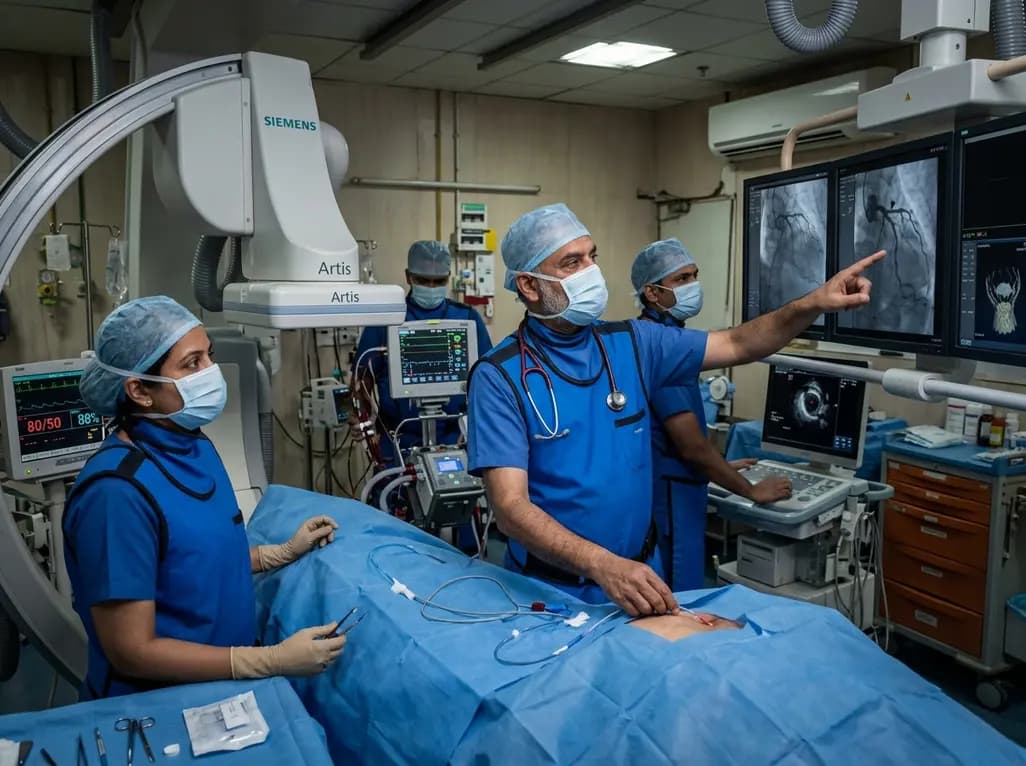
A rare case of acute coronary obstruction during TAVR caused by suspected calcified amorphous tumor embolization underscores the critical role of intracardiac imaging, emergency ECMO, and the paradox of enlarged-aperture valve geometry.
Today

Prelacteal feeding persists in South Asian communities despite known clinical risks. This review examines determinants from Chitral, pathophysiological hazards, and pediatric strategies to eliminate harmful feeds and support exclusive breastfeeding.
Today
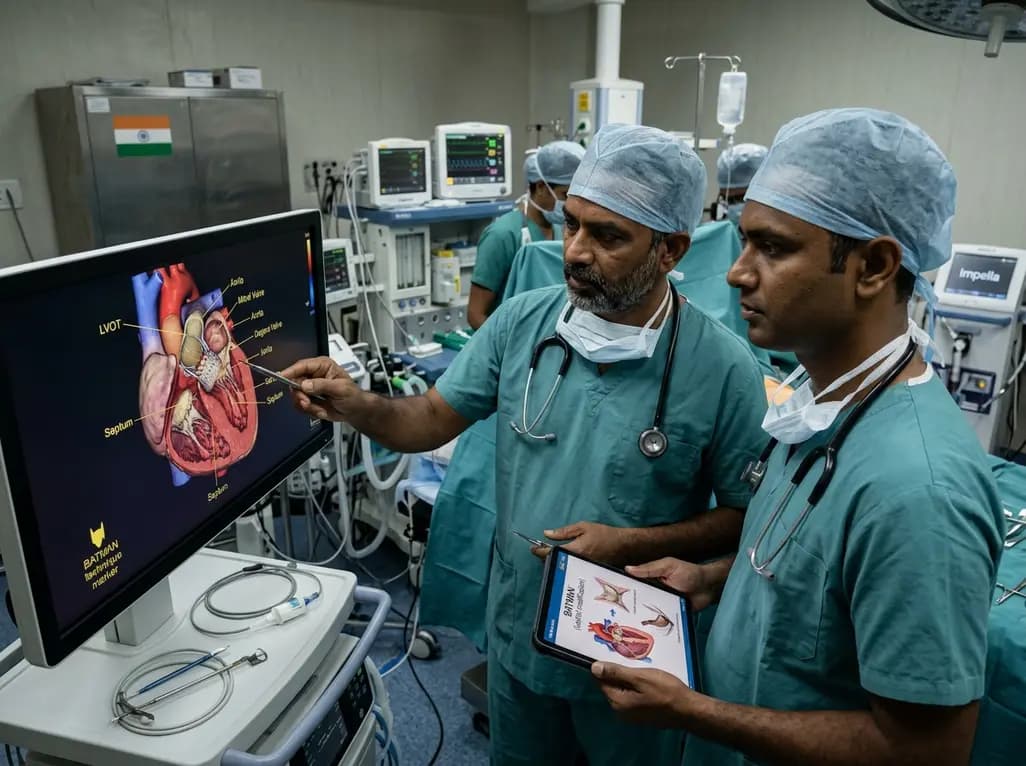
Transcatheter mitral valve replacement in patients with degenerated bioprostheses carries a substantial risk of LVOT obstruction. Combining leaflet modification via the BATMAN technique with mechanical circulatory support offers a viable, life-saving solution for anatomically challenging surgical candidates.
Today

A comparative cohort study demonstrates that patients undergoing total hip arthroplasty after prior hip arthroscopy achieve comparable functional recovery, low complication rates, and equivalent implant survivorship when conversion occurs after six months.
Today

A cross-sectional study of 320 adults evaluated the link between habitual fasting duration and dietary quality using Nutrition Quotient scores, highlighting the clinical necessity of balancing time-restricted eating with nutrient density and meal quality in routine metabolic practice.
Today
