.webp&w=384&q=75)

Loading, please wait...
Loading, please wait...
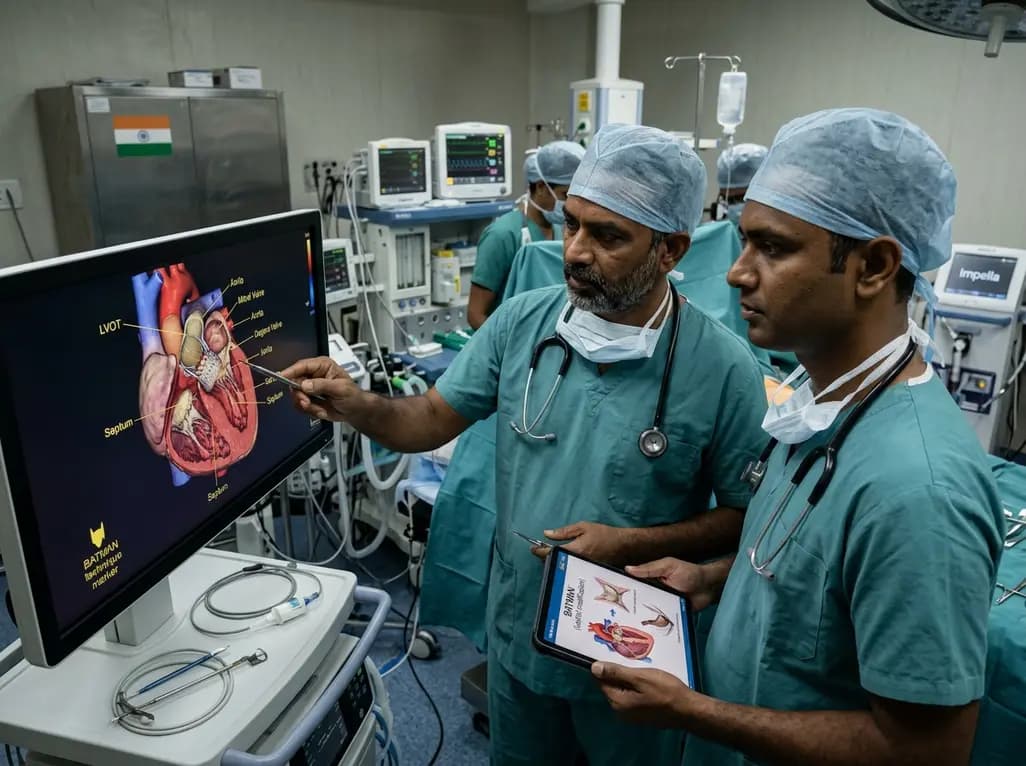
Emerging interventional technologies have revolutionized structural heart interventions over the past decade. Specifically, transcatheter mitral valve replacement provides a viable treatment alternative for patients with failed bioprosthetic valves who face prohibitive surgical risk. However, transcatheter therapies introduce complex anatomical challenges. Left ventricular outflow tract obstruction remains one of the most fatal complications encountered during these advanced procedures.
Left ventricular outflow tract obstruction represents a critical hazard during transcatheter procedures. When interventional teams deploy a rigid transcatheter prosthesis within a degenerated surgical valve, the displaced anterior mitral leaflet flairs toward the interventricular septum. Consequently, this displacement creates a severe anatomical narrowing known as a compromised neo-LVOT. Patients with narrow aortomitral angles, hyperdynamic basal septal hypertrophy, or small left ventricular cavities face the greatest hazard.
Furthermore, acute obstruction precipitates hemodynamic collapse, cardiogenic shock, and severe low-output states. Multimodal computed tomography modeling allows structural heart specialists to calculate the expected residual neo-LVOT cross-sectional area before intervention. If the predicted neo-LVOT falls below critical thresholds, interventionalists traditionally abort the procedure or consider open rescue surgery. Therefore, forward-thinking operators now rely on preemptive procedural strategies to maintain outflow tract patency in vulnerable candidates.
To overcome fixed anatomical limitations, cardiac teams have designed intentional leaflet modification techniques. Intentional laceration and translocation strategies directly alter the anterior leaflet architecture to secure outflow clearance. Among these innovative interventions, balloon-assisted translocation of the anterior mitral leaflet creates a dedicated central fenestration within the anterior tissue.
First, operators puncture the base or mid-body of the anterior leaflet using specialized electrocautery or mechanical needles. Subsequently, teams advance balloon dilators across the puncture site to create a controlled disruption before valve deployment. This deliberate leaflet perforation enables intraleaflet deployment of the balloon-expandable prosthesis. Consequently, the newly implanted frame pins the leaflets laterally rather than pushing an intact curtain into the left ventricular outflow channel. Thus, the modification prevents anterior systolic displacement and protects blood flow across the native outflow tract.
Patients presenting with severe degenerated bioprosthetic mitral stenosis often suffer from concomitant biventricular dysfunction and elevated pulmonary pressures. Under these compromised physiological conditions, rapid pacing bursts and acute balloon inflations induce profound hemodynamic instability. Therefore, proactive mechanical circulatory support plays an indispensable role during complex structural interventions.
Venoarterial extracorporeal membrane oxygenation provides reliable systemic perfusion throughout the entire procedure. Because extracorporeal support stabilizes hemodynamics, interventionalists can manipulate calcified structures deliberately without fear of sudden catastrophic arrest. Furthermore, circulatory bypass unloads the failing left ventricle, which diminishes myocardial oxygen demand during challenging balloon inflations. Once operators successfully deploy the transcatheter valve and confirm hemodynamic stability, they can wean and decannulate mechanical support safely in the hybrid operative suite.
Procedural efficiency and device stability dictate the ultimate success of valve-in-valve transcatheter interventions. Historically, operators positioned temporary transvenous pacing leads into the right ventricle to achieve rapid ventricular pacing. However, right ventricular instrumentation introduces risks of myocardial perforation, pericardial tamponade, and pacing dislodgement.
In contrast, modern structural techniques utilize a dedicated left ventricular pacing guidewire. This specialized wire serves a dual purpose by delivering rapid ventricular pacing while functioning as the primary extra-stiff rail for transcatheter valve tracking. In addition, operators couple this delivery system with a large steerable sheath. The steerable catheter offers exceptional coaxial alignment across the interatrial septum and through heavily calcified bioprosthetic rings. Consequently, precise steerability permits controlled traversal across the perforated leaflet, preventing unintended cardiac trauma and ensuring concentric prosthesis expansion.
The successful execution of complex leaflet modification highlights the indispensable role of a dedicated multidisciplinary heart team. Interventional cardiologists, cardiothoracic surgeons, cardiac anesthesiologists, and imaging specialists must collaborate closely throughout every phase of care. Preoperative four-dimensional computed tomography analysis remains essential to map septal thickness, leaflet excursion, and predicted neo-LVOT areas.
Moreover, intraoperative transesophageal echocardiography delivers real-time anatomical feedback during transseptal puncture, radiofrequency leaflet perforation, and final valve positioning. Clinicians must recognize that balloon-assisted leaflet translocation demands meticulous wire control and procedural discipline. As transcatheter valve technologies advance, integrating mechanical circulatory support with targeted leaflet modification expands therapeutic eligibility to patients once deemed entirely untreatable. Ultimately, standardized procedural protocols and systematic simulation will help replicate these outstanding technical outcomes across tertiary cardiovascular centers worldwide.
During transcatheter mitral replacement, the expanding metal frame pushes the native or prosthetic anterior mitral leaflet toward the interventricular septum. This anterior displacement drastically reduces the neo-LVOT cross-sectional area. Consequently, systolic blood flow becomes severely obstructed, precipitating abrupt hemodynamic compromise, reduced cardiac output, and pulmonary congestion.
The balloon-assisted translocation technique punctures and dilates a wide opening directly through the anterior mitral leaflet tissue. Operators then deploy the transcatheter valve inside this created fenestration. Because the prosthetic stent expands through the leaflet, it anchors tissue laterally, preventing the anterior leaflet from swinging into the left ventricular outflow tract.
A left ventricular pacing wire provides rapid ventricular pacing directly through the primary delivery rail. Therefore, operators avoid placing a separate pacing lead into the fragile right ventricle. This strategic approach minimizes ventricular perforation risks, reduces procedural steps, and preserves optimal wire stability during accurate transcatheter valve deployment.
Disclaimer: This content is for informational and educational purposes only... Refer to the latest local and national guidelines for clinical practice.
References
Bashir H et al. Prevention of Left Ventricular Outflow Tract Obstruction During High-Risk Transcatheter Mitral Valve Replacement. JACC Case Rep. 2026 Sep 17. doi: undefined. PMID: 42752081.
Tiwana J, et al. Balloon-assisted translocation of the mitral anterior leaflet to facilitate native mitral replacement. EuroIntervention. 2025;21:e1-e3.
Monaco F, et al. How Would We Treat Our Own Left Ventricular Outflow Tract Obstruction in Transcatheter Mitral Valve Replacement? J Cardiothorac Vasc Anesth. 2025;39(6):1450-1462.

Read summarized clinical updates, watch expert medical content, and earn CME certifications right from your smartphone.
Open your smartphone camera to scan and install.





Transcatheter mitral valve replacement in patients with degenerated bioprostheses carries a substantial risk of LVOT obstruction. Combining leaflet modification via the BATMAN technique with mechanical circulatory support offers a viable, life-saving solution for anatomically challenging surgical candidates.
Today
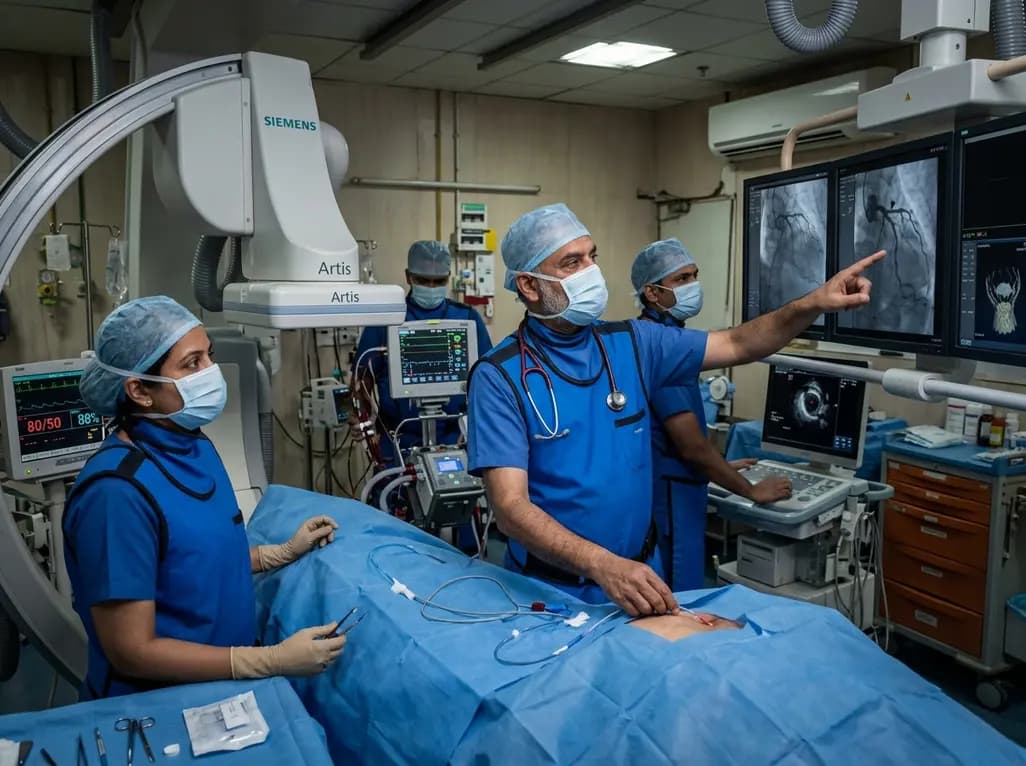
A rare case of acute coronary obstruction during TAVR caused by suspected calcified amorphous tumor embolization underscores the critical role of intracardiac imaging, emergency ECMO, and the paradox of enlarged-aperture valve geometry.
Today

A bibliometric study maps global research on intimate partner violence during COVID-19, revealing a 17.08% publication growth rate and motor themes of mental health and social support. Clinicians require trauma-informed screening and systemic crisis preparedness to protect vulnerable women during ongoing crises.
Today

Piezoelectric amino acids and peptides convert mechanical stress into bioelectric cues. By mimicking endogenous electrical fields, these biodegradable biomaterials advance tissue regeneration, biosensing, antimicrobial therapy, and targeted oncology without leaving toxic residues.
Today

A cross-sectional study of 320 adults evaluated the link between habitual fasting duration and dietary quality using Nutrition Quotient scores, highlighting the clinical necessity of balancing time-restricted eating with nutrient density and meal quality in routine metabolic practice.
Today
