.webp&w=384&q=75)

Loading, please wait...
Loading, please wait...

Merck Healthcare R&D India recently signed a Memorandum of Understanding (MoU) with the Manipal Academy of Higher Education (MAHE). This partnership aims to cultivate high-quality healthcare R&D talent by bridging the gap between academic learning and industry needs. Furthermore, the collaboration will provide students with the practical skills required to succeed in a real-world research environment. Consequently, this initiative helps build a future-ready workforce for the Indian healthcare sector.
The centerpiece of this collaboration is the launch of the Catalyst Program at MAHE. This initiative offers a structured three-month training curriculum. Merck professionals will lead expert sessions, providing hands-on learning and deep domain insights. Therefore, students will gain exposure to critical fields like pharmacovigilance and regulatory affairs. Additionally, the program leverages MAHE\'s interdisciplinary strengths across life sciences and health domains to maximize impact.
Suneela Thatte, Vice President of Merck Healthcare R&D India, emphasized the importance of this link. She noted that academic excellence must align with industry relevance to prepare students for professional careers. Moreover, Merck has already seen positive results from similar partnerships with JSS Academy and Dayananda Sagar University. This move reinforces Merck\'s commitment to building a sustainable pipeline of researchers in India. The program ultimately seeks to empower students with global standard expertise.
Q1: What is the primary objective of the Catalyst Program?
The Catalyst Program aims to bridge the gap between classroom learning and industry requirements. It equips students with practical skills and hands-on exposure to real-world R&D environments.
Q2: How long is the training duration for students?
The program is a structured three-month initiative led by professionals from Merck Healthcare R&D India.
Q3: Which academic domains does the program draw upon?
The initiative utilizes MAHE’s interdisciplinary strengths in health sciences, life sciences, and various allied domains to provide a comprehensive learning experience.
Disclaimer: This content is for informational and educational purposes only. It does not constitute medical advice or replace professional judgment. Refer to the latest local and national guidelines for clinical practice.
References

Read summarized clinical updates, watch expert medical content, and earn CME certifications right from your smartphone.
Open your smartphone camera to scan and install.





Merck India and MAHE launch the Catalyst Program, a three-month training initiative designed to bridge the gap in healthcare R&D talent and industry skills....
6 months ago
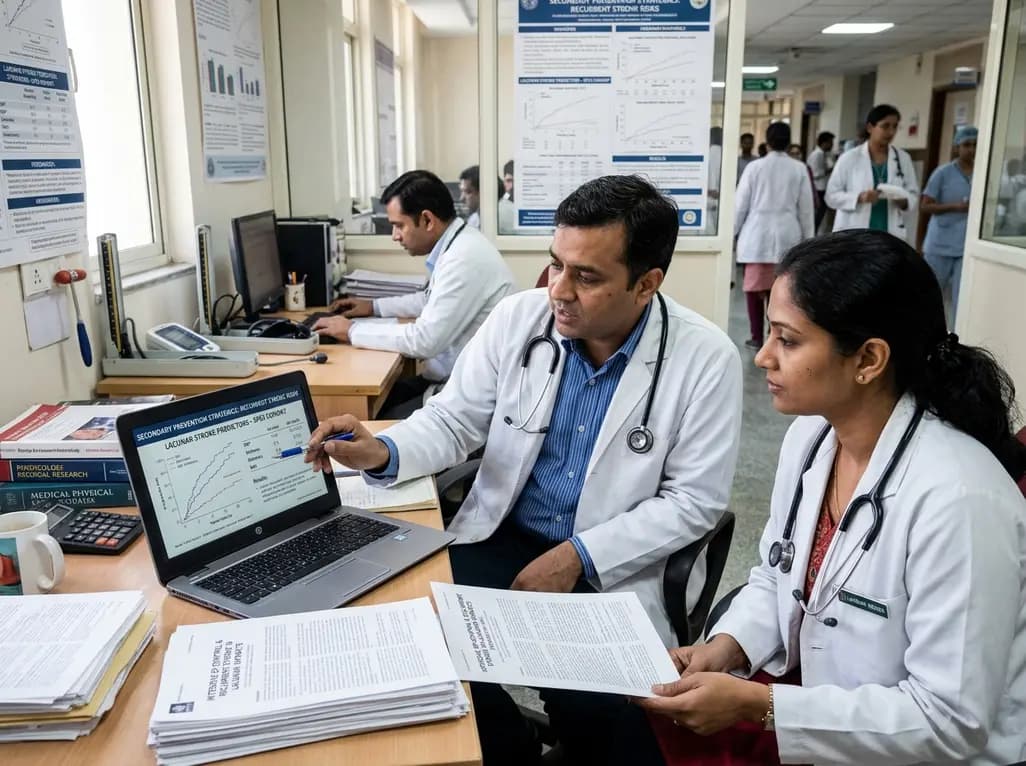
Explore vital recurrent stroke predictors in lacunar stroke patients managed with intensive blood pressure lowering. This analysis examines trial findings from SPS3 to uncover residual vascular risks, metabolic factors, and targeted secondary prevention strategies for high-risk neurological patients.
Today

A comprehensive scoping review synthesises evidence linking prenatal maternal mental health to long-term offspring neurodevelopment, evaluating neuroendocrine, inflammatory, and epigenetic pathways while highlighting clinical screening and future research priorities.
Today
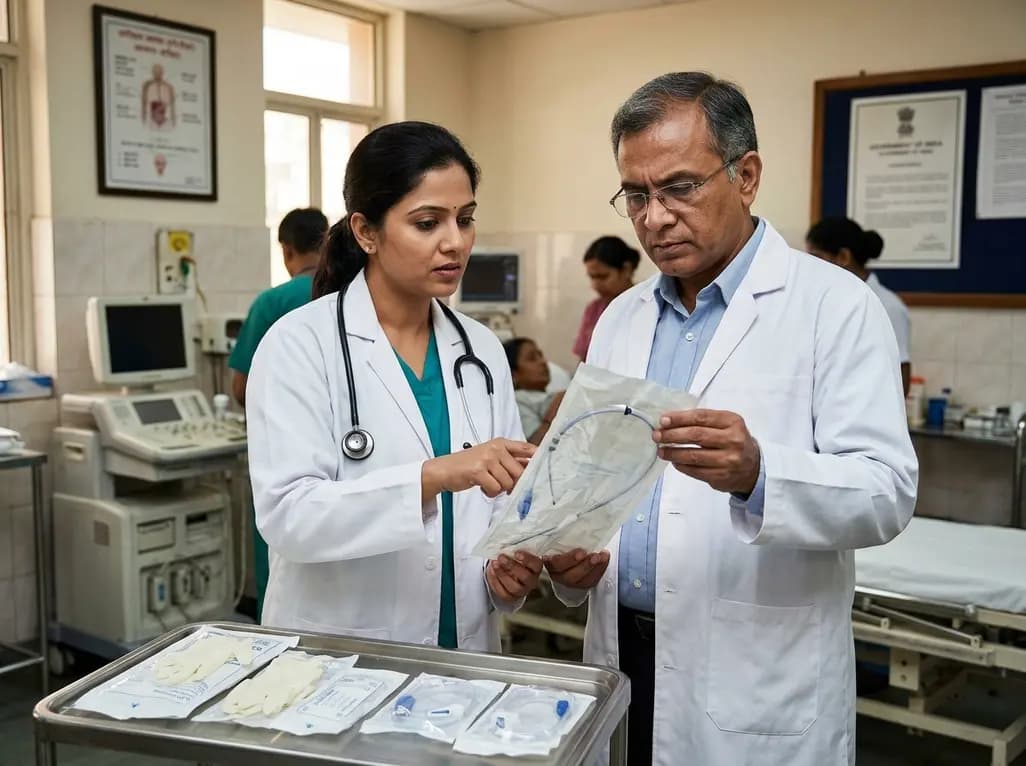
The Directorate General of Health Services directs Indian states to halt the hazardous reuse and reprocessing of single-use medical devices. Discover regulatory implications under the Drugs and Cosmetics Act, critical infection risks, legal liabilities, and operational changes required across clinical specialties.
Today
Mitochondria-targeted nanoparticles self-assembled from EGCG and L-glutamic acid effectively restore mitochondrial homeostasis, suppress synovial inflammation, and attenuate chondrocyte senescence in osteoarthritis, offering a promising disease-modifying nanotherapy.
Today

India is advancing preventive healthcare by integrating genomics, artificial intelligence, and quantum technologies. With the SANGAM programme sequencing one million Indian genomes, clinicians can unlock personalized therapies, detect cardiometabolic risks early, and curb the burden of diabetes and heart disease.
Today
