.webp&w=384&q=75)

Loading, please wait...
Loading, please wait...

Medical device input costs in India have surged significantly due to the ongoing West Asia conflict and the near-effective blockade of the Strait of Hormuz. Consequently, the Association of Indian Medical Device Industry (AiMeD) has formally petitioned Commerce and Industry Minister Piyush Goyal for urgent intervention. They are requesting temporary customs duty rebates to maintain the affordability of essential healthcare products across the country.
The prolonged blockade of the Strait of Hormuz has disrupted a critical shipping route for the entire industry. Furthermore, these disruptions have led to unprecedented price hikes for key raw materials and energy inputs. Initially, manufacturers managed shipment delays using buffer stocks during the first few weeks. However, continued instability now threatens production slowdowns and exposes the industry to opportunistic pricing by suppliers.
Specifically, prices for critical plastics used in medical disposables have risen by 50% since the conflict began. Packaging materials also show a significant increase of over 20%. Moreover, the expanding energy crisis has led to a doubling of Adani PNG gas prices. Many facilities rely on this gas for process heating and power, making these increases particularly burdensome.
To absorb these growing expenses, the industry lobby seeks a temporary three-month customs duty rebate. Specifically, they propose a 2.5% rebate on raw material imports and a 5% rebate on components. Such measures could help domestic manufacturers offset rising costs without passing the burden to hospitals or patients. Additionally, experts emphasize the need to safeguard production timelines to prevent potential shortages of items like syringes and catheters.
Q1: Why are medical device manufacturers in India seeking duty refunds?
Manufacturers are seeking rebates to offset the sharp rise in production expenses caused by shipping disruptions and energy price hikes during the West Asia conflict.
Q2: Which materials have seen the highest price increases?
Prices for critical plastics used in disposables have surged by 50%, while packaging materials have increased by over 20% due to supply chain strain.
Q3: How has the energy crisis affected medical device manufacturing?
Curtailed commercial gas supplies have caused PNG gas prices to double, directly impacting process heating and captive power generation at manufacturing facilities.
Disclaimer: This content is for informational and educational purposes only. It does not constitute medical advice or replace professional judgment. Refer to the latest local and national guidelines for clinical practice.
References

Read summarized clinical updates, watch expert medical content, and earn CME certifications right from your smartphone.
Open your smartphone camera to scan and install.





The Indian medical device industry seeks customs duty rebates to offset rising input costs and shipping delays caused by the West Asia conflict....
6 months ago

A recent study demonstrates that spinal oxygen sensors do not require mitochondrial electron transport to trigger sympathetic excitation during acute hypoxia, revealing new insights into how mitochondrial oxidative stress modulates autonomic tone in cardiovascular and neurological diseases.
Today
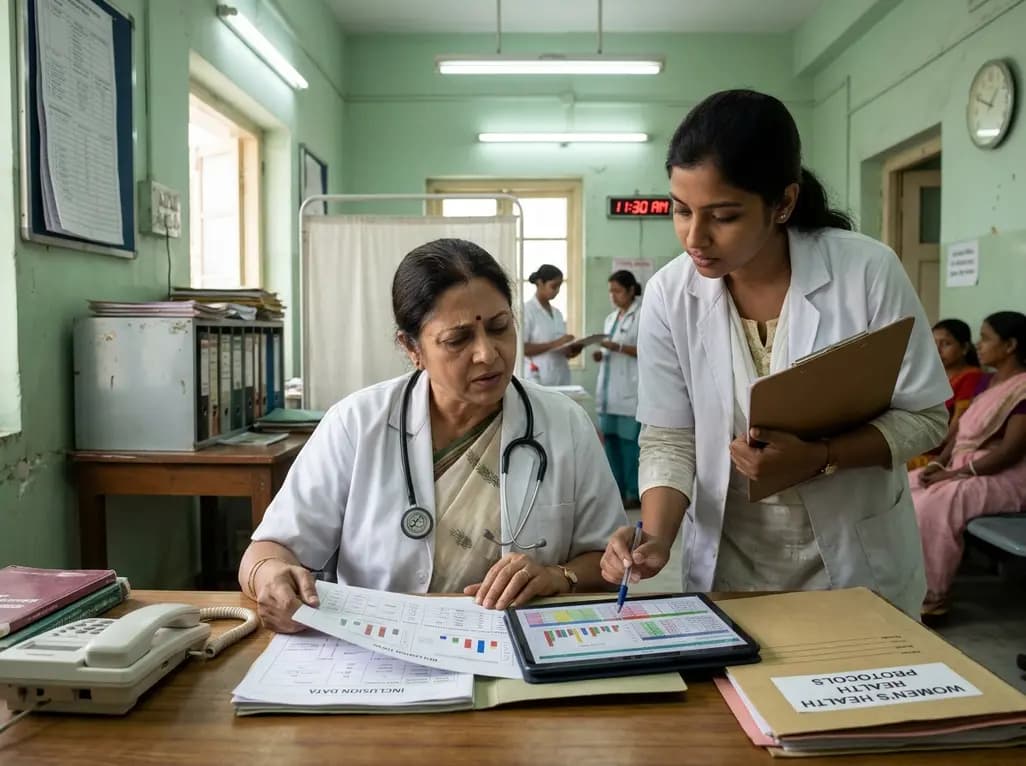
Demanding exhaustive hormonal profiling can inadvertently discourage clinical studies involving females. Methodological standards must align with the specific scientific question to expand, not restrict, equitable evidence for women.
Today

The Directorate General of Health Services directs Indian states to halt the hazardous reuse and reprocessing of single-use medical devices. Discover regulatory implications under the Drugs and Cosmetics Act, critical infection risks, legal liabilities, and operational changes required across clinical specialties.
Today

A novel calcium polyphosphate coacervate enables injectable bone implants with in situ hierarchical porosity via phase separation and gas foaming, significantly enhancing cell proliferation, energy metabolism, and osteogenic differentiation for minimally invasive bone defect repair.
Today

Following regulatory scrutiny from FSSAI regarding promotional representations and lean muscle preservation claims, Dr. Reddy's Laboratories and Nestlé Health Science are currently reviewing the branding and marketing strategy for their joint nutritional supplement Celevida GLP+.
Today
