

Loading, please wait...
Loading, please wait...
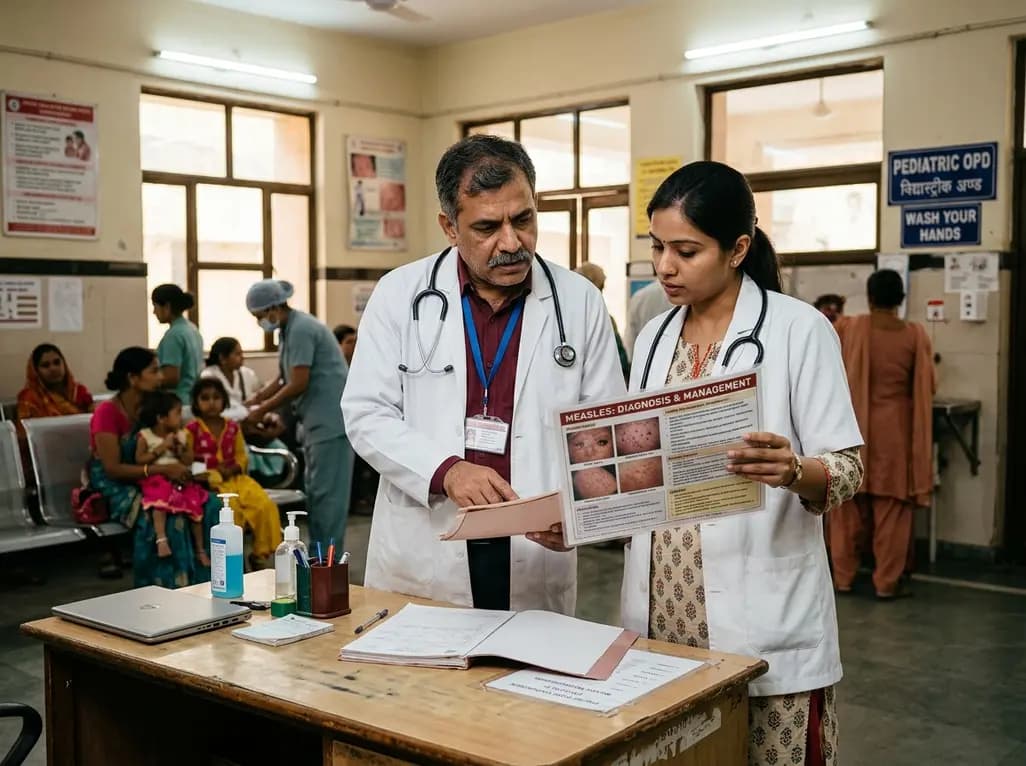
Recent surveillance updates indicate that infectious disease teams are confronting an unprecedented measles outbreak resurgence across multiple health systems. In Pennsylvania, confirmed cases have surged past 1,500 individuals, marking the state's most acute transmission surge in decades. Furthermore, federal health surveillance recorded over 5,100 nationwide cases, representing the highest annual tally documented since 1991. The vast majority of affected patients remain unvaccinated or possess an unverified vaccination status. Consequently, secondary transmission chains are stressing regional pediatric emergency services and outpatient clinics. For primary care physicians, pediatricians, and infectious disease specialists worldwide, these metrics underscore the critical need for rapid recognition and aggressive infection control.
The contemporary measles outbreak resurgence illustrates the acute fragility of population-level herd immunity. Measles virus is among the most contagious human pathogens, carrying an estimated basic reproduction number between 12 and 18. Consequently, maintaining interrupted viral transmission demands sustained community two-dose immunization coverage exceeding 95 percent. When localized vaccination rates fall below this protective benchmark, imported infections quickly trigger exponential household and institutional spread. Indeed, state health analyses reveal that fewer than one percent of infected individuals were fully vaccinated.
Additionally, while pediatric patients under 18 years of age accounted for one-third of reported cases, adult infections remain substantial. This age distribution demonstrates that non-immune adults who missed routine childhood immunizations are equally susceptible to high-intensity transmission. Furthermore, public health commissions are currently assessing whether national elimination status can withstand these persistent transmission chains. Clinicians in every practice setting must therefore anticipate measles exposures within routine clinical encounters. Sustained vigilance is essential to protect medically vulnerable cohorts who cannot receive live-attenuated vaccines.
Rapid bedside diagnosis begins with identifying the classic prodromal phase before pathognomonic manifestations emerge. Typically, patients experience a steep temperature rise alongside the classic triad of cough, coryza, and conjunctivitis. During this catarrhal stage, individuals often complain of severe photophobia and malaise. Furthermore, astute clinicians should carefully inspect the buccal mucosa opposite the lower molars for Koplik spots. These tiny, blue-white ulcerations upon an erythematous base generally precede the cutaneous exanthem by one to two days. Recognizing these mucosal lesions provides an invaluable window for prompt patient isolation.
Subsequently, the characteristic maculopapular rash appears around the fourth day after symptom onset. The exanthem typically begins along the hairline and behind the auricular margins before spreading cephalocaudally across the trunk and extremities. In severe cases, individual lesions coalesce into confluent erythematous plaques that blanch under pressure. However, practitioners must remember that atypical presentations can occur in malnourished or immunocompromised hosts. Therefore, clinical suspicion warrants rapid confirmation via real-time reverse transcription polymerase chain reaction throat swabs alongside serum measles-specific IgM assays.
Healthcare facilities face immense vulnerability to secondary transmission during high-volume regional surges. Measles virions remain infectious in ambient suspended air droplets for up to two hours after a contagious person departs. Consequently, triage staff must identify rash illnesses before patients enter crowded waiting rooms. Health facilities should establish immediate masking protocols and route suspected cases into negative-pressure airborne infection isolation rooms. If an isolation room is unavailable, personnel should place the patient in a closed examination room with independent exhaust ventilation.
Furthermore, medical directors must verify the presumptive immunity status of all clinical and administrative personnel. Hospital staff should document two doses of measles-containing vaccine or demonstrate positive laboratory serology. Susceptible healthcare personnel exposed to confirmed cases require immediate post-exposure exclusion from duty until day 21 post-exposure. In addition, post-exposure prophylaxis with the measles vaccine within 72 hours, or human normal immunoglobulin within six days, can substantially mitigate infection risk. Executing strict institutional barriers effectively prevents catastrophic nosocomial outbreaks among vulnerable inpatients.
Clinical management of measles remains primarily supportive, focusing on oxygenation, hydration, and active surveillance for secondary bacterial infections. However, the World Health Organization strongly advises immediate therapeutic vitamin A administration for all confirmed measles patients upon diagnosis. Clinicians should administer age-appropriate oral doses on two consecutive days to restore epithelial integrity and modulate cellular immunity. This cost-effective intervention demonstrably decreases measles-associated mortality, ocular damage, and pneumonia incidence.
Moreover, physicians must proactively screen for life-threatening respiratory and neurological sequelae. Approximately one in five infected individuals in recent outbreaks required inpatient hospitalization for severe dehydration, hypoxia, or bacterial superinfections. Acute bronchopneumonia represents the leading cause of measles-associated pediatric mortality. Similarly, physicians must monitor patients closely for acute post-infectious encephalitis, which can result in long-term neurological disability. Even years following recovery, viral persistence can provoke subacute sclerosing panencephalitis. Prompt recognition and supportive therapy are indispensable in minimizing acute mortality and enduring morbidity.
Resolving recurrent outbreaks requires bridging profound immunization gaps through empathetic, evidence-based clinician-patient communication. Studies consistently show that personal recommendations from trusted primary care physicians remain the most effective catalyst for overcoming vaccine hesitancy. Clinicians should listen actively to parental anxieties without judgment while clearly explaining the severe risks of wild-type measles disease. Emphasizing that modern vaccines provide over 97 percent protection after two doses fosters confidence and improves overall uptake.
Additionally, robust public health engagement requires rapid mandatory reporting of suspected cases to local epidemiological surveillance units. Immediate reporting allows field epidemiologists to initiate contact tracing, quarantine susceptible contacts, and administer timely post-exposure prophylaxis. Frontline practitioners must collaborate closely with public immunization initiatives to organize targeted catch-up drives in under-vaccinated neighborhoods. Ultimately, sustaining high population coverage represents the only definitive barrier against viral resurgence. Through relentless clinical vigilance and advocacy, healthcare providers safeguard community health against this preventable pathogen.
Q1: What are the primary diagnostic indicators that distinguish measles during its initial prodromal stage?
Measles typically presents with a high remittent fever paired with the classic triad of cough, coryza, and conjunctivitis. Furthermore, clinicians can often detect Koplik spots on the buccal mucosa opposite the lower molars. These discrete, bluish-white spots appear before the generalized maculopapular exanthem spreads cephalocaudally down the torso.
Q2: Why is the routine administration of vitamin A indicated for acute measles management?
Measles infection significantly depletes endogenous vitamin A stores, which impairs mucosal integrity and blunts host cell-mediated immune responses. Therefore, administering two consecutive age-appropriate doses of oral vitamin A restores systemic epithelial defenses. This standard therapeutic strategy substantially reduces the risk of blindness, severe secondary bacterial pneumonia, and overall measles-related mortality.
Q3: How long do measles aerosol particles remain infectious within a clinical examination room?
Measles viral particles can remain suspended and fully infectious in ambient air for up to two hours after an infected individual exits the space. Consequently, clinics must maintain strict airborne precautions, implement negative-pressure isolation, and leave vacated exam rooms unoccupied for adequate air exchanges before permitting susceptible individuals to enter.
Disclaimer: This content is for informational and educational purposes only. It does not constitute medical advice or replace professional judgment. Refer to the latest local and national guidelines for clinical practice.
References

Read summarized clinical updates, watch expert medical content, and earn CME certifications right from your smartphone.
Open your smartphone camera to scan and install.





With Pennsylvania reporting over 1,500 measles infections and national tallies reaching multi-decade highs, clinicians face critical diagnostic and prevention challenges. Review essential insights on identifying prodromal stages, isolating patients, avoiding nosocomial spread, and countering immunization gaps.
Today
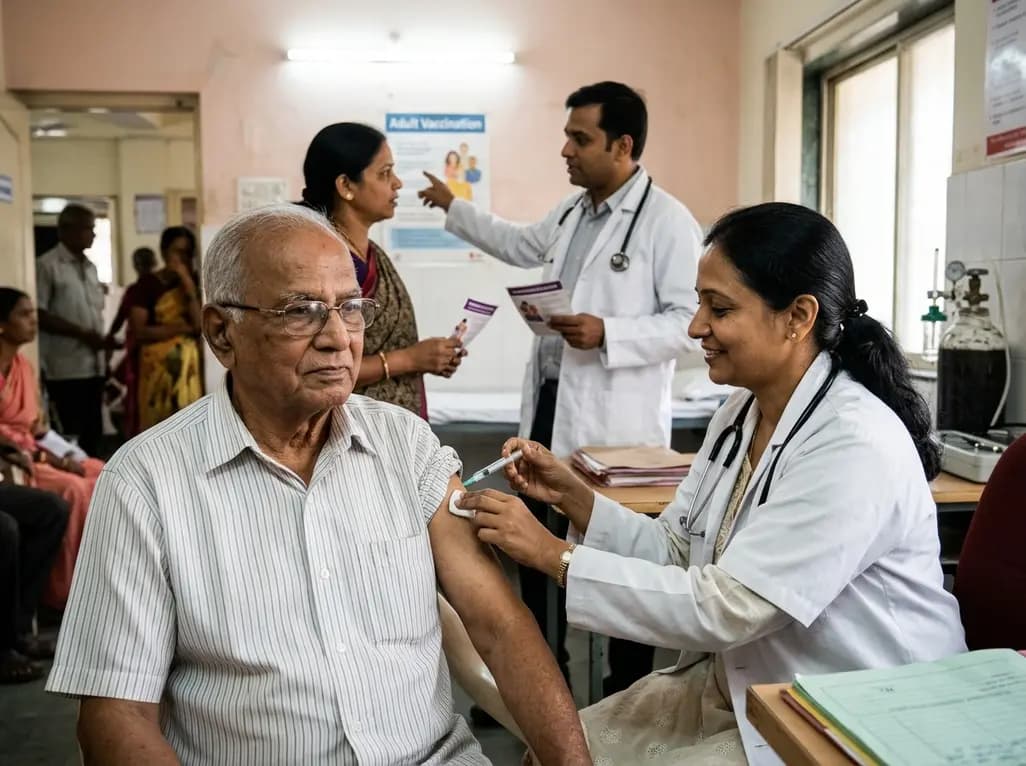
Despite proven efficacy in preventing severe morbidity and mortality, adult immunization coverage among Indian seniors remains below two percent. Pulmonologists and geriatricians urge widespread adoption of seasonal influenza, pneumococcal conjugate, and recombinant zoster vaccines to curb preventable hospitalizations.
Today

An intracranial EWSR1::CREM fusion sarcoma in a 31-year-old female manifested as a paraneoplastic inflammatory syndrome with anemia and secondary infertility. The dural mass mimicked meningioma, but gross-total resection resolved her systemic inflammation and restored natural fertility within one month.
Today

The DOMINO study protocol presents a multidisciplinary implementation mapping approach to overcome provider, patient, and payer barriers to antiobesity medications, offering vital insights for Indian clinicians managing the growing diabesity burden.
Today

A comprehensive analysis of MAP therapy resistance in osteosarcoma, examining canonical and non-canonical mechanisms across damage avoidance, enhanced DNA repair, and replication stress tolerance to identify novel vulnerabilities.
Today

Near-infrared autofluorescence provides real-time label-free optical guidance during endoscopic transsphenoidal pituitary surgery. By highlighting stark signal contrasts between normal pituitary gland and adenomas, this technique aids gross-total tumor resection while safeguarding critical endocrine function.
Today
