

Loading, please wait...
Loading, please wait...

Osteosarcoma represents the most common primary malignant bone tumor diagnosed in children, adolescents, and young adults. For more than four decades, standard curative management has relied on intensive multi-agent chemotherapy coupled with limb-salvage surgical resection. Specifically, the standard-of-care protocol combines high-dose methotrexate, doxorubicin, and cisplatin, universally termed the MAP regimen. This multimodal therapeutic strategy successfully yields five-year survival rates approaching seventy percent for patients presenting with localized primary disease. However, patients presenting with upfront metastatic dissemination, chemoresistant relapses, or recurrent pulmonary nodules experience dismal survival rates below twenty-five percent. Intrinsic and acquired MAP therapy resistance constitutes the primary biological obstacle driving these clinical failures. Recent scientific investigations demonstrate that treatment failure is rarely driven by single druggable oncogenic mutations. Instead, high-grade osteosarcomas manifest marked chromosomal chaos, pervasive structural rearrangements, and extraordinary intratumoral heterogeneity. These complex genomic features promote rapid clonal selection under continuous chemotherapeutic pressure. In response, investigators have established a unified conceptual framework categorizing chemoresistance into three fundamental strategies: damage avoidance, damage repair, and damage tolerance. Deciphering these biological defense networks will empower multidisciplinary oncology teams to devise rational combinations and reverse therapy failure.
The initial defense mechanism utilized by osteosarcoma cells centers on completely preventing intracellular drug accumulation. Malignant osteoblasts actively limit cytotoxic exposure by regulating specialized transport channels and metabolic inactivation cascades. For instance, high-dose methotrexate requires functional cellular entry mediated through the reduced folate carrier. Downregulation or inactivating mutations in this crucial transporter severely impede intracellular antifolate entry, blunting therapeutic folate antagonism. Furthermore, resistant osteosarcoma cells dramatically upregulate membrane-bound ATP-binding cassette transporter proteins, most notably multidrug resistance protein 1 and breast cancer resistance protein. These energy-dependent efflux pumps rapidly purge doxorubicin and anthracyclines from the cytoplasm before drug molecules access topoisomerase complexes. In addition, osteosarcoma cells ramp up enzymatic detoxification to neutralize active platinum compounds. Intracellular glutathione reserves directly conjugate cisplatin, generating inactive polar metabolites for immediate export. Concurrently, elevated glutathione S-transferase enzymes accelerate this clearance process, thereby preventing DNA crosslinking. Malignant cells also elevate superoxide dismutase and catalase production to scavenge anthracycline-induced reactive oxygen species, neutralizing oxidative lipid peroxidation. Consequently, these concerted avoidance mechanisms shield malignant cells from the cytotoxic onslaught, directly fostering drug-refractory clinical phenotypes. Therefore, overcoming transport blocks represents a crucial therapeutic goal.
Whenever chemotherapeutic drugs penetrate intracellular barriers, osteosarcoma cells mobilize an expansive network of DNA repair pathways. Both cisplatin and doxorubicin rely fundamentally on inducing structural DNA damage to activate intrinsic apoptotic pathways. Specifically, cisplatin induces distorting intrastrand and interstrand crosslinks, while doxorubicin poisons topoisomerase II to generate fatal double-strand breaks. In response to platinum adducts, resistant osteosarcoma cells heavily amplify nucleotide excision repair machinery. Upregulated excision repair cross-complementation group 1 protein removes bulky platinum lesions, directly preventing transcriptional stalling. Clinical studies consistently correlate elevated excision repair activity with poor histological response following neoadjuvant chemotherapy. Furthermore, resistant osteosarcoma clones fortify double-strand break repair through both homologous recombination and non-homologous end joining. Enhanced expression of RAD51 and breast cancer gene complexes expedites error-free recombinational repair of collapsed replication forks. Meanwhile, malignant cells frequently downregulate mismatch repair proteins, enabling them to ignore uncorrected DNA mismatches without executing apoptotic arrest. Similarly, hyperactive base excision repair machinery resolves alkylation and oxidative base damage before lesions escalate into lethal double-strand ruptures. Thus, robust and redundant DNA repair networks allow resistant cells to maintain chromosomal integrity during aggressive cytotoxic therapy.
When cellular defenses fail to avoid or repair chemotherapeutic damage, surviving osteosarcoma cells deploy specialized tolerance strategies. High-grade osteosarcoma exhibits remarkable baseline genomic instability, frequent complex chromothripsis events, and profound oncogene-induced replication stress. Chemotherapeutic DNA adducts physically stall moving replication forks, threatening cell survival during S-phase progression. Consequently, resistant clones recruit low-fidelity translesion DNA synthesis polymerases, including polymerase eta and rev3-like catalytic subunit. These specialized enzymes synthesize nascent DNA past bulky adducts, permitting continuous DNA replication despite unexcised platinum adducts. In addition, tumor cells hyperactivate the ataxia telangiectasia and Rad3-related kinase and checkpoint kinase 1 signaling cascades. This molecular checkpoint stabilizes stalled forks, preventing catastrophic double-strand breaks and premature mitotic entry. Simultaneously, chemotherapy challenges cellular proteostasis by inducing protein misfolding and endoplasmic reticulum stress. Malignant osteoblasts actively counter this burden by overexpressing molecular chaperones, particularly heat shock protein 70 and 90. Furthermore, osteosarcoma cells trigger cytoprotective autophagy to eliminate damaged organelles and aggregate-prone proteins, providing vital metabolic substrates under chemotherapeutic stress. Ultimately, these adaptive tolerance mechanisms allow osteosarcoma cells to survive ongoing genomic and proteomic insults without succumbing to treatment-induced apoptosis.
Modern translational studies emphasize that chemotherapy resistance represents a highly dynamic, non-genetic adaptive process in osteosarcoma. Rather than relying solely on permanent genetic mutations, osteosarcoma cells exploit epigenetic plasticity to switch into reversible drug-tolerant persister states. Alterations in chromatin accessibility, histone lysine demethylation, and DNA hypermethylation suppress pro-apoptotic signaling while maintaining cell viability. Moreover, resistant tumors undergo profound metabolic rewiring to satisfy elevated energetic and anabolic demands during drug challenge. Malignant cells flexibly oscillate between aerobic glycolysis and oxidative phosphorylation while dramatically upregulating glutamine consumption to refuel mitochondrial tricarboxylic acid cycles. Concurrently, therapeutic stress activates innate immune signaling networks, specifically stimulator of interferon genes and cyclic GMP-AMP synthase pathways, cultivating a protective immunosuppressive niche. To overcome these robust resistance mechanisms, clinicians are actively exploring innovative combination regimens. Promising strategies combine conventional MAP backbones with selective ataxia telangiectasia and Rad3-related inhibitors, poly-ADP ribose polymerase inhibitors, or epigenetic modulators. In addition, multi-targeted receptor tyrosine kinase inhibitors and novel immunotherapeutic platforms show encouraging preclinical efficacy against chemoresistant disease. Developing sensitive circulating tumor DNA assays will soon enable real-time tracking of resistant clonal evolution, facilitating timely intervention before widespread disease recurrence develops.
Osteosarcoma cells develop methotrexate resistance primarily by restricting drug uptake and altering folate metabolism. Inactivating mutations or downregulation of the reduced folate carrier channel blocks drug influx into the cytoplasm. Furthermore, malignant cells amplify the dihydrofolate reductase gene, overproducing the target enzyme to overcome competitive enzyme inhibition. Concurrently, impaired folylpolyglutamate synthetase activity diminishes intracellular drug polyglutamylation. Consequently, methotrexate rapidly leaches out of tumor cells, drastically diminishing its therapeutic cytotoxic potency.
Cisplatin and doxorubicin create profound replication fork stalling by producing bulky DNA adducts and topoisomerase cleavage complexes. Rather than initiating apoptosis during S-phase, resistant osteosarcoma cells recruit error-prone translesion synthesis polymerases to replicate across damaged templates. Additionally, tumor cells hyperactivate ataxia telangiectasia and Rad3-related kinase signaling to stabilize vulnerable replication forks. Consequently, malignant cells tolerate severe chemotherapeutic genotoxicity, preventing mitotic catastrophe and sustaining continuous clonal proliferation despite high-dose cytotoxic exposure.
Clinicians are investigating synthetic lethality strategies that combine MAP chemotherapy with targeted DNA damage response inhibitors. For example, blocking checkpoint kinase 1 or poly-ADP ribose polymerase forces damaged cells into mitotic catastrophe. Furthermore, combining multi-targeted tyrosine kinase inhibitors like regorafenib or lenvatinib disrupts tumor angiogenesis and cellular survival pathways. Concurrently, epigenetic modulators and autophagic inhibitors resensitize drug-tolerant persister cells. Therefore, multi-targeted rational combinations represent the most viable pathway toward curing refractory osteosarcoma.
Disclaimer: This content is for informational and educational purposes only... Refer to the latest local and national guidelines for clinical practice.
References
Hendricks LL et al. Avoid, repair, tolerate: emerging mechanisms of MAP therapy resistance in osteosarcoma. Biol Chem. 2026 Nov 10. doi: 10.1515/hsz-2026-0160. PMID: 43002175.
Lilienthal I, Herold N. Targeted therapy in osteosarcoma. Cancers (Basel). 2020;12(3):683. doi: 10.3390/cancers12030683. PMID: 32183363.
Morrow B, et al. Recent insights into therapy resistance in osteosarcoma. Cancers (Basel). 2021;13(1):83. doi: 10.3390/cancers13010083. PMID: 33401569.

Read summarized clinical updates, watch expert medical content, and earn CME certifications right from your smartphone.
Open your smartphone camera to scan and install.





A comprehensive analysis of MAP therapy resistance in osteosarcoma, examining canonical and non-canonical mechanisms across damage avoidance, enhanced DNA repair, and replication stress tolerance to identify novel vulnerabilities.
Today
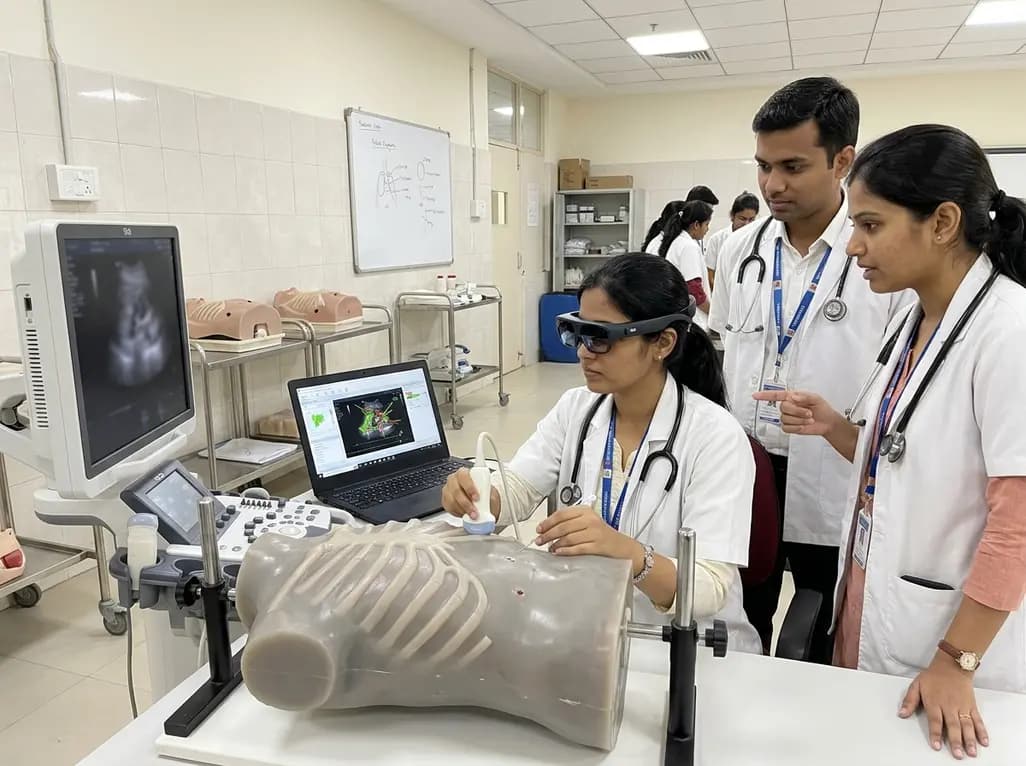
A pioneering study demonstrates that eye-tracking metrics provide robust response process validity evidence for an ultrasound-guided thoracentesis phantom, offering objective measurements of cognitive workload to improve procedural simulation and clinical training.
Today

Adaptive spectral analysis of umbilical venous Doppler recordings reveals that an elevated second-trimester maternal-fetal power ratio can distinguish pregnancies at risk of preeclampsia, offering a novel biophysical approach to enhance early vascular risk stratification.
Today

A real-world cohort study of 6,537 patients from the FOUNTAIN platform demonstrates that initiating finerenone significantly reduces albuminuria by 40.7% with minimal eGFR decline and manageable hyperkalemia risk, confirming its practical effectiveness and safety in diabetic kidney disease.
Today

A meta-analysis of 18 RCTs with 77,942 patients reveals that GLP-1 and dual GIP/GLP-1 receptor agonists significantly reduce serum uric acid, cut incident gout flares by 38%, and lower hyperuricemia risk, with dual agonism showing superior urate-lowering efficacy mediated partly by weight loss.
Today
